
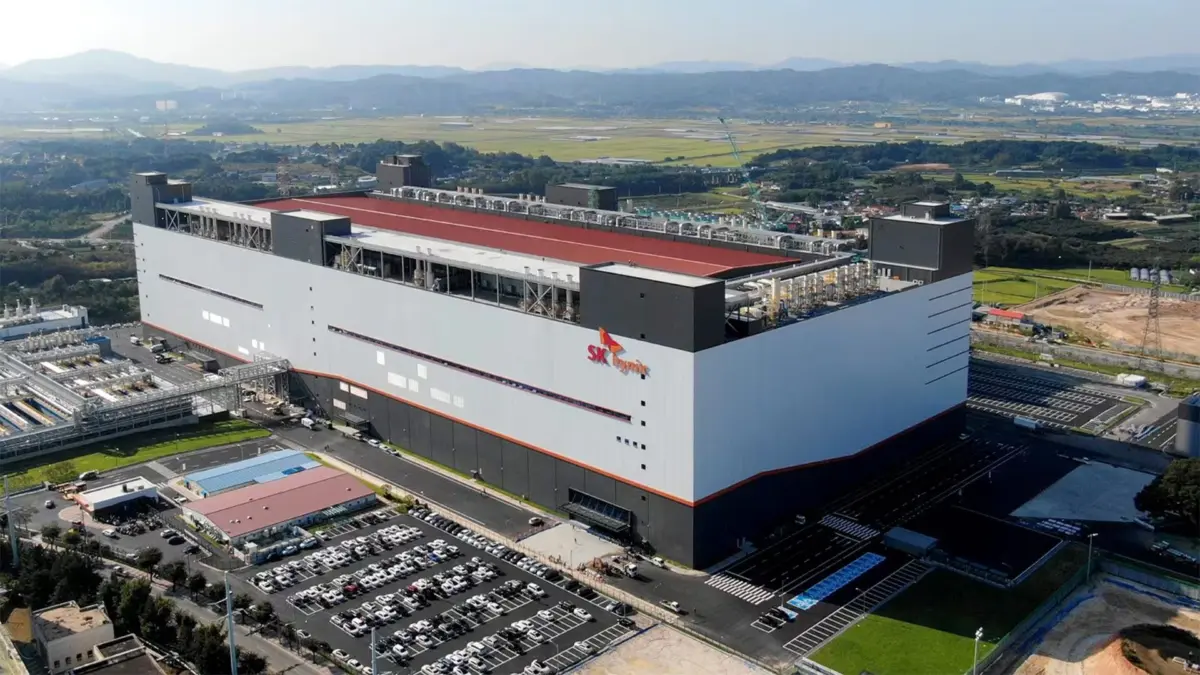
Recent reports that Solidigm was considering the construction of a brand-new 3D NAND flash memory fabrication facility in the United States came as a major surprise to the semiconductor industry last month. For years, domestic commercial production of NAND flash memory has been virtually non-existent within the borders of the United States, as the vast majority of memory manufacturing has shifted to countries across Asia, such as South Korea, Japan, China, and Taiwan. However, this potential multi-billion-dollar investment now appears to be part of a highly calculated, strategic geopolitical move by Solidigm’s parent company, South Korean memory giant SK hynix.
According to recent reports from Reuters, SK hynix is reportedly asking the United States government to authorize additional, crucial semiconductor manufacturing equipment shipments to its existing Dalian facility located in China. In exchange for these regulatory approvals and the loosening of strict export controls affecting its Chinese operations, the company is dangling a major commitment: building a brand-new, advanced NAND flash memory fabrication plant right on U.S. soil. This high-stakes diplomatic and industrial trade-off highlights the complex pressures multinational semiconductor firms face as they navigate tightening trade restrictions between Washington and Beijing while simultaneously attempting to expand their global manufacturing footprints and secure local subsidies.
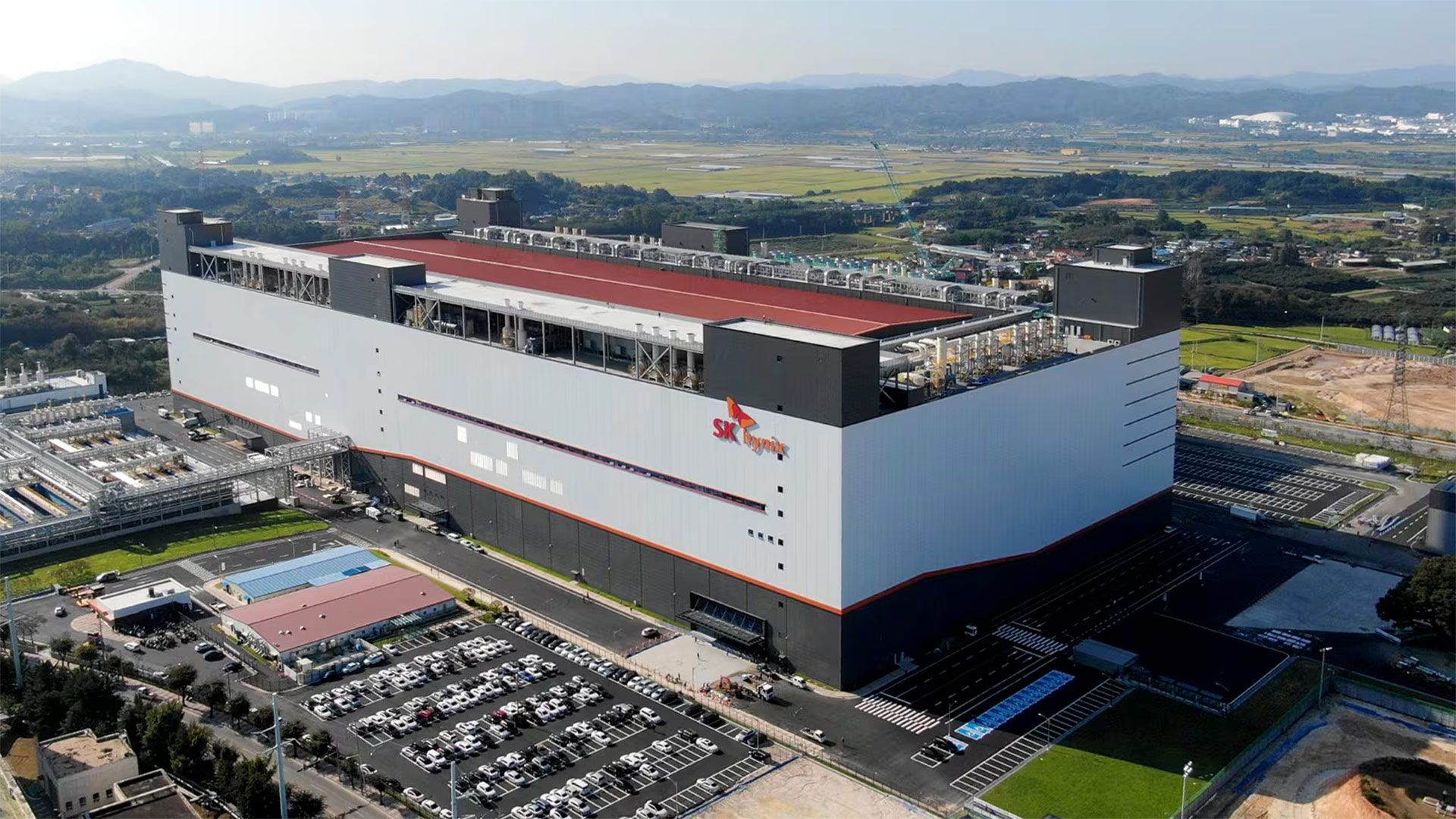
The prospect of domestic NAND production represents a significant shift for the American technology landscape. Over the past decade, U.S. semiconductor policy—most notably spearheaded by legislation like the CHIPS and Science Act—has heavily prioritized reshoring critical components of the tech supply chain. While significant capital and political will have been successfully directed toward bringing leading-edge logic chip manufacturing and traditional DRAM production back to American shores, NAND flash memory has largely remained an afterthought in these sweeping national security and economic resilience discussions. Solidigm, which was formed out of SK hynix’s acquisition of Intel’s NAND and solid-state drive (SSD) memory business, possesses deep technical expertise in high-density storage solutions, making it one of the few entities capable of undertaking such a massive domestic manufacturing endeavor.
At the heart of this unfolding situation is SK hynix’s delicate operational balancing act in China. The company’s Dalian facility—originally acquired as part of the Intel NAND transaction—plays a critical, high-volume role in the corporation’s global memory supply chain. Modern semiconductor fabrication plants require a continuous influx of advanced lithography tools, deposition equipment, and diagnostic machinery to maintain high yields, upgrade process nodes, and replace aging hardware. However, sweeping U.S. export controls aimed at curbing China’s technological advancement have severely restricted the ability of equipment makers to ship advanced tools to facilities operating within Chinese borders. By tying a coveted U.S. manufacturing investment directly to the easing of these export restrictions for its Dalian plant, SK hynix is effectively leveraging its capital deployment to protect its existing foreign assets while simultaneously aligning with Washington’s broader geopolitical desires for domestic tech investment.
Industry analysts note that such conditional arrangements illustrate the powerful leverage major semiconductor corporations hold in the current global economic climate. Governments worldwide are fiercely competing to attract foundational technology investments, offering lucrative tax incentives, grants, and regulatory streamlining. At the same time, companies like SK hynix must carefully manage intricate supply chains that span multiple jurisdictions with competing regulatory frameworks. If the U.S. government decides to accept the proposed trade-off, it could pave the way for a historic return of domestic NAND manufacturing, drastically altering the American semiconductor ecosystem. Conversely, if negotiations stall or regulators balk at granting further equipment exceptions for the Dalian plant, the future of the proposed U.S. Solidigm fab remains deeply uncertain, leaving the ultimate outcome hanging in the balance as regulatory talks continue behind closed doors.

Leave a Reply