
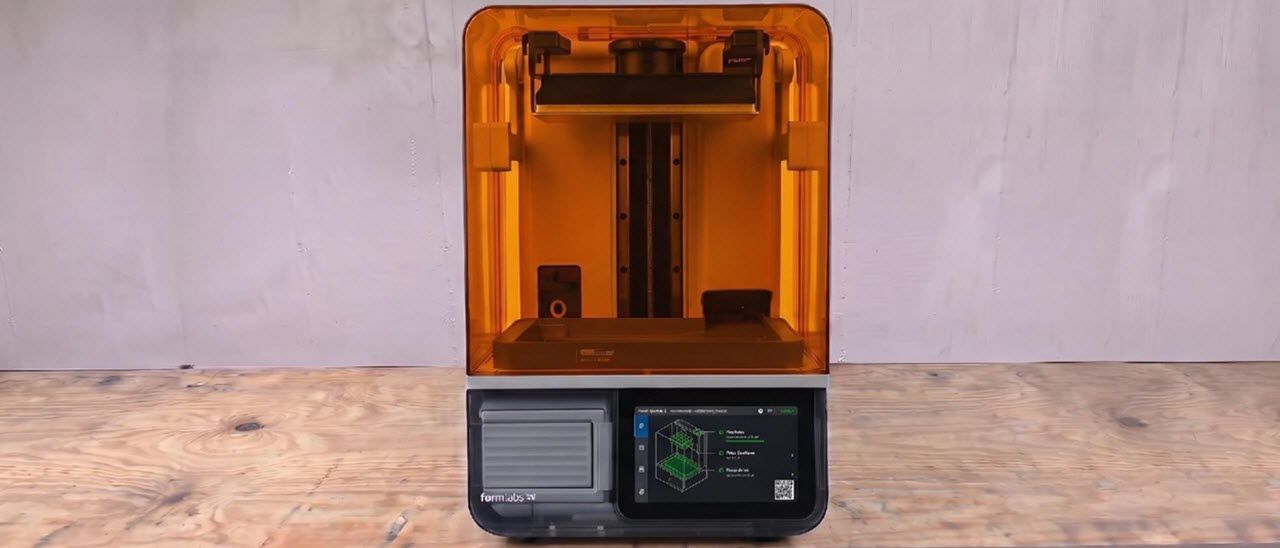
Formlabs, a prominent name in the additive manufacturing industry, has officially made its anticipated move into the consumer-level resin printer market with the introduction of the Form Studio 1. Designed specifically for users who want a streamlined, hassle-free experience—summarized by the ethos of hitting print, walking away, and returning to a fully finished model—the new machine brings professional-grade engineering down to a more accessible tier.
According to evaluations from industry reviewers, the Form Studio 1 manages to pack a substantial amount of user-friendly technology into its footprint, making the overall printing journey significantly easier for hobbyists and creators alike. At the heart of its design philosophy is a combination of advanced hardware features and intelligent software guidance, drawing heavily on years of corporate testing, consumer research, and specialized chemical formulation.
One of the standout technological inclusions in the Form Studio 1 is a high-speed conduction resin heating system, designed to maintain optimal temperatures for consistent curing and material flow. This is paired with the company’s proprietary Low Force Display system, which facilitates full-layer curing while minimizing the peel forces that often plague resin printing and lead to failed jobs or damaged models.
Furthermore, units configured with the Form Studio 1 Flex Package include an optional flexible build plate for a modest additional cost of $50, an upgrade that reviewers note provides a notably smooth post-processing experience when removing finished prints. Aesthetically, the printer has also drawn attention for its striking design choices, featuring see-through side panels that evoke a distinct old-school iMac aesthetic, blending modern industrial capabilities with a touch of nostalgic hardware styling.
The simplicity and reliability that define the Form Studio 1 are rooted in Formlabs’ deep understanding of user needs and its extensive library of specialized resins. While the printer is technically capable of accepting third-party resins, reviewers point out that doing so introduces variables that can ultimately compromise the high level of print reliability engineered into the ecosystem. By keeping users within the curated ecosystem, the machine aims to eliminate much of the traditional guesswork associated with resin calibration.
Usability is further enhanced by thoughtful hardware integration. The resin cartridge slides effortlessly in and out of the chassis, removing the messy pouring steps common in traditional desktop vat photopolymerization setups. Additionally, the printer and its onboard screen work in tandem to guide operators step-by-step through pre-print and post-print routines, ensuring that even those relatively new to additive manufacturing can achieve optimal results with minimal friction.
This focus on lowering the barrier to entry reflects a broader shift in the desktop fabrication market toward appliances rather than tinkering projects. For years, resin 3D printing required a steep learning curve involving manual exposure testing, vat cleaning, and post-processing calibration. With the Form Studio 1, Formlabs appears to be targeting a demographic of creators, designers, and enthusiasts who value finished output over troubleshooting hardware quirks.
As consumer expectations continue to evolve, the debut of the Form Studio 1 marks a significant milestone for a company traditionally recognized for its professional and industrial systems. By translating high-end features like rapid heating systems and low-force display curing into a consumer-accessible format, Formlabs has positioned its new machine as a compelling option for anyone looking to step into high-reliability resin printing without the traditional complexities.


Leave a Reply