
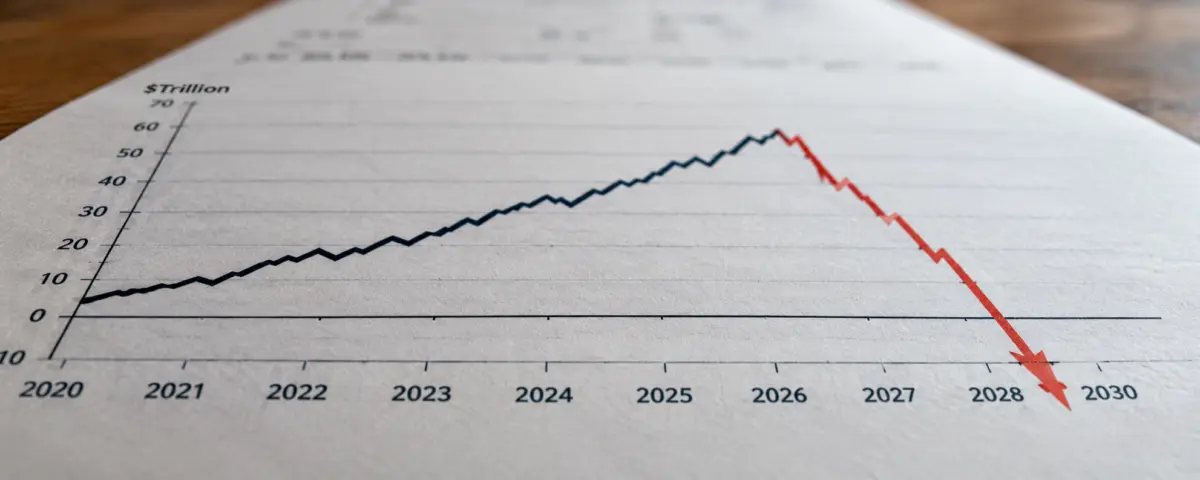
The unprecedented surge in artificial intelligence investment and the massive global rollout of data centres are driving macroeconomic concerns that extend far beyond the technology sector. In a recent episode of the PING podcast, APNIC Chief Scientist Geoff Huston examines the profound economic consequences of this capital allocation wave, warning that the scale of spending is now large enough to impact national economies and everyday consumers.
Planned investments targeting artificial intelligence technologies and specialized data centres are currently measured in the hundreds of billions of dollars, with projections pointing toward trillions globally. Huston argues that this staggering level of capital allocation has transitioned from a localized tech-sector phenomenon into a macroeconomically significant force at the national level.
For technology consumers, the immediate symptoms of this spending spree are already familiar. Prices for vital hardware components—including random-access memory (RAM), high-capacity storage devices, and specialized graphics processing units (GPUs)—have climbed steeply while supply chains remain severely constrained. However, the broader economic ramifications reach deeply into non-tech industries, raising questions about market stability and the opportunity cost of speculative funding. When speculative activity commands such an outsized share of overall economic movement, any sudden market correction, cooling period, or collapse threatens to siphon essential capital away from other productive, foundational sectors of the economy.
The Weight of Speculative Debt and Future Returns
Much of the financial momentum powering the current artificial intelligence boom relies heavily on the anticipation of lucrative future returns. Consequently, a substantial portion of these capital investments carries elevated risk profiles. If the projected financial returns fail to materialize at scale, the underlying debt utilized to finance massive data centre construction projects will still remain.
Should individual projects or speculative ventures fail, investors will be forced to absorb the resulting losses. This fallout could manifest through distressed asset sales at heavily discounted prices, or the financial burden could be distributed broadly among the various institutional entities that originally financed the development initiatives.
For the average citizen, a primary source of anxiety is that these high-stakes investment decisions are frequently made on their behalf without direct consultation. While individual risk tolerances vary dramatically among people, the actual allocation of capital is predominantly controlled by commercial banks, large investment firms, and institutional asset managers.
These financial institutions may operate in corporate environments that feel distant to everyday workers, yet their influence over household financial health is profound. For instance, Australia’s superannuation retirement sector currently manages more than AUD 4 trillion in assets. This makes it the fourth-largest pension investment pool in the world, a remarkable distinction given the country’s population of approximately 27 million people. Consequently, ordinary Australians may possess a far greater indirect exposure to speculative technology risks than they realize.
![[Podcast] The (dismal) economics of AI | APNIC Blog](https://blog.apnic.net/wp-content/uploads/2026/10/Financial-Growth-Chart-Plunging-Downward.png)
This structural exposure is by no means unique to Australia. Similar dynamics govern pension funds and retirement savings vehicles across Canada, the United Kingdom, the European Union, and numerous Asian markets. The phenomenon is especially pronounced in the United States, where major artificial intelligence corporations have swiftly cemented their status as standard, unavoidable components of heavily diversified investment portfolios and retirement indices.
Infrastructural Pressures on Power Grids and Supply Chains
Constructing and operating a modern, high-density artificial intelligence data centre requires monumental capital outlays spanning civil construction, heavy power infrastructure, advanced cooling systems, and specialized facilities. Because these operational endeavors command deep financial backing, data centre operators can compete aggressively for scarce skilled labor and essential raw construction materials, frequently outbidding competing sectors.
This intense market competition is actively contributing to severe supply chain bottlenecks across the civil engineering landscape. It has begun to impact completely unrelated construction activities, most notably residential housing developments, which face rising material costs and labor shortages.
The systemic disruptions extend well beyond the construction phase. Rapidly escalating electricity demand from burgeoning data centre fleets is placing unprecedented strain on electrical power grids, ultimately driving up utility costs for ordinary households and commercial businesses alike. Furthermore, the physical placement of these massive facilities heavily influences surrounding communities, altering local living standards, environmental footprints, and the long-term viability of regions as balanced places to live and work.
As Huston points out, modern artificial intelligence data centres have expanded to such immense physical and electrical proportions that, in regions like the United States, two competing projects of comparable scale can frequently no longer be supported within the same state. Instead, they must be geographically segregated to prevent completely overwhelming local utility grids and municipal infrastructure.
This current economic and infrastructural landscape was not engineered through deliberate, coordinated global economic planning. Rather, it has materialized with startling speed and continues to gather formidable momentum independently. The resulting challenge is undeniably global in scope. As total capital investment scales upward, anxieties regarding systemic risk exposure are intensifying, particularly as underlying weaknesses and monetization challenges within current business models become increasingly transparent.
Ultimately, the question of who emerges as winners or losers from this cycle extends far beyond individual artificial intelligence developers or specialized data centre operators. If the ongoing investment boom proves to be structurally unsustainable, the resulting economic shockwaves possess the potential to severely impact everyday investors, consumers, and local communities far removed from the core technology sector.


Leave a Reply