
October 12, 2026
By Alma F.

The modern digital retail landscape is undergoing a profound transformation, driven largely by the rapid integration of artificial intelligence across every operational tier. According to industry analysis, merchants are increasingly turning to specialized digital platforms to streamline everything from initial storefront generation to complex backend analytics. Rather than relying on a patchwork of disconnected software, today’s online retailers are deploying centralized AI solutions that draw directly on live store data—including active product catalogs, live orders, browsing patterns, and deep customer histories—to automate recovery tasks, deliver hyper-personalized recommendations, and accurately forecast inventory demands.
Selecting the appropriate technology hinges entirely on identifying which specific segment of an online business requires immediate intervention. Whether a merchant needs to rapidly construct a new digital storefront, generate compliant product copy at scale, optimize targeted email retention, manage customer service tickets, or consolidate multi-channel advertising data, the current ecosystem offers targeted solutions tailored to distinct operational bottlenecks.

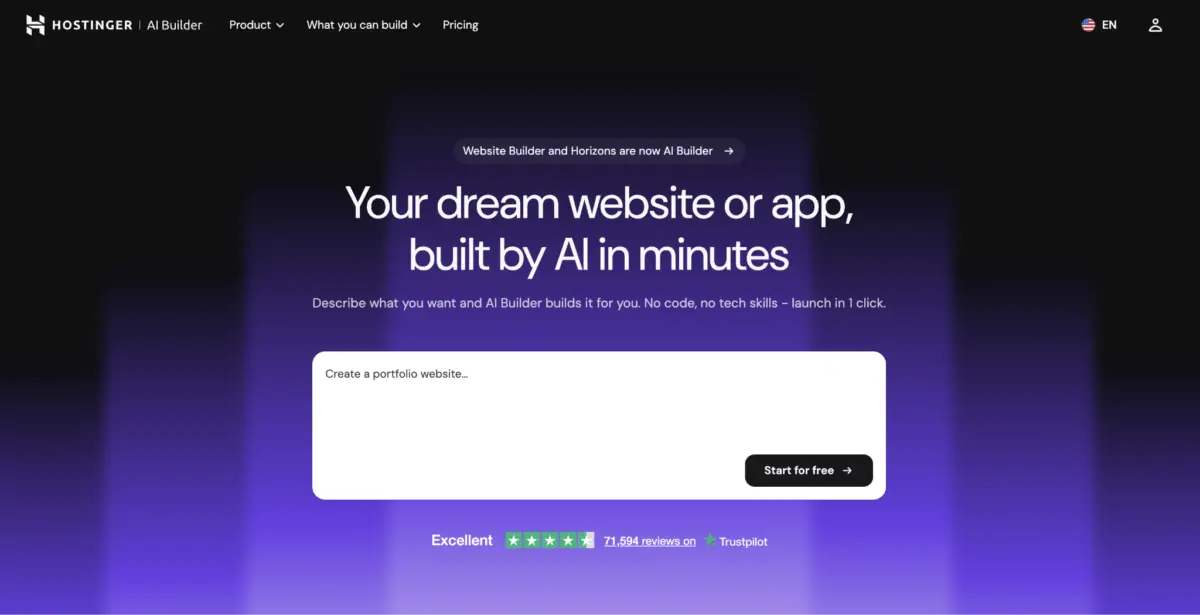
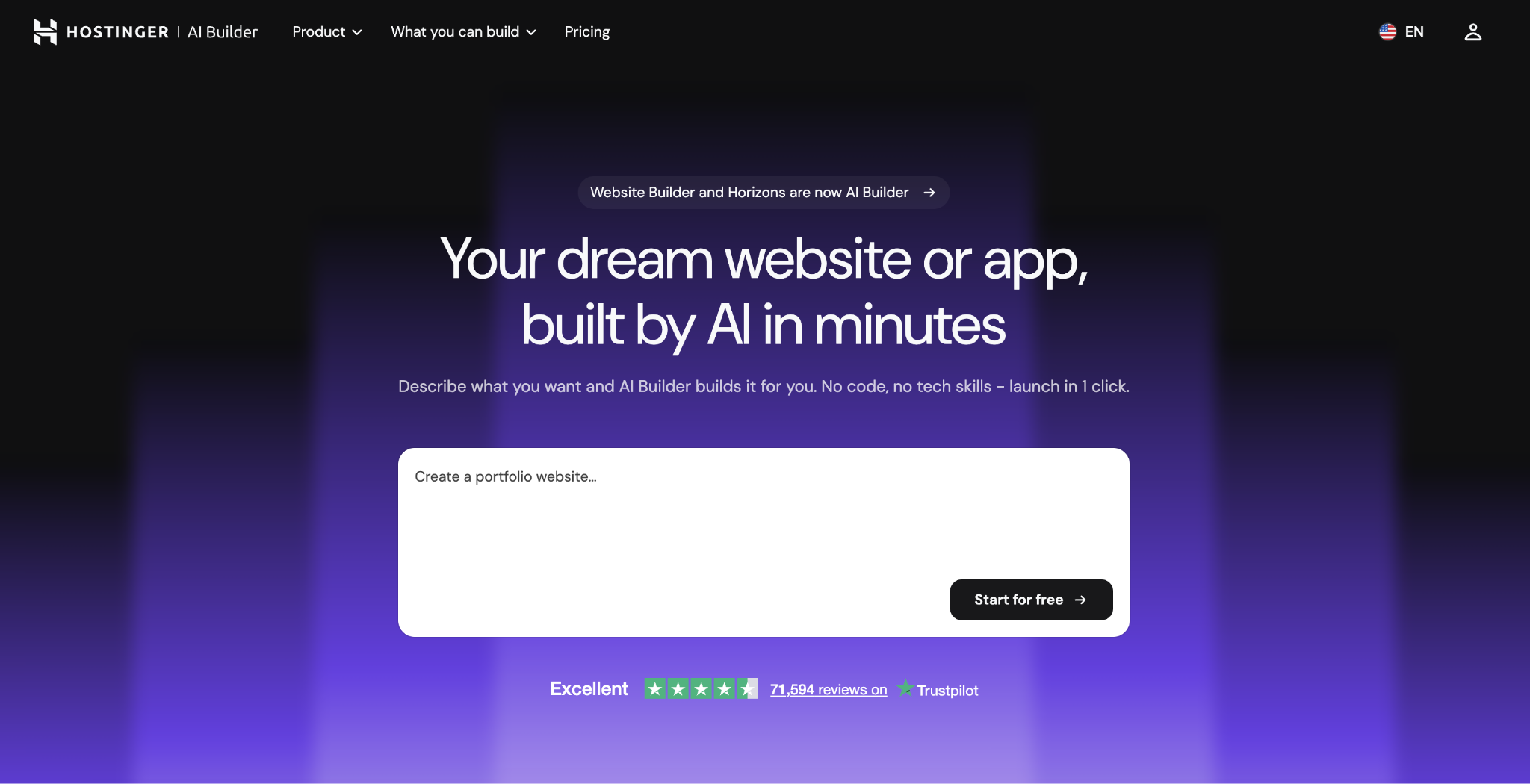
For entrepreneurs launching fresh digital storefronts from scratch, integrated solutions such as the Hostinger AI Builder provide a streamlined pathway. By simply inputting a basic business description, users can generate a fully functional online retail presence. The platform simplifies the transition from concept to market by automatically transforming raw product photographs into fully realized listings complete with suggested pricing, while simultaneously managing orders and marketing communications within a single unified dashboard. Conversely, established merchants operating within the Shopify ecosystem can leverage native administrative aids like Shopify Sidekick and Shopify Magic. These embedded assistants handle day-to-day administrative tasks, draft descriptions, edit images, and establish promotional discounts directly within the existing merchant interface without necessitating separate software subscriptions.

Product Content, Visuals, and Storefront Personalization
Scaling an inventory catalog often introduces significant operational friction, particularly when attempting to maintain visual and textual consistency across hundreds or thousands of distinct products. To address this challenge, specialized visual platforms like Photoroom have emerged to standardize product photography. By automatically removing disparate backgrounds, placing items against uniform backdrops, and dynamically resizing images for various sales channels, the platform eliminates the need for expensive studio setups and ensures a cohesive visual identity across a brand’s entire catalog.

Simultaneously, platforms such as Jasper assist large retail teams in generating uniform product descriptions that adhere strictly to an established brand voice. By feeding product specifications and style guidelines into a centralized knowledge base, merchants can automate the production of listing copy tailored to diverse digital marketplaces.

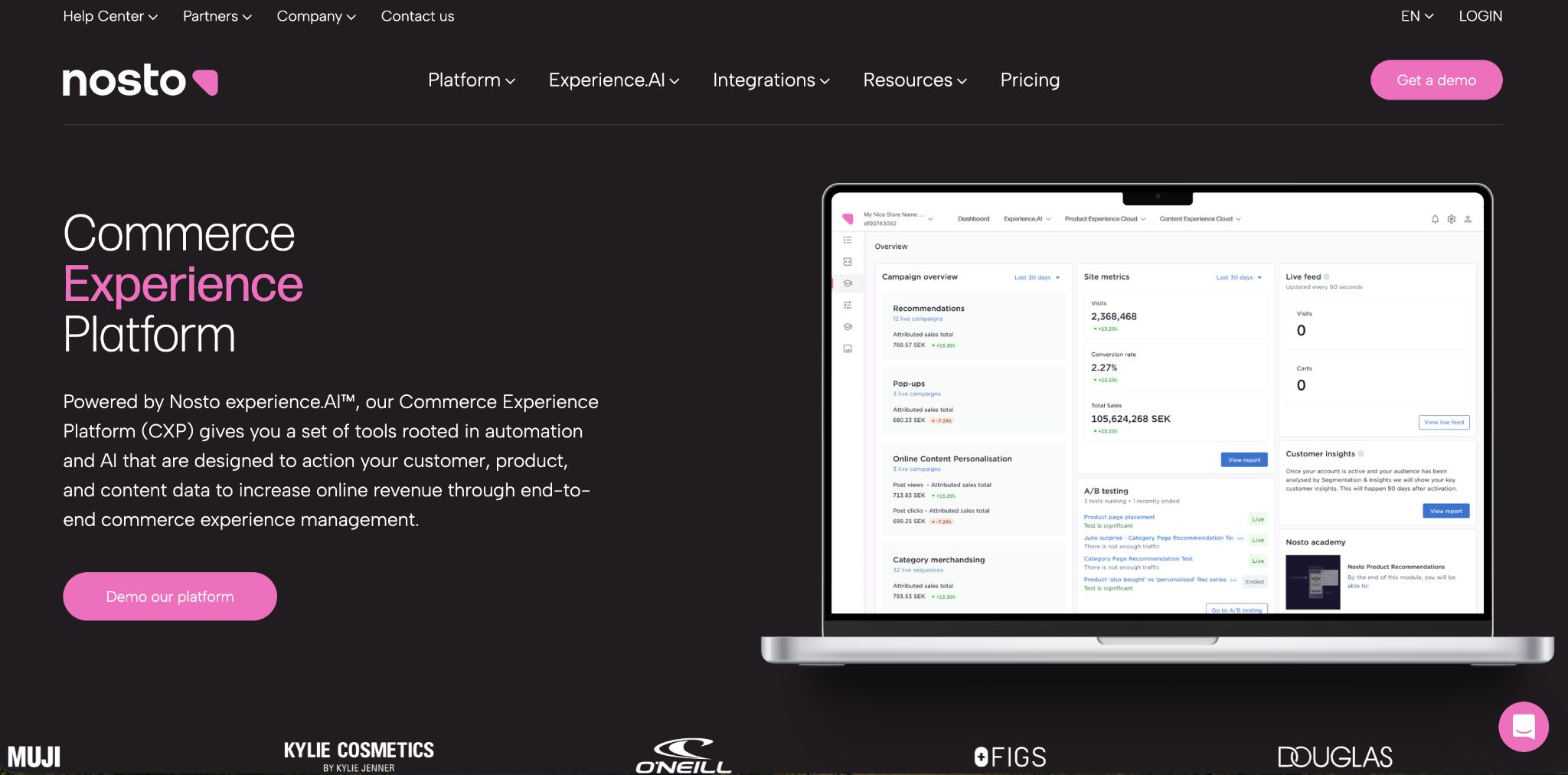
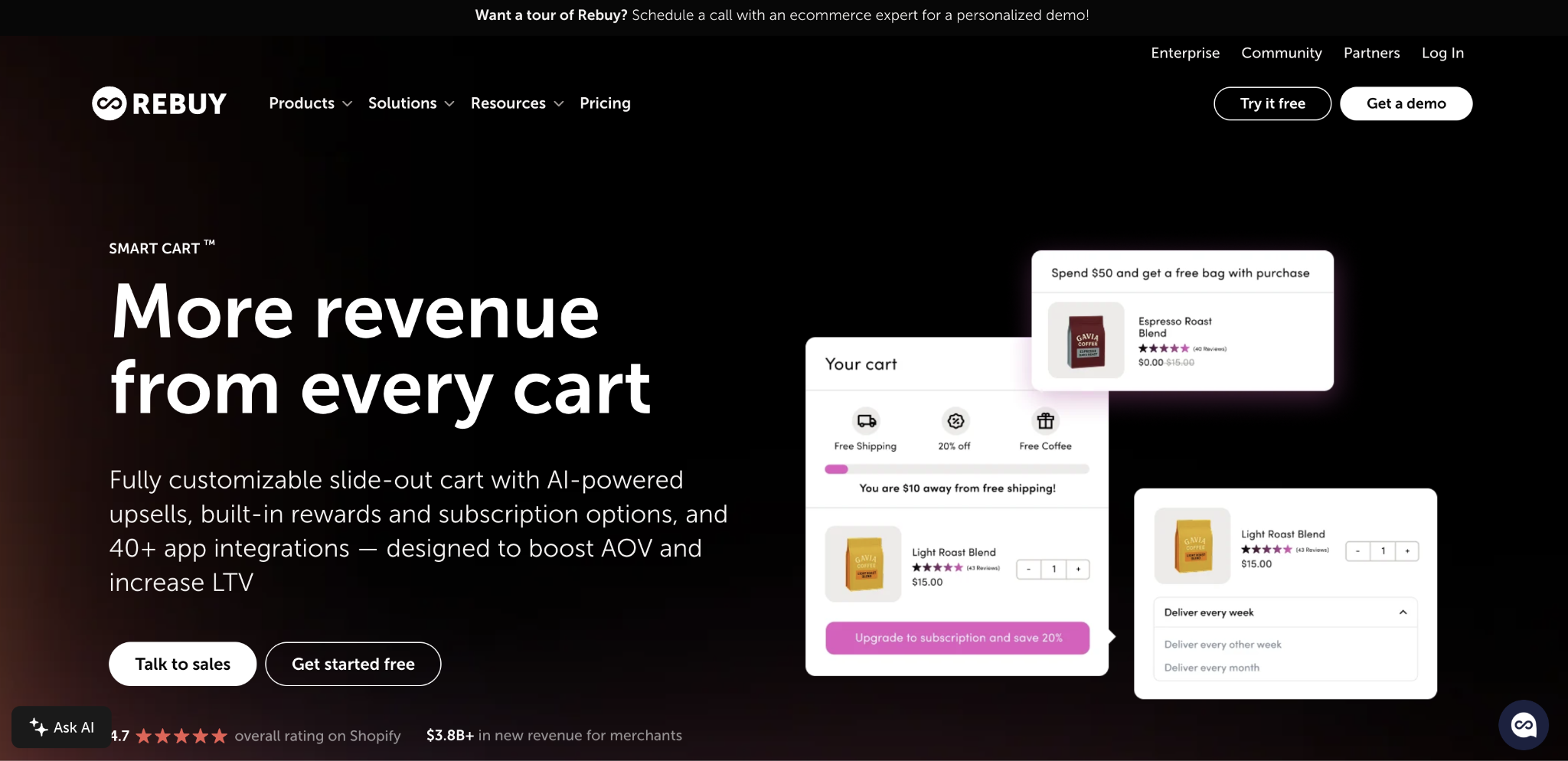
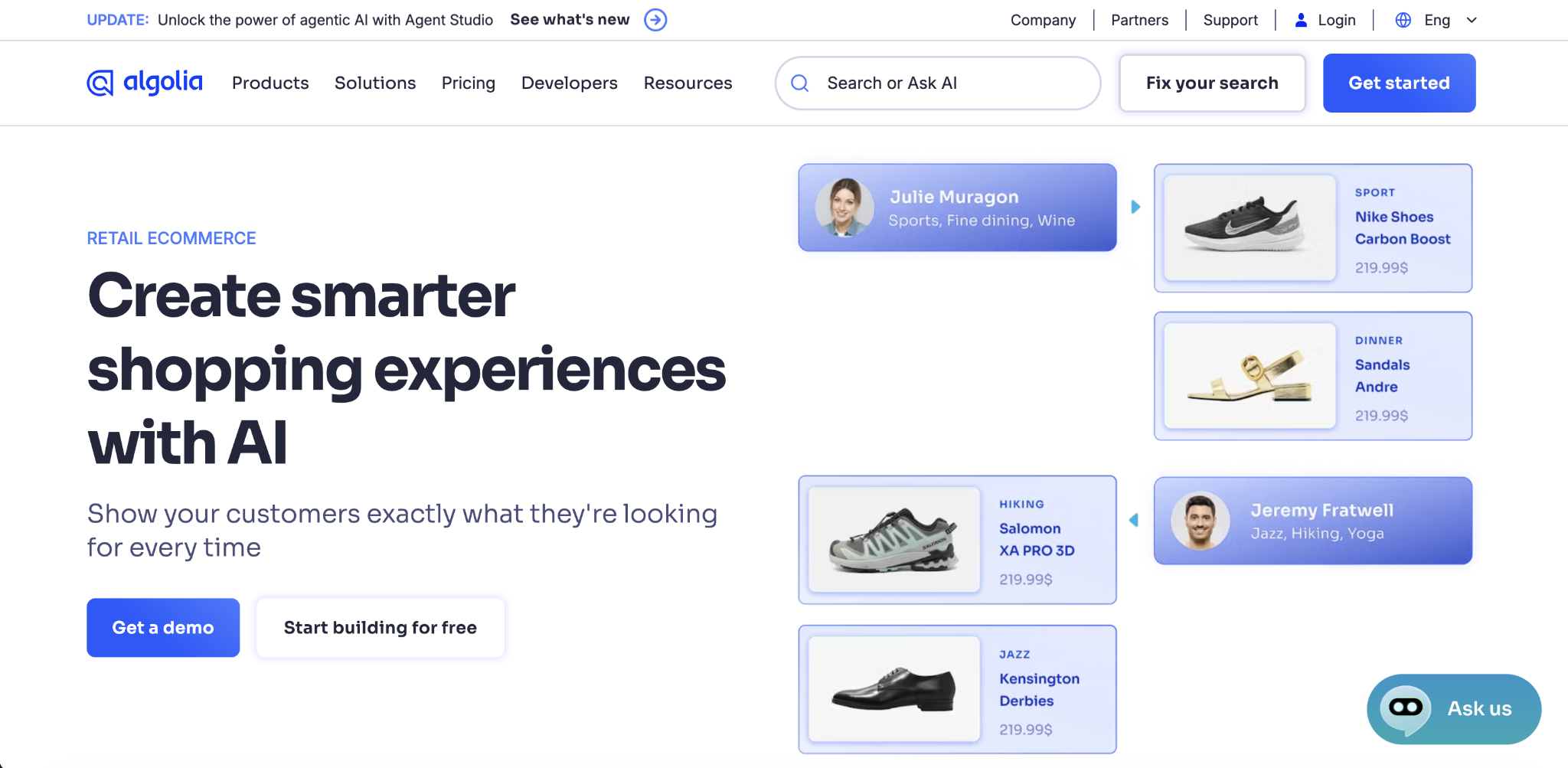
Beyond content creation, enhancing the customer browsing experience requires sophisticated personalization engines. Mid-market and enterprise brands with high visitor volume frequently deploy platforms like Nosto to dynamically alter storefront layouts and product recommendations in real time based on individual user behavior. For merchants seeking specifically to increase average order values during the checkout process, Rebuy provides targeted upsell and cross-sell functionality tailored to Shopify merchants. Meanwhile, brands struggling with customer discovery utilize Algolia to upgrade standard site search. By interpreting typos, synonyms, and complex search queries, the platform ensures shoppers successfully locate intended products rather than abandoning the site.
Email Retention, Customer Support, and Operations
Retaining existing customers and managing post-purchase communications represent critical operational expenses for growing retail enterprises. Advanced retention platforms like Klaviyo utilize deep customer behavior and catalog data to execute predictive email marketing campaigns, identifying which consumers are most likely to make repeat purchases. For store owners seeking a more rapid implementation with pre-built automation flows for cart recovery and win-back campaigns, Omnisend offers a streamlined alternative that minimizes setup complexity.
Customer support inquiries frequently consume substantial staff hours, a challenge addressed by specialized communication platforms. Gorgias integrates directly with store data to automatically resolve high-volume post-purchase inquiries, such as tracking requests and return statuses, while seamlessly transferring complex issues to human representatives. For pre-purchase assistance, Tidio Lyro acts as an AI shopping assistant that guides undecided visitors through product selection and cart additions via interactive chat.
Finally, managing backend profitability and supply chain logistics requires robust analytical oversight. Triple Whale consolidates advertising expenditures, product metrics, and revenue data from disparate platforms like Google, Meta, and TikTok into a single dashboard, enabling merchants to accurately evaluate marketing performance. Complementing this operational visibility, Prediko applies predictive analytics to historical sales data, allowing Shopify merchants to forecast inventory demands and automate reordering schedules to prevent both costly stockouts and excessive inventory buildup.
Industry experts emphasize that merchants should carefully evaluate platform compatibility and organizational bottlenecks before committing to new technologies. By prioritizing the specific operational friction point currently impacting sales most severely—whether it be low search conversion, stagnant email retention, or mounting support tickets—retailers can successfully integrate scalable artificial intelligence tools that align with their specific business models and platform architectures.
Leave a Reply