
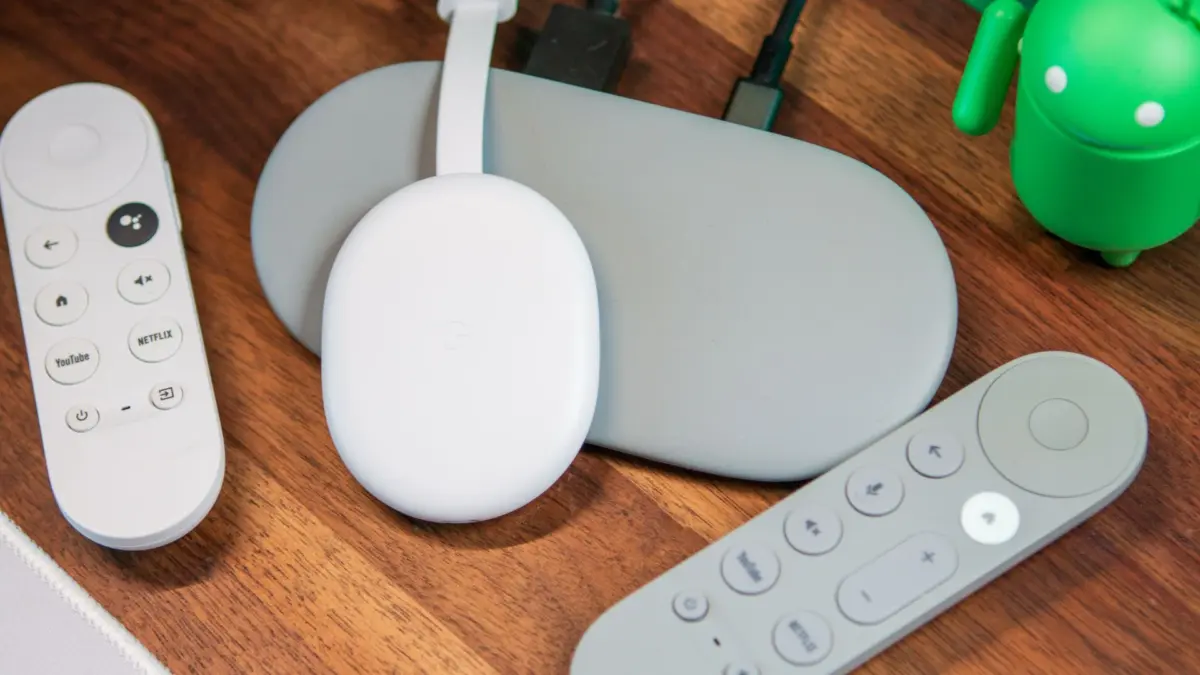
Google is reportedly setting the stage for the next evolution of its living room hardware ecosystem. According to a fresh report detailing upcoming product roadmaps, a next-generation Google TV Streamer is already actively in development within the company. This forthcoming streaming device is expected to introduce a series of substantial upgrades over the current model, addressing key user feedback while enhancing how households interact with their entertainment and smart home setups.
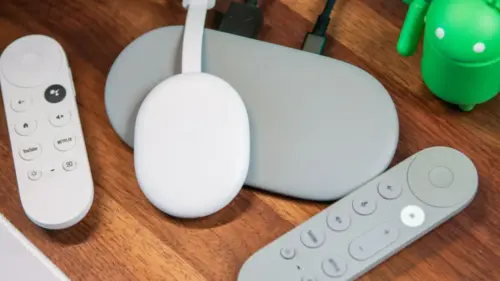
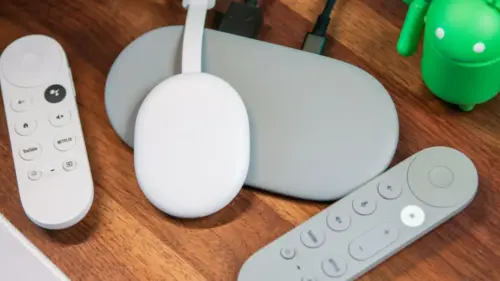
The original Google TV Streamer has firmly established itself as one of the premier streaming options available on the market. Powered by robust and capable hardware, it runs a fully featured version of the Google TV operating system that avoids feeling stripped-down or lacking in advanced software capabilities. Even though Google recently adjusted the pricing strategy for its hardware ecosystem—increasing the price of the current Google TV Streamer by $50 alongside select Nest camera models—the company’s engineering teams are clearly looking ahead to the future of the product line.
According to insights published by 9to5Google, the next-generation Google TV Streamer will largely maintain the modern, low-profile design philosophy of its predecessor. However, industry sources indicate that the new iteration will feature a slightly narrower physical footprint, allowing it to sit even more discreetly beneath a television set or on an entertainment console. While the exterior aesthetic will remain familiar, the internal and functional upgrades planned for the device are expected to be far more transformative.
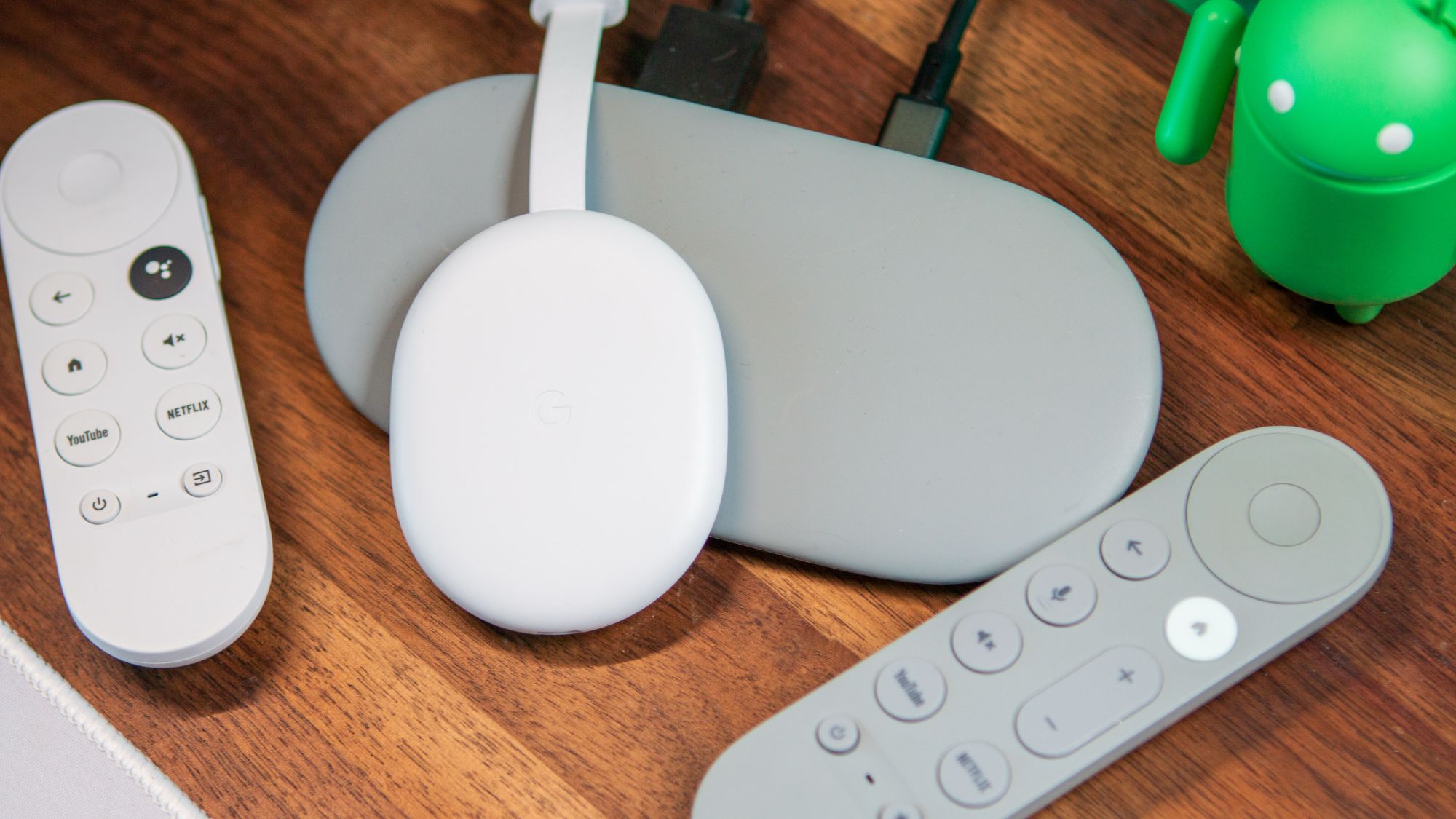
Perhaps the most significant structural change rumored for the upcoming streamer is the inclusion of built-in far-field microphones directly on the hardware chassis itself. Up until now, interacting with AI assistants and voice controls on Google TV devices has required users to physically pick up their remote control and press a dedicated microphone button. With the integration of far-field listening capabilities directly into the streaming box, operating the device could become entirely hands-free. Users will reportedly be able to simply speak out loud to invoke the assistant, making everyday commands, media searches, and smart home queries much more seamless.
This hands-free functionality aligns closely with Google’s broader push to deeply integrate its advanced Gemini artificial intelligence across its entire hardware lineup. While the current Google TV Streamer is slated to receive Gemini capabilities via software updates, utilizing voice prompts still depends heavily on the handheld remote. By embedding microphones straight into the next-generation streamer, Google is positioning the device to act as a true, always-ready smart home hub, mirroring the convenience traditionally offered by dedicated smart speakers and smart displays.
In tandem with far-field voice recognition, the new streaming device is also rumored to incorporate sophisticated presence-sensing technology. Similar proximity and occupancy-detection features have already begun appearing in select modern smart televisions, such as advanced panels from TCL. By utilizing presence-sensing sensors, the upcoming Google TV Streamer would gain the ability to intelligently detect when a user enters or approaches the room.
Upon sensing human presence, the system could automatically wake up from an idle state to display contextual information on the screen, such as the current time, local weather conditions, or a personalized Google Photos screensaver slideshow. This proactive approach to ambient computing transforms the television from a static, powered-off black rectangle into a dynamic, helpful household dashboard the moment someone walks into the living room.
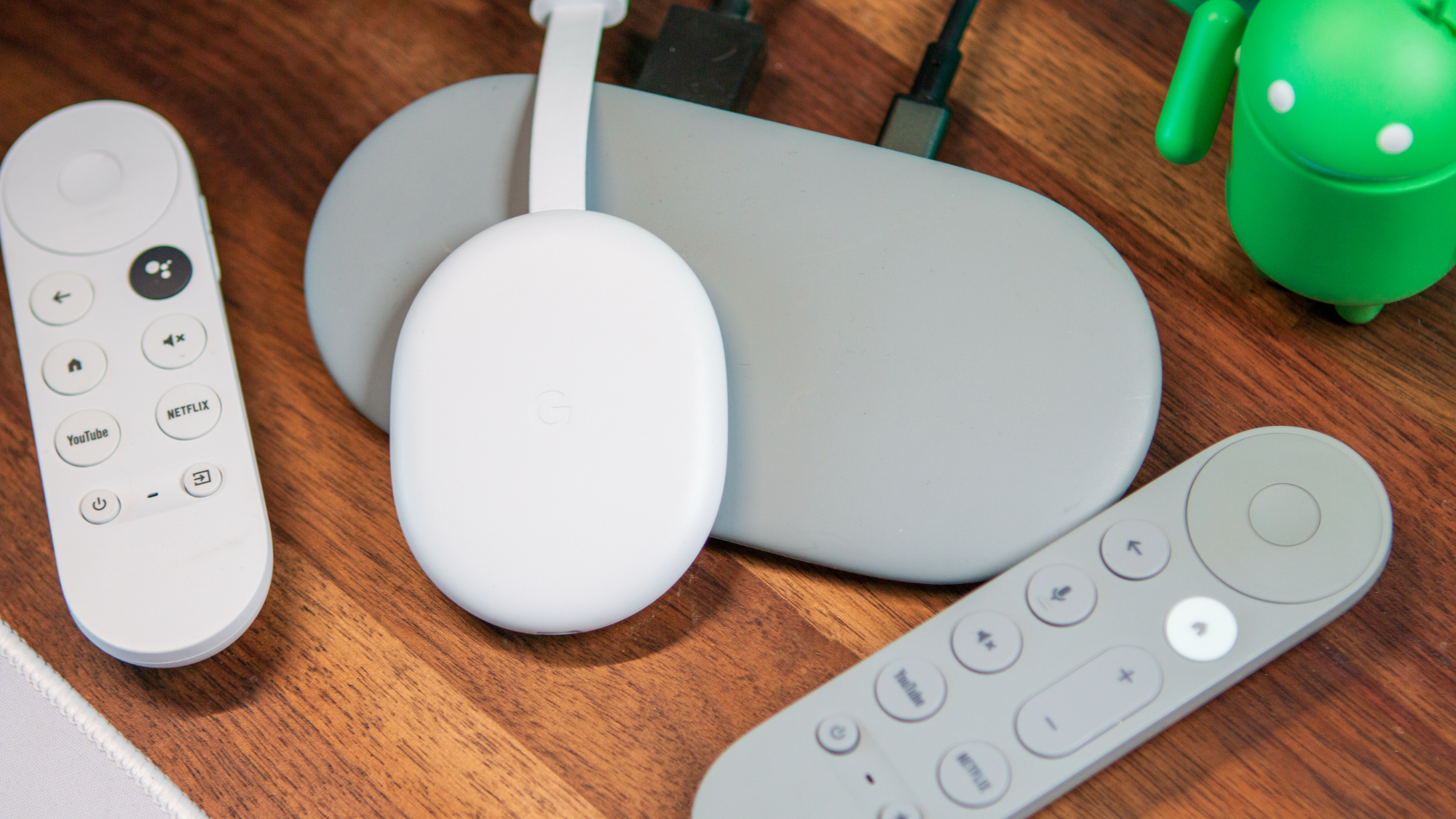
Beyond these smart home and software-driven enhancements, the next-generation streamer is expected to receive notable performance upgrades under the hood. Industry expectations point toward the inclusion of a faster, more modern processor designed to ensure snappy navigation, quicker app loading times, and smoother multitasking across streaming applications and connected smart home feeds. Furthermore, the new hardware is projected to ship with an increased amount of internal storage, expanding upon the 32GB capacity found on the existing model to comfortably accommodate more applications, cached data, and media content.
Hardware revisions are also reportedly coming to the accompanying remote control. Google is said to be redesigning the input device to include additional dedicated shortcut buttons for popular streaming services like YouTube and Netflix, giving users faster one-touch access to their most-watched platforms. Additionally, the streaming box itself may feature a dedicated physical button or trigger designed to help users locate a misplaced remote control—a practical, quality-of-life addition for households prone to losing remotes between couch cushions.
While these leaks provide a comprehensive look at what Google has on the horizon for its television ecosystem, the exact timeline for the product’s official commercial release remains under wraps. The initial reports have not confirmed a specific launch date or targeted pricing structure for the next-generation device. However, the timing of these hardware rumors coincides with increased activity across the consumer tech sector. With competitors like Apple reportedly preparing to unveil a newly updated Apple TV 4K in the near future, industry watchers suggest it would not be out of the question for Google to pull back the curtain on its own upgraded streaming hardware sometime in the upcoming fall season.
As it stands, consumers looking to upgrade their living room setup will have to rely on the current generation of hardware, which continues to anchor Google’s television strategy despite recent price adjustments. As further details, regulatory filings, or official announcements regarding the next-generation Google TV Streamer emerge, the complete picture of Google’s future television hardware strategy will become clearer.
Leave a Reply