

The open-source software ecosystem is facing a turbulent period marked by abrupt corporate policy shifts, infrastructure funding crises, and growing friction over copyright enforcement and automated content moderation. From cloud providers quietly sunsetting long-standing support initiatives to international copyright groups targeting everyday command-line utilities, the landscape for independent developers and foundational projects is undergoing significant strain.

Long-standing open-source projects are currently scrambling to secure alternative resources after DigitalOcean quietly ended its infrastructure support program. The move has abruptly cut off cloud credits for numerous community-driven initiatives that rely on donated or subsidized hosting to maintain their operations. While the abrupt termination has sent ripples of concern through the developer community, critics have pointed out the stark contrast in corporate resource allocation as infrastructure funding for vital public utilities dries up.

Amid these broader financial contractions, foundational distributions are also feeling the pinch. Gentoo Linux has officially issued a call for new infrastructure sponsors following the withdrawal of several long-term financial and logistical backers. The historic Linux distribution relies heavily on external partnerships to sustain its complex compilation infrastructure and code repositories. To bridge the gap, the project is actively accepting donated hardware, colocation space, virtual machines, physical servers, and direct monetary funds from organizations and individuals committed to keeping the distribution viable.

Copyright and compliance tensions have similarly escalated, drawing popular command-line tools into regulatory crosshairs. The international music copyright group IFPI has officially submitted yt-dlp, a widely used general-purpose command-line video and audio downloader, to the European Union’s piracy watchlist. By grouping the versatile utility alongside dedicated commercial ripping services, the submission targets four primary maintainers and alleges that the tool actively facilitates copyright infringement. The move highlights the ongoing legal and regulatory scrutiny facing multi-purpose developer tools that can be utilized for both legitimate archiving and unauthorized media extraction.

Security automation and supply chain integrity are also commanding industry attention following a wave of anomalous activity on major bug bounty platforms. Google was forced to temporarily pause product vulnerability submissions within its open-source bug bounty program after an unprecedented flood of AI-generated spam overwhelmed its review pipelines. While general product reports remain paused while the company restructures its evaluation mechanisms, supply chain vulnerability reports continue to be welcomed. Google has indicated it intends to roll out a revamped, more resilient bounty program by the first quarter of 2027.

Corporate stewardship of open-source code continues to present unpredictable challenges, though open licensing models occasionally offer a safety net. When Siemens quietly deleted the OpenRadioss repository from public view, the permissive AGPL licensing structure effectively protected the project’s continuity. Swiftly responding to the sudden disappearance, Rocky Linux co-founder Brian Clemens forked the project into OpenCourant within days. The newly revived repository is already successfully compiling and shipping pre-built binaries for both Linux and Windows environments, demonstrating the resilience afforded by open-source licensing safeguards.

Enterprise security strategies are similarly evolving to address vulnerabilities closer to production environments. Red Hat’s Lightwell initiative is flipping traditional security patching models on their head. Instead of waiting patiently for upstream maintainers to release official patches, Lightwell backports essential security fixes directly into production Java libraries. Having already cleared over 400 vulnerabilities under this aggressive model, the initiative is steadily gathering momentum as a proactive alternative to conventional patch management workflows.
Linux distributions continue to modernize their internal cryptographic frameworks. Ubuntu 26.10 is introducing Sequoia PGP, a modern, memory-safe OpenPGP implementation written entirely in Rust. The new tool currently sits alongside the long-standing GnuPG utility within the operating system. While both implementations will coexist during a transitional phase, long-term plans point toward the eventual phasing out of older tools in favor of the Rust-based alternative.

Integration between secure communication platforms and collaborative cloud suites is also deepening. Tuta Mail has introduced an official app directly into the Nextcloud App Store, complemented by a dedicated Nextcloud plugin within the Tuta platform itself. This integration allows users to seamlessly upload email attachments directly to their Nextcloud storage instances and embed secure video conference links straight into their calendar events, bridging the gap between encrypted messaging and self-hosted productivity tools.

Emerging architectural philosophies within the tech sector are increasingly driven by a fundamental skepticism toward centralized data handling. In recent interviews, former Bitcoin Core contributor Carl Dong discussed the motivations behind building Obscura, a VPN service designed around absolute user distrust rather than standard corporate privacy promises. Operating under the premise that consumer data should be treated as toxic waste, the service deliberately splits a user’s identity from their browsing traffic across two independent corporate entities, ensuring that neither organization possesses the capability to view both pieces of the puzzle. This architecture addresses growing anxieties regarding metadata retention and the limits of traditional no-logs policies in modern networking environments.

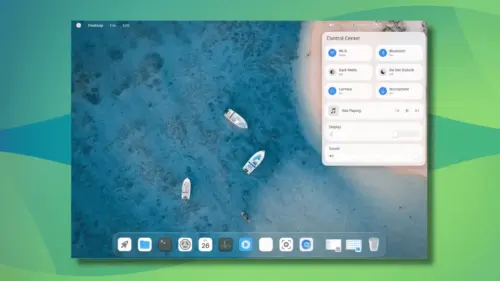
Hardware and homelab enthusiasts are likewise seeing a steady influx of performance-focused components and cross-platform compatibility updates. ORICO’s X50 has emerged as a notable addition to external storage options, offering a sleek Thunderbolt 5 NVMe SSD enclosure that integrates natively with Linux systems without requiring manual configuration or proprietary driver installations. Meanwhile, the Raspberry Pi Foundation has released its Debian 13-based Raspberry Pi Desktop environment, making the familiar Debian-backed user experience natively available for standard PC and Mac hardware configurations.
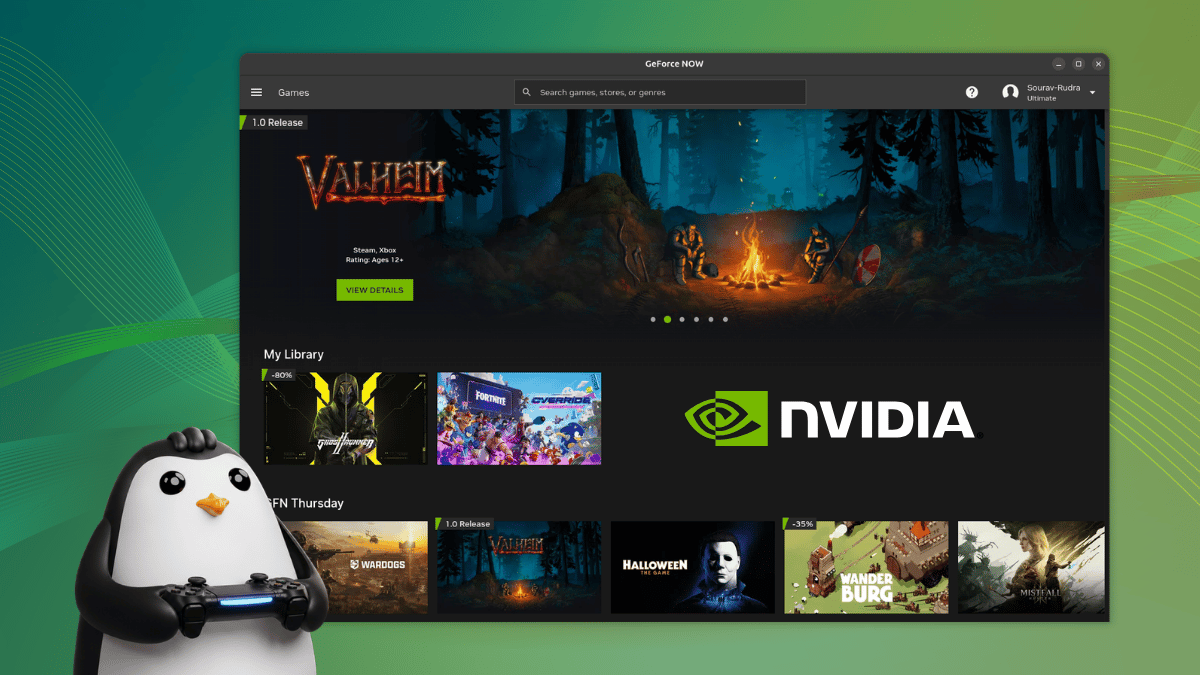
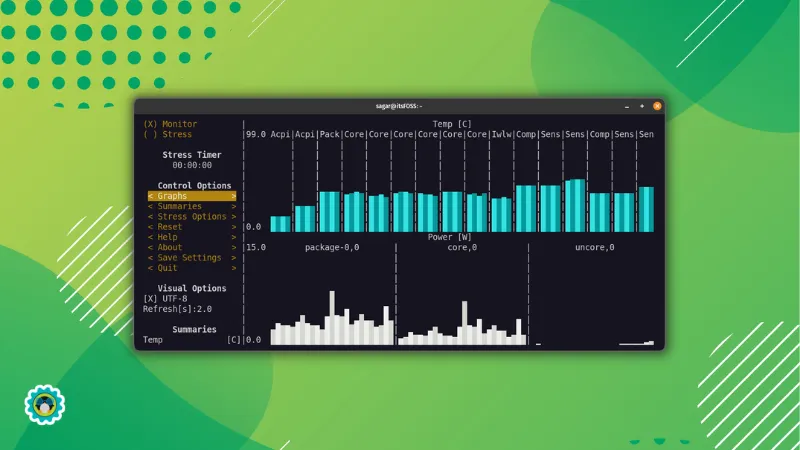
Desktop gaming and software utility on Linux continue to mature as well. With hardware component prices posing financial hurdles for traditional PC gaming setups, cloud-based gaming alternatives are gaining traction. NVIDIA’s GeForce NOW native Linux client recently graduated from its beta phase, offering Ubuntu users a functional alternative for running demanding titles via cloud streaming infrastructure. On the productivity front, system administrators and power users are leveraging command-line utilities like S-TUI to monitor CPU frequency, temperatures, and power utilization through terminal-based graphs, providing a lightweight diagnostic alternative to heavier graphical monitoring suites.
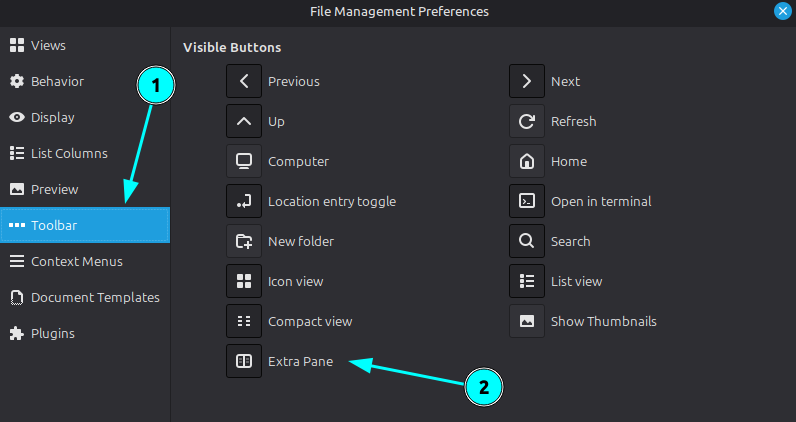
File management and workflow efficiencies within desktop environments also continue to evolve. Popular file managers like Nemo offer granular workspace customization, such as split-pane views activated via simple keyboard shortcuts or toolbar toggles, streamlining file organization across disparate directories without the need to juggle multiple application windows. As the open-source community navigates shifting corporate sponsorships, evolving security paradigms, and regulatory pressures, the underlying resilience of independent developers and collaborative ecosystems remains the primary anchor driving technological progress forward.
Leave a Reply