
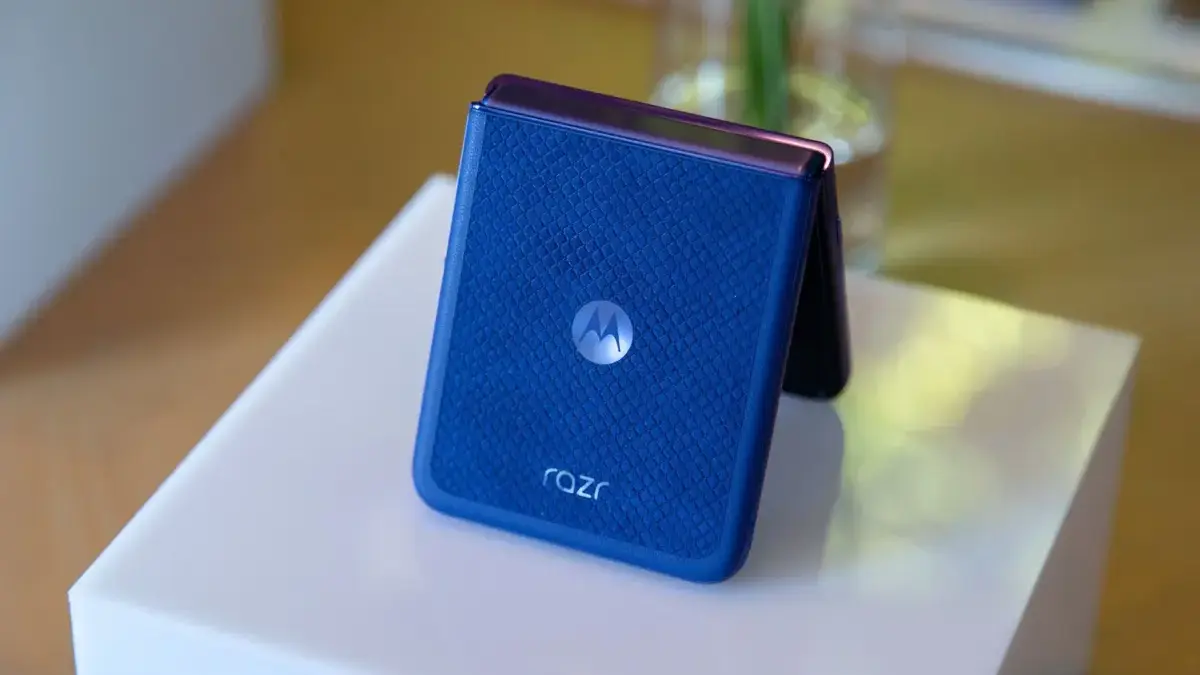
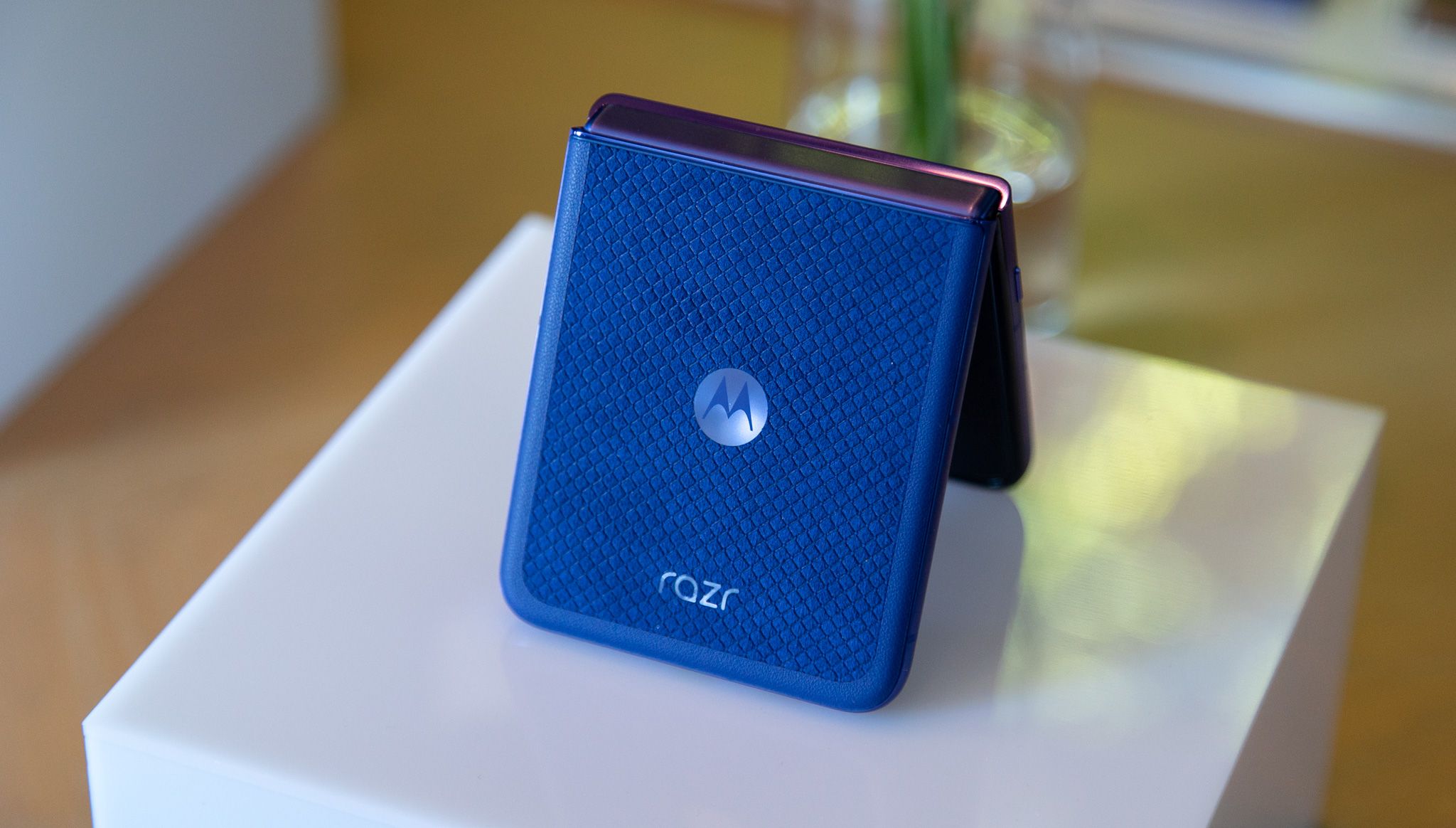
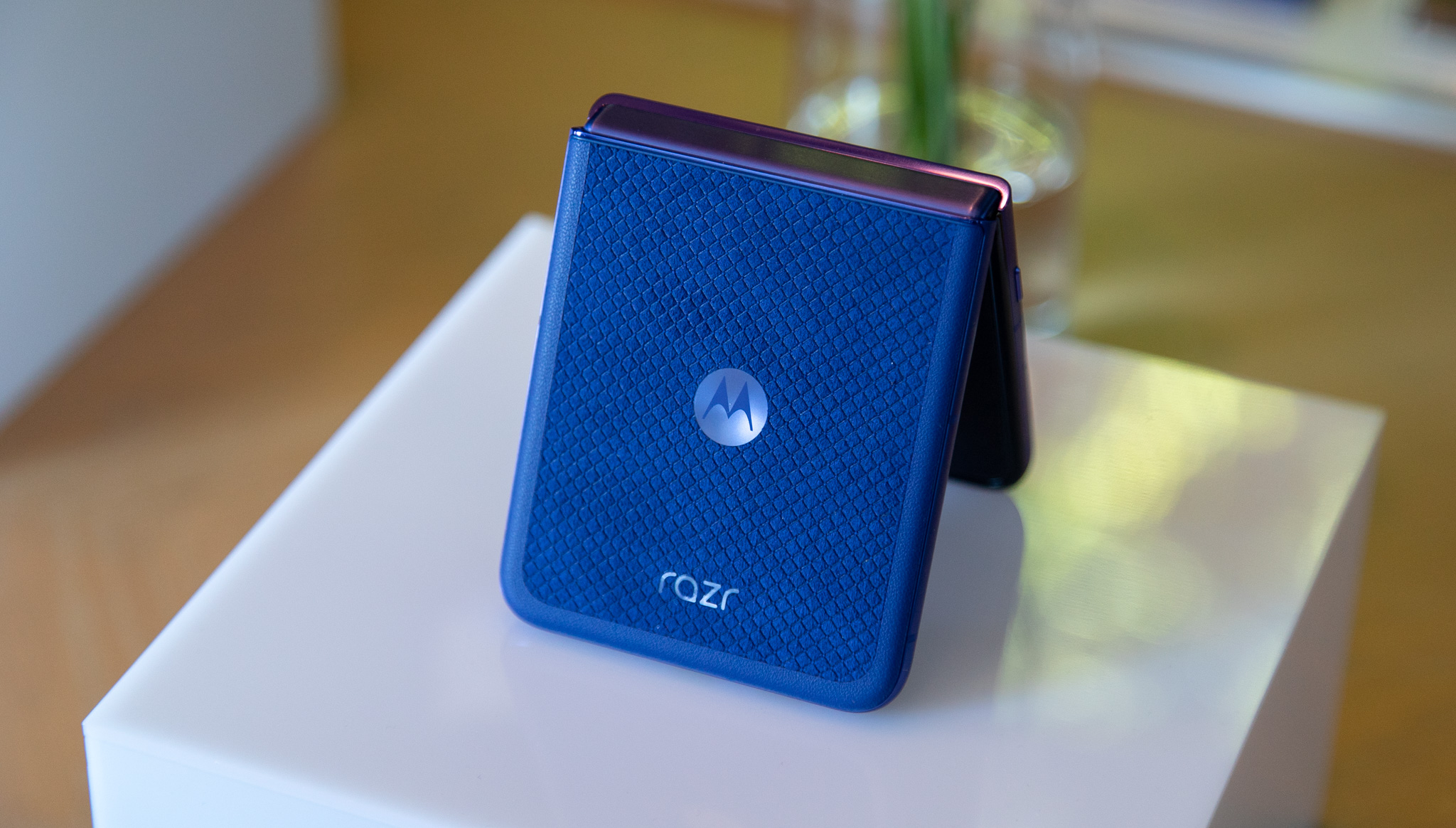
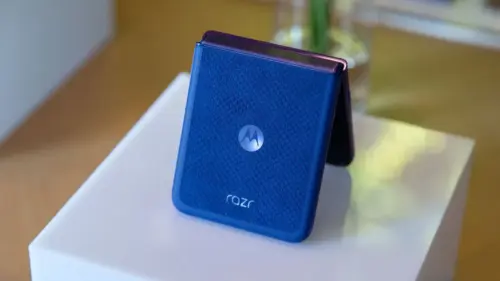
Owners of Motorola’s latest flagship foldable in the United States have reason to celebrate, as the long-awaited Android 17 operating system update begins making its way to devices. Starting today, October 6, users of the Motorola Razr Ultra 2026 are reporting the arrival of the major software upgrade, bringing a substantial suite of fresh design elements, productivity enhancements, and advanced artificial intelligence integrations to the high-end folding smartphone.
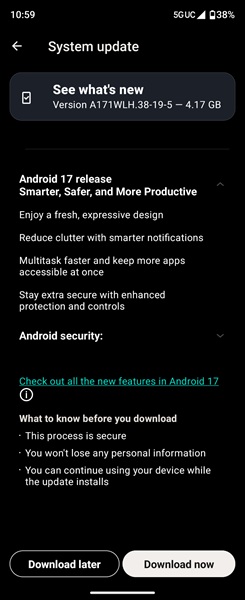
According to early reports received this afternoon, the update is arriving with the specific build number vA171WLH.38-19-5. For users preparing to download the software, the update package carries a hefty file size of approximately 4.1GB, reflecting the extensive nature of the system overhaul. As the rollout progressively expands to cover additional regional carriers and a wider audience of consumers in the coming days, users will be greeted by an official changelog highlighting that the Android 17 release is designed to be "smarter, safer, and more productive."
A Fresh Visual Identity and Refined Customization
While the top-line patch notes briefly tease a fresh, expressive design accompanied by reduced visual clutter, improved multitasking capabilities, and enhanced security controls, the actual scope of the Android 17 implementation on the Razr Ultra 2026 runs significantly deeper. Early adopters exploring the fresh software have uncovered a modernized interface featuring vastly updated system icons, comprehensive themed icon support that adapts to user wallpaper choices, and a thoroughly reorganized Settings page designed to streamline navigation.
Furthermore, the update introduces new high dynamic range (HDR) display settings aimed at giving users greater control over their viewing experience. These new display configurations allow individuals to brighten and expand the color range and clarity of the foldable screens, aided by a dedicated "Intensity" slider that can be easily shifted to the right for heightened brightness or to the left for a dimmer presentation. Subtle quality-of-life adjustments have also been spotted throughout the operating system, including responsive haptic feedback when dismissing notifications—a behavioral touch point previously popularized on Google’s Pixel hardware lineup.
Expanding AI Capabilities and Smarter Controls
Artificial intelligence sits firmly at the heart of this major release, highlighted by long-awaited functionality regarding the device’s physical hardware. According to sources tracking the rollout, the Razr Ultra’s dedicated AI Key finally gains the ability to be remapped via a new double-tap shortcut. Navigating into the AI Key settings reveals a newly added "Double Press" configuration menu, empowering users to select from a variety of system actions, such as launching a Digital Assistant, activating Motorola’s proprietary Qira assistant, or initiating the "Pay Attention" feature.
The software update also introduces "Pause Point," an innovative tool crafted by Motorola to assist users in maintaining focus and minimizing daily digital distractions. Designed with intentional friction in mind, Pause Point will briefly delay the launching process if a user attempts to open an application identified as a frequent time sink, creating a deliberate moment of pause intended to encourage healthier digital choices.
Additionally, the suite of intelligent tools includes new Notification Summaries, which Motorola states are engineered to parse long messages and bustling group conversations to deliver concise, easy-to-read recaps on the fly. The Live Updates user interface has likewise undergone a noticeable visual refresh, drawing inspiration from contemporary mobile design standards by incorporating an iPhone-like "Dynamic Island" aesthetic to display ongoing activities and alerts smoothly.
A Broad Roadmap for Motorola Devices
The arrival of Android 17 for the Razr Ultra 2026 follows a preliminary roadmap outlined by Motorola in August, when the company first detailed its roster of eligible hardware slated for the operating system upgrade. That initial announcement encompassed a broad range of contemporary devices, including the Razr Ultra 2025, the Motorola Razr 70 Ultra, and the Motorola Razr+ 2026, setting the stage for a comprehensive rollout across the brand’s foldable portfolio.
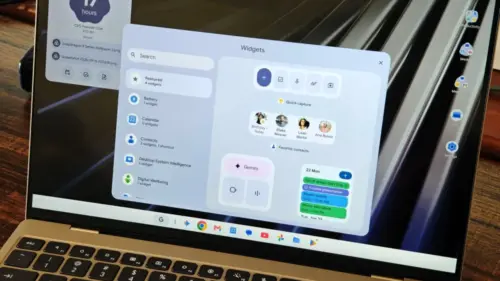
Subsequent feature reveals by Motorola have pointed toward further ecosystem enhancements arriving alongside Android 17, such as stackable widgets, expanded sharing capabilities for connected devices, and the option to hide text labels when utilizing the classic home screen style. Although certain rumored additions, such as "Tap to Send," were anticipated by early testers to arrive immediately with this build, deployment across the broader user base will continue to unfold progressively as carriers complete their final distribution phases throughout the week.

Leave a Reply