
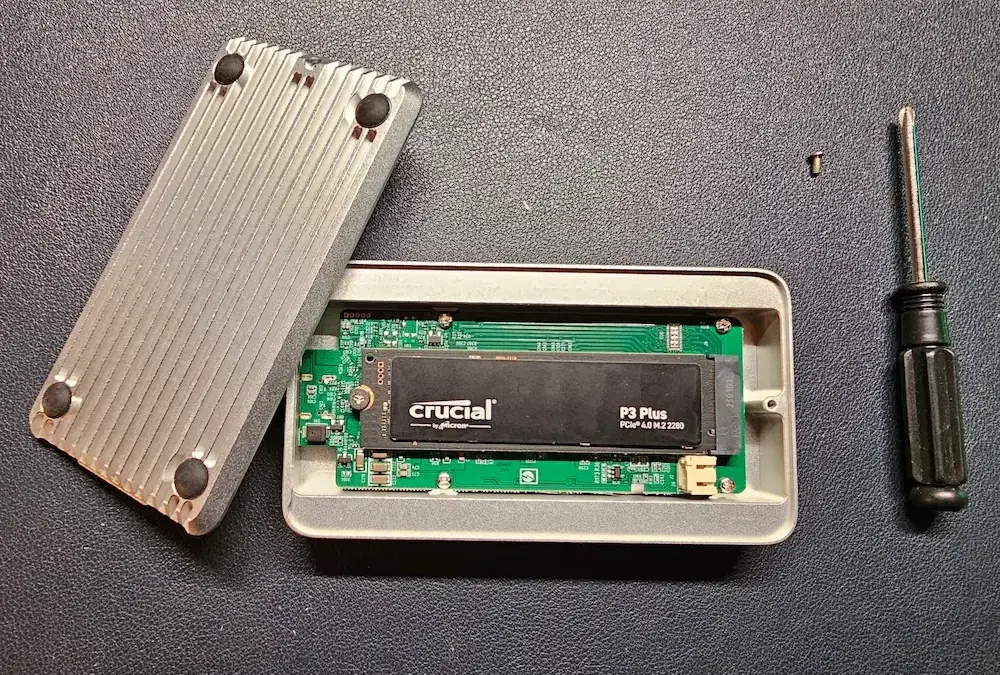
The market for high-performance external storage continues to evolve rapidly, offering consumers increasingly sophisticated ways to repurpose internal solid-state drives. Recently, hardware enthusiasts evaluating options for high-bandwidth data transfer have gained a compelling new choice. Following earlier evaluations of robust storage accessories like the TerraMaster D1 SSD Plus, attention has now turned to the ORICO X50, a premium enclosure designed to leverage the cutting-edge capabilities of Thunderbolt 5 while promising double the bandwidth of previous-generation hardware.
Evaluated thoroughly on an Ubuntu Linux environment, the ORICO X50 delivers a sophisticated blend of form and function. Featuring a sleek, slim aluminum body that is easy to transport, the device ships with a high-capacity 80Gbps cable directly in the box. Crucially for open-source operating system users, it functions seamlessly out of the box on modern Linux distributions, granting full access to NVMe SMART data without requiring complicated workarounds or custom driver installations. During intensive testing, which included a sustained 13-minute write workload, the enclosure successfully managed thermal dissipation, keeping operating temperatures stable in the 60 degrees Celsius range.
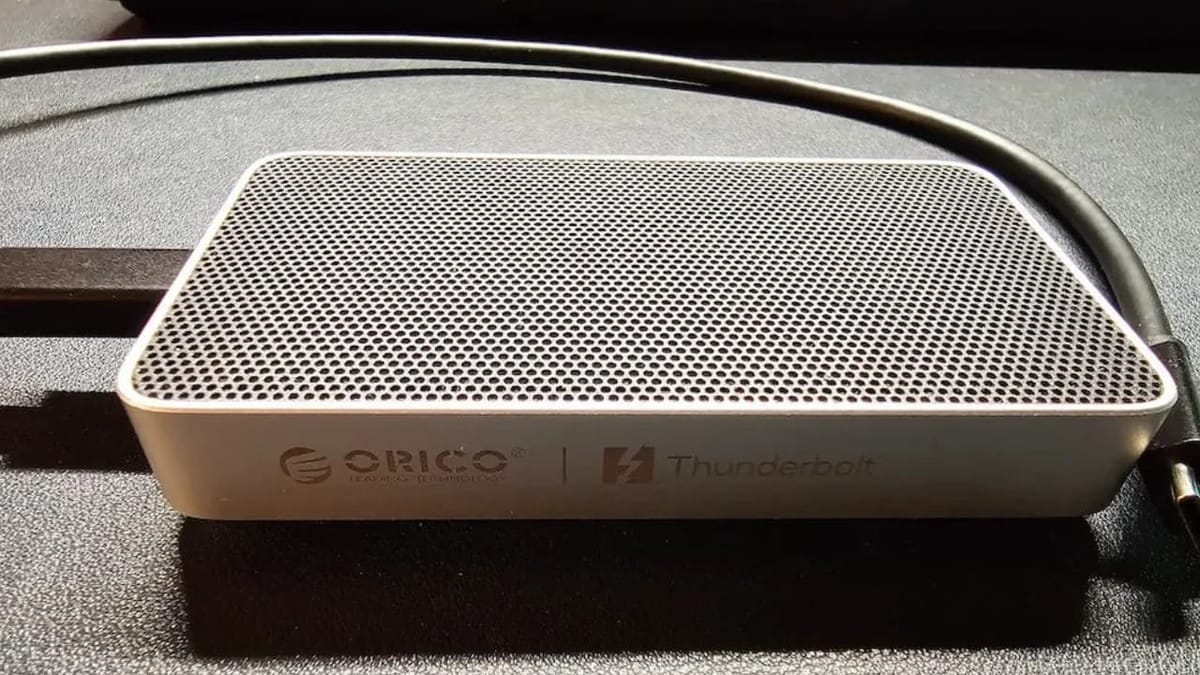
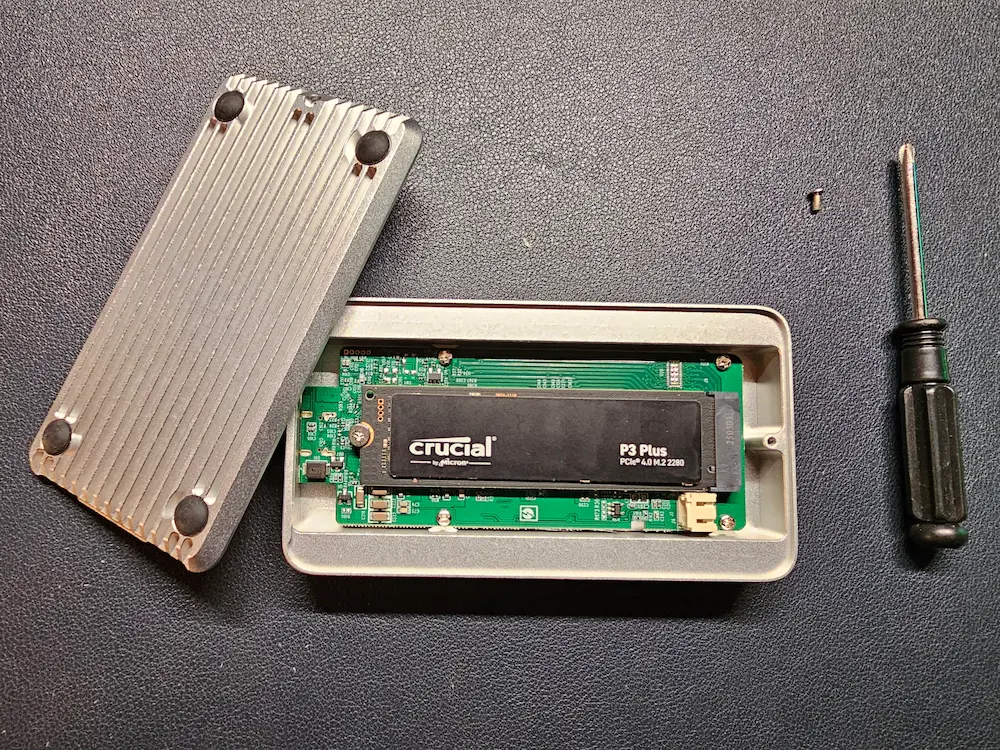
However, prospective buyers must weigh these advantages against certain hardware limitations. The enclosure is strictly compatible with 2280-size M.2 NVMe SSDs, meaning that smaller form-factor drives or pre-attached heatsink models will not fit inside the chassis. Furthermore, its positioning as a next-generation peripheral means it carries a price tag significantly higher than comparable USB4 alternatives, making it a targeted investment for power users and early adopters.
Hardware Specifications and Design Considerations
The ORICO X50 is engineered around the cutting-edge Thunderbolt 5 interface, delivering a rated 80Gbps bidirectional bandwidth while remaining fully backward compatible with Thunderbolt 4, Thunderbolt 3, and standard USB4 connections. In ideal conditions paired with appropriate host hardware, the enclosure boasts rated maximum transfer speeds of up to 6000 MB/s for reads and 5800 MB/s for writes. It accommodates single M.2 NVMe solid-state drives in the 2280 size format, utilizing M Key or B+M Key configurations, with a maximum supported storage capacity of up to 4TB. Recommended drives include high-performance PCIe Gen4 or Gen5 components.

Cooling is handled entirely passively through an aluminum unibody design featuring micro-fins, supplemented by thermal film and thermal paste supplied in the package. Measuring 110 by 60 by 18.7 millimeters and crafted from a robust aluminum alloy, the device is accompanied by a 0.5-meter USB-C to USB-C cable rated for the full 80Gbps specification. Cross-platform compatibility spans Windows, macOS, and Linux operating systems, with the diskless version retailing for $269.99, though ORICO also offers pre-populated configurations featuring 512GB or 1TB drives.
For users utilizing the diskless variant who plan to repurpose existing hardware, paying close attention to the supported SSD criteria is essential. The enclosure exclusively accepts NVMe drives, meaning legacy SATA M.2 modules are incompatible. Additionally, because it strictly requires the 2280 length standard, compact 2230 drives frequently found in handheld gaming devices or stock laptop configurations cannot be utilized. Consumers should also note that connecting the enclosure to older Thunderbolt 4 hosts caps transfer speeds at 40Gbps, while Thunderbolt 3 connections result in further performance scaling.
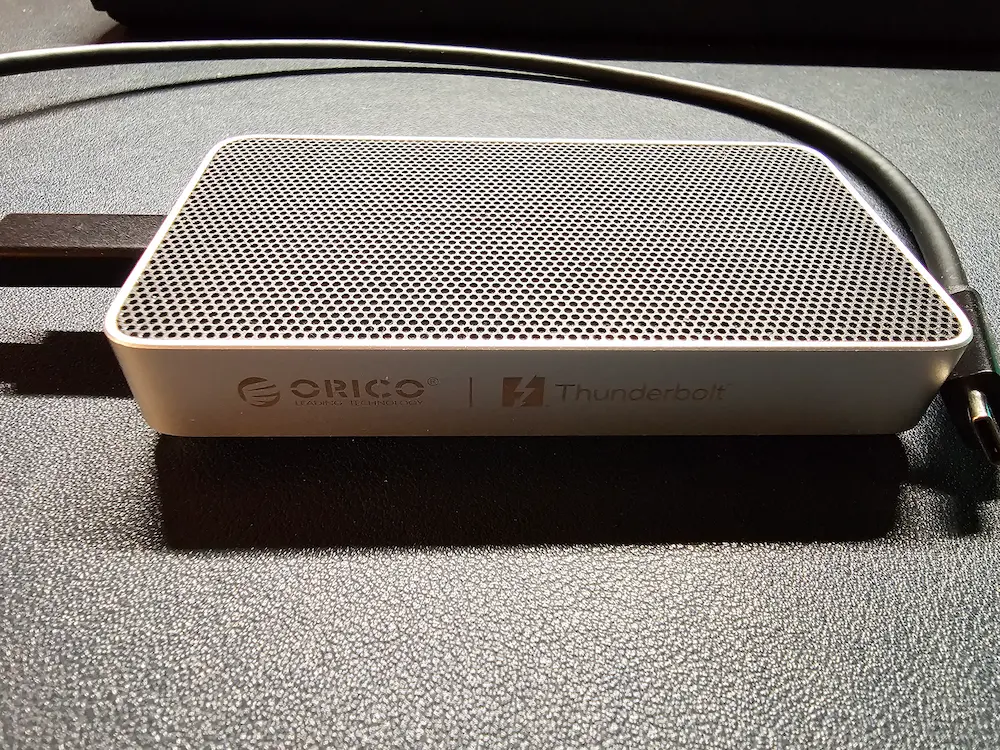
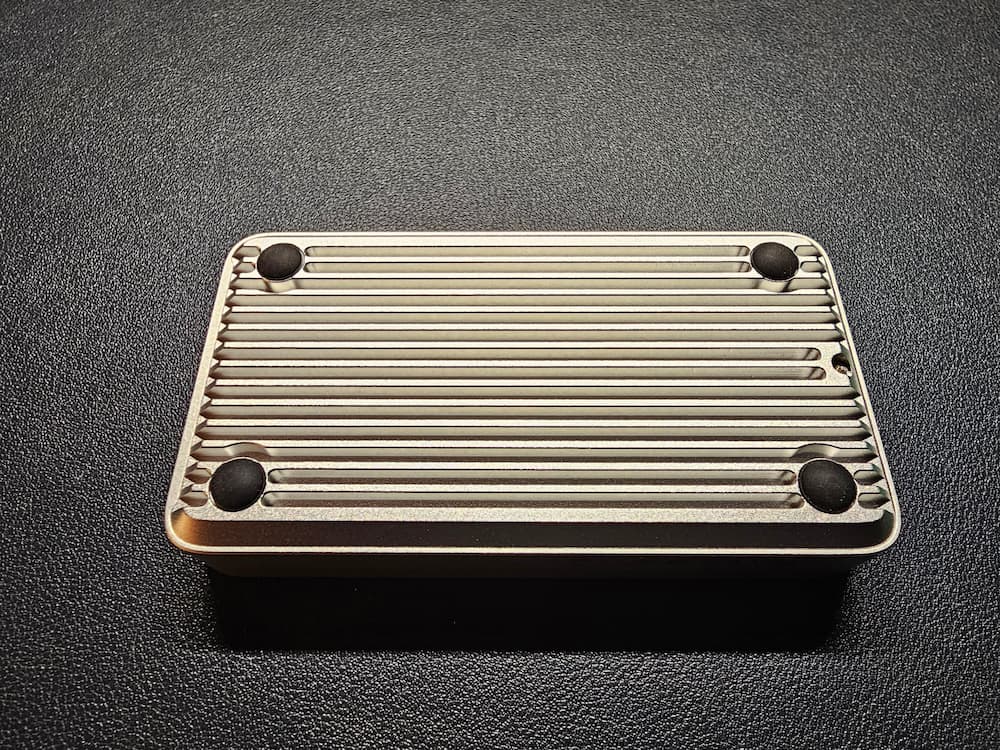
Physically, the X50 presents a noticeably streamlined profile compared to bulkier alternatives like the TerraMaster D1 SSD Plus, slipping easily into standard laptop bag pockets. Its silver aluminum finish provides an aesthetic that complements modern high-end computing ecosystems, mirroring the design language favored by Apple hardware. The underside of the chassis features prominent cooling fins designed to maximize surface area for heat dissipation without relying on active fans, ensuring completely silent operation.
The Linux Plug-in Experience and Technical Integration
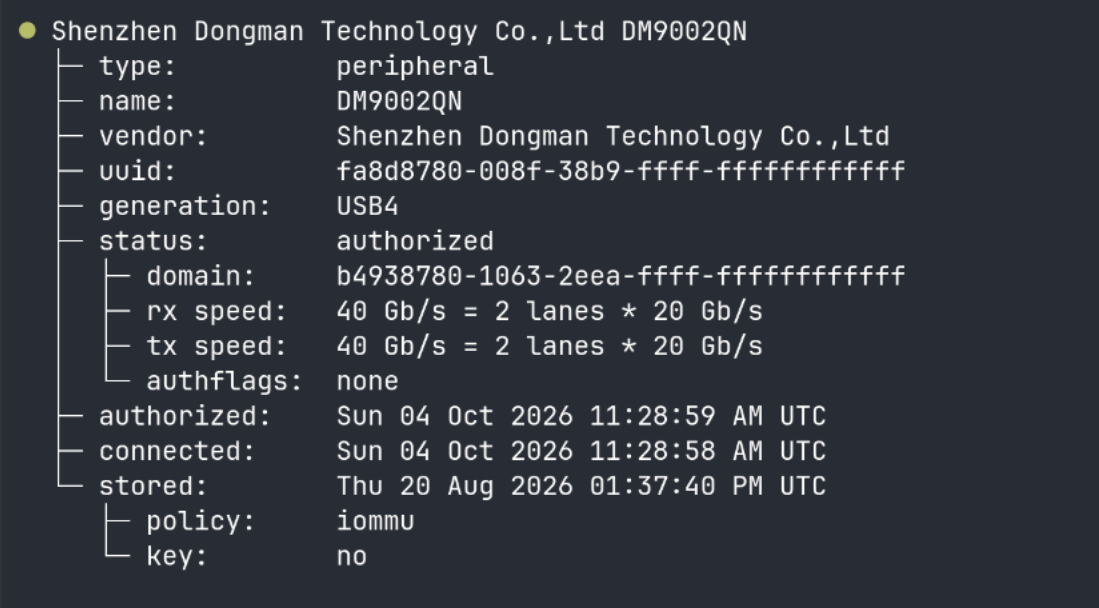
Real-world testing conducted on Ubuntu running a modern Linux kernel demonstrated an exceptionally smooth out-of-the-box experience. Upon connection, the storage medium is recognized immediately, allowing users to format the drive utilizing filesystems like ext4 for immediate mounting without system instability or configuration hurdles. Because the underlying protocol tunnels PCIe directly over the Thunderbolt connection, the operating system registers the hardware as a native internal NVMe device rather than a standard external USB mass storage device.
This architectural implementation yields a significant operational benefit for Linux administrators and enthusiasts: low-level utilities such as the native NVMe smart-log command function immediately. Users gain direct access to comprehensive SMART diagnostic telemetry, including accurate drive temperatures, without needing to fiddle with specialized USB bridge flags or third-party translation layers in command-line tools like smartctl. For a platform where external storage health monitoring can occasionally prove erratic, this native integration represents a major advantage.
Performance Benchmarks and Real-World Limitations
Evaluating storage hardware frequently involves navigating bottlenecks imposed by host infrastructure. Because testing was conducted using a laptop equipped with Thunderbolt 4 ports rather than a dedicated Thunderbolt 5 machine, connection speeds were naturally capped at the 40Gbps ceiling. Consequently, benchmark figures reflect performance achievable on mainstream hardware rather than the theoretical maximums of the 80Gbps standard. Achieving the manufacturer’s rated 6000 MB/s threshold requires both a true Thunderbolt 5 host system and an ultra-fast Gen4 or Gen5 internal drive.
Simulated throughput testing utilizing advanced storage benchmarking utilities alongside practical file copy operations revealed predictable performance ceilings. Sequential read operations reached impressive levels that effectively saturated the limits of the 40Gbps host connection. Meanwhile, sequential write speeds outperformed the manufacturer ratings of the test drive itself, heavily assisted by internal SLC caching mechanisms that absorb initial burst data transfers.
Thermal management during heavy workloads proved remarkably effective. During a prolonged write test involving a massive 250GB data transfer that stretched past thirteen minutes, the operating temperature of the internal drive stabilized comfortably within expected operational thresholds without triggering aggressive thermal throttling. While the sustained write speeds eventually tapered off as the test drive exhausted its high-speed cache and reverted to native flash performance—a standard behavioral characteristic of QLC NAND architecture—the enclosure itself maintained structural thermal integrity. The combination of external cooling fins and internal thermal interfaces successfully prevented heat buildup, validating the engineering behind the passive cooling system.
Comparative Value and Long-Term Viability
When positioned alongside alternative storage enclosures operating on 40Gbps USB4 connections, the ORICO X50 holds its own in daily responsiveness. While direct head-to-head comparisons depend heavily on the specific internal drives installed in each enclosure, the X50 demonstrates competitive sequential read capabilities that highlight the underlying efficiency of its bridge architecture. For users operating on standard Thunderbolt 4 or USB4 machines, the practical performance differences between high-end enclosures may not be immediately noticeable in casual day-to-day file transfers.
Instead, the premium pricing of the ORICO X50 buys a remarkably slim physical footprint, robust build quality, and crucial headroom for future hardware upgrades. For consumers who already own or plan to invest in Thunderbolt 5-enabled computing hardware over the coming years, the enclosure serves as a future-proof investment. Paired with a high-performance TLC-based Gen4 or Gen5 solid-state drive, it delivers the necessary bandwidth and thermal stability to handle demanding professional workflows, massive media editing projects, and rapid data transfers without compromise.



Leave a Reply