
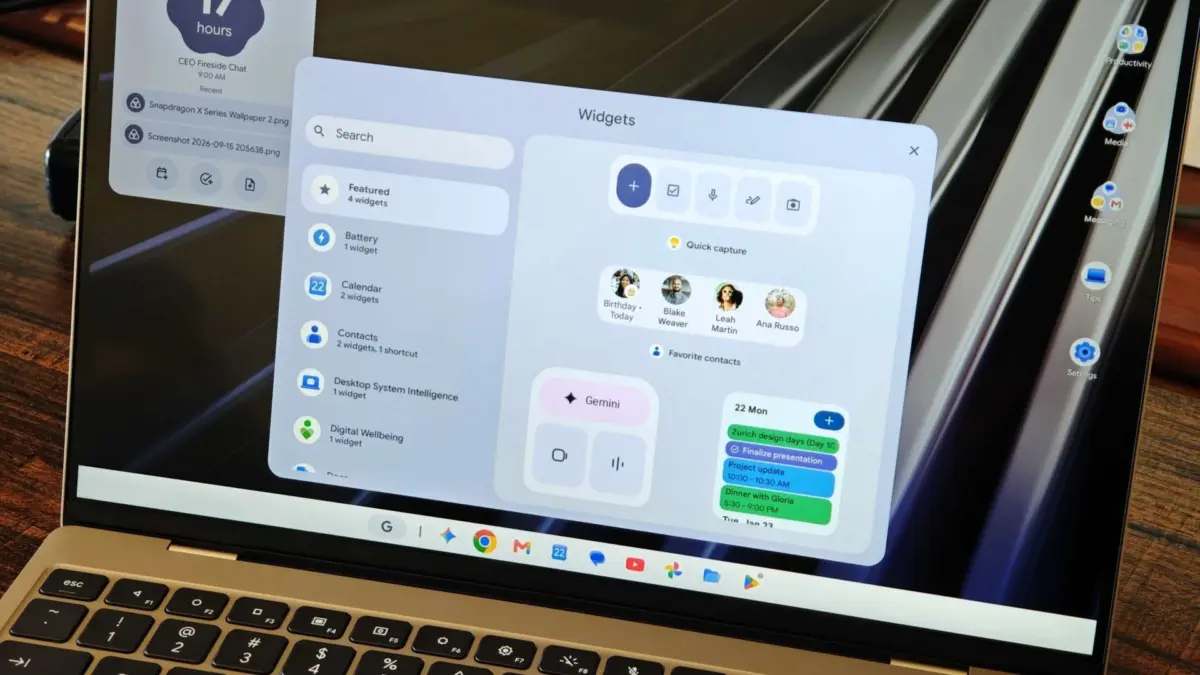
The newly released Googlebook lineup has officially made its way to consumer markets, marking a significant milestone in the evolution of Google-powered laptops following months of anticipation. However, as consumers begin unboxing their new devices, the company behind the hardware has clarified a crucial technical detail regarding software compatibility: not all Googlebooks will run every Android app available through the Google Play Store seamlessly.
The revelation came to light following inquiries made by technology publication Android Authority. Reaching out to Google concerning the Googlebook’s application support capabilities, reporters uncovered that device hardware architecture plays a defining role in how mobile applications perform. Specifically, Googlebooks equipped with Intel processors may encounter performance issues or compatibility hurdles when attempting to run certain complex Android apps and games.
The root of the technical discrepancy lies in how mobile software is traditionally developed. The vast majority of Android applications found in the ecosystem were originally engineered and optimized to run on ARM-based chip architectures, which are standard in smartphones and tablets. Because some laptops in the new Googlebook lineup rely on different processor families, a performance gap has emerged for a subset of demanding software.
Addressing the issue, Google explained that a small handful of complex applications or high-end games require additional developer tuning to operate at their peak performance levels on Intel-based platforms. To mitigate this, the tech giant noted that it is actively collaborating with software developers, as well as hardware partners Intel and Qualcomm, to resolve these compatibility bottlenecks.
Despite these hurdles, the company sought to reassure consumers that the vast majority of everyday Android apps will run smoothly and without interruption, regardless of whether a user purchases an Intel-powered Googlebook or a variant running on Qualcomm hardware. The hardware divide within the current lineup is clear: devices manufactured by Acer, ASUS, and Lenovo are built using the Intel Core Ultra 5 processor, while hardware offerings from HP and Dell rely on Qualcomm’s Snapdragon X Elite platform.
This distinction has raised broader questions within the tech community regarding the nature of software support on modern desktop-mobile hybrids. Industry observers have pointed out that ambiguities surrounding application support—such as whether incompatible apps will fail to install entirely or merely present users with frequent glitches, crashes, and error codes—can create frustration for early adopters.
Industry Reactions and Market Context
The timing of the disclosure has drawn criticism from tech analysts and consumers alike, with many arguing that such limitations should have been explicitly communicated from the very beginning of the product rollout. Pre-orders for the Googlebook officially opened on September 21, following an initial high-profile reveal during a presentation at The Android Show.
The launch represents a major push for Google in the competitive laptop market, with first-wave devices starting at a base price of $899. The hardware suite boasts a variety of modern premium features, including responsive touchscreens, haptic glass trackpads, backlit keyboards, and deep, robust integration for pairing with Android smartphones.
Among the standout software innovations introduced with the hardware is Magic Pointer, a feature designed to fundamentally alter how users interact with desktop cursors. Magic Pointer integrates Google’s Gemini artificial intelligence directly into the mouse cursor, allowing users to summon AI assistance contextually whenever it is needed during their workflow. Recognizing the appeal of this functionality, Google has also begun rolling out Magic Pointer to existing Chrome browser users on traditional Windows and Mac computers, ensuring that the feature extends beyond the newly released hardware ecosystem.
Availability and Retailer Offerings
Consumers looking to purchase a Googlebook can find the devices through the official Google Store, Best Buy, and a variety of other major consumer electronics retailers. To sweeten the launch, the hardware bundles frequently include promotional perks, such as complimentary service trials and other ecosystem-related bonuses designed to encourage adoption.
As the first wave of Googlebooks lands in the hands of everyday users, the focus remains on how quickly developers and hardware manufacturers can bridge the gap between ARM-optimized mobile applications and desktop-class processors. While the vast majority of the Android library remains accessible and functional, the early compatibility friction serves as a reminder of the complex engineering challenges involved in unifying mobile and desktop software ecosystems.


Leave a Reply