
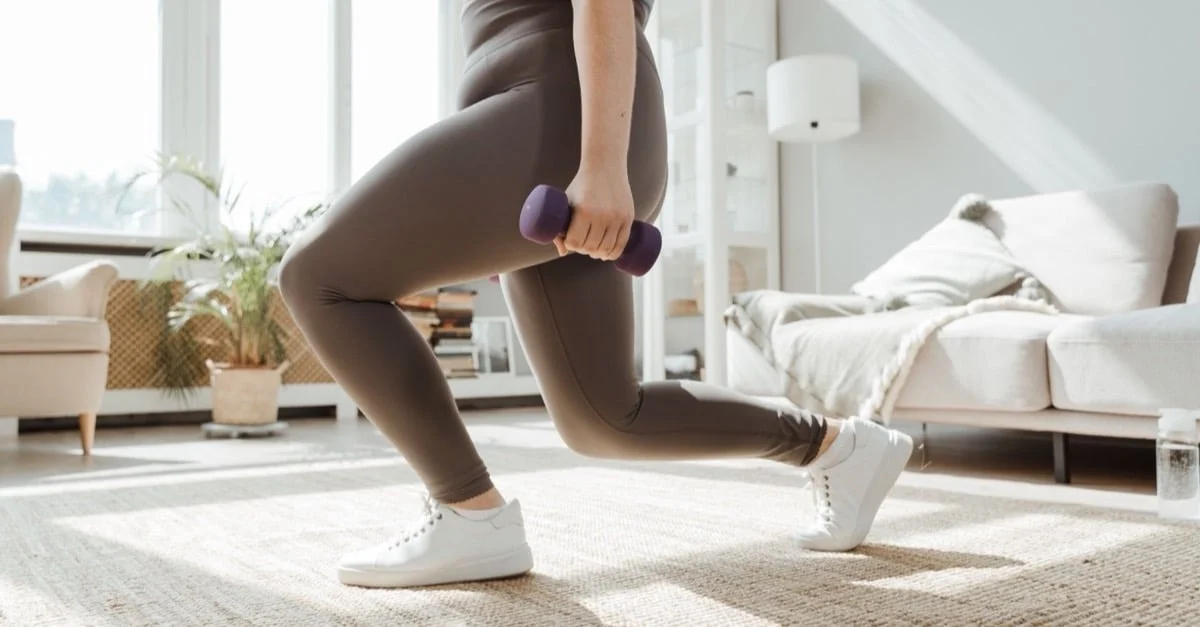
For many women, the barrier to effective home weight training is rarely a lack of motivation, but rather the absence of a sustainable structure. Fitness routines often dissolve not because the exercises are too difficult, but because they are presented as overwhelming lists of disparate movements rather than a cohesive, written plan. Industry standards and expert consensus suggest that a successful home program requires minimalism: a select few movements, a predictable weekly schedule, minimal equipment like a single pair of dumbbells, and a built-in safety net for weeks that inevitably go off track.
Most conventional home fitness programs fail to account for the realities of daily life. Picture a hypothetical scenario shared by many fitness enthusiasts: a pair of eight-pound dumbbells tucked under a bed, a resistance band gathering dust in a kitchen drawer, and three abandoned attempts at starting a routine. What is missing in these scenarios is not another inventory of exercises tailored for women, but rather a clear directive of what to execute on a given day, how to progress by the third week, and, crucially, how to recover during a week when nothing goes according to plan.
The Structured 6-Week Approach
To address these common pitfalls, fitness frameworks designed for home environments often rely on a progressive baseline. The structure typically calls for two training sessions a week for the first four weeks, expanding to three sessions during weeks five and six. Every session centers around five fundamental movement patterns: a squat, a hinge, a push, a row, and a carry. Sets generally range from eight to twelve repetitions, with rows counted per side and carries measured by duration rather than repetition. An entire session takes between twenty and thirty minutes to complete.
To ensure consistency during disruptive weeks, these programs often incorporate a truncated "floor version"—a concise seven-minute session designed for weeks when life intervenes. Rather than skipping workouts entirely or attempting to double up later, individuals can rely on this lighter fallback. The volume of the main sessions increases gradually across the six weeks by adding sets and loads, while the floor version remains constant, ensuring that a difficult week does not bring an unexpectedly heavier workload upon return.
This two-day-a-week frequency aligns with foundational health baselines for adults, which recommend muscle-strengthening activities covering major muscle groups at least two days a week, alongside moderate aerobic activity. The aerobic component is typically fulfilled through regular walking, integrating movement into most days of the week, including lifting days.
Core Movements and Minimalist Equipment
The five foundational movements—squat, hinge, push, row, and carry—collectively engage the legs, hips, lower back, chest, shoulders, upper back, grip, and trunk, fulfilling comprehensive muscle-group engagement requirements. Each movement features household adaptations, meaning a lack of specialized equipment does not prevent an individual from beginning.
The squat pattern can be performed using a dining chair to establish depth and provide support, holding a single dumbbell or working empty-handed with a slow descent. The hinge pattern focuses on pushing the hips backward with a flat spine, utilizing dumbbells or bodyweight to load the posterior chain. Pushes can be scaled from an elevated kitchen counter to a sturdy chair seat and eventually the floor. Rows can be executed using a supported one-arm dumbbell setup or resistance bands secured to a door anchor. Carries involve holding a weighted object—such as a dumbbell, a laundry-detergent jug, or a packed tote—and walking with level shoulders to challenge trunk stability.
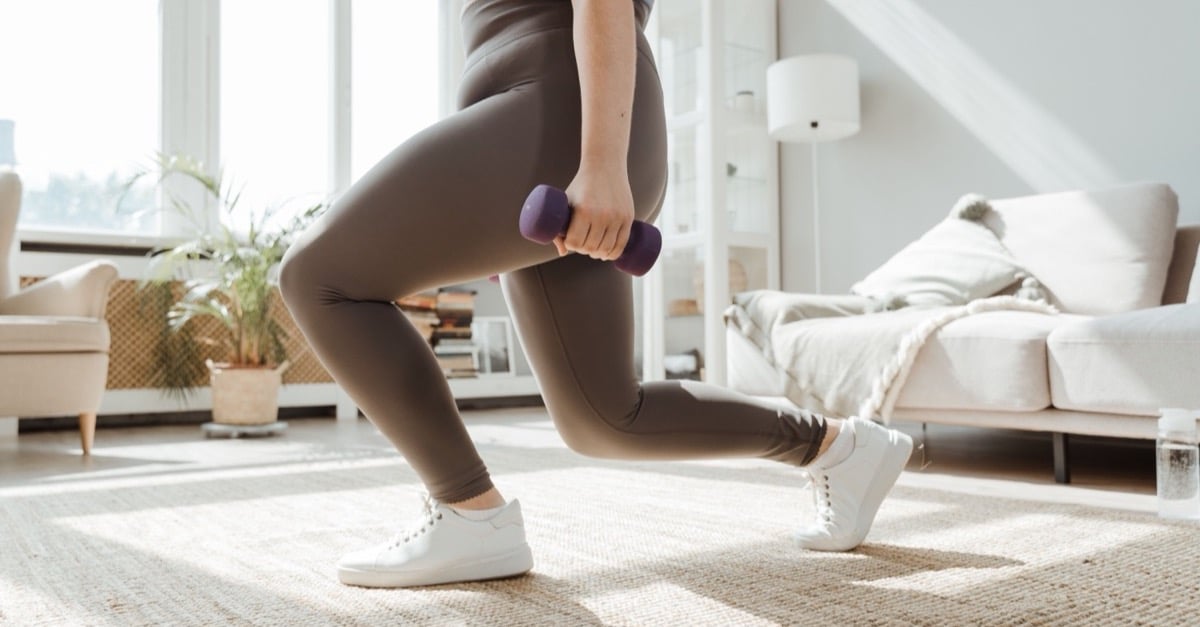
When acquiring equipment, recommendations typically favor starting with a pair of adjustable dumbbells ranging from five to twenty-five pounds, followed by resistance bands. Household items such as water jugs or filled canvas totes can easily serve as temporary substitutes.
Science-Backed Volume, Rest, and Progression
The prescription of eight to twelve repetitions across two to three sets per week mirrors guidelines established by organizations like the American College of Sports Medicine (ACSM) for novice lifters. Research into resistance training indicates that when sets are taken close to muscular failure, moderate and lighter loads can produce comparable muscle hypertrophy to heavier loads, though heavier weights remain superior for maximizing absolute strength. For beginners, a modest initial volume is sufficient to stimulate progress without inducing excessive fatigue.
Regarding rest intervals between sets, studies suggest that varying rest periods—such as sixty seconds versus two minutes—have flexible applications, allowing individuals to use their breath as a natural timer, resuming the next set once they can speak a full sentence comfortably.
Progression is managed through a structured rule: once an individual can comfortably exceed their target repetitions with proper form, the load is incrementally increased. Because home equipment often jumps in larger increments, managing repetitions precedes adding weight. For carries, duration is extended incrementally before moving to a heavier object.
Managing Disruptions and Realistic Expectations
A central challenge of home fitness is the psychological hurdle of returning after a missed session. To combat this, some routines incorporate a "48-hour rule" paired with the aforementioned floor version. If a session is missed, the individual returns within 48 hours to complete the short, seven-minute floor routine rather than attempting to catch up with a grueling make-up workout. This approach prevents minor schedule disruptions from snowballing into abandoned fitness journeys.
Realistic expectations are essential for long-term adherence. Evidence indicates that resistance training yields gradual changes in muscle size over months and years of consistent effort rather than immediate transformations. Furthermore, targeted strengthening exercises do not dictate spot-reduction of body fat, though they contribute significantly to overall strength and functional health. While resistance training can support bone mineral density—particularly when utilizing higher intensities—home routines starting at lower thresholds should be viewed as foundational steps rather than clinical interventions.
Ultimately, sustainable home training relies less on achieving perfection and more on maintaining a resilient structure that accommodates the unpredictable nature of everyday life. By focusing on fundamental movements, manageable time commitments, and a clear protocol for handling disruptions, individuals can build a lasting habit of physical strength within their own homes.



Leave a Reply