
The wearable technology landscape may soon welcome a fresh contender from Google, with newly surfaced images providing a clearer look at the rumored Fitbit Edge. While official details remain sparse, the device appears positioned as a direct successor to Fitbit’s popular midrange Charge line, bridging the functional gap between minimalist fitness bands and full-fledged smartwatches.
The existence of the wearable has been floating around community spaces, having leaked previously on Reddit before catching wider attention through a recent batch of images published by Android Headlines. These fresh visuals offer a solid look at the device’s design language, indicating that Google’s upcoming fitness tracker effectively splits the difference between the more sophisticated Pixel Watch and the lightweight Fitbit Air.

A close examination of the leaked imagery reveals a compact display capable of rendering various glanceable widgets. While the screen provides enough real estate for essential metrics and notifications, it is notably restrained compared to the expansive, continuous displays found on traditional smartwatches. This design choice underscores the device’s core identity as a fitness-first companion rather than a wrist-mounted extension of a smartphone.
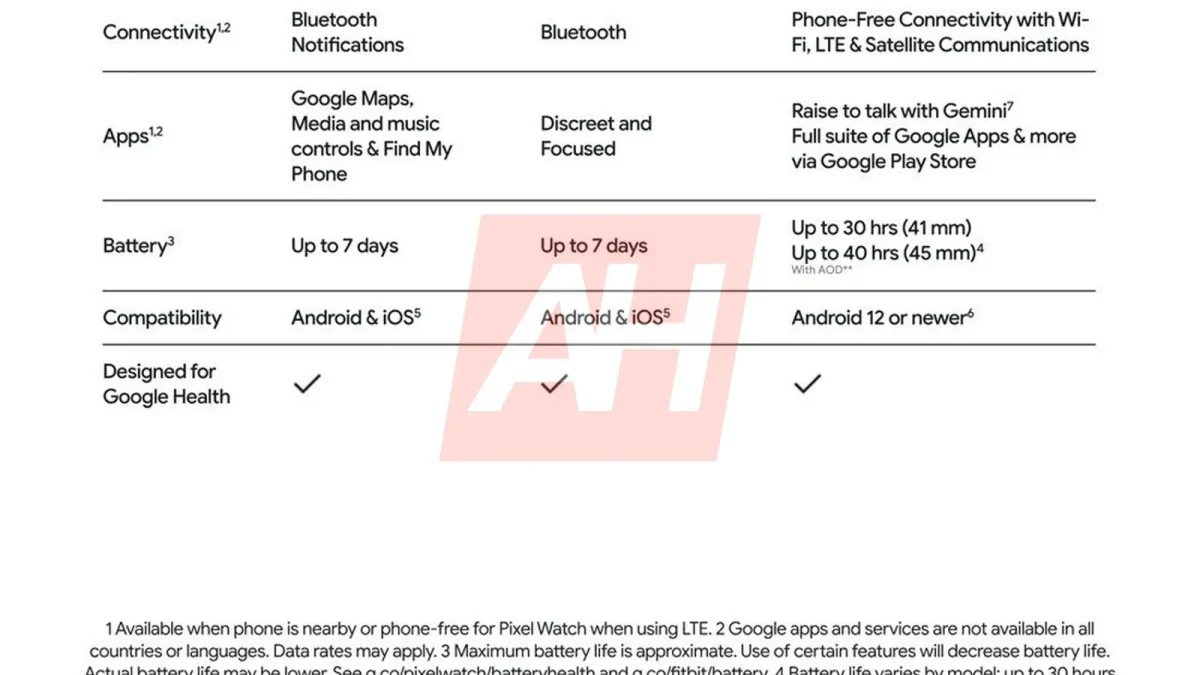
Beneath the physical exterior, the Fitbit Edge is rumored to pack robust tracking capabilities that elevate it well above entry-level alternatives. Sources suggest the wearable will boast an impressive seven-day battery life, a feature that has long been a hallmark of successful fitness bands and a key differentiator from power-hungry smartwatches. Furthermore, the inclusion of built-in GPS and an altimeter means users can track outdoor routes, elevation changes, and distance metrics without needing to tether the tracker to a smartphone. This positions the Edge as a far more capable tool for runners, hikers, and outdoor enthusiasts compared to the minimalist Fitbit Air.
Beyond core health and fitness tracking, the upcoming device is expected to offer limited smart functionality. Leaks indicate support for select Google applications, specifically highlighting conveniences like Google Maps for navigation prompts and YouTube Music for on-the-go audio management. While app support will likely be restricted to maintain optimal battery performance and avoid cluttering the smaller interface, these integrations will offer a welcome layer of utility for everyday wearers.

The broader context of the wearable market highlights a significant gap that the Edge is poised to fill. The Fitbit Charge line, which has long served as a dependable staple for consumers seeking reliable health metrics without the high cost or short battery life of a smartwatch, has remained untouched since the release of the Charge 6 in 2023. With no major updates to that midrange tier in quite some time, a new tracker from Google is not only welcome but long overdue for fans of the ecosystem.
While Google has yet to officially announce a release date or confirm pricing details for the Fitbit Edge, industry watchers can make educated guesses by examining the existing hardware lineup. The minimalist Fitbit Air currently retails at $99.99, while the Pixel Watch series starts significantly higher at $399.99. Given this pricing structure, positioning the Edge somewhere in the $150 to $200 range makes a great deal of strategic sense. For comparison, the Fitbit Charge 6 currently commands a price tag of $159.95, meaning a successor in a similar bracket would preserve Google’s tiered pricing strategy for its wearable portfolio.
As anticipation builds following these latest leaks, consumers and tech enthusiasts alike will be watching closely for an official announcement from Google regarding availability, exact specifications, and final pricing. Until then, the newly revealed images offer a promising glimpse at what could be the next major step forward for Google’s midrange fitness tracking ecosystem.



Leave a Reply