

The cinematic landscape is currently experiencing a notable resurgence of a classic Hollywood staple: the erotic thriller. Headlined by the theatrical release of Verity, the genre that once dominated the box office and the home video market during the 1980s and 1990s is finding new life on the big screen, fueled largely by the cultural phenomenon of BookTok bestsellers.
Verity, starring Anne Hathaway, Dakota Johnson, and Josh Hartnett, brings Colleen Hoover’s popular psychological thriller to theaters. The film follows Lowen, played by Johnson, a struggling writer who is presented with a life-changing opportunity: to ghostwrite the unfinished novel of Verity Crawford, portrayed by Hathaway, who is widely regarded as one of the world’s biggest authors. Upon accepting the assignment, Lowen finds herself living inside Verity’s isolated home and becoming dangerously entangled with her husband, Jeremy, played by Hartnett. The central complication—and the source of the story’s mounting tension—is that Verity lies incapacitated in an upstairs bedroom, left immobile following a severe accident.

The film’s arrival is a welcome addition to the erotic thriller canon, a genre with a rich and provocative history in Hollywood. Originating in classic film noirs that relied on hidden subtext, femme fatales, and hard-boiled detectives, the erotic thriller eventually brought all of that underlying tension completely into the open. During the 1980s and 1990s, these films drew theatergoers in massive numbers. Their theatrical heyday conveniently coincided with the explosive growth of the VHS rental market, turning stylish, suspenseful adult dramas into massive financial hits at home as well.
While the elements of the genre eventually spilled over into other categories of filmmaking, the erotic thriller is now experiencing a significant commercial and cultural boom. This modern revival is aided in large part by BookTok bestsellers like Verity and upcoming adaptations such as The Housemaid, which successfully introduce the genre’s signature tropes, manipulations, and romantic danger to an entirely new generation of audiences. For viewers who have already experienced Verity on the big screen and are eager to explore films that deal with similar themes, obsessions, and domestic betrayals, a look back at the cinematic history of the genre provides a comprehensive roadmap.
- Rebecca
Rebecca serves as the clearest literary and thematic reference point for Verity. The connection is embedded right in the titles, with both works named after the mysterious, absent woman who casts a long shadow over the protagonist. Written by Daphne du Maurier in 1938 and subsequently adapted into one of Alfred Hitchcock’s finest films in 1940, the classic story follows an unnamed young woman, played by Joan Fontaine, who is swept into a whirlwind romance with Mr. de Winter, an older and exceptionally wealthy man played by Laurence Olivier.
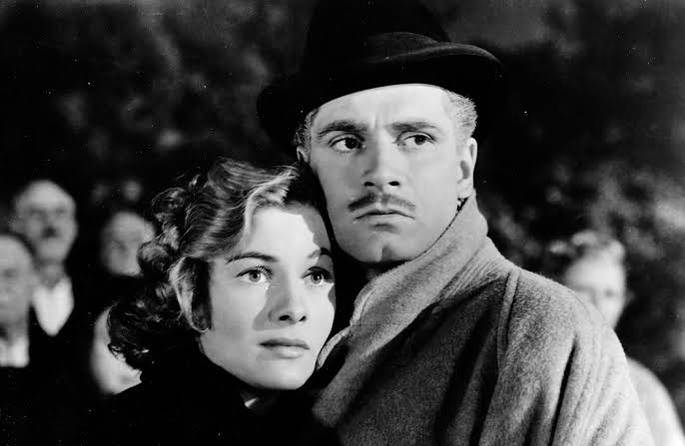
When he proposes, Mr. de Winter rescues the young woman from a life of financial precarity and social subordination, transforming her from the paid companion of an insufferable socialite into the mistress of Manderley, a breathtaking coastal manor. The psychological hurdle arises from the legacy of Mr. de Winter’s first wife, the late Rebecca, whose immaculate taste, commanding presence, and dark secrets continue to haunt every physical corner of the home and torment the new bride’s sense of self.
- Les Diaboliques
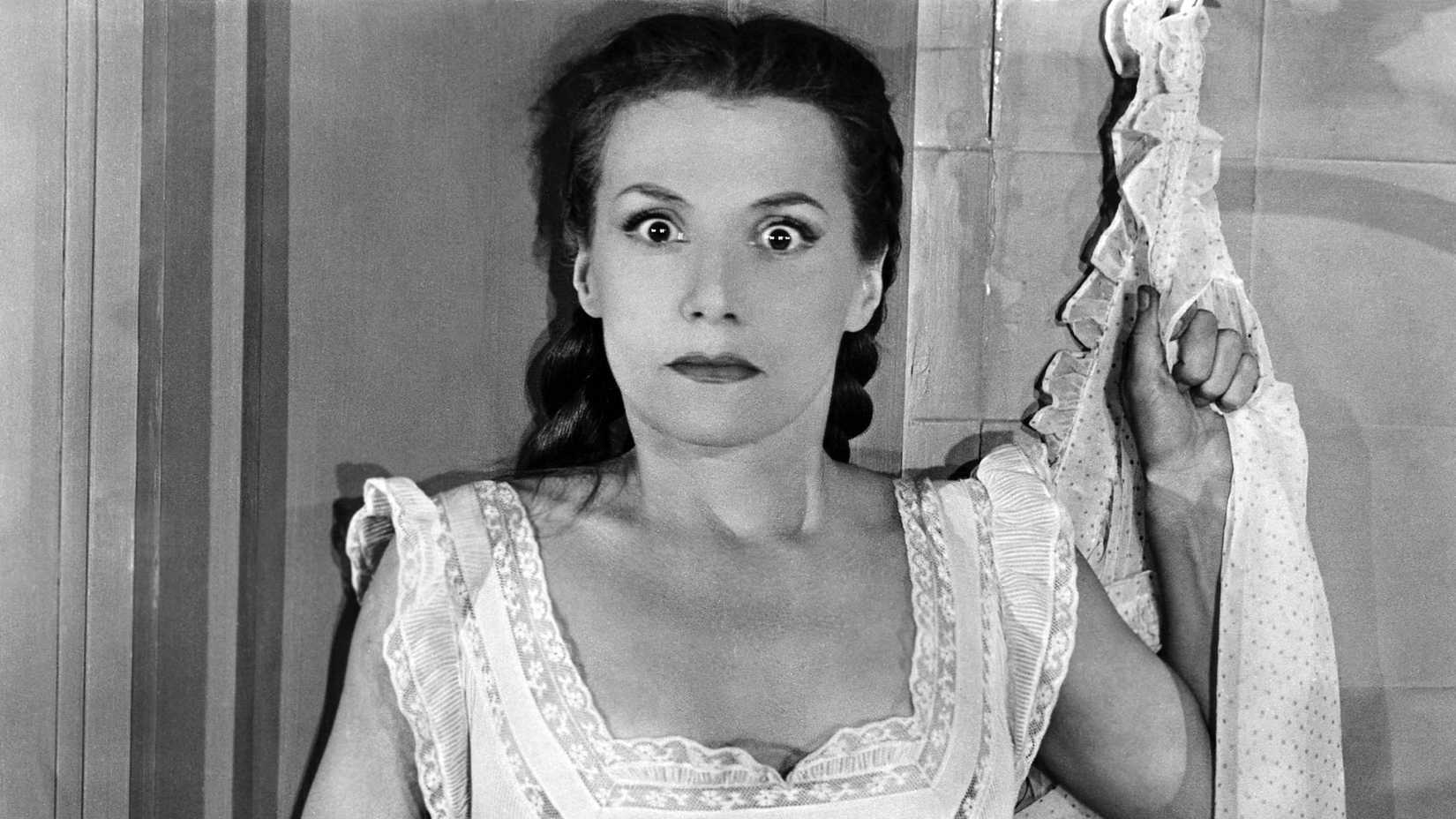
Released in 1955, Les Diaboliques is a French masterpiece packed with startling narrative twists and heavy sexual undertones, establishing itself as a crucial precursor to the modern erotic thriller. Directed by Henri-Georges Clouzot, the plot centers on a tense and destructive love triangle involving Michel, the abusive headmaster of a rundown boys’ boarding school played by Paul Meurisse; his fragile wife, Christina, played by Véra Clouzot; and his sharp-witted mistress, Nicole, played by Simone Signoret.
When the two women finally meet and confide in one another, they bond over a shared hatred of Michel’s cruelty and ultimately formulate an elaborate plan to murder him. The chilling story was later remade in the 1990s with a Hollywood cast featuring Sharon Stone, Isabelle Adjani, and Kathy Bates, which brought much of the underlying subtext directly to the foreground while adapting the suspense for contemporary audiences.
- Vertigo
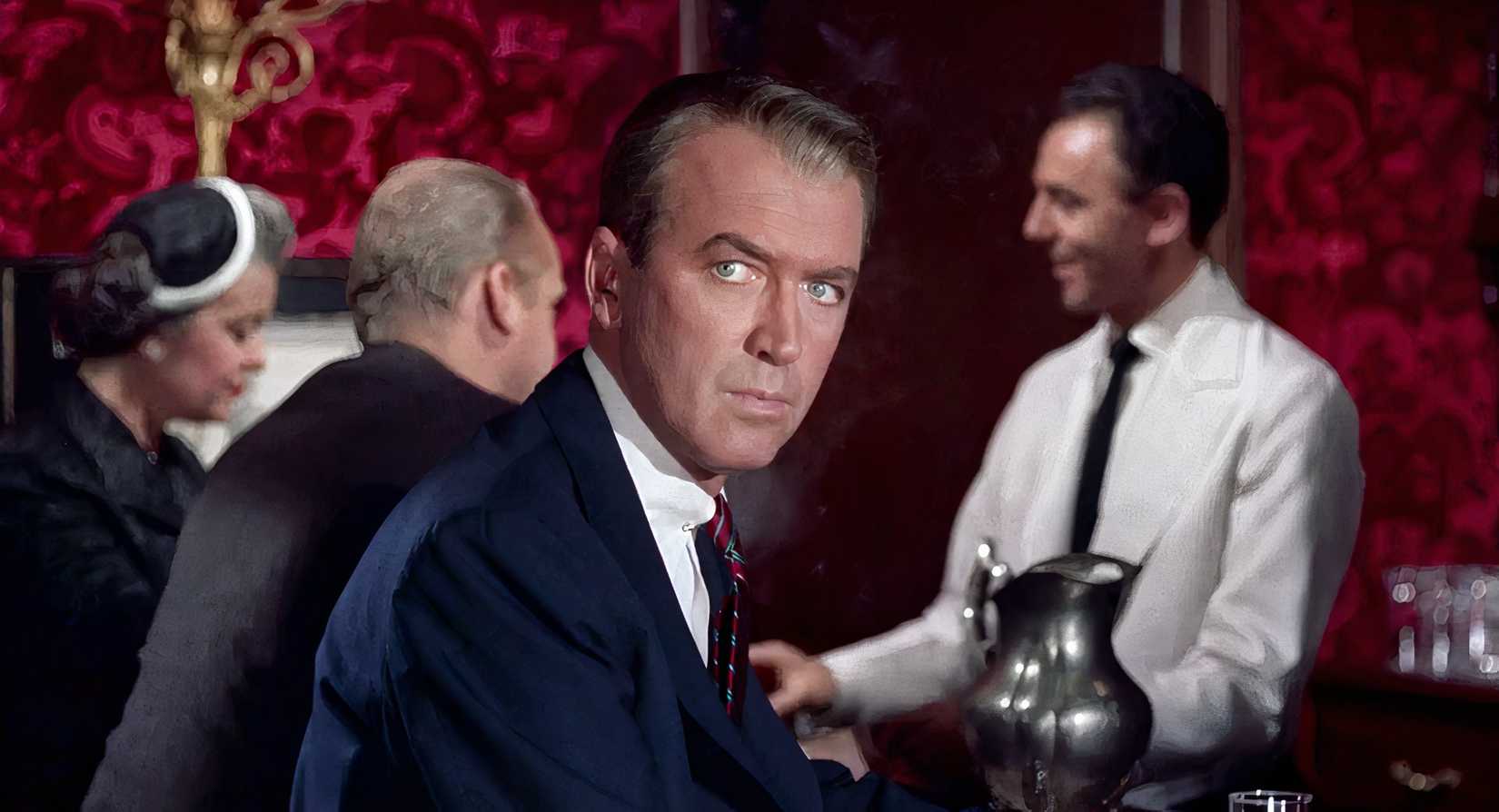
Voyeurism, psychological suspense, and repressed sexuality were foundational pillars of Alfred Hitchcock’s illustrious directorial career. Vertigo, released in 1958, stands as one of his most celebrated and analyzed achievements. The film follows Scottie, a retired police detective played by James Stewart, who is hired by an old college acquaintance to keep a watchful eye on his wife, Madeleine, played by Kim Novak.
Scottie’s friend claims that Madeleine has been suffering from severe melancholy and appears to be possessed by the spirit of a dead ancestor, raising fears that she might attempt to take her own life. As Scottie begins following her through the hills, missions, and coastal vistas of San Francisco, he gradually develops a consuming, dangerous obsession with her, ultimately falling directly into an intricate and tragic trap.
- The Hand That Rocks the Cradle
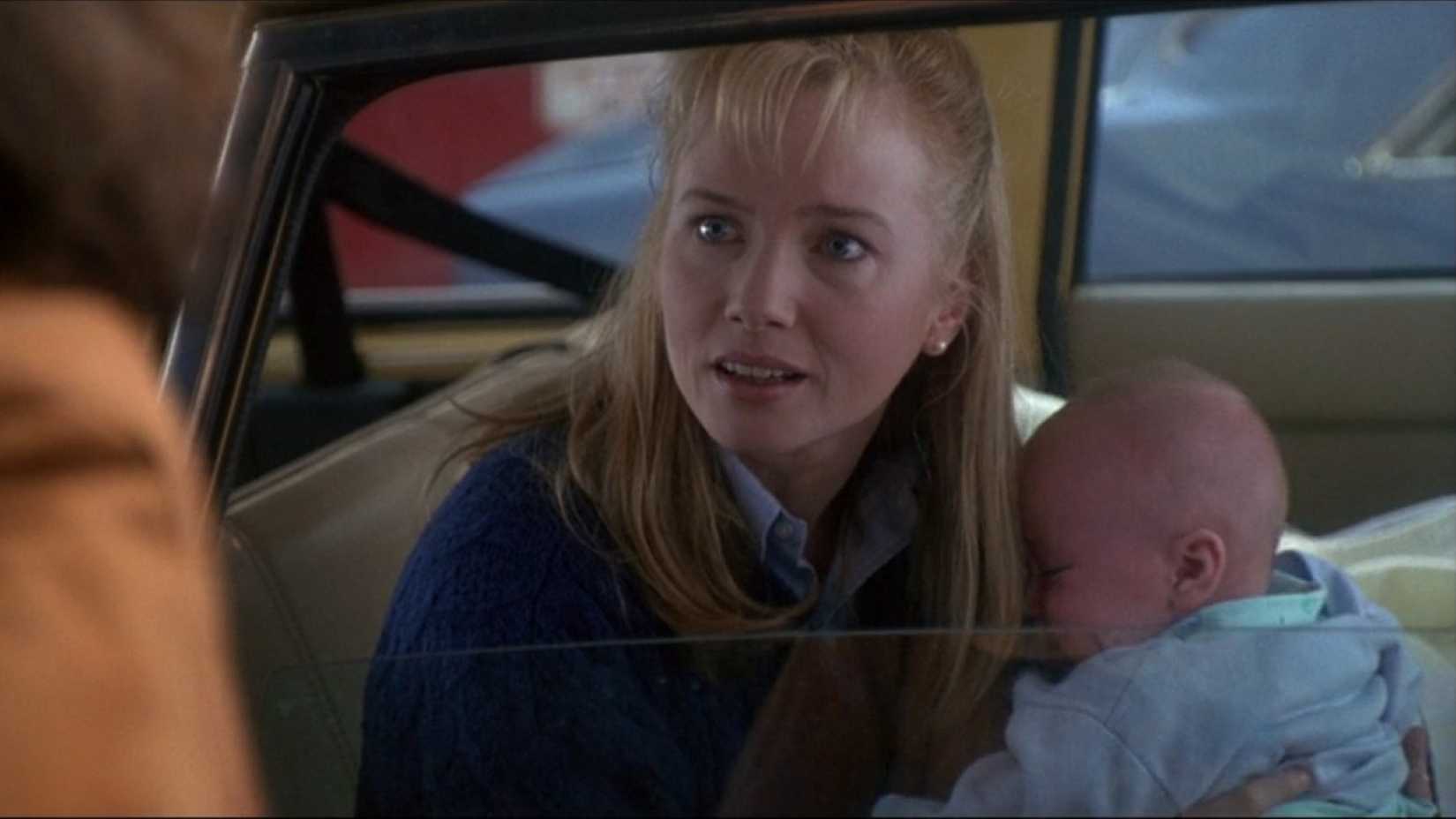
Directed by Curtis Hanson, The Hand That Rocks the Cradle (1992) remains one of the most mechanically twistiest thrillers of its era. Much like Verity, the film centers on a woman with a hidden past who systematically infiltrates the home and life of an unsuspecting family. The narrative begins when Claire Bartel, a young mother played by Annabella Sciorra, bravely reports her obstetrician for sexual abuse, encouraging other victims to step forward with their own testimonies.
The resulting scandal completely destroys the physician’s career, leading him to take his own life and leaving his pregnant wife, played by Rebecca De Mornay, widowed and destitute. Seeking retribution, the grieving widow reinvents herself under the alias Peyton Flanders. She secures employment as a nanny inside Claire’s home, slowly infiltrating the family dynamic by flattering Claire’s husband and embedding herself into the daily upbringing of her children. The thriller also features a memorable, scene-stealing performance from a pre-fame Julianne Moore.
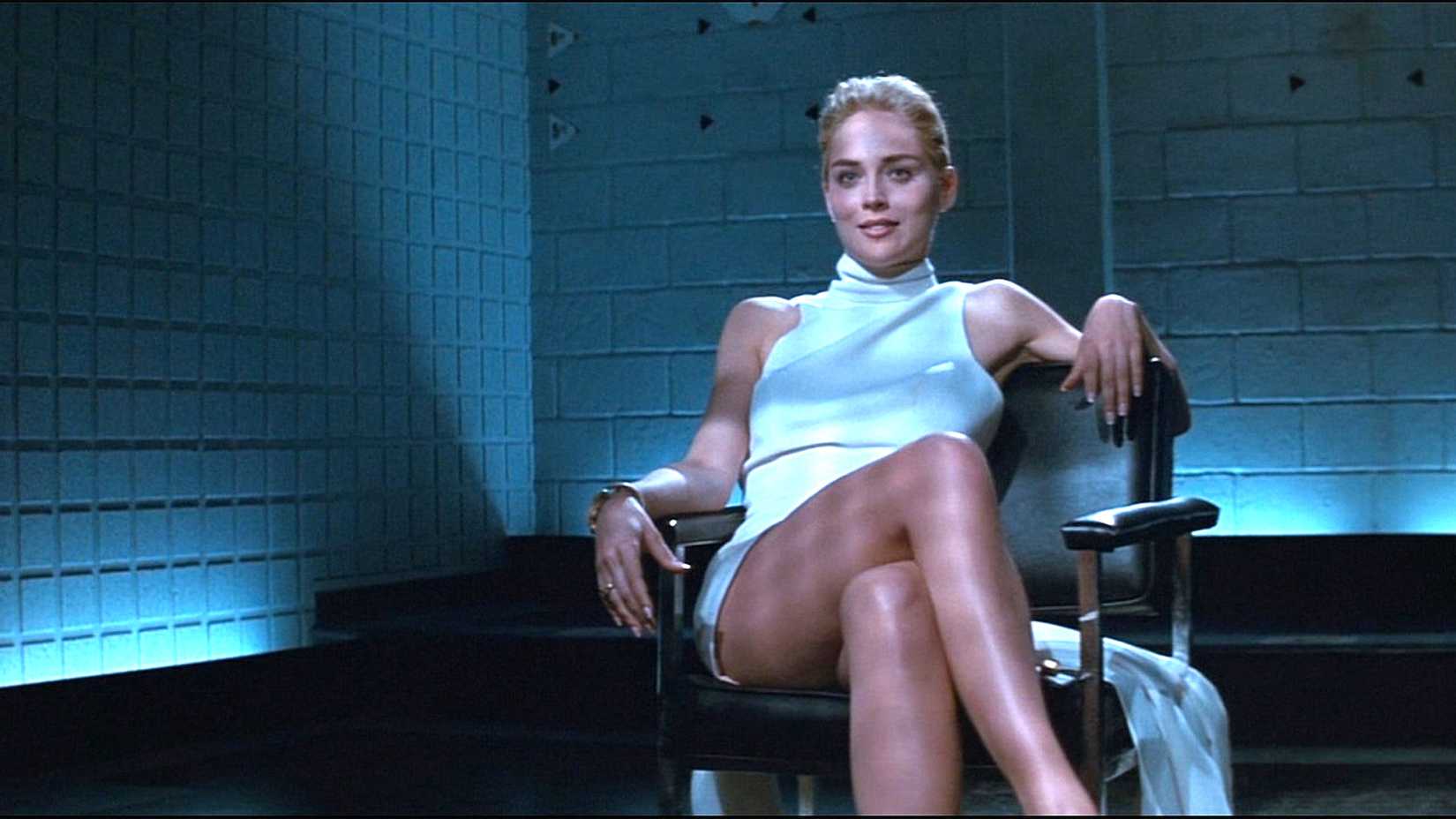
- Basic Instinct
By 1992, the erotic thriller reached its cultural and commercial zenith with the release of Basic Instinct. Directed by Paul Verhoeven, a master of provocation, the film brilliantly synthesizes all the core elements of the genre: a hardened detective, a captivating femme fatale, a voyeuristic writer, sharp homoeroticism, and explicit sexuality.
The story follows detective Nick Curran, played by Michael Douglas, who is assigned to investigate the brutal murder of a rock star killed with an ice pick. The primary suspect is Catherine Tramell, a brilliant and immensely wealthy crime novelist played by Sharon Stone. Catherine was romantically involved with the victim, and her most recent published novel features a fictional murder that mirrors the real-life crime scene almost identically—a narrative setup that fans of Verity will immediately recognize. As the investigation deepens, Nick finds himself unable to determine whether Catherine is actively framing him or if she is entirely innocent. That profound uncertainty, however, does nothing to stop him from entering into a volatile sexual relationship with her.
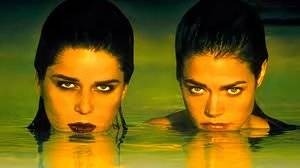
- Wild Things
The discussion surrounding Dakota Johnson and Anne Hathaway sharing an unexpected kiss in Verity—a specific addition to the film adaptation that was not featured in the original novel—highlights the enduring power of cinematic shock value. Few cinematic moments, however, loom quite as large over the history of the erotic thriller as the sensational twists and turns of Wild Things (1998), starring Matt Dillon, Neve Campbell, and Denise Richards.
Set against the sun-drenched backdrop of Blue Bay, Florida, the narrative revolves around two high school students—a wealthy, manipulative cheerleader played by Richards and a rebellious outsider played by Campbell—who jointly accuse a popular school guidance counselor, played by Dillon, of rape. As a local police officer played by Kevin Bacon investigates the explosive allegations, the case unravels to reveal layers of deceit, financial greed, and shifting alliances where nothing is as it initially appears.
- The Talented Mr. Ripley
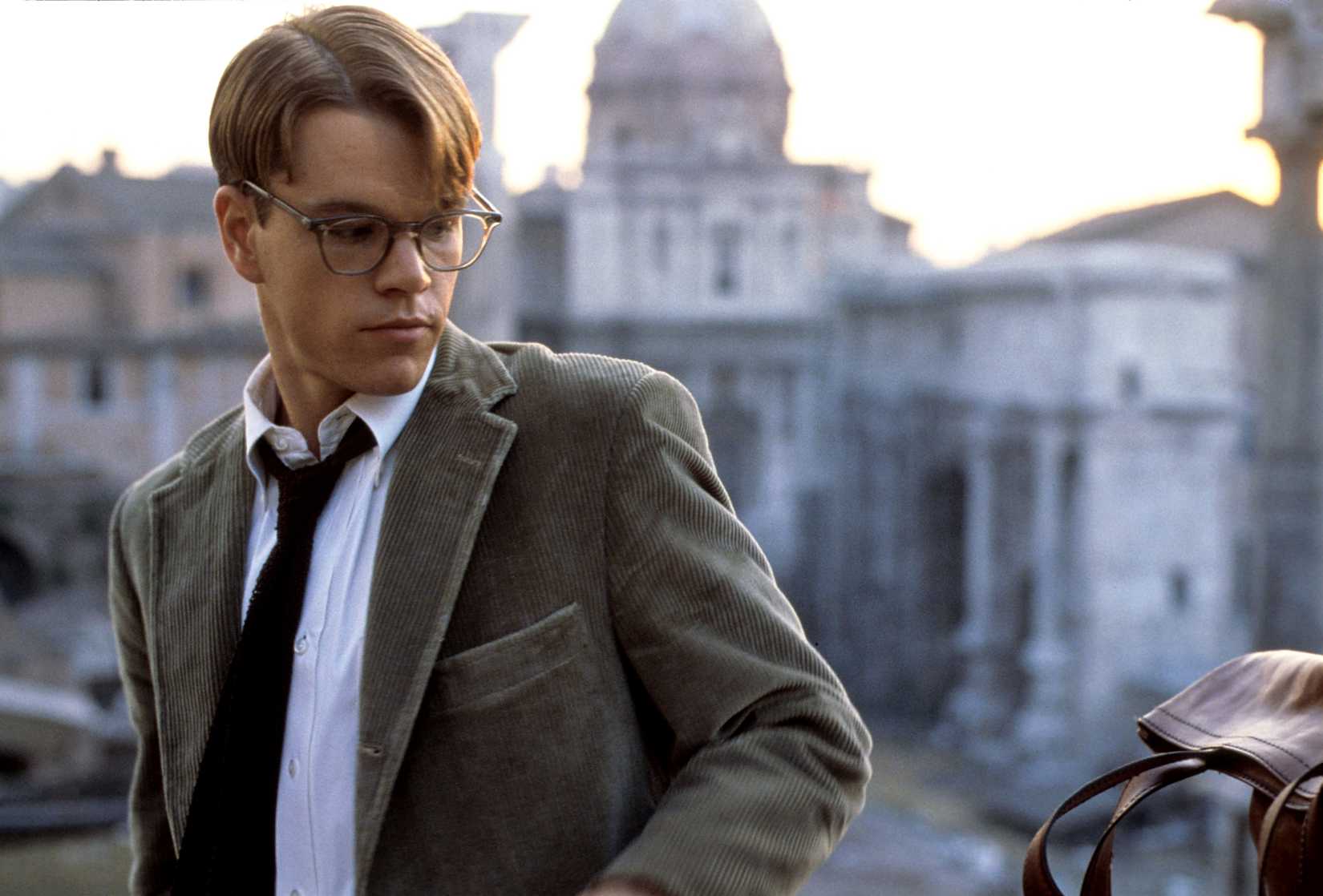
Duplicitous and deeply unreliable protagonists have long driven psychological suspense, and few literary creations match the enduring entertainment value of Tom Ripley, the chilling mastermind brought to life by author Patricia Highsmith. The acclaimed novel has inspired several cinematic interpretations over the decades, but none quite as star-studded or sumptuously photographed as Anthony Minghella’s The Talented Mr. Ripley (1999).
Matt Damon stars as Ripley, a desperate and resourceful American con artist who will stop at nothing to secure the social status, wealth, and sophisticated lifestyle he desperately craves. Through a social misunderstanding, Tom is mistakenly believed to be a Princeton graduate and a former classmate of Dickie Greenleaf, played by Jude Law, a fabulously wealthy American expat living in Italy and the heir to a vast family fortune. Sent across the Atlantic by Dickie’s father under the guise of bringing his wayward son back home to take over the family business, Tom instead uses the opportunity to insinuate himself directly into Dickie’s lavish life, luxury villa, and exclusive social circle. The story spirals into deeper complexity and psychological dread as Tom’s intricate web of lies begins to collapse around him.
- Fifty Shades
While often viewed through the lens of its blockbuster origins, the Fifty Shades film franchise played a pivotal role in the career of Dakota Johnson, paving the way for her eventual casting in thrillers like Verity. Although the 2015 adaptation of Fifty Shades is widely noted for its roots in fanfiction, the film series steadily evolved over its trilogy to borrow increasingly from the stylistic conventions of the erotic thriller.
Starring Johnson as Anastasia Steele, the narrative tracks her intense romance with Christian Grey, played by Jamie Dornan, a fabulously wealthy, controlling businessman with a penchant for BDSM. With each subsequent installment, the plot grows increasingly melodramatic and convoluted, introducing a roster of external threats and narrative obstacles. These range from Anastasia’s obsessive and unstable boss, Jack Hyde, played by Eric Johnson, to Christian’s former business partner, lover, and abuser, Elena Lincoln, played by modern noir icon Kim Basinger. The final two films in the trilogy were directed by James Foley, who lent a soapier, more overtly entertaining genre sensibility to the material.
- Fair Play
One of the most critically acclaimed contemporary entries into the genre is Chloe Domont’s Fair Play (2023), which offers a sharp, modern commentary on contemporary gender politics, corporate ambition, and shifting sexual dynamics. Set within the hyper-competitive environment of a Manhattan hedge fund—a workplace setting reminiscent of classic erotic thrillers—the film successfully updates the formula for a modern audience.
The story follows Emily Meyers, played by Phoebe Dynevor, and Luke Edmonds, played by Alden Ehrenreich, two ambitious analysts who have been carrying on a secret romance while working at the same firm. Having recently gotten engaged, the couple plans to publicly reveal their relationship once Luke receives an anticipated promotion that would elevate him above Emily’s professional tier. The delicate balance of their personal and professional lives shatters entirely, however, when upper management offers the promotion to Emily instead, triggering a downward spiral of professional resentment, bruised male ego, and psychological warfare.
- The Housemaid
Following its run as one of the major box office successes, The Housemaid has cemented its place in contemporary popular culture, paving the way for additional cinematic adaptations of dark, soapy, and unpredictable psychological thrillers. Based on the bestselling novel by Freida McFadden and directed by Paul Feig, The Housemaid stars Sydney Sweeney as Millie, an ex-con who is struggling to rebuild her life and secure stable employment while quietly living out of her car.
When a seemingly perfect job opportunity arises, Millie accepts a position as a live-in housemaid at the luxurious Long Island estate belonging to Nina, played by Amanda Seyfried, and Andrew Winchester, played by Brandon Sklenar. Shortly after moving into the grand home, Millie realizes that the seemingly idyllic family hides a web of dark secrets. Nina proves erratic and cruel, actively attempting to sabotage Millie’s life, but this hostility marks only the beginning of Millie’s troubles. The film shares substantial thematic DNA with Verity, centering on a vulnerable woman who finds herself dangerously entangled within a troubled marriage, slowly learning that within the walls of a wealthy household, no one can truly be trusted.



Leave a Reply