
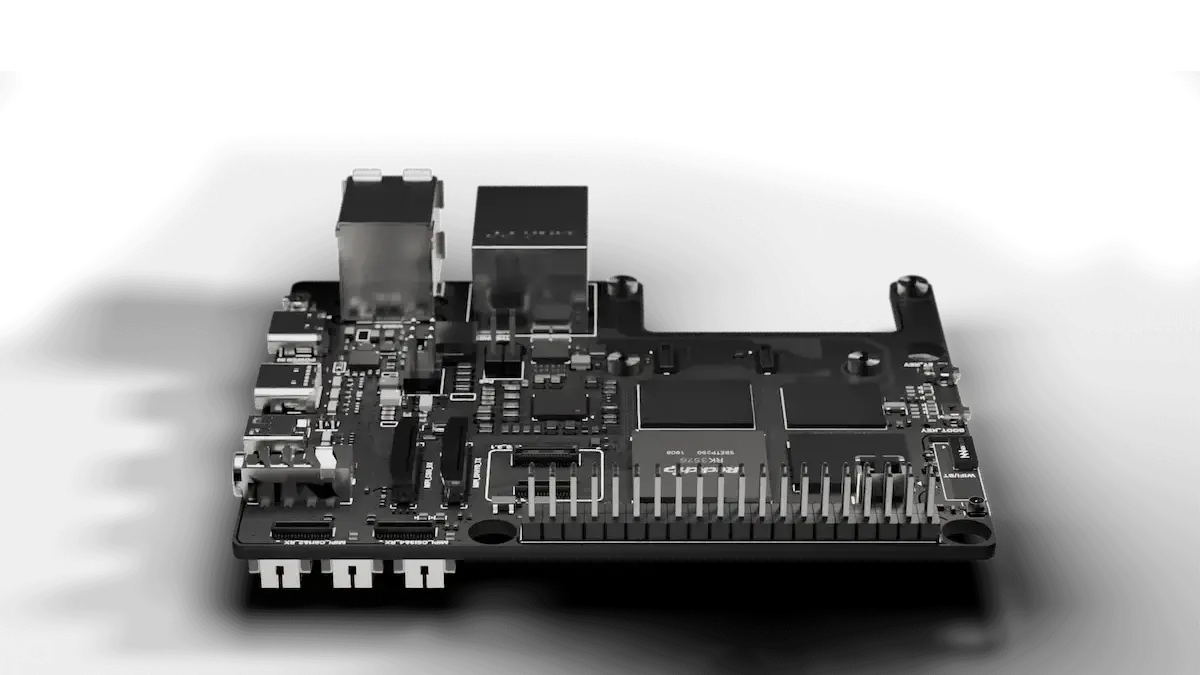
When developers and hobbyists venture into the world of single-board computers (SBCs), the process usually begins with an ambitious vision. A builder might acquire an entry-level board to tackle a computer vision initiative, only to realize that the subsequent project requires advanced audio processing. Before long, a third project demands an extensive array of environmental sensors. Traditionally, satisfying these shifting hardware requirements meant stacking a precarious tower of HATs onto the General Purpose Input/Output header or purchasing an entirely new development board tailored to the next specific use case.
Hardware startup Vicharak is taking a distinctly different approach with the introduction of the Axon-Lite. Rather than forcing creators to swap out their entire computing platform when project requirements shift, Vicharak has designed a tiny ARM-powered single-board computer featuring swappable interface modules. Users can change the underlying interface module to match the job at hand, introducing a form of reconfigurable computing that sets this compact ARM board apart from the crowded field of traditional embedded hardware.
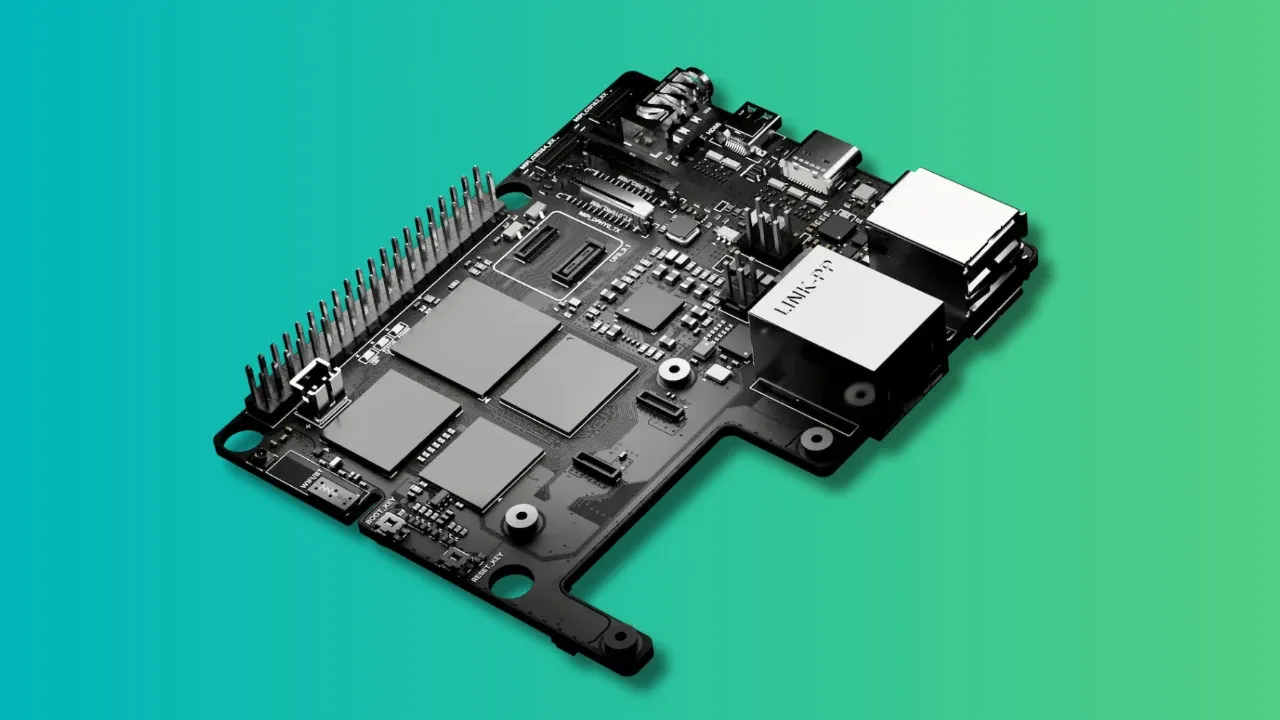
While Vicharak is relatively new to the broader global SBC market, the team behind the hardware is far from inexperienced. The company already offers the FPGA-based Vaaman board alongside its existing RAM-based Axon product line. The newly announced Axon-Lite serves as the smallest member of the growing Axon family, leveraging the company’s prior engineering experience to deliver a specialized tool for edge computing enthusiasts and professional product teams alike.
Axon-Lite Specifications
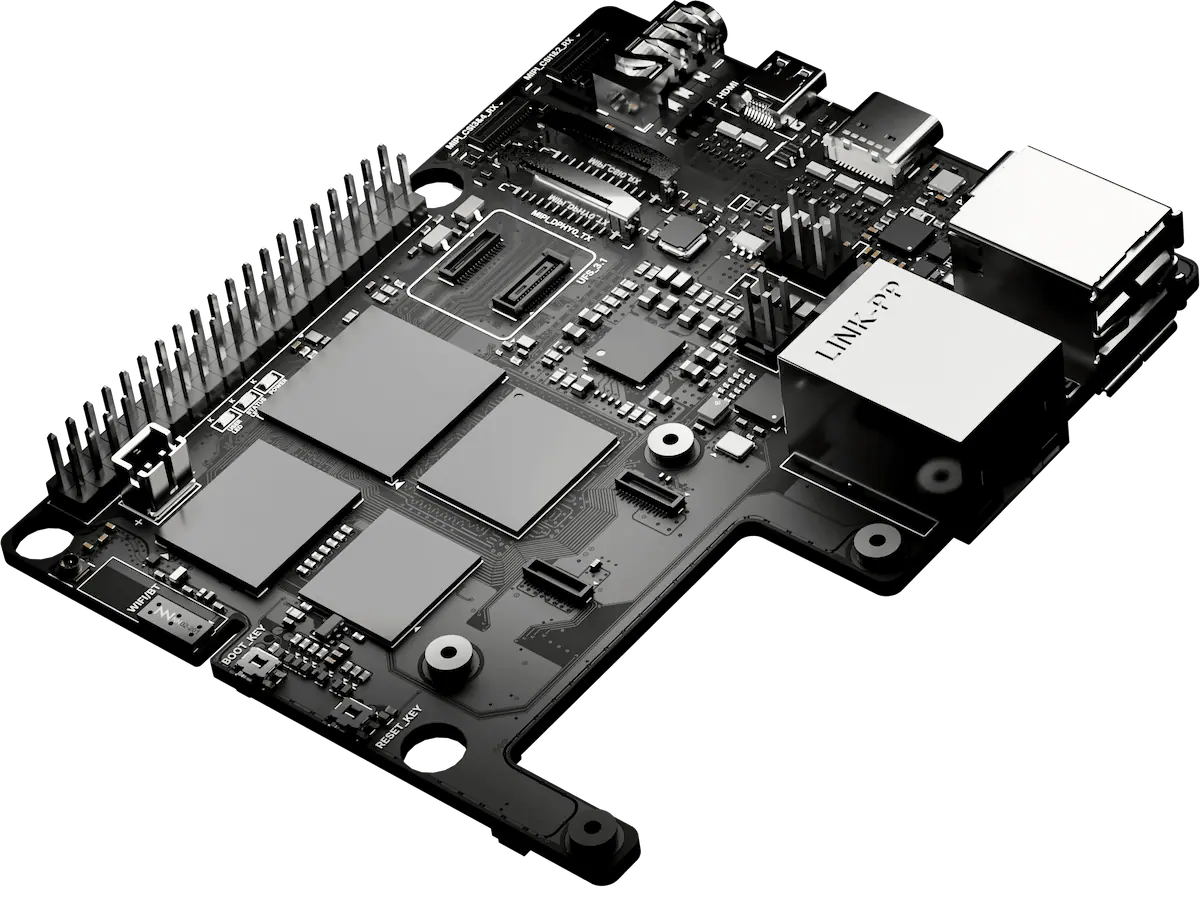
At the heart of the Axon-Lite’s appeal is its emphasis on modularity. The board utilizes what the manufacturer calls a proprietary modular connector interface, allowing users to snap on different interface modules as their project demands evolve. So far, Vicharak has showcased four distinct modules designed for specific workloads: Voice Processing, Smart Sensing, an AI Data Hub, and AI Vision. In addition to these swappable front-ends, the board features board-to-board expansion capabilities, enabling developers to stack a daughter board directly onto the hardware rather than swapping modules entirely.

This modular approach introduces notable flexibility, though industry observers frequently note that a proprietary modular connector is only as robust as the ecosystem of modules officially supported and shipped by the manufacturer. Because the interface relies on a custom design rather than an open standard, users remain dependent on the specific expansion boards and modules offered directly by Vicharak.
Beneath these swappable modules lies a Rockchip RK3576 system-on-chip. This octa-core processor occupies a strategic middle ground in Rockchip’s lineup, positioning itself comfortably above the entry-level RK3566 while sitting just below the high-performance flagship RK3588. This balanced architecture makes the chip a sensible choice for edge computing workloads that require reliable processing power without the thermal and financial overhead of top-tier silicon.
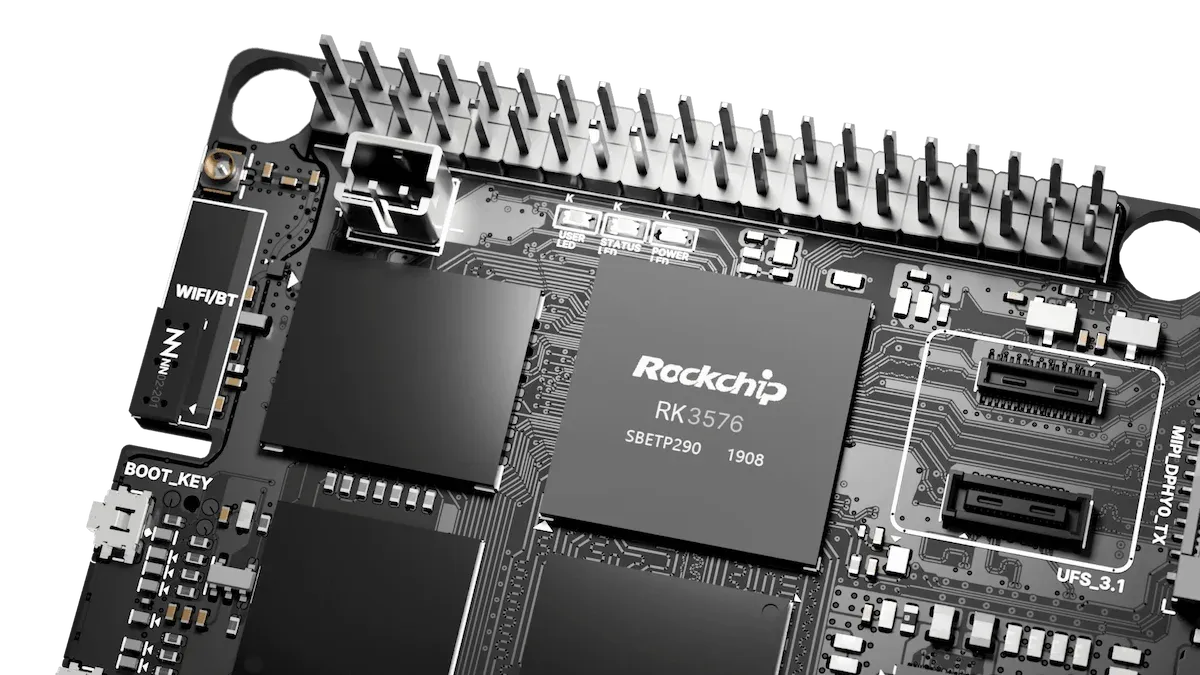
Accompanying the main processor is a Neural Processing Unit capable of delivering 6 TOPS of computing performance. This is the same NPU benchmark found on significantly more expensive RK3588 boards, providing more than enough computational headroom for running vision systems and other local on-device artificial intelligence models without relying on cloud connectivity. Furthermore, Vicharak reports that the underlying System-on-Chip is constructed using an advanced TSMC 5nm manufacturing process, contributing to improved energy efficiency.
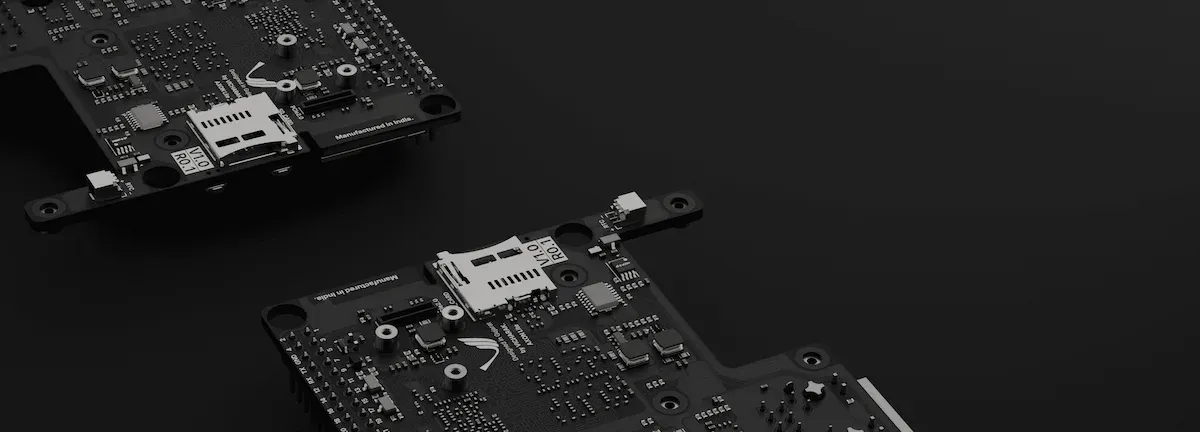
Memory and storage configurations are similarly modern. The board utilizes swift LPDDR5 memory, while storage options offer notable flexibility through integrated support for eMMC 5.1, UFS 3.1, and a standard microSD card slot. The inclusion of faster UFS storage on a single-board computer of this compact physical footprint is a welcome hardware choice that should help mitigate input-output bottlenecks during intensive data logging and AI inference tasks.
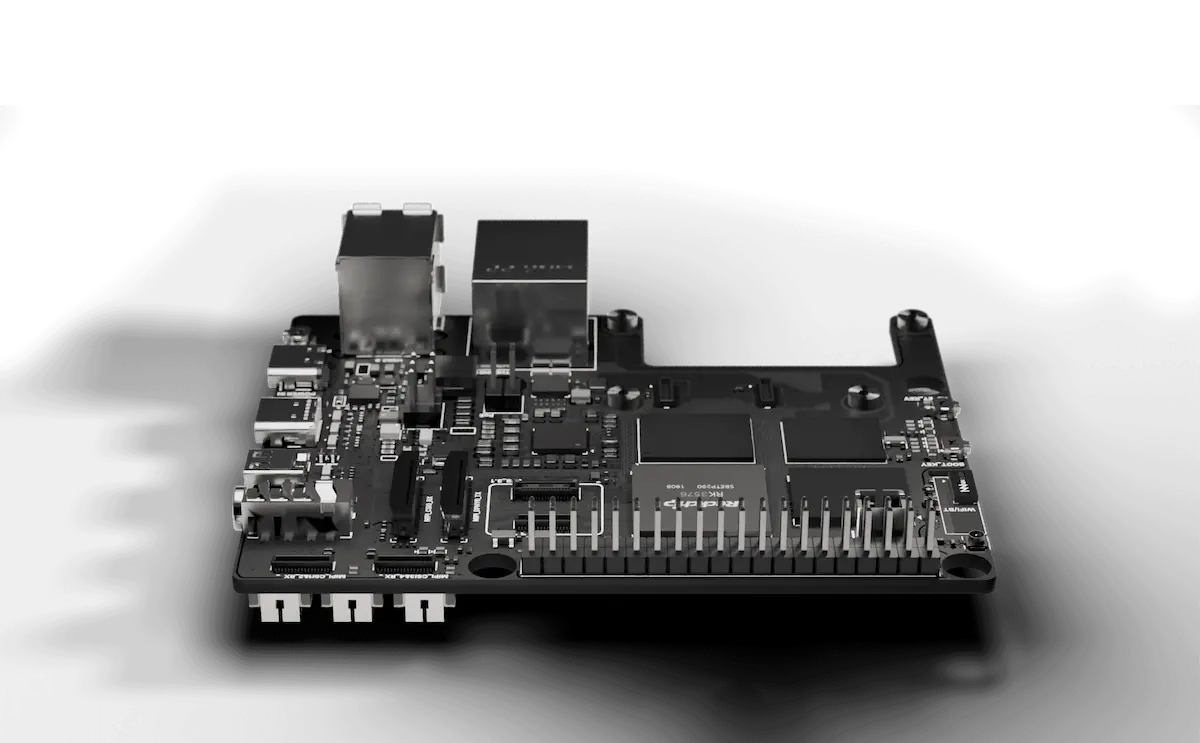
For developers focusing on camera and vision projects, the onboard Input/Output capabilities are generous. The hardware includes a four-lane Camera Serial Interface alongside additional two-lane CSI paths for multi-camera setups, a four-lane Display Serial Interface for screens, a 16-megapixel Image Signal Processor, a micro HDMI 2.1 port, and a USB-C connection with native display output functionality. Network connectivity is modern and comprehensive, featuring Wi-Fi 6, Bluetooth 5.2, and Gigabit Ethernet. Crucially for those transitioning from older prototyping setups, the board retains a Raspberry Pi-compatible 40-pin GPIO header, ensuring that existing add-on boards and standard pinout configurations remain usable. Additionally, Vicharak has included onboard battery charging circuitry, hinting at the board’s viability for portable, untethered mobile and field deployments.
Software and Userbase
To ensure the hardware is accessible out of the box, Vicharak is positioning the Axon-Lite as a strictly Linux-first development board. The software environment is built around a familiar Debian-style distribution, utilizing the standard apt-driven package management workflow that millions of developers already use daily. This design choice ensures there is no exotic or proprietary operating system environment to master.
On the developer tooling side, the platform supports the standard utilities expected in modern embedded development. General software creation is supported through environments and tools such as Visual Studio Code, Git, Python, Docker, and Node.js. Meanwhile, specialized libraries and frameworks catering to the artificial intelligence, robotics, and computer vision communities—including Robot Operating System 2, OpenCV, GStreamer, FFmpeg, Jupyter, TensorFlow Lite, and ONNX Runtime—are fully supported within the software stack.
By combining these standard software workflows with swappable hardware modules, Vicharak is targeting a broad and diverse user base. The platform is designed to appeal equally to engineering students tinkering with embedded electronics, hobbyists building custom automation systems, and professional product development teams prototyping edge AI and machine vision solutions.
Pricing and Availability
The Axon-Lite is currently available for pre-order in two distinct configurations based on memory capacity. The 4GB RAM variant is listed at 15,930 Indian rupees, which translates to approximately $165 USD. The higher-capacity 8GB RAM variant is priced at 18,299 Indian rupees, or roughly $200 USD. According to the manufacturer, initial shipments of the board are projected to begin arriving in January 2027. Prospective buyers are advised to verify international shipping rates and any applicable local customs duties prior to completing their orders.


Leave a Reply