

October 2, 2026
By Alma F.

The boundary between discovering a product and purchasing it continues to dissolve across the digital ecosystem. In an era where social media platforms function as dynamic marketplaces rather than mere communication channels, merchants are increasingly forced to rethink how they present, manage, and scale their digital sales operations. Rather than treating platforms like Instagram, TikTok, Facebook, Pinterest, and YouTube as peripheral marketing tools, modern businesses are integrating them directly into their core sales architecture, allowing consumers to transition seamlessly from passive scrolling to active checkout.

The contemporary buying process varies drastically depending on the platform in question. While certain native shopping setups permit consumers to complete a transaction entirely within a social application, others rely on a hybrid model, utilizing engaging visual content to direct interested shoppers toward an external online store. These underlying technical and structural differences dictate how merchants must manage their product inventories, process checkouts, and evaluate the efficacy of their digital content strategies.

To navigate this complex ecosystem successfully, retail strategists emphasize that businesses must evaluate three critical factors: whether their target audience actively uses a given platform, whether the platform’s native user behavior aligns with how products can be visually showcased, and how effortlessly a consumer can move from discovering an item to finalizing a purchase. Furthermore, an established online selling setup serves as a foundational anchor. When an independent e-commerce store is already operational, social channels act as powerful discovery engines, driving motivated traffic back to a centralized website for detailed product evaluation and payment processing.

Despite the temptation to establish an immediate presence across every available digital network, industry experts recommend starting with a concentrated approach. Managing multiple platforms requires maintaining separate profiles, generating a high volume of tailored content, responding to continuous customer inquiries, and monitoring distinct analytics dashboards. By focusing initial efforts on one or two channels that naturally fit a brand’s specific product category, businesses can evaluate performance and validate sales channels before expanding their operational workload.

Selecting the right platform requires careful consideration of consumer behavior. Audience size alone should not dictate strategy; a smaller, niche platform where users actively search for specialized goods often yields a higher conversion rate than a massive network where brands struggle to align with native user habits. Once appropriate channels are selected, establishing the necessary business, seller, or creator accounts unlocks essential inventory management tools and performance-tracking capabilities, provided merchants confirm that commerce features are supported for their specific product categories and geographic regions.

Creating product-focused profiles requires absolute clarity regarding brand identity, merchandise offerings, and purchasing pathways. Shoppers should never be forced to hunt through a profile to understand what a business sells or how to buy it. Because a significant portion of social commerce traffic originates from mobile devices, linked landing pages must be thoroughly optimized for smaller screens, ensuring that product browsing, detailed reading, and checkout steps remain entirely friction-free.

Managing product catalogs across multiple destinations presents its own logistical challenges, particularly regarding inventory accuracy. When an item sells out on an independent website, maintaining synced availability across external social channels prevents overselling and protects the consumer experience. Centralized systems, such as headless e-commerce frameworks and unified solutions like Hostinger Ecommerce, allow businesses to manage catalogs, orders, and payments from a single backend while distributing flexible purchasing options—such as direct checkout links—directly into social posts and direct messages.
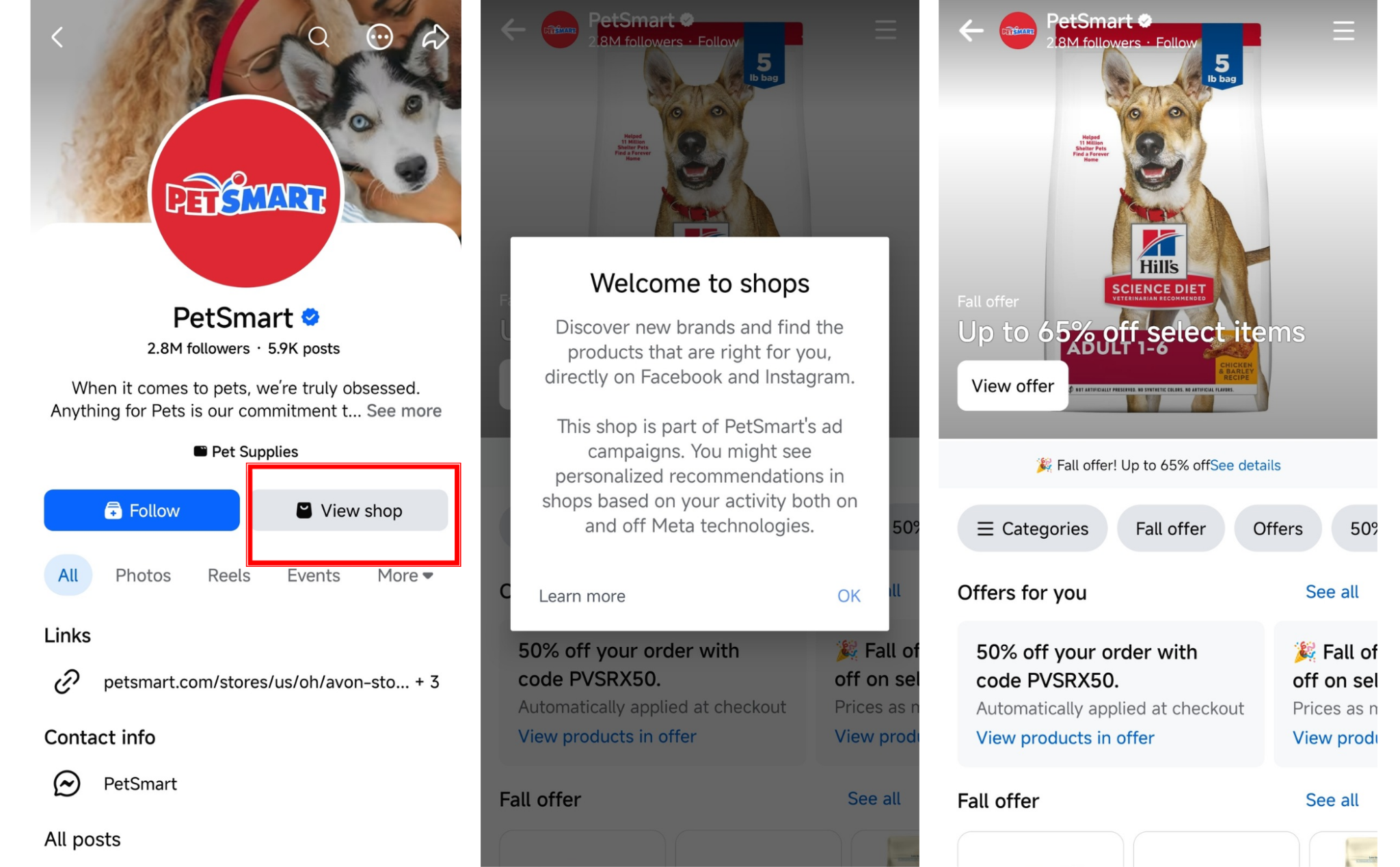
Content creation remains the lifeblood of social selling. Merchants are finding success by moving beyond static catalog imagery and demonstrating products in realistic settings, illustrating scale, texture, functionality, and assembly. By pairing informative, benefit-driven captions with native shopping features—such as product tags in Instagram Reels, shoppable stickers in YouTube Shorts, or dynamic pins on Pinterest—brands eliminate unnecessary steps in the buyer’s journey, ensuring that a user interested in a specific item lands directly on its corresponding product page rather than a generic homepage.
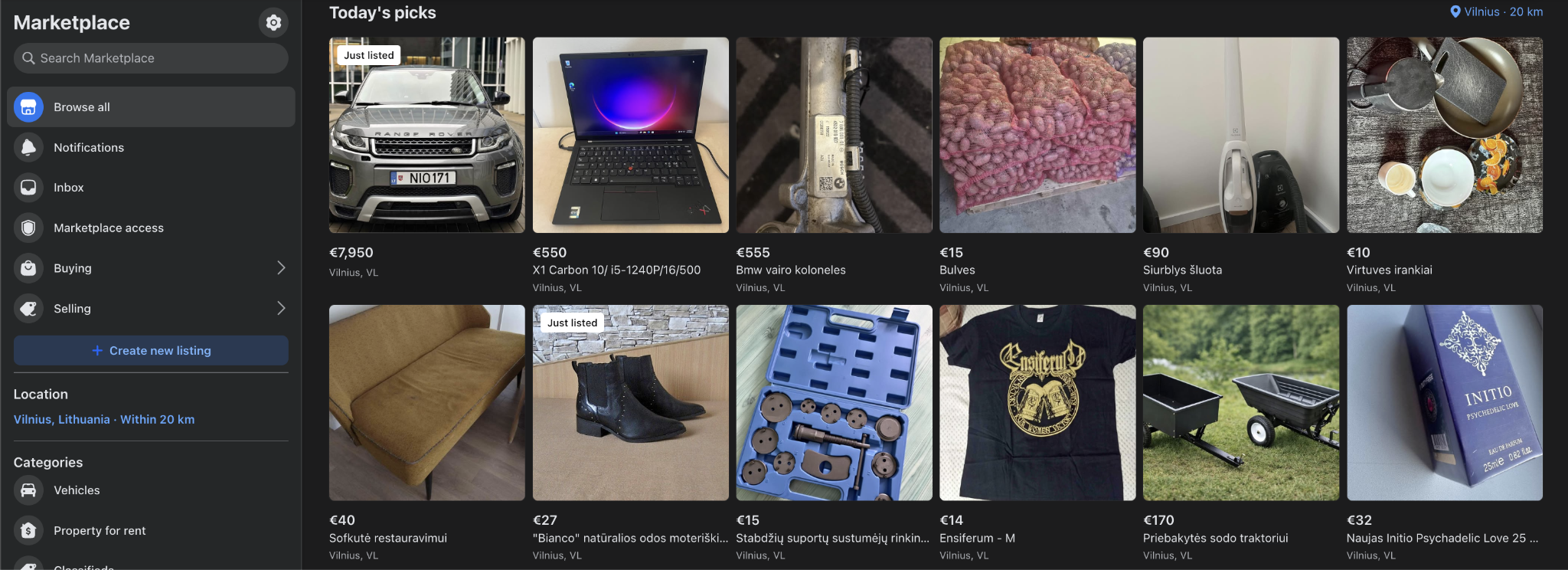
Customer engagement also plays a pivotal role in converting prospective buyers. Because inquiries regarding sizing, materials, shipping, and returns frequently dictate whether a sale occurs, maintaining prompt and helpful communication is essential. Rather than resorting to unsolicited promotional messaging, successful brands focus on answering incoming questions, resolving uncertainties, and leveraging authentic customer reviews to build long-term trust.
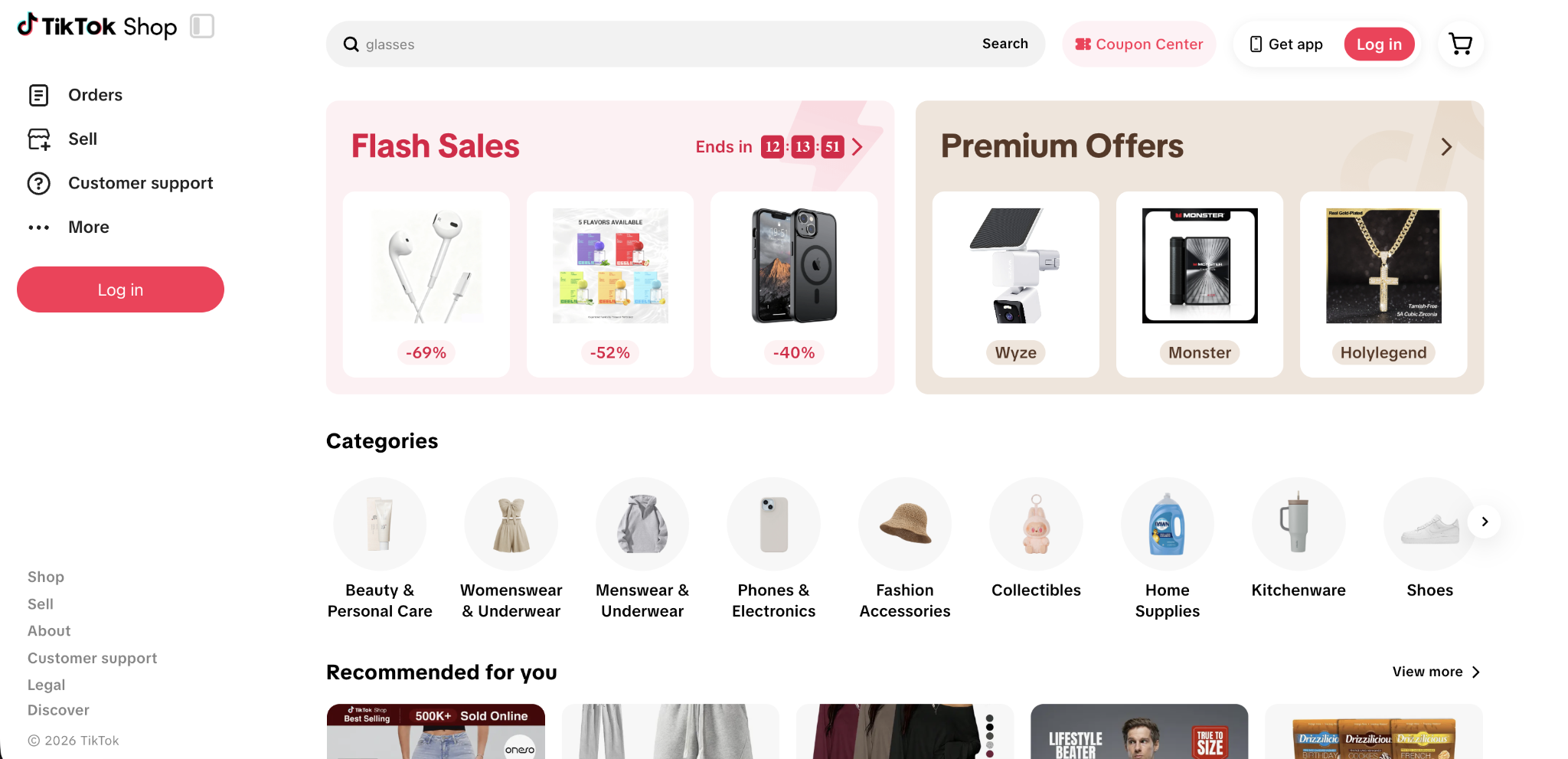
Ultimately, evaluating the success of social commerce strategies relies on disciplined data tracking. By monitoring fundamental metrics such as link clicks, store visits, orders, and revenue—and utilizing UTM tags to isolate specific traffic sources—merchants can accurately assess which platforms and campaigns generate tangible financial returns. As digital storefronts continue to evolve alongside independent e-commerce platforms, the integration of social discovery and centralized retail management provides brands with a resilient framework for sustained online growth.



Leave a Reply