
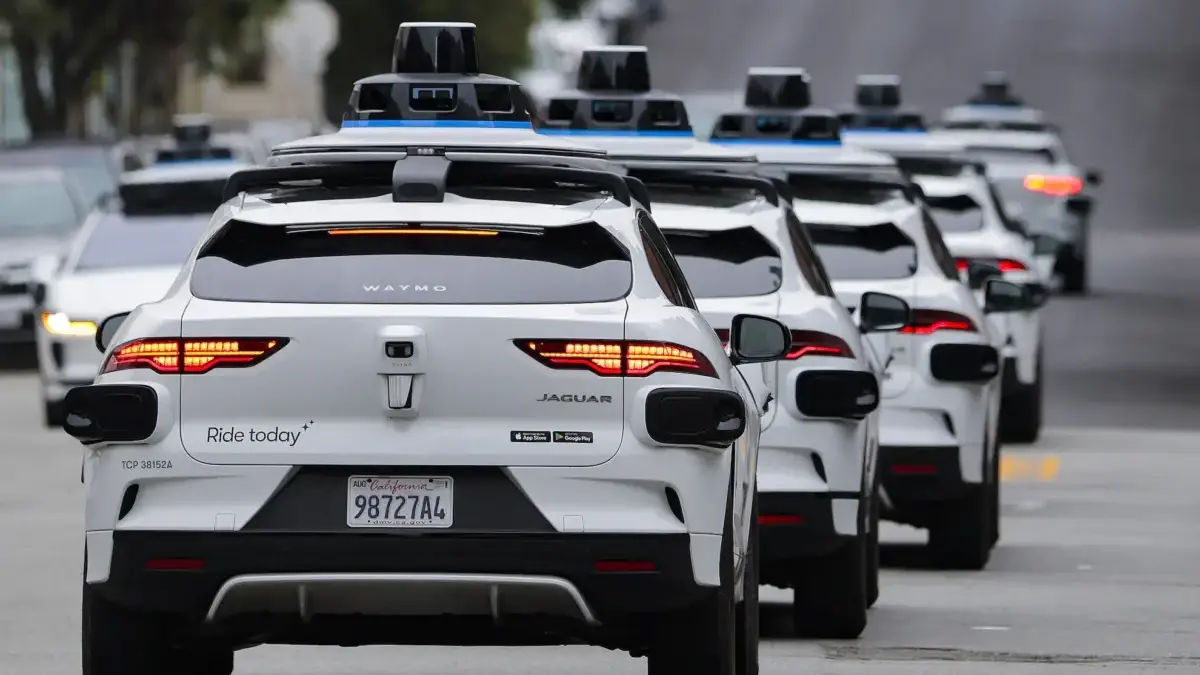
Autonomous vehicle developers operating in California, including major industry players like Tesla, Waymo, and Zoox, will soon face strict new operational requirements and potential financial penalties under a recently signed state law. The legislation is designed to crack down on robotaxis that malfunction, obstruct roadways, or interfere with police officers, firefighters, and other emergency personnel during critical incidents.
California Governor Gavin Newsom has officially signed Senate Bill 1246 into law, establishing a comprehensive series of regulations intended to improve safety outcomes, enhance roadside response times, and introduce clear accountability measures when autonomous fleets experience technical failures. The legislative action follows a growing wave of public and political frustration over high-profile disruptions caused by driverless vehicles stalling in active traffic lanes, inadvertently driving into active crime scenes, and blocking emergency responders from reaching destinations efficiently.
The bulk of the documented incidents across California have involved Waymo, currently the largest commercial robotaxi operator in the United States. Waymo operates a massive fleet comprising approximately 4,000 autonomous vehicles nationwide, with roughly 1,200 of those operating within the San Francisco Bay Area alone. Investigative reports published earlier this year highlighted numerous instances where Waymo vehicles encountered technical difficulties and relied directly on emergency first responders to manually manage or move the stalled vehicles out of harm’s way.
These recurring disruptions prompted heightened scrutiny from both state lawmakers and federal regulators. The National Highway Traffic Safety Administration intervened by issuing a formal letter to autonomous vehicle developers, demanding that companies implement immediate, effective solutions to stop interfering with emergency personnel during operations. Senate Bill 1246 represents California’s legislative response to these mounting concerns, aiming to establish rigid state-level oversight where federal guidelines have historically left regulatory gaps.
State Senator Dave Cortese, who authored the legislation, emphasized the necessity of balancing technological advancement with public safety priorities during the bill’s advancement.
"California has embraced autonomous vehicles, but we cannot embrace innovation at the expense of public safety," said Senator Cortese. "When an autonomous vehicle crashes, breaks down, blocks a roadway in an emergency, or gets in the way of law enforcement or first responders, there must be clear accountability."
Under the newly enacted law, autonomous vehicle developers must adhere to strict guidelines concerning human oversight and remote intervention. Specifically, companies are restricted to employing remote drivers who are based physically within the United States and hold a valid U.S. driver’s license. This requirement is intended to resolve ongoing uncertainties and security concerns regarding how companies manage remote operations when their vehicles encounter complex road hazards or system errors.
The broader concept of remote operations has historically been interpreted across a wide spectrum, with varying transparency from developers regarding their operational methods. However, the legal definition of a "remote driver" under Senate Bill 1246 is distinct and narrow, referring specifically to a human who directly controls or drives the vehicle from a remote location. Among major developers, Tesla stands out as the only company that has publicly confirmed it utilizes remote operators capable of taking direct, active control of its robotaxis when needed.
Other prominent autonomous vehicle companies employ different structural approaches to remote management. Waymo, for instance, utilizes various forms of remote assistance where the vehicle’s onboard self-driving software maintains primary control, while human employees offer navigational guidance or issue software commands when obstacles arise. Waymo maintains a distributed global network of remote assistance personnel, which includes staff located in the Philippines alongside command operations centers situated in Arizona and Michigan. Meanwhile, competing developer Zoox has stated that its dedicated remote operations teams are based entirely within the United States.
In addition to regulating remote personnel, Senate Bill 1246 imposes direct operational responsibilities on AV companies during widespread system failures. Developers will be required to promptly notify local municipalities, towns, and regional jurisdictions regarding the precise location and operational status of any vehicles affected by network or software outages. Furthermore, companies must supply "local incident technicians" capable of deploying directly to the scene to provide immediate on-the-ground support and assist local authorities with vehicle accidents or major roadway obstructions.
To ensure compliance, the law introduces financial consequences. Autonomous vehicle companies could face significant monetary penalties if one of their robotaxis blocks police officers, firefighters, or paramedics during an active emergency response for a duration exceeding 30 minutes.
Major industry operators have indicated they will adapt to the new legal framework. Representatives for Waymo and Zoox expressed their willingness to comply with the statutory mandates, highlighting ongoing collaborative efforts during the legislative process.
"We are grateful for the amendments made to the bill, which ensure autonomous vehicle operators can still feasibly serve Californians," a Waymo spokesperson said in an emailed statement. "Waymo is committed to making roads safer in California and continually improving our service."
The legislation is officially scheduled to go into effect in July 2028. Ahead of that implementation date, the California Department of Motor Vehicles, which serves as the primary regulatory body overseeing autonomous vehicle testing and deployment across the state, will establish detailed administrative guidelines covering specific aspects of the law, including enforceable response times for local incident technicians and reporting protocols.



Leave a Reply