
Before the modern streaming era completely fractured and redefined the television landscape, fans of science fiction, horror, and fantasy had to rely on traditional broadcast networks for their genre fix. During that transitional period, The CW emerged as an essential home for viewers seeking a specific blend of conventional teen romance and high-stakes supernatural drama. Whether audiences wanted supernaturals like vampires, futuristic post-apocalyptic survivalists, or masked superheroes, the network carved out a distinct niche that defined a generation of television consumption.
Even if many viewers only discovered these titles years later through streaming algorithms on platforms like Netflix or Hulu, iconic series such as The Vampire Diaries and The 100 remain deeply embedded in pop culture memory. However, one of the network’s most cleverly crafted and critically praised genre entries quietly ran for five seasons without ever capturing the massive, mainstream audience it arguably deserved. For years, it remained one of the channel’s best-kept secrets—until a recent digital distribution shift changed everything.
iZombie premiered in 2015, establishing itself near the tail end of The CW’s classic era of cult-favorite genre television. Created by seasoned developers and writers, the series follows the unusual daily routine of a young woman trying to lead a meaningful existence while juggling a demanding career, complicated personal relationships, and an undeniable craving for human brains. In a major development for fans of physical media and ad-supported streaming, the entire five-season run of the series became available to stream completely for free on YouTube, presenting a rare opportunity for a new wave of viewers to dive into its uniquely quirky world.
What is iZombie about?
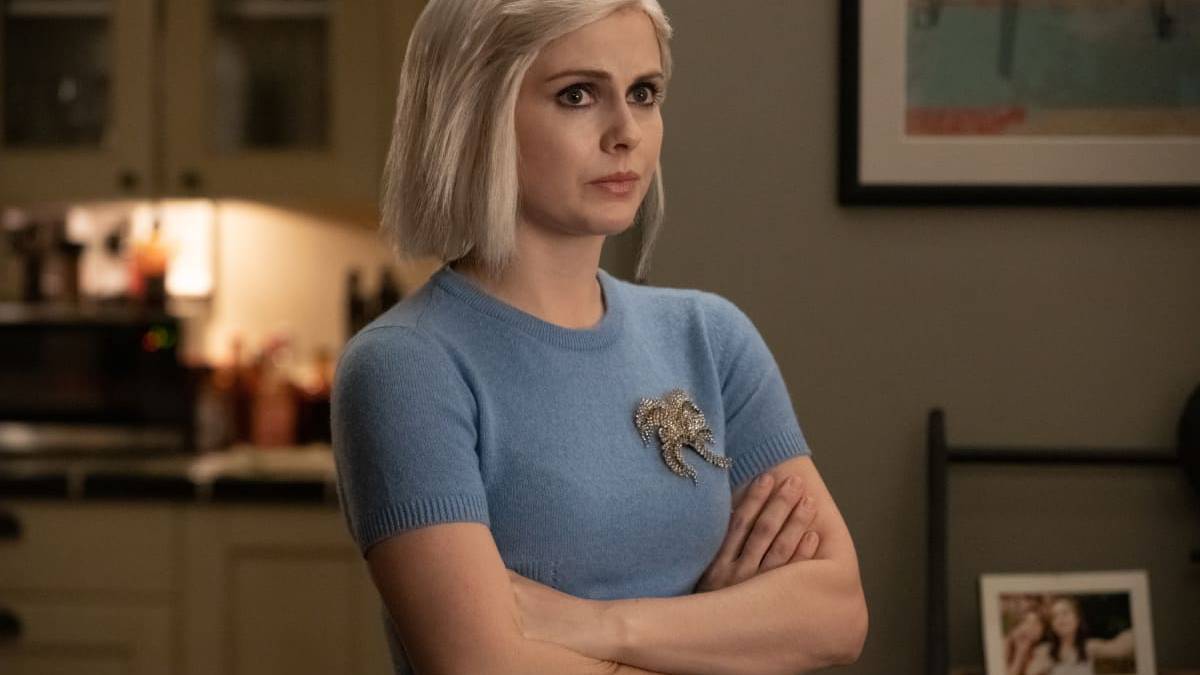
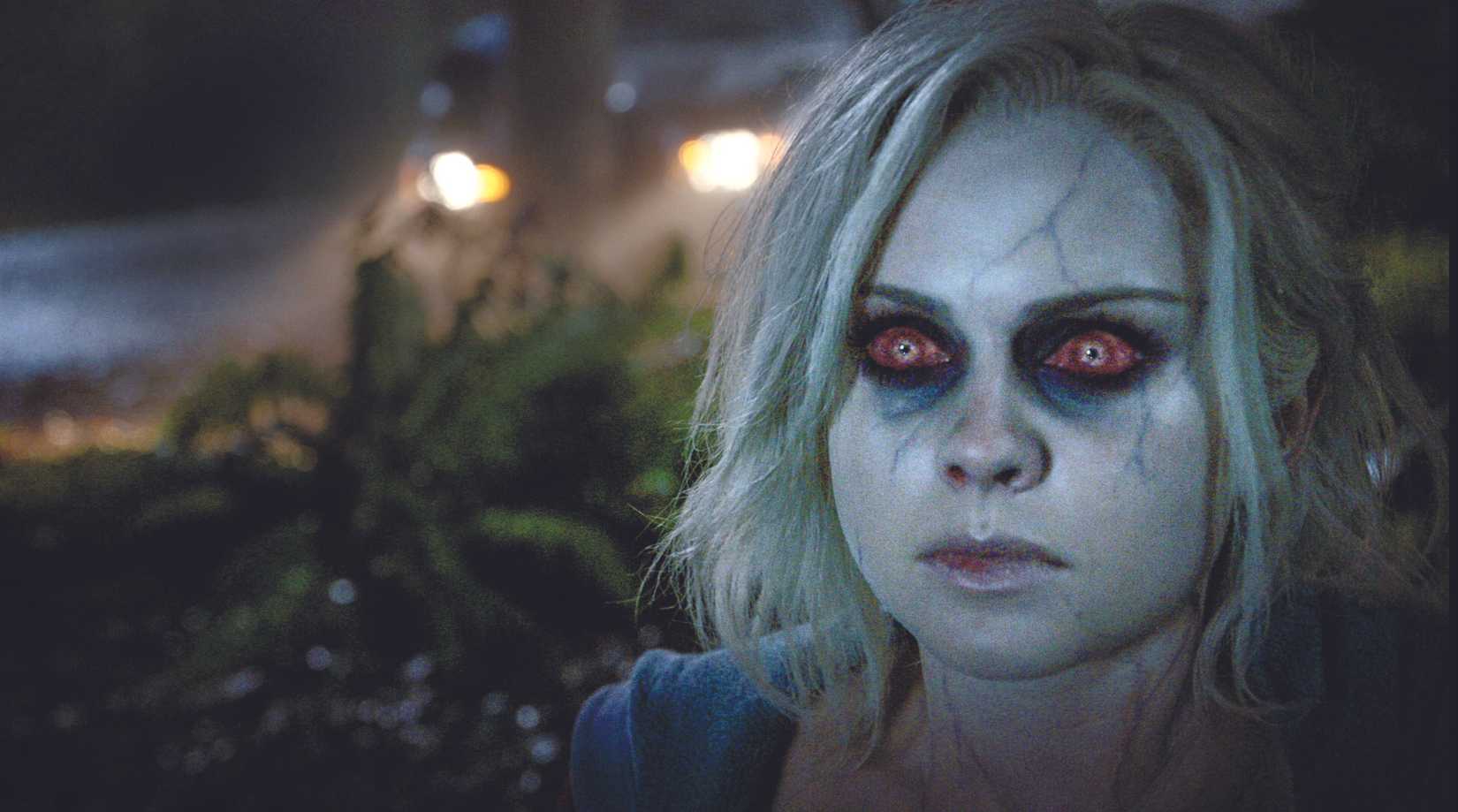
Developed by veteran television creators Rob Thomas and Diane Ruggiero-Wright, iZombie stars Rose McIver as Liv Moore, a promising and dedicated medical resident in Seattle whose seemingly perfect life is upended in a single night. After attending a boat party that is suddenly and violently crashed by a horde of aggressive zombies, Liv wakes up among the aftermath with a strikingly pale complexion, platinum white hair, and an insatiable appetite for human brains.

This unexpected transformation upends her entire world. To protect the people she loves and avoid exposing the terrifying reality of the undead, Liv makes the painful decision to seclude herself from her family and friends, abruptly ending her relationship with her unsuspecting fiancé. Seeking a professional environment where she can access her new dietary requirements without raising immediate suspicion, she abandons her prestigious hospital residency and takes a radical career shift, accepting a job at the local county morgue. To her living colleagues, she is simply a quiet and eccentric medical examiner’s assistant; to herself, she is navigating the lonely limbo of the undead.
Most television programs would comfortably stretch this single premise across an entire season of internal conflict and dramatic tension. Yet, iZombie breezes through this extensive setup in its very first episode, establishing a playful, irreverent tone while immediately locking into a procedural structure. The narrative engine of the show kicks into high gear through a clever supernatural mechanic: whenever Liv consumes the brains of a deceased human, she temporarily absorbs portions of that person’s memories, personality traits, and specialized talents.
This transformation turns Liv into a psychic medium of sorts, making her an invaluable asset to local law enforcement. The procedural format allowed creator Rob Thomas to lean into the exact dynamic and setting style that made his earlier cult classic, Veronica Mars, such a beloved television touchstone. iZombie balances a chirpy, quippy dialogue style with a rich vein of dark humor that successfully anchors its narrative twists and turns. In one memorable example from the early episodes, Liv consumes the brain of a murdered woman to help track down her killer, only to inherit the victim’s sudden onset of kleptomania, leaving her struggling to suppress an embarrassing urge to steal meaningless objects in the most inconvenient situations.
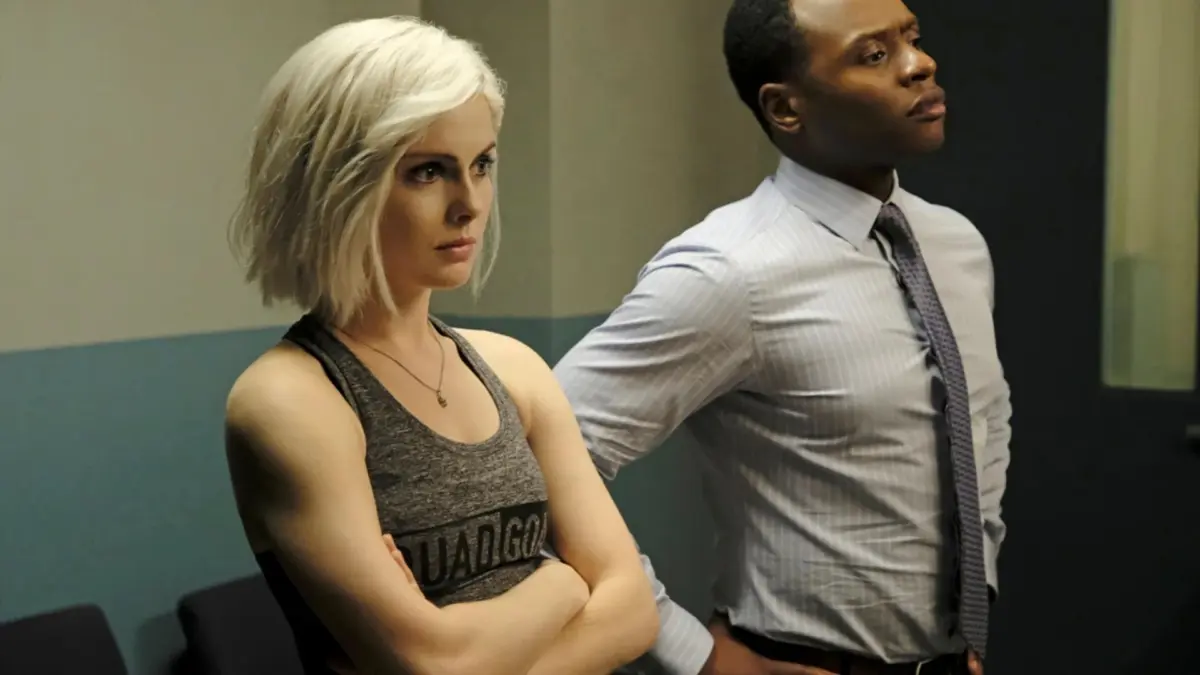
Rose McIver anchors the series with a performance that strikes a precise balance between levity, emotional vulnerability, and the detached observation necessary to sell the dark comedy of a sweet young woman who happens to be a brain-eating corpse. Around her, the show builds a tight-knit and well-rounded supporting cast. This includes her boss and confidant, Dr. Ravi Chakrabarti, played by Rahul Kohli, a morbidly curious medical examiner who quickly discovers her secret and dedicates his time to finding a scientific cure for her condition. Alongside them is Detective Clive Babineaux, played by Malcolm Goodwin, a straight-laced homicide investigator who is initially baffled by Liv’s uncanny, unexplainable psychic intuition on murder cases, yet continually relies on her because she consistently helps him solve his toughest crimes.
As the series progresses through its multi-season run, iZombie demonstrates a willingness to push well beyond the boundaries of its initial monster-of-the-week procedural format. What begins as a relatively contained story about a clever mortuary worker solving local homicides gradually expands into a sweeping, serialized conspiracy. The narrative eventually touches upon traditional, large-scale tropes of the zombie genre, exploring the chaotic fallout of a public outbreak, societal division, political corruption, and the friction between human and undead populations.
This grander scope was part of the creative vision from the very beginning. When discussing the trajectory of the series prior to its 2015 premiere, Rob Thomas explicitly pointed to serialized mystery structures as a primary blueprint. Comparing the narrative approach to his previous work, Thomas noted that while Veronica Mars utilized a massive seasonal murder investigation to anchor each year, iZombie would use a developing overarching zombie mythology and political conspiracy to serve that exact same storytelling function.
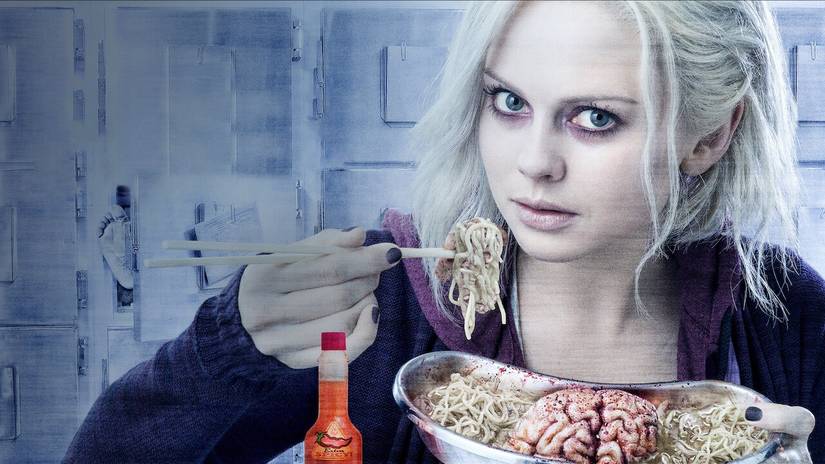
Despite these dramatic shifts in tone, stakes, and geopolitical scale as the seasons advanced, iZombie consistently retained its core identity, never losing its unique romantic-comedy sensibilities and distinct stylistic quirks. One of the most enduring visual motifs of the series features Liv meticulously preparing her meals in the morgue kitchen, transforming raw grey matter into elaborate dishes garnished with hot sauces, pastas, and inventive condiments. These culinary sequences are simultaneously funny, unsettling, and strangely mesmerizing, functioning almost like a lighthearted, PG-rated television equivalent to Hannibal.
Finding a television show that precisely matches specific, niche tastes has become increasingly easy in the modern media ecosystem, but a decade ago, the broadcast landscape operated very differently. Discovering a series as structurally specific and tonally distinct as iZombie felt like uncovering a hidden treasure—resembling a creative synthesis of a clever mystery procedural, a witty romantic comedy, and a supernatural thriller where the protagonist casually enjoys a gourmet serving of grey matter. While zombies remain massive cultural figures within horror and pop-culture media, occupying the same prominent space as vampires and werewolves, they are rarely afforded the nuanced, multi-faceted main character treatment seen here. iZombie demonstrated that even heavily saturated concepts can be completely reinvented with sharp writing, strong performances, and a willingness to embrace the delightfully strange.

Leave a Reply