
As artificial intelligence systems continue to evolve from passive conversational chatbots into autonomous problem-solvers, industry experts and developers are closely tracking a critical operational leap: AI agent tool use. This architectural advancement allows modern AI models to recognize their own informational and operational boundaries, select external digital capabilities, and dynamically execute tasks that require coordination across multiple software environments.
Rather than processing every request strictly within the confines of its initial pre-trained parameters, an advanced AI agent operates through a continuous, adaptive loop. When faced with a complex objective—such as synthesizing market research, updating a customer relationship management platform, or deploying code fixes—the system determines when it lacks direct capability. Instead of executing external changes directly, the agent generates a structured request detailing the necessary action. The underlying system framework then securely routes this instruction to the designated external tool, receives the output, and evaluates the resulting data to chart its next operational step.
This mechanism relies on a sophisticated orchestration of technologies, including standard function calling protocols and the Model Context Protocol (MCP), which collectively enable secure interoperability between AI models and third-party data ecosystems. By chaining these capabilities together, developers are witnessing a shift in how automated agents handle sophisticated multi-step workflows across diverse industries.
The Anatomy of Agentic Decision-Making and Reasoning
The core mechanics of tool utilization depend on an agent’s capacity to interpret its environment, evaluate available options, and execute logical deductions. When an enterprise or individual assigns a task, the AI model does not randomly trigger software integrations. Instead, it references a catalog of accessible tools, analyzing each option’s unique identifier, operational description, and required input parameters against the context of the active assignment.
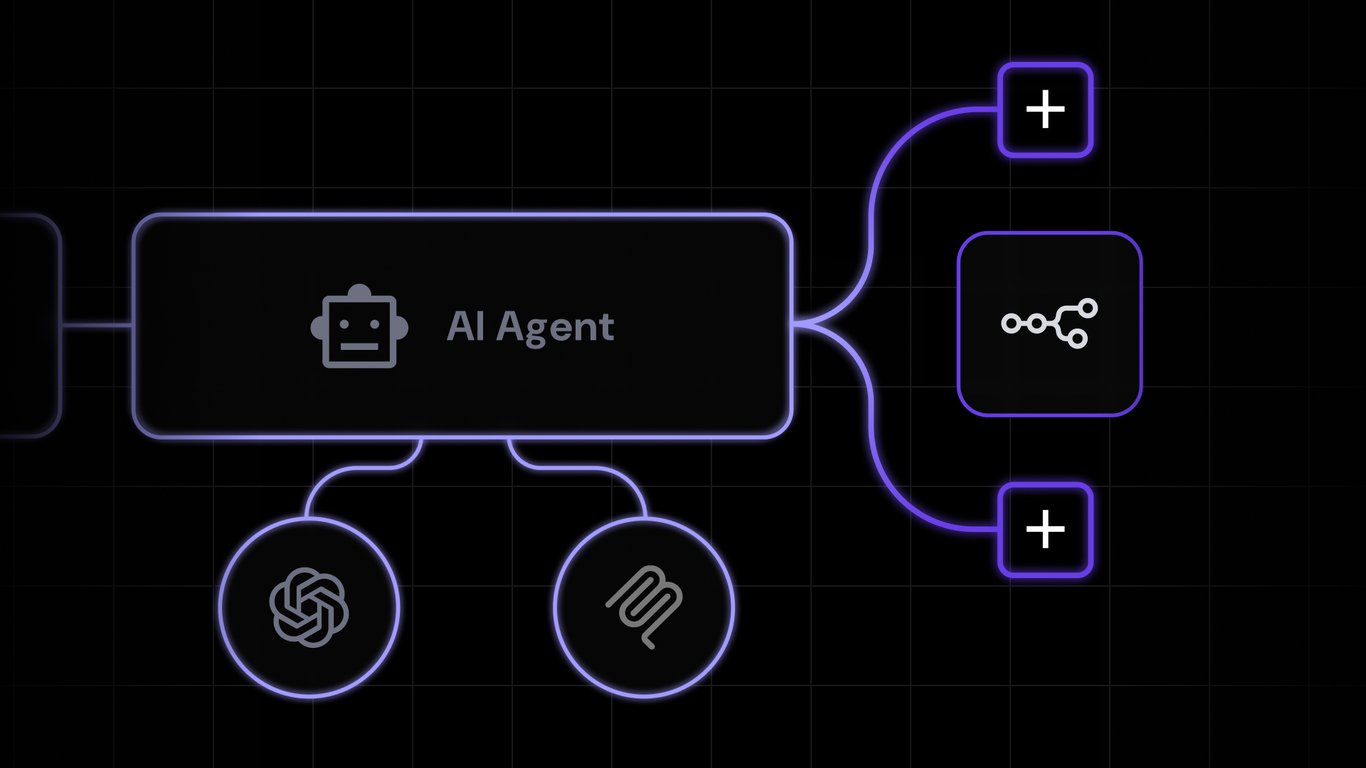
This reasoning trajectory typically begins with the agent analyzing the core objective and recognizing that internal knowledge alone is insufficient. It then selects the most appropriate external utility—whether that is a web search engine, a file retrieval system, a specialized code execution sandbox, or a dedicated enterprise application. Once the appropriate tool is identified, the agent formats a precise request, dispatches it through the system architecture, and waits for the response.
Upon receiving the output, the agent evaluates the new information. If the initial attempt yields partial data or reveals an unexpected error, the system does not simply halt or hallucinate a continuation; it recalibrates. The model reviews the new feedback, determines whether a secondary tool is required, and repeats the operational loop until the overarching objective is successfully fulfilled.
Distinguishing Tool Use, Function Calling, and Integration Standards
As the vocabulary surrounding artificial intelligence infrastructure expands, industry stakeholders often encounter overlapping terminology that warrants clear differentiation. Tool use represents the overarching capability of an agent to select and leverage external resources to accomplish a goal.
Within that broad classification, function calling serves as a specific technical mechanism. It allows the underlying AI model to request a predefined software function by formatting required inputs into a predictable structure, giving host systems a clear, executable instruction such as retrieving a specific database record or generating a calendar entry. Meanwhile, frameworks like the Model Context Protocol (MCP) establish standardized guidelines for how AI applications securely connect to diverse external data sources and utilities, ensuring consistent communication across different platforms.
These architectural elements operate distinctly from agent skills, which provide the high-level instructional frameworks and domain-specific knowledge guiding how an agent approaches a particular class of work. For instance, while an agent skill might outline the strategic steps and structural requirements for compiling a weekly sales report, the actual execution relies on tool use to extract raw data from a CRM, function calling to format the database queries, and MCP standards to ensure seamless system connectivity.
Practical Applications Across Modern Enterprise Workflows
The real-world implementation of agentic tool use spans multiple operational domains, fundamentally altering how organizations approach research, sales administration, business operations, software engineering, and customer support.
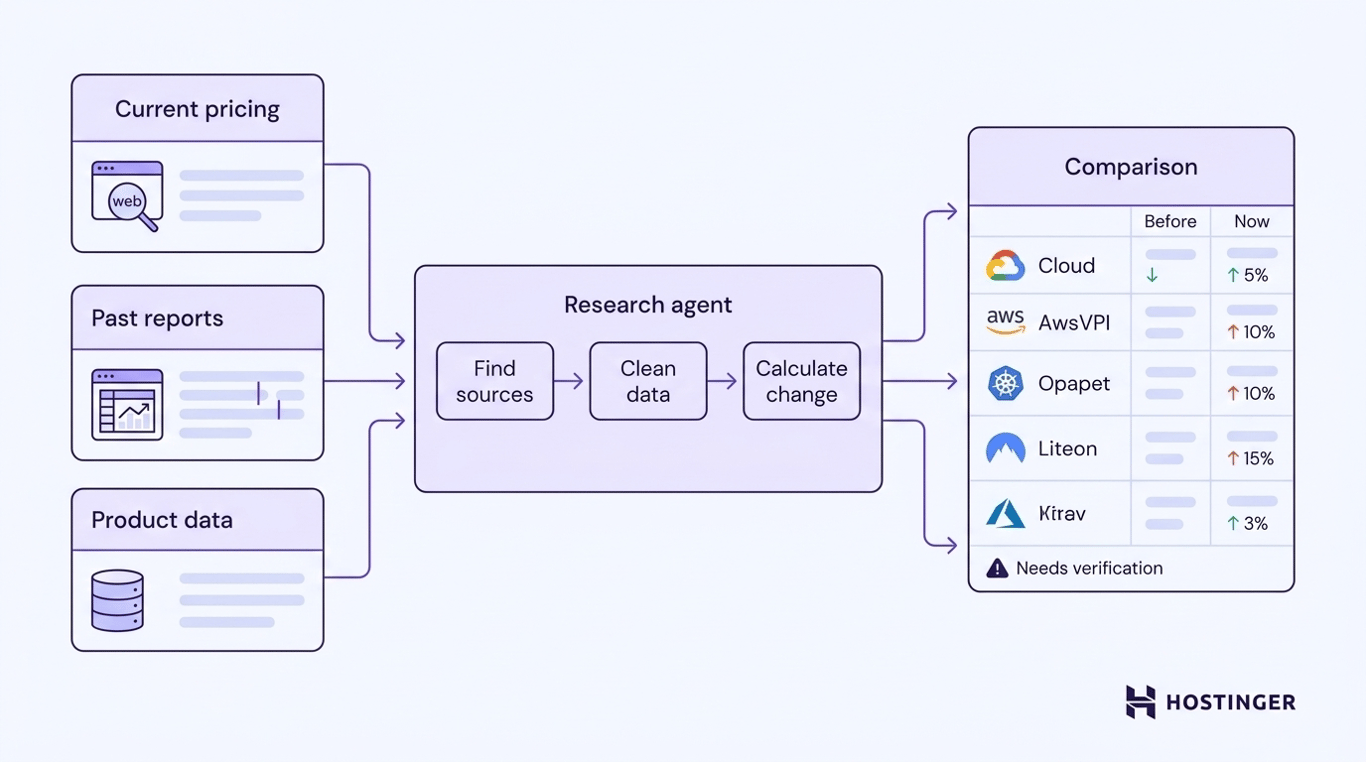
In research settings, specialized agents frequently encounter queries that cannot be resolved through a single information repository. By combining web search tools for real-time data retrieval, file tools for accessing historical corporate reports, and code execution environments for cleaning and analyzing large datasets, a research agent can autonomously synthesize complex comparative analyses. Each tool tackles a distinct phase of the investigation, allowing the system to verify information and identify data gaps before presenting a final conclusion.
Sales teams leverage similar architectures to streamline prospect engagement. Following a client consultation, a sales agent can access CRM records to review deal stages, historical notes, and assigned personnel. Using this contextual data, the agent can draft tailored follow-up communications, dispatch them via integrated email tools, and subsequently update the CRM to record the interaction and schedule subsequent tasks for human representatives. This capability bridges isolated business applications, ensuring that communication, tracking, and task management function as a unified workflow.
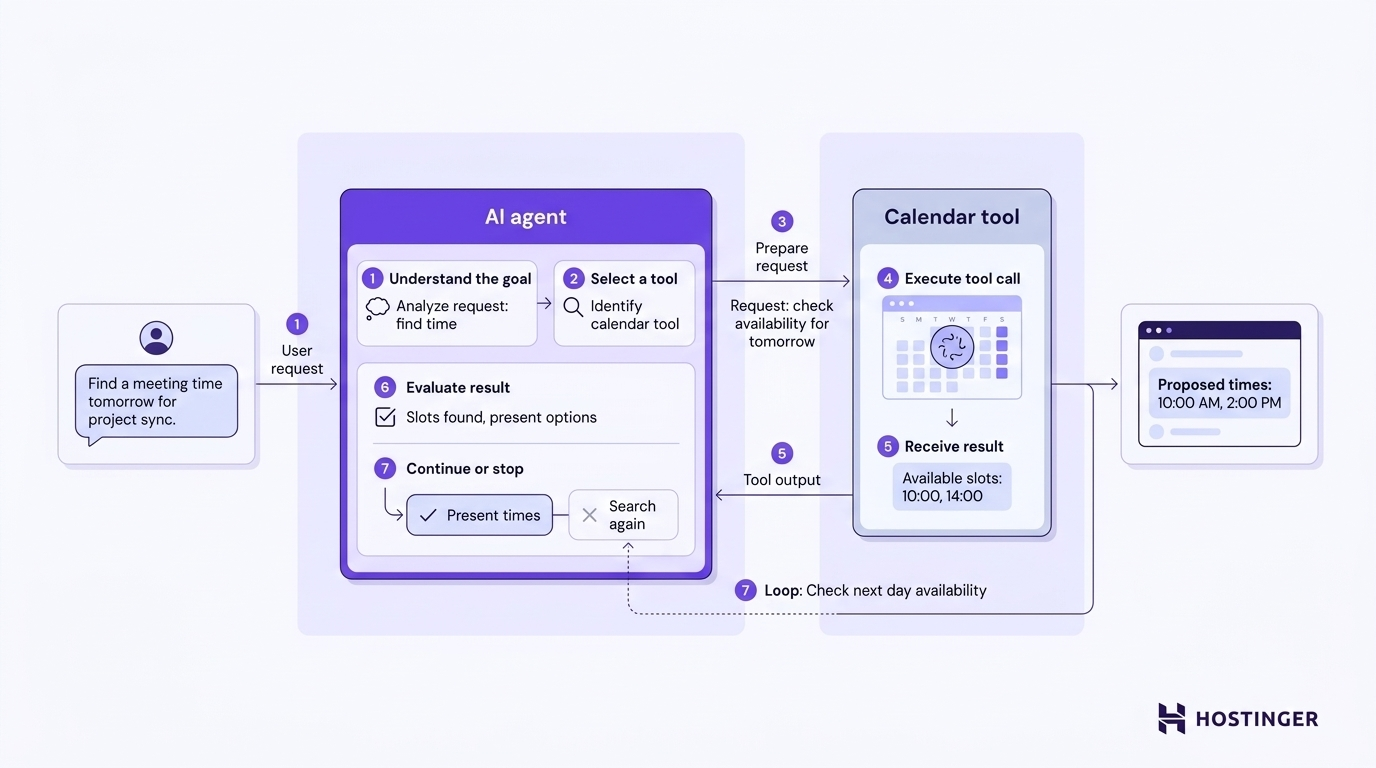
Business operations environments experience similar efficiencies through cross-platform automation tools. Modern agent platforms integrate with everyday productivity suites and enterprise resource planning software—including calendar applications, cloud storage drives, communication channels, and project management trackers—allowing agents to manage scheduling conflicts, compile cross-departmental updates, and execute recurring administrative routines without manual intervention.
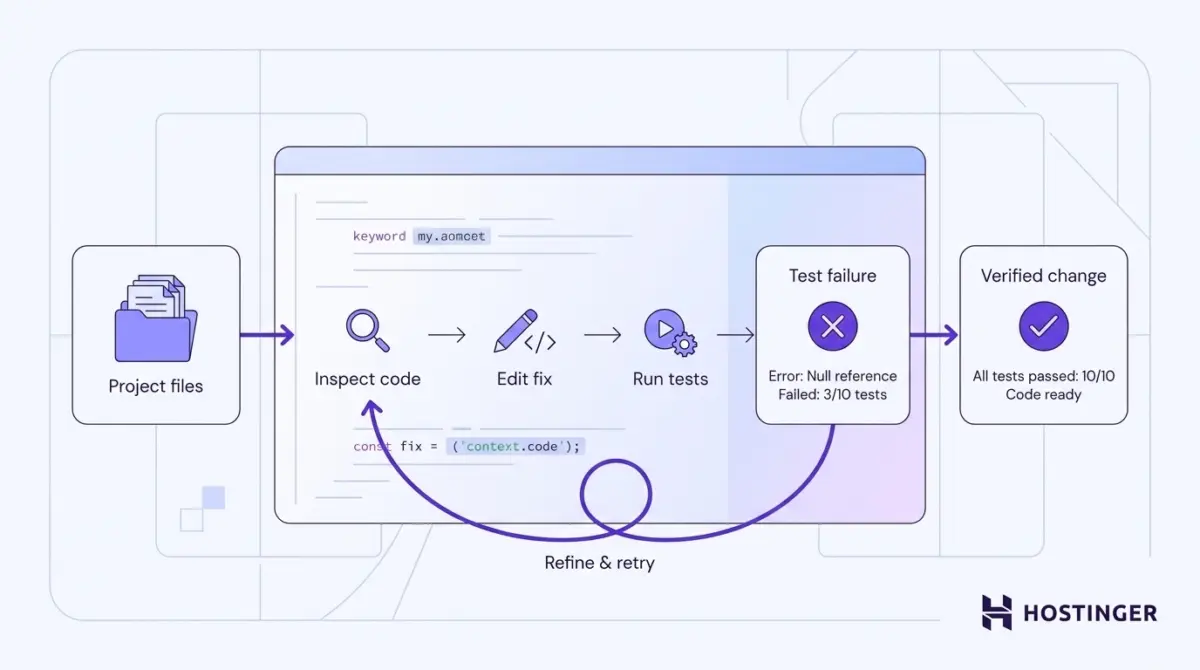
In software development, coding agents utilize file inspection and execution utilities to diagnose and resolve software defects. When tasked with addressing a reported bug, an agent scans the relevant project codebase, identifies likely culprits, edits the affected source files, and deploys the project’s testing suite within an isolated sandbox environment. If a test fails, the agent reads the resulting error traceback, traces the failure back to the logic, applies a refined patch, and reruns the validation tests. This feedback loop bridges the gap between code generation and empirical verification.
Customer support operations likewise benefit from multi-system tool integration. When processing a shipping inquiry, an agent can simultaneously pull support ticket history, access account details, query order-management databases, and check real-time carrier tracking statuses. Depending on whether the item is delayed or lost, the agent can autonomously issue tracking updates, apply standard resolution procedures, or route complex refund requests to human administrators for final approval.
Security, Reliability, and Integration Safeguards
While the expansion of tool-enabled AI offers significant productivity advantages, system architects emphasize the necessity of rigorous safety protocols. Reliable agent performance depends on defining precise tool boundaries, strictly limiting the permissions granted to external systems, validating all incoming and outgoing requests, and instituting human-in-the-loop safeguards for high-risk actions.
A particularly critical security consideration involves mitigating prompt injection vulnerabilities. Because external data sources—such as retrieved web pages, incoming emails, or shared documents—can contain malicious or unintended text instructions, agents must be engineered to disregard directives found within retrieved content that attempt to override original system instructions, expose sensitive data, or trigger unauthorized tool calls. Maintaining strict adherence to pre-granted permissions and explicit authorization workflows helps shield automated systems from external manipulation.
Ultimately, bridging the gap between autonomous reasoning and enterprise productivity relies on robust API integrations and secure authentication frameworks. By establishing strict access boundaries—such as permitting read-only database access while barring modification or deletion privileges—organizations can harness the efficiency of agentic tool use while retaining strict operational oversight.

Leave a Reply