
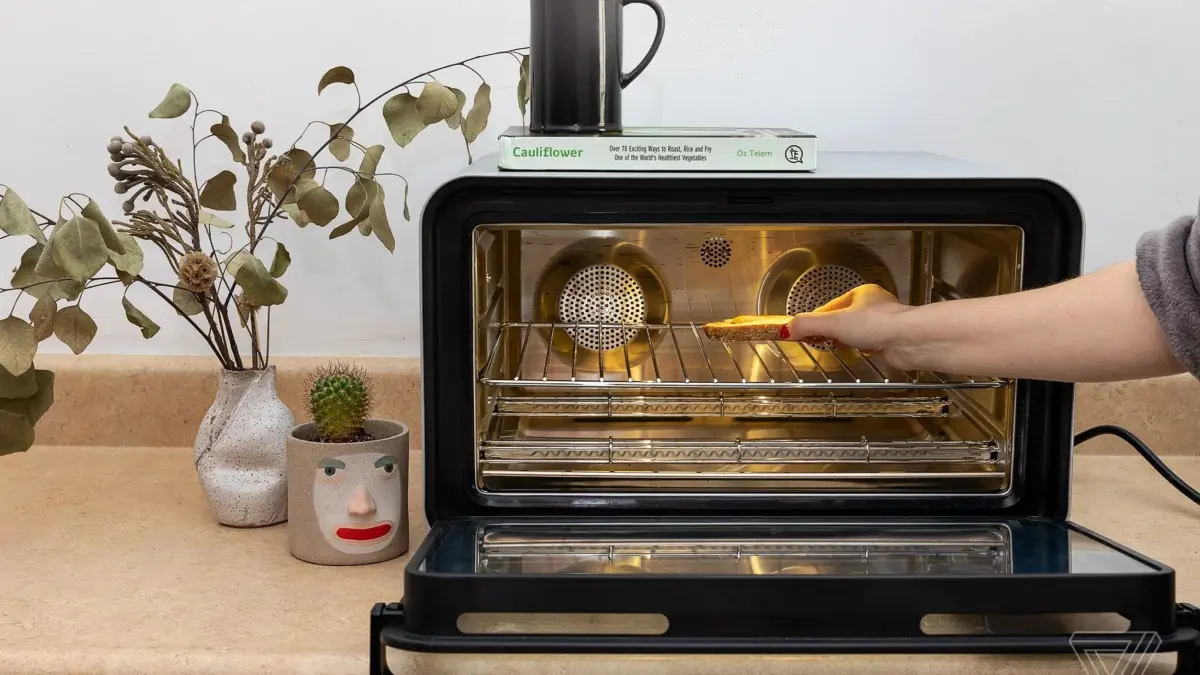
A decade ago, a group of former Apple engineers introduced a revolutionary appliance that promised to change how people cook at home. Equipped with a built-in scale, restaurant-grade heating elements, an integrated camera, and artificial intelligence capable of recognizing a raw chicken breast and cooking it to perfection, the June Oven quickly set a high standard for smart kitchen technology. When it launched at a price tag of $1,495, it was undeniably expensive, yet it rapidly cultivated a small and fiercely devoted following. That community expanded further when the company eventually introduced a more modestly priced model, establishing the device as a pioneer in the burgeoning ecosystem of connected home appliances.
However, the fragile reality of the modern connected home caught up with the pioneering appliance. Weber, the grilling giant that acquired June in January 2021 and subsequently halted manufacturing of the ovens in 2022, officially pulled the plug on the product’s cloud infrastructure and mobile application. Users who once relied on smartphone controls, real-time video monitoring, and automated software updates to crisp pastries or roast meats now find themselves with little more than a sleekly designed countertop toaster oven.
The shutdown means that app control is entirely gone, software updates have ceased, and the advanced AI food-recognition features that once guided users through complex recipes are permanently disabled. While the device can still function as a basic manual oven, it now exists in a compromised state with zero manufacturer support or replacement parts available. Furthermore, users face a daunting hurdle: performing a factory reset for troubleshooting purposes could inadvertently turn the appliance into a complete paperweight.
According to reports, Weber considered open-sourcing the underlying technology to allow a third party to keep the platform alive, but ultimately decided against the move. The company cited the reality that June’s intellectual property is tightly integrated into its broader Weber Connect platform, which powers current and potentially future grilling products.
The Expanding Smart Home Graveyard
June’s demise is far from an isolated incident, representing just the latest entry in a depressingly long and growing list of connected products that have been relegated to the smart home graveyard over the past two years alone. Consumers have watched a steady stream of once-promising hardware lose its cloud lifelines, turning expensive investments into electronic waste or severely limited relics.
The casualties span nearly every category of home automation. Google notably discontinued its Nest Secure alarm system and phased out support for early models of the Nest Thermostat. Belkin ended support for its WeMo smart home line, Neato shut down the cloud services powering its popular robotic vacuums, and Brava followed a nearly identical path to June by shutting down its own smart oven platform. Other notable victims include Logitech’s Pop smart home buttons, Bose’s SoundTouch wireless speakers, and Sengled’s smart lighting ecosystem.
While a fortunate few legacy devices have been rescued by resourceful users leveraging local application programming interfaces, or APIs, and open-source communication protocols like Zigbee, Thread, Apple’s HomeKit, or Home Assistant integrations, the vast majority share the fate of the June Oven. They are destined to live out their remaining functional lifespans in a disconnected, zombie-like state.
How the Smart Home Ecosystem is Coping
For consumers holding the hardware, the silver lining—if it can be called that—is that most of these abandoned gadgets degrade in functionality rather than dying outright on day one. Devices like the June Oven and Brava will continue to operate as basic kitchen appliances. Early Nest Thermostats can still manage residential heating and cooling, performing the fundamental duties of the traditional analog thermostats they replaced years ago. Similarly, a Neato robotic vacuum will still clean floors according to pre-set physical schedules.
However, the remote access, voice integration, firmware updates, and advanced automation features that originally justified the purchase price are permanently gone. In worst-case scenarios, such as the discontinuation of the Nest Secure system, the hardware transitions instantly into pure electronic waste.
Rescues by the original manufacturers are rare, though external interventions occasionally happen. Resourceful members of the tech community sometimes figure out how to connect a orphaned device to Home Assistant, an open-source automation platform that has effectively become the primary refuge for abandoned smart home hardware. When the prominent smart lighting platform Insteon abruptly shut down in 2022, a coalition of loyal users ultimately bought the company and successfully resurrected the service.
Bose eventually reversed course and open-sourced its SoundTouch API following public backlash, and the founder of Pebble famously brought the iconic smartwatch ecosystem back to life with the help of the Rebble alliance after corporate support vanished. In the case of June, co-founder Matt Van Horn shared on social media that he attempted to keep the servers online independently, but his efforts ultimately proved unsuccessful.
The broader smart home industry has clearly reached a critical tipping point. Many of the early pioneers that launched during the initial smart home boom are now aging out, as a decade or more is an eternity for a technology startup. Most of these innovative companies were eventually acquired by larger corporations, which were initially drawn to the shiny consumer technology only to become dismayed by the ongoing maintenance costs.
During the formative years of the smart home, deploying a centralized cloud server was often cheaper for a startup than engineering a robust local hardware hub. However, maintaining those servers incurs continuous financial costs. Once a parent company decides a product line is no longer profitable, the corporate incentives to keep paying for server infrastructure evaporate rapidly. A similar trajectory appears to be playing out with Level Lock, another startup founded by former Apple engineers that produced a sleek smart lock. After Assa Abloy acquired the company and abruptly laid off the majority of its development team, the product’s long-term viability remains a persistent question for anxious homeowners.
What Needs to Change Next
Industry analysts and consumer advocates argue that three fundamental shifts must occur to prevent the smart home market from continuing to alienate and burn consumers. The industry requires stronger consumer protections, manufacturers must proactively engineer built-in safeguards, and everyday buyers must adopt rigorous strategies to protect their own investments.
Organizations like Consumer Reports have actively pushed for regulatory legislation governing connected Internet of Things devices. Proposed rules include mandating that manufacturers release a local API to the public before terminating a device’s cloud support, allowing abandoned hardware to communicate with alternative platforms like Home Assistant rather than transforming into expensive paperweights. While Bose ultimately took that constructive path with its SoundTouch speakers, advocates note that relying on voluntary corporate goodwill is insufficient.
When designing a connected device from the ground up, manufacturers must ensure the hardware retains core functionality even without an active internet connection. Incorporating physical buttons, manual controls, and local communication protocols alongside cloud connectivity is essential. This architectural philosophy is precisely what the universal smart home standard Matter was designed to address. Matter-certified devices are built to retain many of their essential functions within a local platform, regardless of whether the original manufacturer stays in business. Other local communication protocols, including Zigbee, Z-Wave, Thread, and Bluetooth, offer similar safeguards to futureproof hardware against corporate failures.
Technology commentators have long advised hardware creators to design for death from the very beginning of the product lifecycle, or at the very least, budget to pay for the platform’s eventual funeral. Some major corporations have adopted transitional customer service measures when retiring products. Amazon offered full refunds to anyone who purchased a Halo fitness tracking band within the twelve months leading up to the service’s termination. Vorwerk initially promised to keep Neato running for five years, and when that timeline was abruptly shortened to two years, the company provided qualifying European customers with a voluntary exchange program for free hardware replacements. While financial compensation or alternative hardware cannot fully replace a beloved gadget that relies on cloud connectivity, such measures help soften the blow of a sudden corporate shutdown.
For consumers currently navigating the crowded smart home market, expert recommendations remain consistent. Buyers should prioritize devices that offer robust local control options, physical buttons or direct remote controls, and the ability to operate entirely offline. While cloud-connected features can genuinely enhance everyday convenience, buyers must remain mindful that any feature entirely dependent on a remote server carries an expiration date. A smart gadget that communicates exclusively through the cloud is essentially halfway in the grave from the moment it is plugged into the wall.

Leave a Reply