
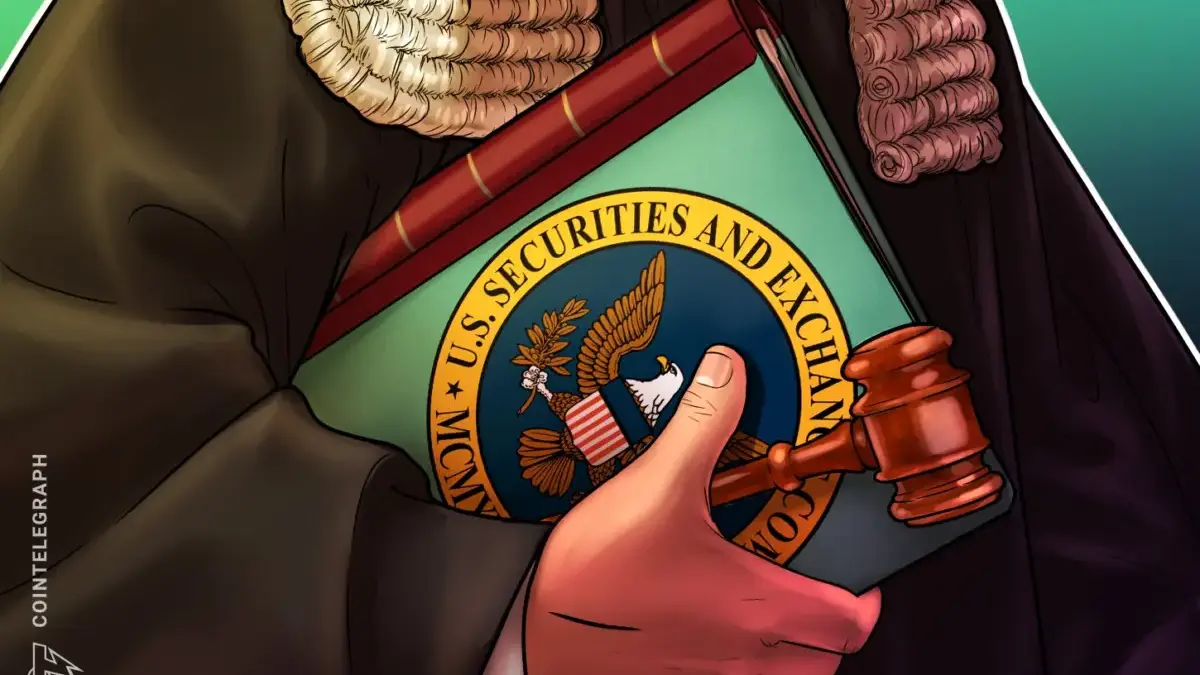
Mark Uyeda, who served as the acting chair of the United States Securities and Exchange Commission (SEC) following the transition of administrations, has provided deeper insight into the agency’s abrupt decision to drop high-profile civil enforcement cases against prominent cryptocurrency companies. According to Uyeda, the regulatory body abandoned these lawsuits because it was actively preparing for a profound, "180-degree change" in its rulemaking philosophy and approach to digital assets.
Speaking during a panel discussion at the Psaros Center for Financial Markets and Policy’s Financial Markets Quality Conference on Wednesday, Uyeda addressed the motivations behind the wholesale withdrawal of enforcement actions that had been initiated against various crypto entities under the previous administration. He explained that allowing government litigators to continue arguing legal positions in court that directly contradicted the commission’s newly planned policy framework would have severely damaged the agency’s institutional credibility. Furthermore, Uyeda pointed out that substantial internal concerns existed regarding whether the aggressive enforcement actions filed against digital asset firms during that prior era were genuinely justifiable under existing law.
Elaborating on the strategic dilemma facing the commission at the time, the commissioner detailed why a sudden policy shift necessitated halting ongoing litigation. "I’m not about to have our litigators, even though they’re having cases that were authorized under the prior administration, stand up in court and have a commission interpretation be issued that is a 180-degree change from what they’d been arguing for that court," Uyeda stated during the panel. "I think that hurts [our] credibility as an agency."
Under Uyeda’s tenure as acting SEC chair—a role he held from January to April 2025 prior to the confirmation of Paul Atkins—the regulatory commission systematically dropped a series of contentious lawsuits. These included high-stakes legal battles filed against major industry players such as Kraken, Ripple Labs, Coinbase, and several other digital asset enterprises. The mass dismissal of these cases triggered widespread debate across the financial and political landscapes, with numerous critics and industry observers characterizing the move as political payback. Many argued that the sudden reversal was a direct reward for the cryptocurrency sector’s vocal and financial support of Donald Trump’s successful 2024 presidential campaign.
During his successful run for the White House, Trump had publicly pledged to overhaul financial regulatory leadership and famously promised to fire former SEC Chair Gary Gensler "on day one" of his presidency if elected. Gensler had spearheaded the regulatory crackdown on the digital asset industry, overseeing the filing of numerous lawsuits that targeted crypto firms over alleged unregistered securities offerings and other compliance failures. True to his campaign promise, Gensler officially resigned from his post on the exact day that Trump took the oath of office, paving the way for a dramatic realignment of regulatory priorities at the nation’s top financial watchdog.
Mark Uyeda has built a long-standing tenure at the SEC, having served as a commissioner since 2022. Following the departure of Gensler and the subsequent leadership transitions, Uyeda currently serves alongside the newly confirmed agency head Paul Atkins and Commissioner Hester Peirce. However, the agency is now facing an impending leadership crunch as it navigates the evolving financial technology landscape. With Commissioner Peirce’s departure expected in November, the regulatory body is poised to operate with only two members remaining on its five-member leadership panel. As of yet, the White House and President Trump have not announced any official nominations or potential replacements to fill the upcoming vacancies on the commission, leaving the agency’s long-term governance structure in a state of transition.
The broader implications of these leadership shifts and policy realignments continue to ripple through the American financial sector. Alongside the withdrawal of major enforcement actions, the regulatory body has occasionally signaled a willingness to explore alternative frameworks for digital innovation, highlighted by recent regulatory adjustments such as the issuance of temporary exemptions for tokenized United States stock trading. As the SEC prepares for its upcoming operational challenges with a diminished leadership panel, the legal and regulatory standing of the broader cryptocurrency market remains a focal point for lawmakers, investors, and industry participants alike.



Leave a Reply