
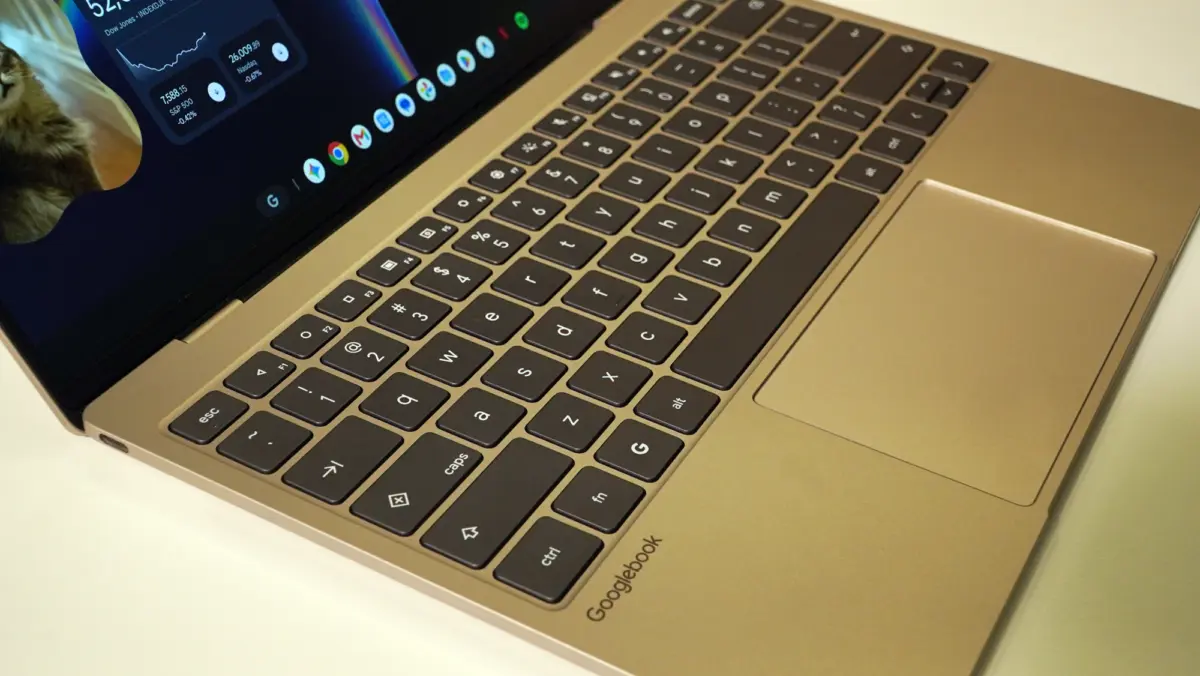
Just under a year after initial rumors began circulating throughout the tech industry regarding a secret mobile-focused operating system project codenamed Aluminium OS, Google has officially pulled back the curtain on its most significant software transition in over a decade. The tech giant has formally introduced Googlebook OS, a brand-new, Android-powered operating system built from the ground up to eventually supplant ChromeOS as Google’s primary platform for laptops and desktop-class devices.
The debut of the new operating system arrived alongside the official rollout of the first generation of "Googlebooks," a fresh hardware category developed in partnership with major manufacturers including Acer, Dell, HP, Asus, and Lenovo. While early industry speculation referred to the platform as Aluminium OS—a moniker that captured the tech world’s imagination for months—Google ultimately opted for a simpler, albeit remarkably straightforward, retail identity.
The strategy behind Googlebook OS is clear and deliberate: by anchoring the new platform heavily to Android 16 and Android 17, Google is directly targeting the massive global ecosystem of smartphone and tablet users who are already deeply familiar with the company’s mobile interface. For everyday consumers and enterprise users alike, transitioning from a mobile device to a full-fledged laptop is intended to feel entirely seamless, removing the steep learning curves traditionally associated with switching between different computing environments.
Google’s First New Operating System in 15 Years
The launch of Googlebook OS marks a monumental milestone for the Silicon Valley company, representing its first entirely new operating system introduction in 15 years. Unlike ChromeOS, which found immense success primarily in educational environments and lightweight web-browsing settings, Googlebook OS has been architected to offer a deeply intuitive experience for anyone who has ever interacted with an Android touchscreen.
At the visual core of the new platform is Google’s Material 3 Expressive Design language. Having been refined across Android iterations since Android 16, this design philosophy ensures that window management, menus, notification shading, and core navigation elements look and feel instantly recognizable to Android veterans.
Beneath this polished user interface, however, lies a robust technical foundation. Googlebook OS utilizes a native Linux kernel under the hood. This architectural choice is more than just a background detail; it enables native Linux support, giving developers, power users, and technical professionals the ability to run native Linux tools and environments directly on their laptops without requiring complex emulation layers or developer mode workarounds.
Positioned boldly in the marketplace, Google is promoting its new Googlebooks as a powerful, modern alternative to traditional Windows PCs and Apple’s MacBooks. To achieve this, the platform features access to an extensive catalog of applications available through the Google Play Store that have been specifically optimized for desktop use, windowed multitasking, and larger screen real estate. However, industry analysts note an important caveat: this does not mean the entire mobile Play Store is available out of the box. Only specifically optimized titles are supported at launch, meaning the application selection remains curated and subject to certain platform restrictions while developers adapt their software for the new ecosystem.

When it comes to entertainment and gaming, Googlebooks occupy a middle ground. The operating system includes robust native support for various gaming controllers, making it appealing for cloud gaming and casual titles. For demanding, graphics-heavy triple-A video games, however, users will need to rely entirely on cloud streaming services such as GeForce Now. The integrated local hardware powering these machines, while efficient and capable for everyday productivity, simply lacks the raw graphical horsepower required to render most modern, high-end PC games natively.
Deep Integration of Artificial Intelligence and Ecosystem Synergy
Artificial intelligence is woven deeply into the fabric of Googlebook OS, reflecting the broader industry push toward intelligent computing assistants. Rather than merely treating AI as a superficial marketing feature, Google has integrated native support for advanced AI agents, including tools like Claude CLI. Furthermore, for developers looking to build upon the platform or integrate custom intelligence into their workflows, Google has introduced Antigravity, a built-in development framework designed to streamline the programming of supplementary AI features directly within the operating system.
Google is carefully framing its new hardware lineup to avoid the pitfalls of the "AI PC" designation that Microsoft initially introduced—and subsequently faced substantial criticism for—with its early Copilot+ PC marketing campaigns. Instead of treating the integrated AI merely as a buzzword or a novelty, Google is emphasizing the practical utility of tight ecosystem synergy between the laptop and the user’s existing mobile devices.
By pairing a Googlebook with an Android smartphone or tablet, users can establish a continuous workflow that extends far beyond traditional cloud synchronization. The operating system supports the seamless transfer of not only files and documents, but active applications as well. This capability proves particularly useful when a user pushes a mobile application to its performance limits or realizes they need a larger keyboard, more screen space, and greater processing power to complete a demanding task. The transition from pocket-sized hardware to a desktop-class laptop happens fluidly, creating a unified computing experience across all personal devices.
A Decade of Guaranteed Updates and Premium Hardware Pricing
In an industry notorious for short hardware lifecycles and rapid obsolescence, Google is making a bold commitment to longevity. The company has promised a full ten years of software and security updates for all Googlebooks. Given how rapidly modern hardware architectures and software requirements evolve, a decade-long support window is an extraordinarily ambitious pledge that provides a high degree of future-proofing for consumers and enterprise buyers alike. To maintain this infrastructure, Google plans to roll out fresh software updates on a predictable quarterly schedule every three months throughout the ten-year lifecycle.
Despite the promise of long-term support and deep software integration, these new devices are entering a market currently grappling with climbing component costs and rising hardware manufacturing prices. Consequently, the entry barrier for the new Googlebook ecosystem is notably higher than the budget-friendly price points that historically defined standard Chromebooks.
The more affordable models in the launch lineup, manufactured by hardware partners Dell and HP, start at $899. Meanwhile, configurations featuring more powerful internal hardware, enhanced build materials, or larger display options from other participating manufacturers can easily scale up to $1,299 or higher, placing Googlebooks firmly in the mid-to-high tier of the modern laptop market.
Leave a Reply