
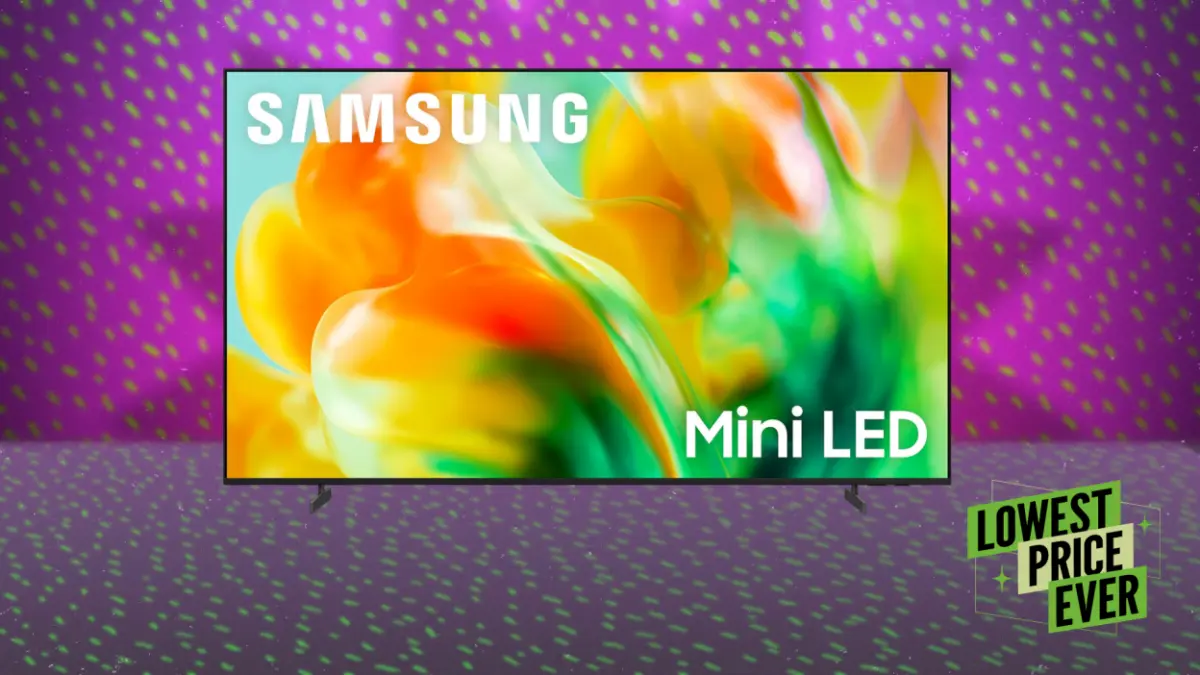
A new promotional discount has lowered the entry cost for Samsung’s 2026 television lineup, bringing the 65-inch M80H 4K Smart TV down to $647.99. Originally listed at $797.99, the $150 price reduction marks a noticeable drop for a display equipped with high-refresh-rate hardware and modern artificial intelligence processing. At the same time, the larger 75-inch version of the M80H has also received a substantial price adjustment, currently offered at a 33 percent discount that slashes $400 off its standard retail price.
The price reduction highlights an ongoing shift in the home entertainment market, where feature-rich displays featuring advanced processing and elevated refresh rates are increasingly available at mid-range price points. Within home display configurations, the 65-inch form factor continues to occupy a pivotal position. For many modern living rooms and dedicated media spaces, a 65-inch screen offers an optimal balance between scale and practical placement. It provides an immersive visual area for film viewing and video gaming without requiring the expansive wall footprint or specialized furniture arrangements often needed for larger 75-inch or 85-inch alternatives. However, for shoppers with ample physical space seeking a more expansive, theater-like visual presentation, the discounted 75-inch model offers a compelling direct upgrade paths within the same product tier.
As a 2026 release, the Samsung M80H represents an entry-level entry into the manufacturer’s line of 4K smart televisions that incorporate Mini LED backlighting technology. The underlying display framework utilizes Samsung’s Pure Spectrum Color architecture, which is engineered to maintain balanced, natural color rendering across various viewing conditions. High Dynamic Range support on the display includes HDR10+, allowing the panel to interpret dynamic metadata on a scene-by-scene or frame-by-frame basis to adjust picture output according to the content source.
At the core of the M80H’s image processing suite is Samsung’s NQ4 AI Gen2 processor. The onboard silicon handles computational picture adjustments and manages real-time resolution scaling. Because a significant portion of broadcast television, streaming video, and legacy media remains produced or transmitted in standard high-definition or 1080p formats, the processor’s 4K upscaling capabilities play a central role in maintaining image clarity. By analyzing incoming visual data, the NQ4 AI Gen2 engine fills in structural details to present lower-resolution content cleanly on the native 3840×2160 pixel grid.
Complementing the core processor is Samsung’s Vision AI software suite, which integrates automated image enhancement capabilities, including Auto HDR Remastering. This feature uses machine-learning algorithms to analyze Standard Dynamic Range (SDR) content and dynamically boost tone mapping and contrast ranges. The objective is to give older film releases, standard digital streams, and legacy video formats a revitalized visual profile that mimics the depth and vibrant contrast of native high dynamic range content without introducing unnatural color distortion.
Despite its underlying Mini LED backlighting technology, the engineering design of the M80H includes specific visual trade-offs that buyers should consider when assessing their room environment. Unlike higher-end flagship Mini LED televisions that feature intricate local dimming zones—where hundreds or thousands of individual backlighting clusters dim independently to produce absolute blacks—the M80H does not feature a local dimming array.
The absence of localized backlight control impacts contrast performance in specific viewing environments. In low-light or fully darkened viewing spaces, deep black elements in film scenes may appear closer to a dark slate gray as ambient light leaks through from the uniform backlight. Furthermore, while the Mini LED setup yields adequate baseline brightness for general daily viewing, peak HDR highlight brightness remains more constrained compared to premium-tier mini-LED alternatives equipped with robust local dimming hardware. As a result, the TV is less ideal for extremely bright living rooms subject to intense direct sunlight, though it remains fully functional for standard lighting environments.

For gaming enthusiasts, the Samsung M80H offers a specification list that sets it apart from standard budget 4K televisions, which are typically capped at a 60Hz panel refresh rate. The M80H features a native 144Hz panel, allowing it to display smooth motion output when paired with compatible high-frame-rate source devices. The television incorporates HDMI 2.1 bandwidth capability along with support for Variable Refresh Rate (VRR) tech, including AMD FreeSync Premium. These hardware integrations help reduce screen tearing, input latency, and visual stuttering during intensive gameplay sessions connected to modern gaming consoles or gaming PCs.
The television also integrates the Samsung Gaming Hub platform directly into its operating software. The integrated hub acts as a centralized dashboard for cloud-based game streaming services, enabling users to pair wireless game controllers directly to the television to play games without requiring a standalone console or PC connection.
However, prospective gaming buyers should note certain motion-handling characteristics. While the 144Hz native refresh rate provides a noticeable upgrade in overall fluid movement compared to standard entry-level 60Hz panels, high-speed camera pans and fast-moving action sequences may still exhibit minor visual motion blur. Consequently, while the display serves as an effective secondary or main living room screen for casual gaming, competitive players seeking near-instantaneous response times and absolute motion clarity might look toward high-end dedicated gaming monitors or premium OLED alternatives.
In terms of software and daily interface functionality, the M80H operates on Samsung’s proprietary Tizen operating system. The platform provides direct native access to major subscription streaming applications, digital rental services, and free ad-supported streaming TV channels. Tizen’s user interface organizes content recommendations, recently used applications, and connected external inputs into a unified central home hub.
Smart home integration is natively supported within the display’s operating system. The set features built-in Amazon Alexa compatibility, allowing users to execute voice commands for volume control, channel changes, app navigation, and smart home device management directly through the television interface. Additionally, native Apple AirPlay support is built into the TV, permitting users with iOS, iPadOS, or macOS devices to mirror media, share photos, or stream video wirelessly from Apple devices onto the 65-inch or 75-inch display canvas.
From a physical connectivity standpoint, the M80H includes a simplified input selection on its rear panel. The set provides three total HDMI ports, which allow users to connect external devices such as streaming media sticks, Blu-ray players, soundbars, or gaming devices. While three inputs are sufficient for average entertainment setups, users who maintain complex home theater gear—such as multiple gaming consoles combined with dedicated audio receivers and secondary streaming hardware—may need to manage cable connections or utilize an external HDMI switcher, as higher-end screens traditionally offer four dedicated ports.
Ultimately, the discounted $647.99 price point for the 65-inch Samsung M80H positions it as a versatile option for buyers interested in balancing screen size, smart functionality, and modern gaming features without paying a premium price. While backlight design limitations mean it lacks the deep black levels and intense local contrast found on top-tier displays, its combination of 4K upscaling via the NQ4 AI Gen2 processor, high-refresh-rate gaming support, and Tizen smart home integration offers solid overall utility for everyday media consumption, casual gaming, and general household viewing.


Leave a Reply