
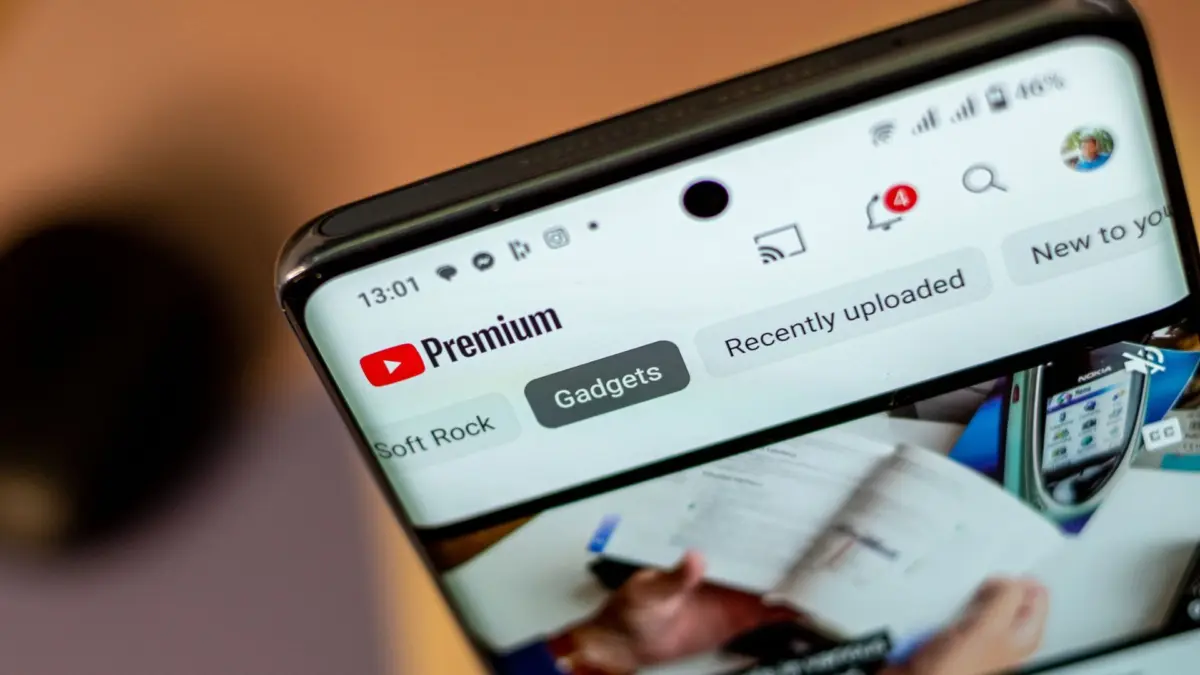
Audiobook enthusiasts may soon have a compelling new platform to add to their listening rotation. According to recent industry reports, YouTube is actively investigating an expansion into the audiobook market, with plans to integrate audiobooks directly into its flagship YouTube Premium subscription tier as early as 2027.
The initial revelation surfaced through a report by the Wall Street Journal, which highlighted that Google has reportedly engaged in preliminary discussions with various book publishers regarding the ambitious venture. While the timeline points toward a potential rollout in 2027, the prospect of combining YouTube’s massive digital ecosystem with a mainstream literary catalog has immediately caught the attention of both tech analysts and avid readers alike.
What the Rumored Integration Means for Subscribers
Current reports suggest that if the initiative moves forward as planned, audiobooks would be incorporated into the standard YouTube Premium ad-free subscription tier, which currently costs consumers roughly $16 per month. By bundling audiobooks into an existing entertainment service, Google could potentially reshape how users discover and consume long-form literary content, mirroring strategies deployed by rival streaming services in recent years.
Beyond expanding the utility of a YouTube Premium subscription, industry observers note that an official, high-quality audiobook offering could help address a persistent digital gray market. Recent data highlighted by trade publications like GoodEReader suggests that a surprising volume of listeners—roughly 45 percent of those consuming audio content categorized as audiobooks on YouTube—are actually interacting with user-uploaded, artificial intelligence-narrated versions rather than licensed, authentic editions.
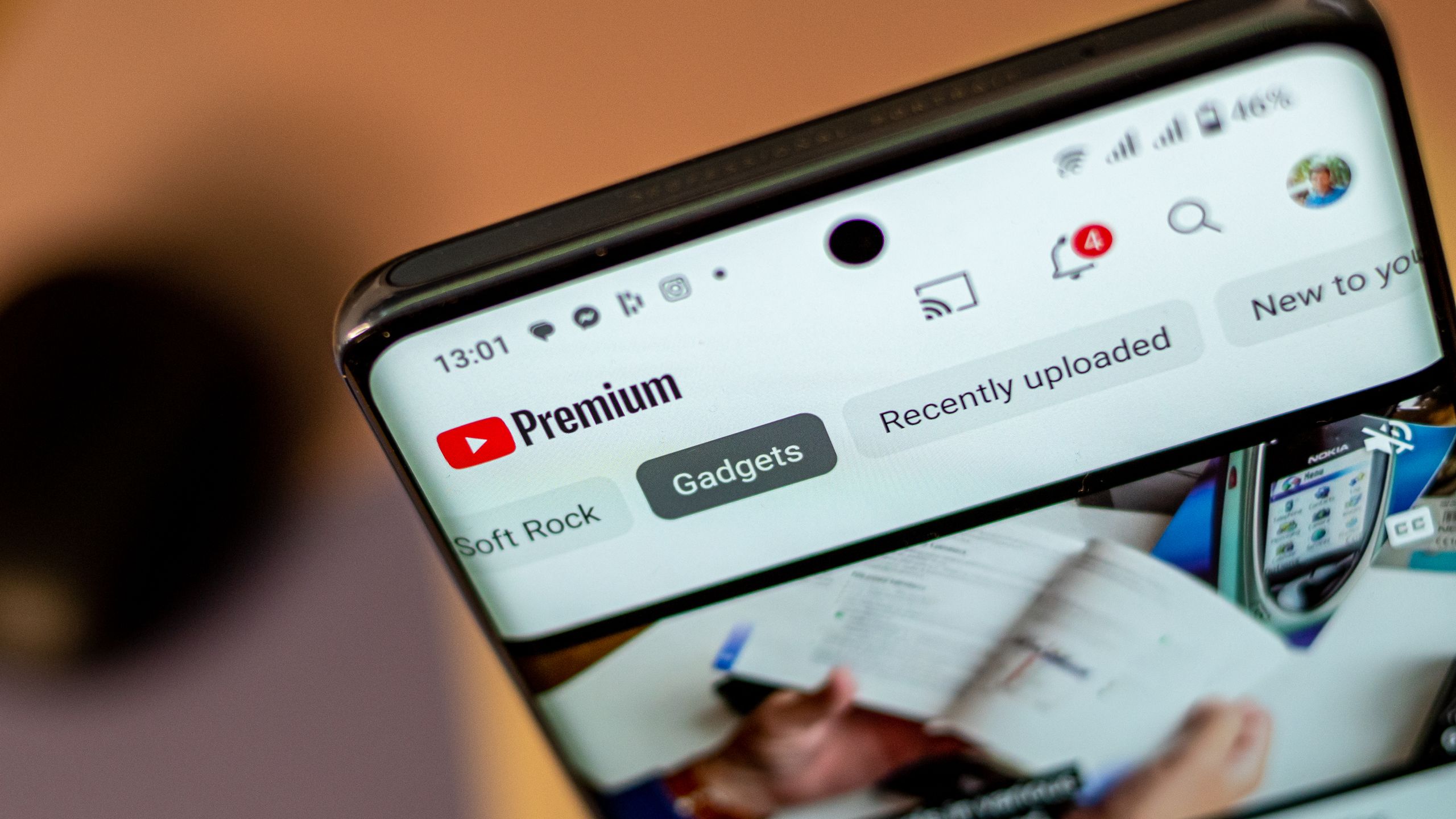
The prevalence of AI-generated narrators and unauthorized uploads has created a complex moderation and intellectual property challenge for the video-sharing giant. Introducing a legitimate, high-tier catalog of publisher-approved audiobooks directly into YouTube Premium would provide users with a polished, professional listening experience complete with authentic narration, while simultaneously offering creators and publishers a secure, authorized revenue channel on a platform where millions of users already spend hours every day.
Even so, industry watchers caution that these plans remain in early exploratory phases. YouTube has not yet issued any official confirmation regarding the integration of audiobooks, and corporate strategies can shift significantly over a multi-year horizon leading up to a projected 2027 launch window.
YouTube Branches Out in a Competitive Landscape
The rumored pivot toward audiobooks highlights YouTube’s broader ambition to diversify its content library far beyond traditional user-generated video content, music streaming, and live broadcasts. However, entering the digital audiobook space means stepping into a heavily contested market dominated by entrenched heavyweights.
For decades, Amazon-owned Audible has reigned supreme as the definitive household name for audiobook consumption, commanding a massive library and deep consumer loyalty. More recently, however, the landscape has experienced aggressive disruption. Spotify made major waves in the streaming industry by challenging Audible directly with the introduction of monthly audiobook offerings integrated into its own premium subscriptions.
When Spotify launched its audiobook initiative for Spotify Premium subscribers, it initially provided users in markets like the United States and the United Kingdom with 15 hours of listening time per month as part of their existing plans. Subscribers who exhausted their monthly allotment were given options to purchase additional hours or buy titles on an a la carte basis. As Spotify’s audiobook catalog expanded well beyond its initial 200,000-title milestone, the company continued to refine its monetization model, eventually introducing a dedicated "Audiobook Access" tier priced at $9.99 per month for users seeking standard listening allowances without full music streaming perks.
For YouTube, building a competitive presence in this space will require navigating complex licensing agreements, publisher relations, and user interface adjustments to ensure audio playback feels natural within an ecosystem historically built around visual media. When consumers think of established platforms, specific associations are deeply ingrained: Spotify is universally linked to music, Audible to spoken-word books, and YouTube primarily to video entertainment.
Whether a substantial enough segment of the market will embrace YouTube as a primary destination for literature remains to be seen. Nevertheless, the fact that platform executives are actively evaluating the category—prompted in part by existing consumption trends and the unique hurdles of AI-generated media—demonstrates that the streaming giant is looking for fresh ways to deliver value to its paying subscribers. As development continues toward the rumored 2027 window, industry analysts will be watching closely to see if YouTube officially solidifies its entry into the booming audiobook economy.

Leave a Reply