
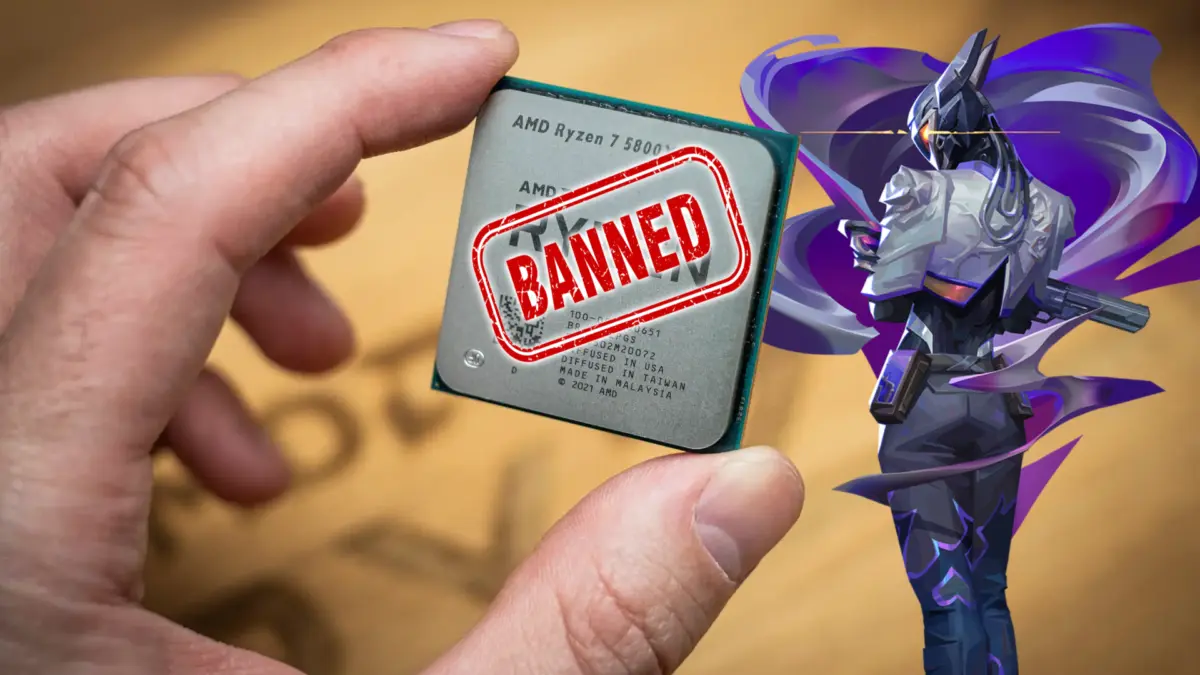
When you purchase PC hardware through online marketplaces or secondhand listings, you accept a standard set of risks. Without a manufacturer’s warranty, you roll the dice on whether a used graphics card, processor, or motherboard will arrive in working order, free of hidden damage or the wear and tear of intense overclocking. However, a less conventional and deeply frustrating hazard is emerging for PC gamers trying to save money in an era of soaring hardware costs: hardware-level bans inherited straight from a previous owner.
As competitive online multiplayer titles adopt increasingly sophisticated, invasive security measures, modern anti-cheat systems are no longer content with merely banning user accounts or IP addresses. They now flag and blacklist individual PC components down to the physical hardware. For the growing market of budget-conscious gamers hunting for deals on used components, this technical reality introduces a bizarre and costly nightmare scenario. An unsuspecting buyer can plug a completely functional, second-hand part into their system, boot up their favorite game, and find themselves instantly hit with a permanent ban through no fault of their own.
The Hidden Risk of Hardware Bans on the Secondhand Market
While the phenomenon remains relatively rare, documented cases are surfacing across gaming communities and support forums. The mechanics of the issue are straightforward yet devastating for the buyer. Consider a hypothetical scenario where a player gets caught using unauthorized third-party cheat software in a competitive shooter like Valorant. Their user account is swiftly identified and banned by the game’s developer. Sometime later, looking to recoup some cash or upgrade their setup, that same player lists their old graphics card or processor on a platform like eBay or Reddit.
An innocent buyer then purchases the hardware, installs it into their rig, and logs into the game using their own pristine, non-cheating account. Within moments of launching the game, the system detects the blacklisted component serial numbers or identifiers and triggers an immediate ban on the new owner’s account as well.

This exact scenario was recently highlighted in a widely discussed Reddit post from a German Valorant player. The user reported purchasing a secondhand AMD Ryzen 7 5800X3D processor. The CPU functioned perfectly from a hardware standpoint, but the moment the buyer logged into the game, they were hit with an instant ban. Upon contacting developer Riot Games for support, they were informed that no appeal would be granted. Worse still, the developer noted that the player’s other connected components—including their motherboard and storage drives—had also been automatically blacklisted by the Vanguard anti-cheat ecosystem.
Deep System Hooks and Hardware Fingerprinting
Modern anti-cheat software requires deep integration into a PC’s operating system, running at the kernel level to monitor background processes and memory integrity. To achieve this level of security, titles utilizing aggressive anti-cheat platforms often mandate specific motherboard configurations. For instance, Vanguard requires features like Secure Boot and a Trusted Platform Module to be active in the system BIOS, which is part of the reason why popular competitive games remain unsupported on platforms like Linux or SteamOS.
Because these programs operate with deep system-level access, they can map and fingerprint individual hardware components far beyond a simple user profile or network address. While developers guard the exact specifics of their security detections as trade secrets, industry experts note that kernel-level tools can technically track a wide array of physical components. This includes unique identifiers tied to motherboards, processors, storage drives, graphics cards, and even specific peripheral configurations.
This practice of hardware-level identification—often referred to as a hardware ID or HWID ban—is designed to stop persistent cheaters from simply creating a new free-to-play account after being caught. However, when those banned components leave the original owner’s possession and enter the secondary market, the security systems cannot distinguish between a cheater trying to evade a ban and an innocent buyer who simply installed a used part.

Requests for comment sent to major game publishers and anti-cheat operators—including Riot Games regarding Vanguard, Valve regarding Valve Anti-Cheat, and Epic Games regarding Easy Anti-Cheat—regarding guidance for buyers and potential recourse for false positives went unanswered prior to publication. Historically, customer support desks across the industry have maintained a strict stance against lifting HWID bans, leaving affected players with little to no recourse.
Navigating the Used Hardware Market Amid Rising Prices
Despite these risks, the secondhand market for PC components is thriving. With graphics cards, processors, and memory modules commanding high retail prices, budget-conscious gamers frequently turn to used marketplaces to build or upgrade their rigs. This economic reality means that the sheer volume of used hardware transactions has increased, likely driving up the absolute number of false positives encountered by unsuspecting buyers, even if the overall percentage remains low relative to total sales.
The fundamental challenge for consumers is that there is no reliable way to verify whether a used component has been blacklisted before completing a purchase, short of trusting the word of a seller who may have every incentive to conceal a history of cheating. Unless a seller willingly discloses that a part was pulled from a system penalized by an anti-cheat engine, a buyer has virtually no way of knowing what digital baggage is attached to the hardware.
For gamers looking to take advantage of secondhand deals, the situation underscores the importance of knowing the provenance of hardware components, particularly when buying from acquaintances or online platforms. As anti-cheat systems become more aggressive in tracking hardware identities, the old adage of buyer beware now extends far beyond whether a used part simply turns on—it now includes whether the component’s digital history will keep you out of your favorite games entirely.

Leave a Reply