
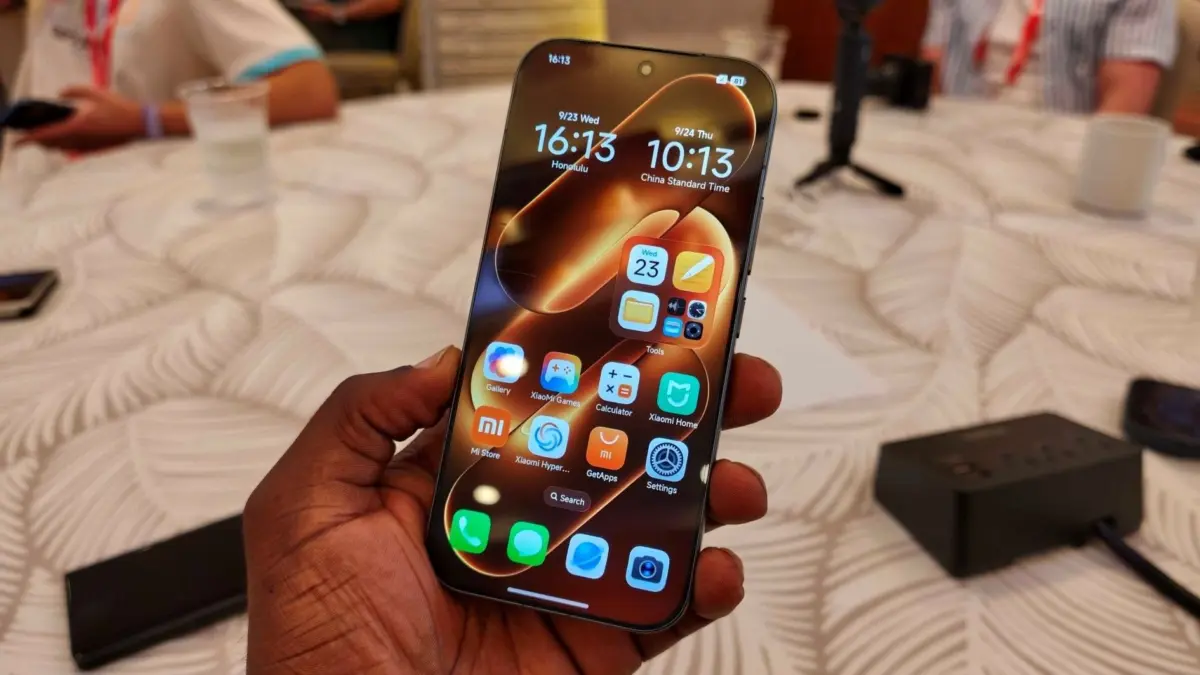
Xiaomi has once again secured a major industry milestone, becoming the first smartphone manufacturer to bring a device to market featuring Qualcomm’s latest flagship silicon, the Snapdragon 8 Elite Gen 6 series. The company officially launched the Xiaomi 18 Pro and 18 Pro Max in China, following a closely watched debut that drew significant attention from mobile technology enthusiasts worldwide. Following a hands-on preview of the devices at the Snapdragon Summit—where Qualcomm showcased its latest processors, hardware innovations, and ecosystem advancements—the new lineup proves to be a fascinating glimpse into the future of high-end mobile engineering.
There is a considerable amount to appreciate within the new hardware iteration, ranging from the raw processing capabilities of the new chipsets to the distinctive secondary display integrated around the rear camera modules. However, some of the most compelling aspects of the Xiaomi 18 Pro extend well beyond its headline specifications, including a sophisticated new hardware feature that cleverly borrows from and refines one of Samsung’s most prominent recent display innovations.
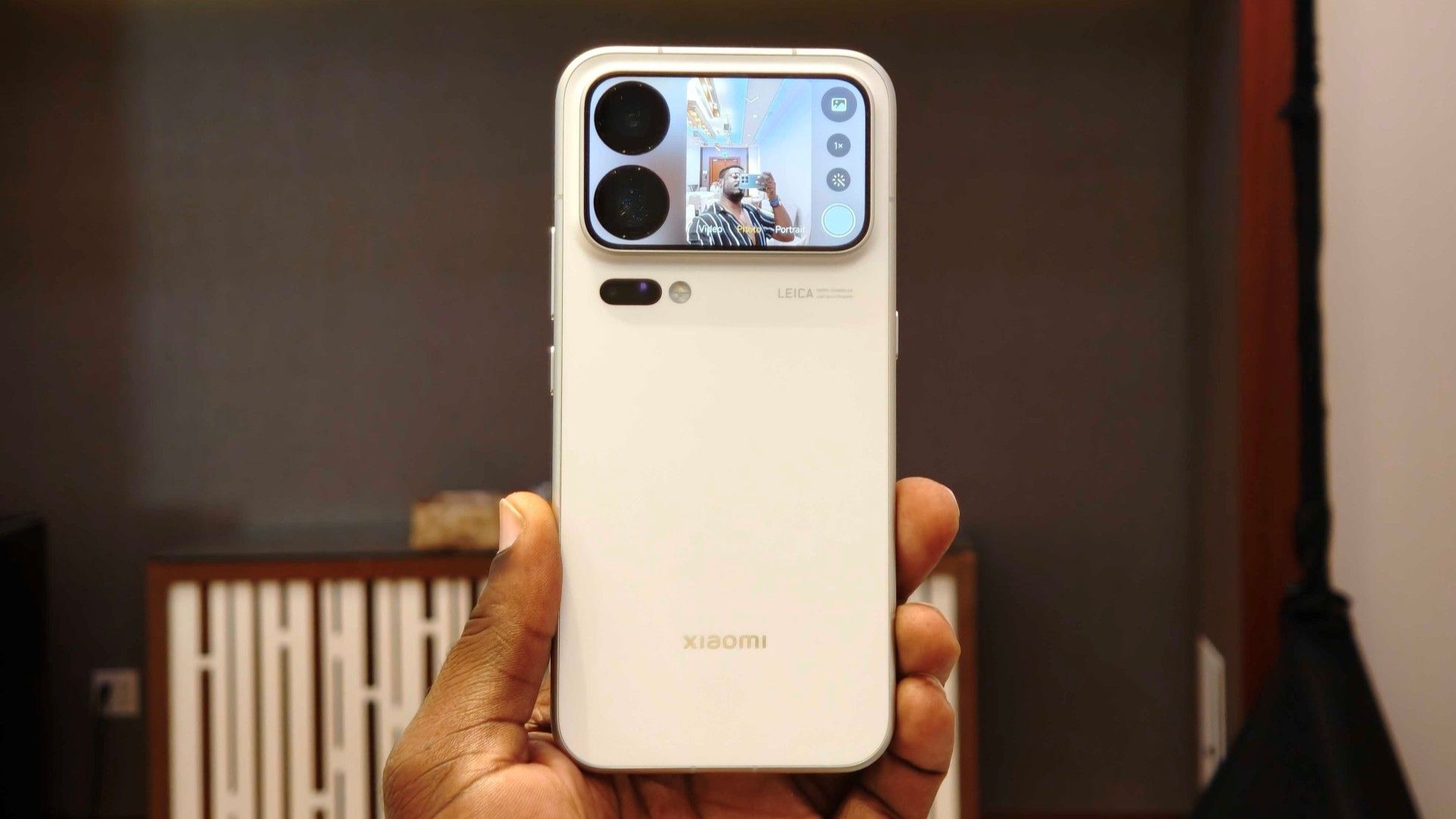
On the surface, the aesthetic architecture of the Xiaomi 18 Pro and Pro Max does not deviate dramatically from its immediate predecessor. The external chassis maintains a nearly identical design identity to the Xiaomi 17 Pro series, characterized by a thick, boxy profile and the prominent rear camera display window. Yet, this continuity offers a distinct advantage for international consumers, as last year’s iteration remained an exclusive release for the Chinese domestic market. By maintaining this form factor while expanding distribution plans, Xiaomi is opening the door for a much wider audience to experience its most experimental hardware designs outside of Asia.
When picked up, the Xiaomi 18 Pro and Pro Max present a notable physical profile. Both devices feel substantial and relatively thick in the hand, yet they maintain a surprisingly light overall weight. This impressive balance is largely attributed to the integration of massive silicon-carbon batteries. The standard Pro model houses a robust 7,000mAh battery, while the Pro Max steps up to an enormous 8,500mAh power cell. Compared to the previous generation, these capacities represent an increase of up to 1,000mAh, pushing the boundaries of what consumers can expect from daily battery endurance in a traditional smartphone footprint.
While the color palette includes a selection of standard professional finishes, certain choices stand out visually. The Galaxy Blue variant, for instance, features a striking textured design that reacts dynamically to direct sunlight, shifting in appearance depending on the angle. Additionally, a transparent color option evokes strong aesthetic parallels to devices from brands like Nothing and Apple’s Product Red initiative, easily standing out as one of the most visually distinctive options in the lineup.
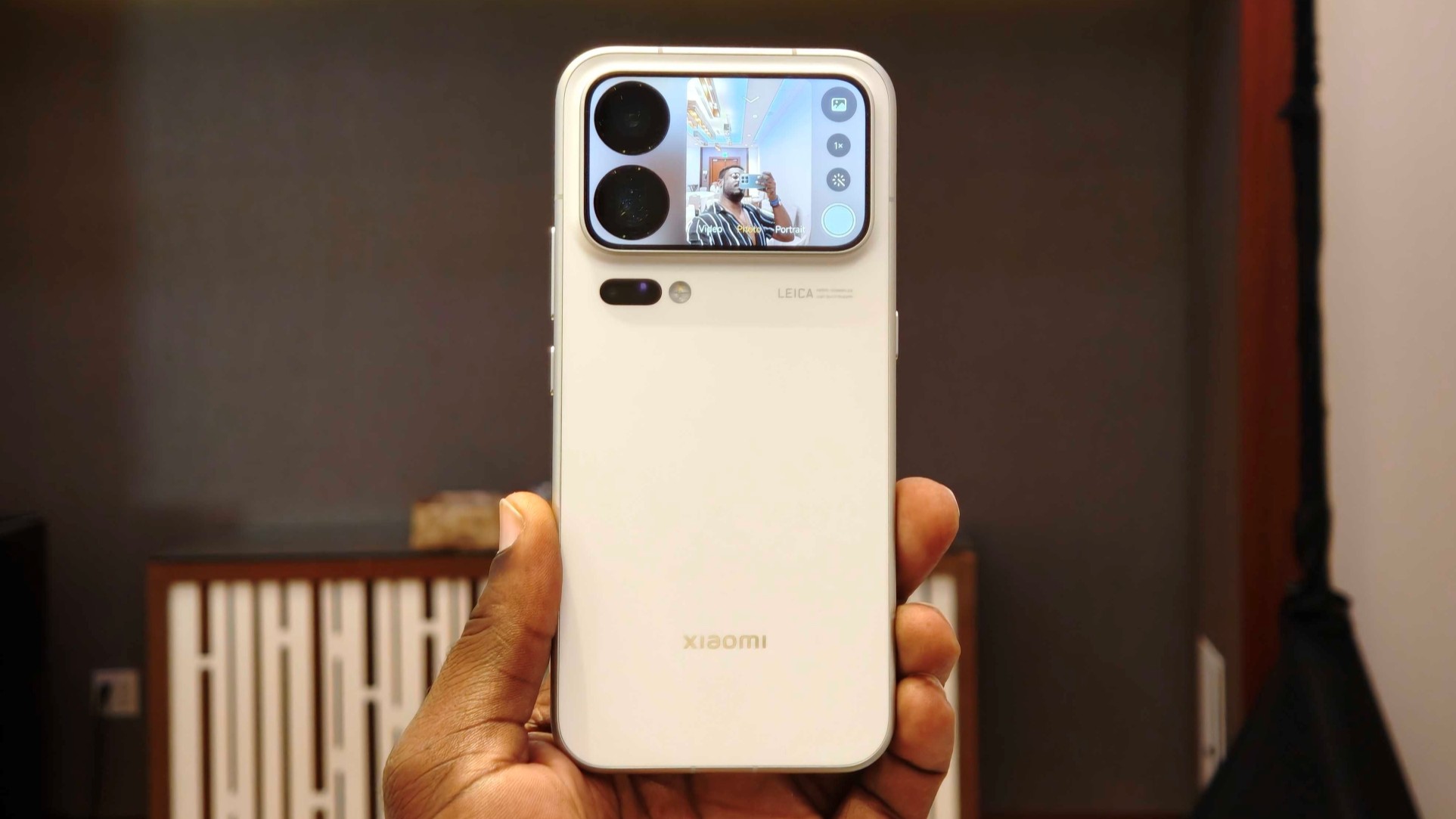
Perhaps the most immediately eye-catching hardware addition is the 2.7-inch secondary display positioned on the rear of the device. This auxiliary screen injects a distinct sense of personality into the phone, supported by a curated selection of customizable wallpapers and interactive widgets. Beyond visual flair, the rear screen serves highly practical functions, enabling users to monitor incoming notifications, toggle system settings quickly, and frame high-resolution selfies. By leveraging the primary 200MP rear camera sensors for self-portraits via the secondary display, users can capture significantly higher-quality images than what is typically achievable with a standard front-facing punch-hole camera.
Xiaomi has also indicated that this rear display will integrate various artificial intelligence features designed to run efficiently on the smaller panel. Utilizing a smaller, secondary 120Hz display for routine tasks and quick interactions is expected to contribute meaningfully to overall battery preservation, ensuring that the primary screen remains inactive during brief check-ins.
This implementation naturally draws comparisons to the cover screens found on modern clamshell foldable phones, such as the Motorola Razr Ultra 2026. For users who rely heavily on external screens to launch applications, reply to messages, and snap photos without fully unfolding their devices, the Xiaomi 18 Pro offers a similar utility. However, for consumers who prefer traditional slate smartphones, this design serves as a viable alternative that bypasses the structural compromises traditionally associated with foldables, such as smaller internal batteries, less robust camera arrays, or increased mechanical complexity.
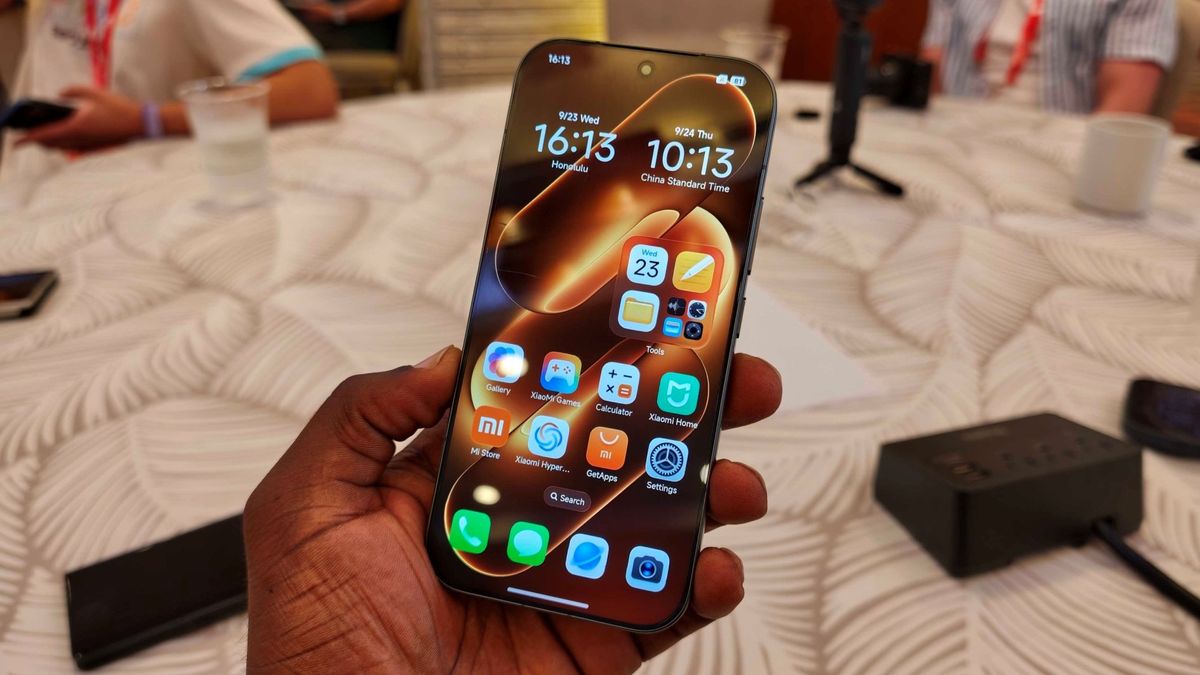
Yet, the secondary screen is not the most technologically advanced or secure feature embedded within the Xiaomi 18 Pro series. Following the trajectory set by Samsung with the Galaxy S26 Ultra, Xiaomi has equipped its new flagships with a proprietary Privacy Display. According to the manufacturer, this custom implementation surpasses Samsung’s solution in real-world effectiveness, a feat achieved through a radically unique physical pixel arrangement. This innovative sub-pixel layout allows Xiaomi to deliver advanced privacy filtering directly at the hardware level without sacrificing overall panel brightness, color accuracy, or general display quality.
Furthermore, the software implementation surrounding the Privacy Display is remarkably robust. It extends far beyond the traditional function of masking sensitive notifications or hiding specific applications from prying eyes. Users can leverage the system to obscure individual apps running in split-screen layouts or floating window modes, giving users granular control over what can be seen from acute viewing angles. The introduction of such advanced hardware-level privacy controls to a broader segment of the Android ecosystem marks a notable step forward for mobile security.
The Xiaomi 18 Pro series is currently available for purchase in China, with a broader global rollout scheduled to take place later in the year. While Xiaomi has not yet disclosed specific dates or regional availability for international markets, industry expectations suggest that North America will likely remain outside the primary expansion strategy. Nevertheless, backed by Qualcomm’s cutting-edge mobile silicon, high-end Leica-engineered camera systems, and a dual-display configuration packed with functional utility, the Xiaomi 18 Pro series stands out as one of the most intriguing hardware releases of the year for mobile technology observers worldwide.



Leave a Reply