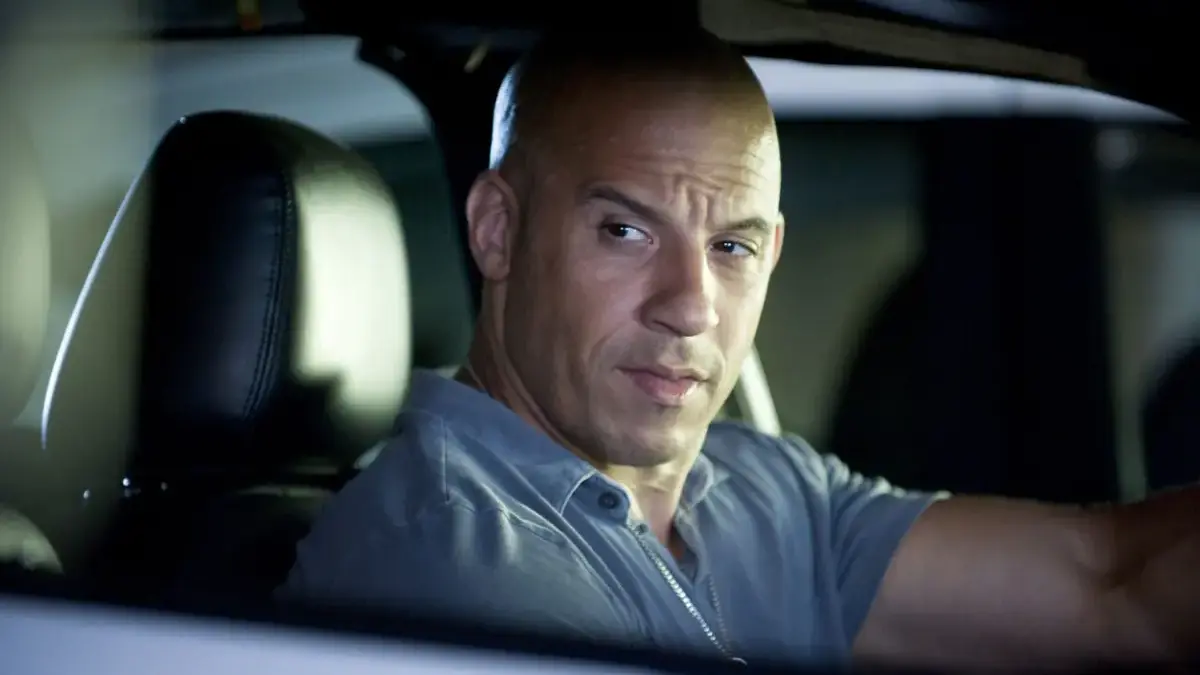
For a long time, many viewers assumed the Fast & Furious franchise was beneath them. The films initially appeared to be nothing more than a series of vapid car commercials, and for those who were not deeply immersed in automotive culture, the appeal was entirely lost. However, cultural shifts and prolonged periods of staying indoors during the pandemic led many reluctant watchers to give the first installment a chance, only to discover a surprising amount of genuine entertainment. Before long, viewers found themselves watching every single installment in the sprawling saga, completely won over by the franchise’s central, unyielding thesis: the absolute power of family.
Including the Hobbs & Shaw spinoff movie, there have been 11 Fast & Furious films released to date, with a 12th and final feature currently on the way to close out the main storyline. While nearly all of them possess their own unique, over-the-top charm and memorable action sequences, Fast Five remains the undisputed high-water mark of the franchise. It earned this reputation through the brilliant way it repositioned the entire cinematic universe, utilized the best possible combination of characters—including the late Paul Walker—and leaned heavily on grounded, practical effects to take audiences along for a visceral, white-knuckle ride. Although Fast Five has been streaming on platforms like Netflix throughout the summer months, it is scheduled to drive off into the sunset, making it the ideal moment for both longtime fans and curious newcomers to revisit this modern action classic.
How Fast & Furious Got to Fast Five
Before the release of Fast Five, the Fast & Furious movies were fundamentally grounded in the subculture of illegal street racing. Vin Diesel’s character, Dominic Toretto, was established as a revered street-racing icon, while the rest of the cast comprised his fiercely loyal friends, surrogate family members, and high-stakes rivals. Paul Walker originally entered the narrative as an undercover LAPD officer tasked with infiltrating the underground Los Angeles street-racing scene to bust a ring of hijackers. However, as Walker’s character, Brian O’Conner, immersed himself in the culture, he realized that the brotherhood offered by Dom’s world held a magnetic appeal. He also quickly fell in love with Dom’s sister, Mia, played by Jordana Brewster, leading him to abandon his badge, embrace street racing, and cast his lot with the outlaws.
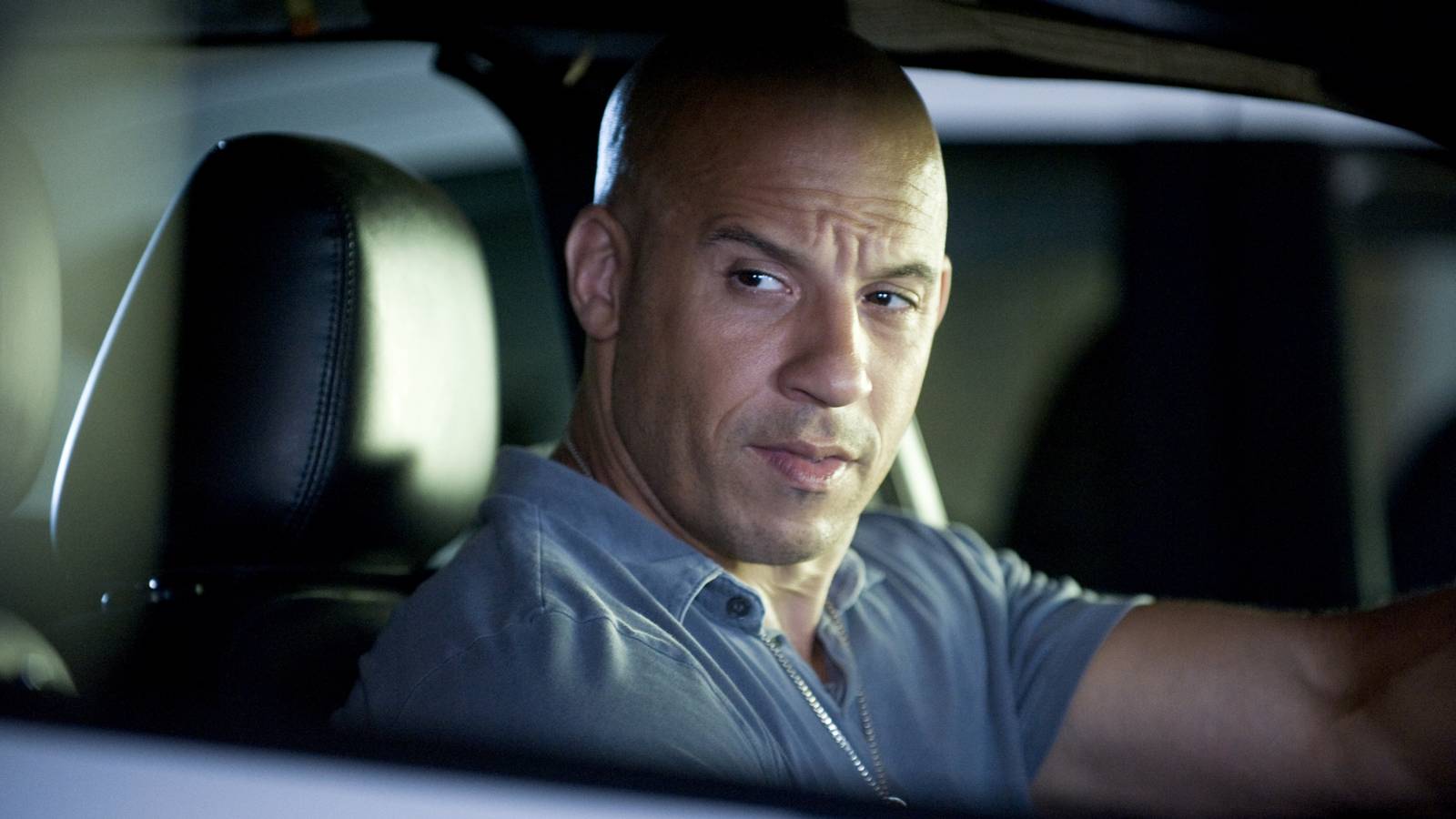
Over the course of the subsequent sequels, Brian’s allegiances and legal status shifted repeatedly—he later joined the FBI, only to go rogue once more to help his friends. Fast Five picks up directly in the wake of those turbulent events, finding the core crew on the run and desperate for stability. Crucially, Fast Five marked a major turning point as the first film in the franchise to decisively pivot away from street racing as its primary narrative engine. Instead, the film refashioned itself as a high-stakes, international heist movie. Dominic, Brian, and a reunited crew of specialists plot to steal $100 million from a ruthless, corrupt Brazilian businessman so that they can finally secure their freedom and start entirely new lives.
While hiding out in the vibrant and chaotic backdrop of Rio de Janeiro, where the vast majority of the movie takes place, Dom, Brian, Mia, and the rest of the crew find themselves hunted by American Diplomatic Security Service (DSS) agents. They are falsely blamed for the brutal murder of several DEA agents—a setup engineered by the very corrupt businessman they are targeting. Before the grand heist can be executed, these elite DSS agents, led by the imposing federal marshal Luke Hobbs, played by Dwayne Johnson, successfully capture Dom, Brian, and a couple of their crew members.
However, the dynamic shifts dramatically when Hobbs’s own strike team is ambushed and massacred by the businessman’s private army. Left for dead, Hobbs is saved by Dom and Brian, an act of grace that forces the hardened federal agent to realize that the fugitive street racers are fundamentally honorable men. Hobbs joins forces with them for the climactic heist, leading to one of the most famous action sequences in modern cinematic history: two heavily modified Dodge Chargers, driven respectively by Dom and Brian, physically tethered to a massive, hundred-million-dollar bank vault that they violently drag through the congested streets of Rio de Janeiro. In the end, they successfully outmaneuver both the cartel and international law enforcement, slipping away into the horizon as exceptionally wealthy fugitives.

The Secret to the Formula and the Franchise’s Evolution
What truly makes Fast Five work on a structural and emotional level is the fact that it tells a remarkably straightforward, easy-to-digest heist story. While the overarching mythology and criminal records of the characters can occasionally feel convoluted across multiple sequels, the core plot of Fast Five boils down to a tight, cohesive narrative about underdogs plotting to steal a fortune from an irredeemable villain. This narrative clarity makes it effortlessly easy for the audience to root for the protagonists, anchoring the high-octane spectacle in relatable human stakes.
In the films that followed Fast Five, Dom’s crew underwent another significant evolution, repositioned by the screenwriters as an elite, quasi-governmental black-ops spy team. They were routinely called upon by intelligence agencies whenever a global crisis required a specialized group of individuals who simply happened to excel at driving vehicles at impossible speeds. While these later sequels largely worked as blockbuster entertainment and arguably offered even grander spectacle than the original street-racing pictures, they increasingly began to resemble the Mission: Impossible franchise rather than a distinct automotive saga.
Fast Five found the absolute sweet spot in the franchise’s evolution. The characters remained outlaw racers at heart, but they were executing an elaborate, clever heist because they had a personal vendetta against a powerful, corrupt billionaire. They were still street outlaws, not international superspies saving the free world from cybernetic terrorists or rogue nuclear launch codes.
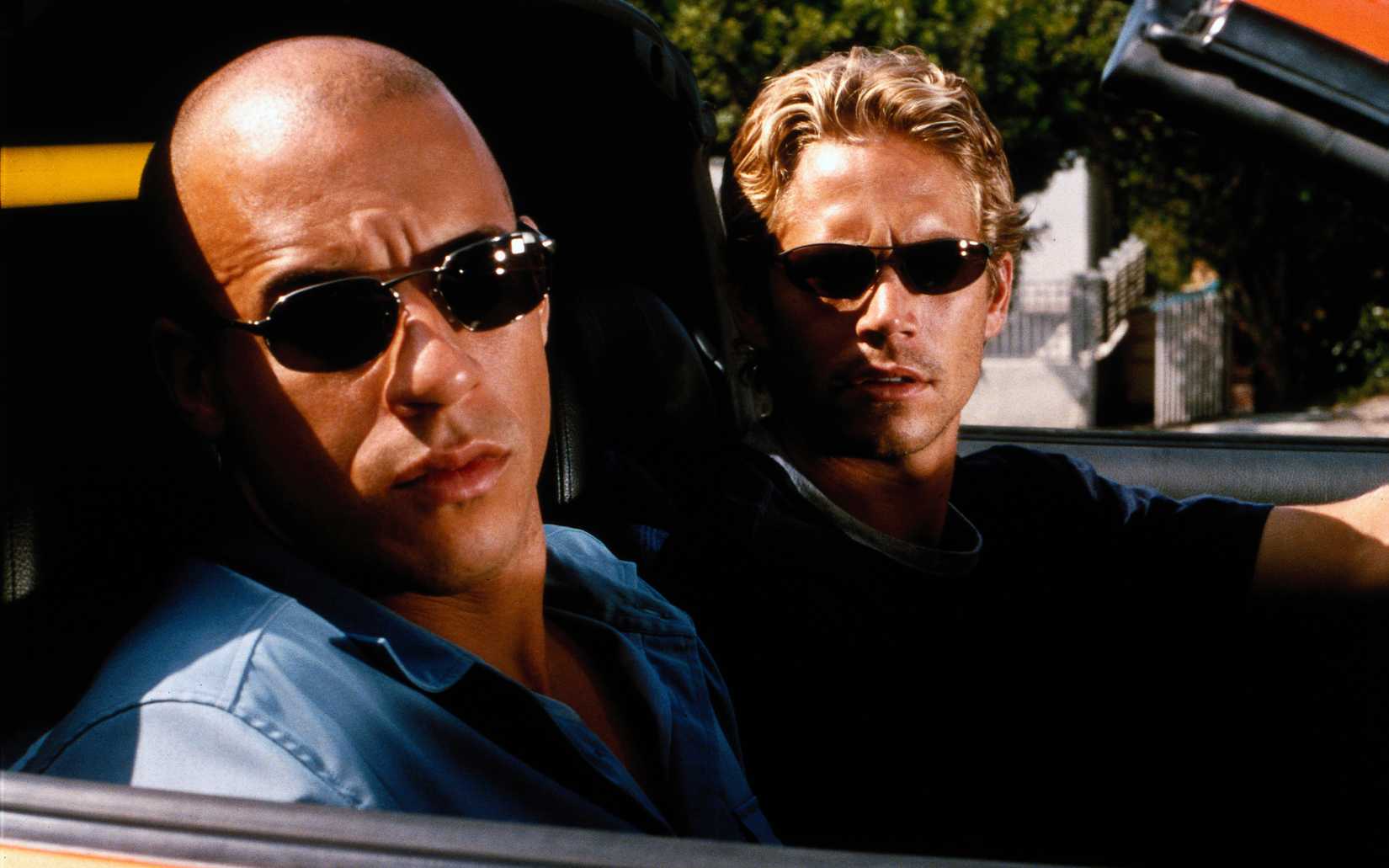
Furthermore, the franchise has always leaned heavily on its memorable ensemble cast, but the beating heart of the series has always been the profound brotherhood between Dominic Toretto and Brian O’Conner. Paul Walker brought an undeniable, disarming charm to the role, and his chemistry with Vin Diesel established the emotional foundation that carried the entire cinematic universe. That brotherhood is permanently cemented in Fast Five. It serves as the first film in the series where Dom and Brian spend the entirety of the runtime fighting on the exact same side from the opening act onward. Compounding this emotional weight is the revelation that Mia is pregnant with Brian’s child, transforming their tight-knit crew into an actual, biological family.
While subsequent installments like the sixth and seventh films continued to explore this dynamic, tragedy struck midway through the production of Furious 7 with the untimely death of Paul Walker. Filmmakers utilized innovative digital effects, body doubles—including Walker’s own brothers—and clever editing to complete his storyline. While the resulting tribute was executed with immense care and respect, viewers could still perceive the structural shifts required to rework the film mid-production. Following that monumental entry, Brian’s character remained alive within the internal continuity of the universe, but he officially retired to live a quiet domestic life with Mia, remaining permanently offscreen during the eighth, ninth, and tenth installments. Although those later movies remained commercially successful and entertaining, a vital piece of the franchise’s soul was unmistakably absent.
Practical Stunts Versus Digital Excess
Beyond the characters and the emotional core, the primary reason audiences flock to theaters for these films is the action, and Fast Five holds a definitive advantage over every other entry in the series. The legendary bank vault sequence, which was primarily filmed in Puerto Rico standing in for the urban sprawl of Rio de Janeiro, relied heavily on real-world destruction and tangible car combat. While computer-generated imagery was utilized to touch up certain background elements and ensure safety, a large portion of the vault action was entirely practical. The production team built a drivable, motorized vault chassis that was actually piloted through city streets, physically smashing into police cruisers, street signs, and storefronts with authentic weight and momentum.
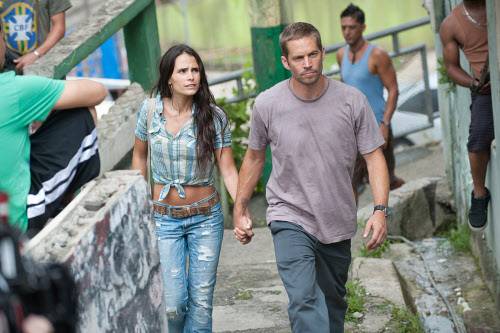
Following this film, as the franchise plunged deeper into its superspy era, the set pieces began to transcend the laws of physics and common sense to an unprecedented degree. Naturally, this escalation brought an exponentially heavier reliance on CGI. The most notorious and frequently cited example of this shift is the infamous sequence in F9 where two of the main characters successfully modify a Pontiac Fiero and literally drive a car into outer space.
Despite these escalating spectacles, upcoming plans for the franchise’s grand finale, currently referred to by working titles and casting updates, suggest that the creative leadership may still be missing the fundamental lesson of what made the series great. Vin Diesel recently outlined his primary demands for the final film, publicly declaring that the conclusion should return the franchise to its roots in Los Angeles, bring back traditional street racing, and feature a full narrative reunion between Dom and Brian.
While returning the action to Los Angeles is a nostalgic nod to the 2001 original, the street-racing concept had already run its course by the time the fourth film rolled around—which is precisely why the franchise was forced to reinvent itself in the first place. Moreover, while Furious 7 managed a respectful and emotionally resonant send-off for Paul Walker using archival footage, stand-ins, and digital face replacement, attempting to digitally resurrect the character for an entire feature film crosses a boundary. Such an endeavor risks feeling deeply exploitative and disrespectful to the late actor’s legacy, while actively undermining the poetic, graceful narrative closure that the seventh film worked so hard to achieve.
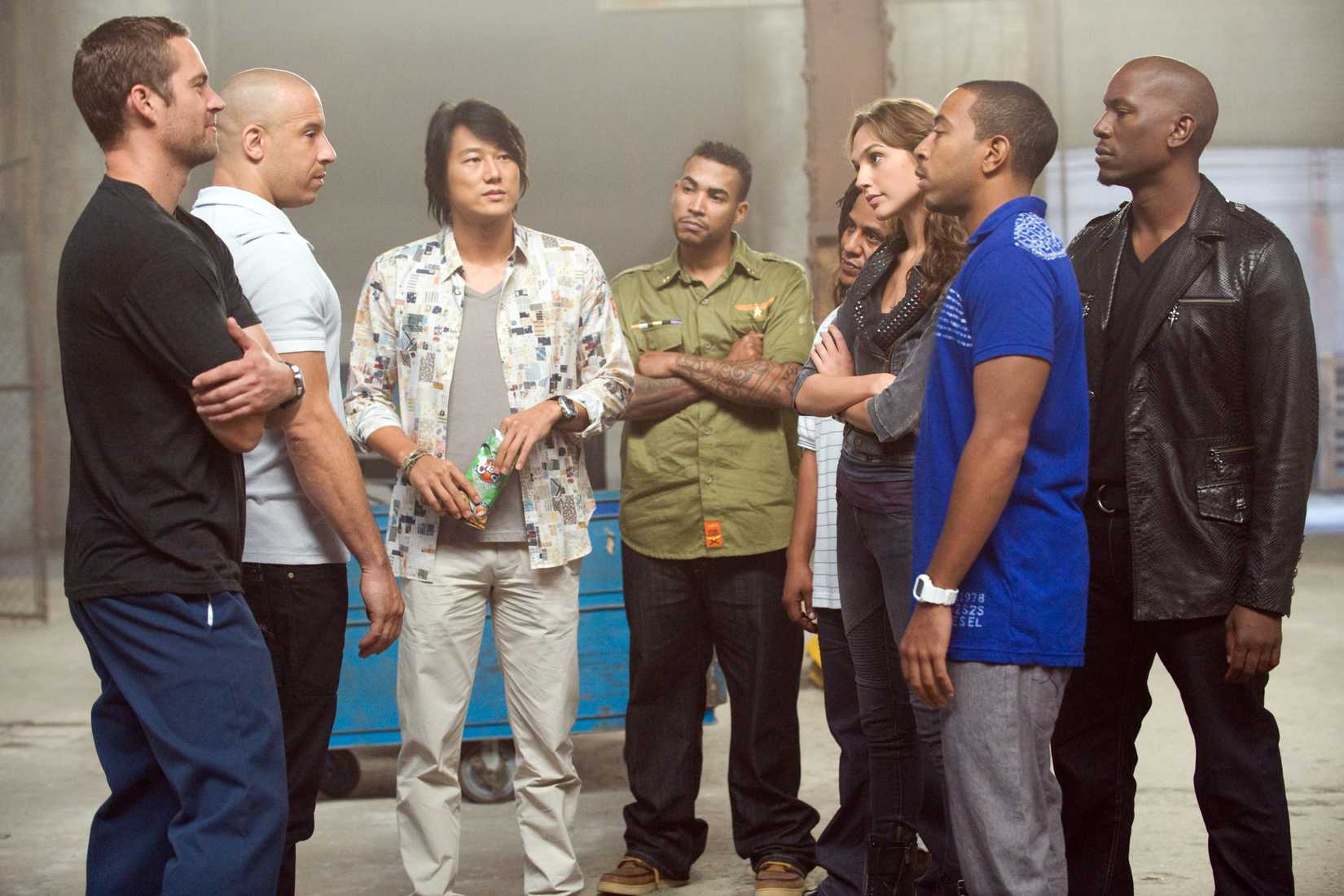
With all due respect to the franchise’s leading star and producer, the final chapter would be far better served by looking back at the lessons of the undisputed champion of the series. The true takeaway from Fast Five is not that street racing should be endlessly recycled, nor that digital technology can replace tangible stakes. Instead, the ultimate lesson is that grounded, practical stunt work paired with a cohesive, character-driven heist narrative will always leave computer-generated space travel and overcomplicated espionage in the dust.