
The mobile landscape in 2026 is fiercely competitive, with global manufacturers pushing the boundaries of hardware design, camera capabilities, and artificial intelligence integration. Amidst a crowded field of high-end releases, switching devices often reveals the subtle compromises manufacturers make in pursuit of the ultimate flagship. Moving from the Oppo Find X9 Ultra to the newly minted Google Pixel 11 Pro XL offered a fresh perspective on what makes a smartphone truly compelling for day-to-day use. While Google’s ecosystem still faces stiff competition in raw camera dominance and battery endurance from rivals, spending two weeks with the Pixel 11 Pro XL highlights meaningful generational differences that elevate it above its predecessors.
With access to virtually every major flagship released in 2026, the device currently housing the primary SIM card is Google’s latest offering. Beyond a simple preference for Google’s vision of the Android operating system, the 11 Pro XL excels across several crucial performance and usability metrics, cementing its place as a dependable daily driver.
There’s a lot to like with the software
Artificial intelligence continues to be a polarizing subject among mobile enthusiasts. Google’s persistent integration of AI-assisted tools into nearly every facet of its software can occasionally feel overwhelming or tedious. However, specific features manage to deliver genuine utility. Proactive Intelligence performs admirably when surfacing relevant, contextual information throughout the day, while the Rambler tool has successfully revitalized voice dictation habits for note-taking due to its sheer speed and accuracy. There is little doubt that the Pixel 11 Pro XL houses the most refined on-device AI suite currently available on any smartphone.
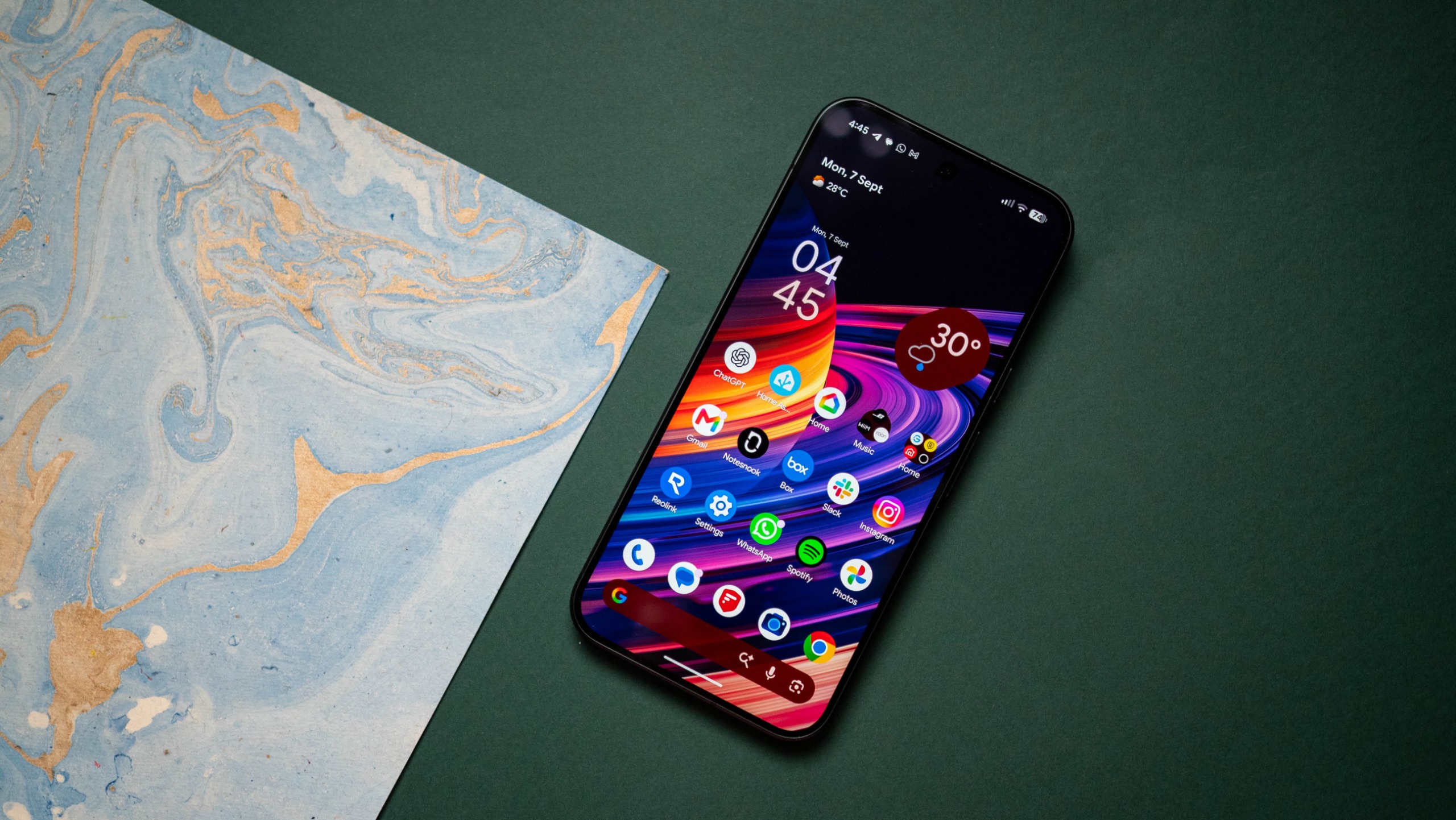
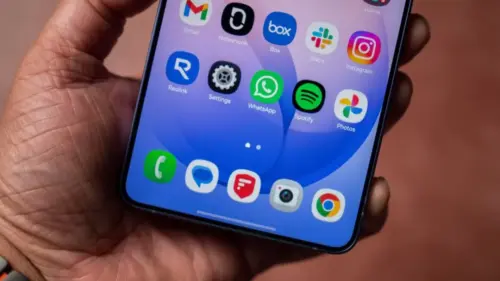
Even for users who prefer to bypass these advanced AI capabilities, the broader software experience remains a major selling point. The interface adopts a clean, modern aesthetic that avoids unnecessary clutter. Furthermore, the platform offers extensive customizability, allowing users to tailor the visual presentation to their exact preferences. While the vibrant "Material You" design language may not appeal to everyone universally, the cheerful color palette and Google’s commitment to rolling out frequent, meaningful feature drops ensure the interface feels fresh and responsive.
The hardware is actually good
For years, critics have noted that Google’s Tensor development cycle has leaned heavily into Neural Processing Unit (NPU) enhancements while occasionally neglecting baseline processing power. Fortunately, the Tensor G6 represents a notable step forward compared to previous iterations. While it still trails the absolute peak benchmark scores achieved by the latest-generation Qualcomm and MediaTek silicon found in competing hardware, the G6 delivers noticeable improvements in day-to-day multitasking. The overall fluidity of the system is visibly sharper. Although visually demanding, high-end 3D games can still occasionally stress the processor, the platform proves remarkably reliable and stable across all other common operational scenarios.
In contrast, the 6.8-inch OLED panel stands firmly among the finest displays on the market. It produces exceptionally rich colors and achieves peak brightness levels that comfortably surpass most other flagship devices released throughout 2026, holding up astonishingly well under harsh environmental conditions like India’s punishing heat. It is worth noting for display-sensitive users that the 11 Pro XL lacks high PWM dimming—a feature commonly integrated into contemporary Chinese flagship alternatives like the Oppo Find X9 Pro or the Vivo X300 Pro. Those who experience eye strain from low PWM rates may want to weigh those alternatives carefully.
Cameras are better than I thought
Historically, Google’s Pixel lineup set the undisputed gold standard for mobile photography. Over recent cycles, however, aggressive advancements from competitors narrowed that gap significantly. Thankfully, the Pixel 11 Pro XL makes substantial amends in this department. The introduction of brand-new camera sensors, paired with refined software tuning and image processing tweaks, yields markedly superior photos and videos compared to last year’s models.
While image quality may not quite dethrone the specialized photographic prowess of devices like the Find X9 Pro or the Vivo X300 Pro, the Pixel 11 Pro XL comfortably outperforms heavyweights such as the Samsung Galaxy S26 Ultra and the Apple iPhone 17 Pro. The inclusion of "Camera Looks" provides welcome flexibility, allowing photographers to easily fine-tune the output to match their personal style.
Among the standout additions is Magic Capture, which excels at producing crisp, clean photographs of fast-moving subjects—a feature that proves invaluable during active daily shooting. Additionally, features like "Add Me," while carrying over from previous generations, continue to see heavy utilization in practical scenarios.
Qi 2 continues to be a big deal
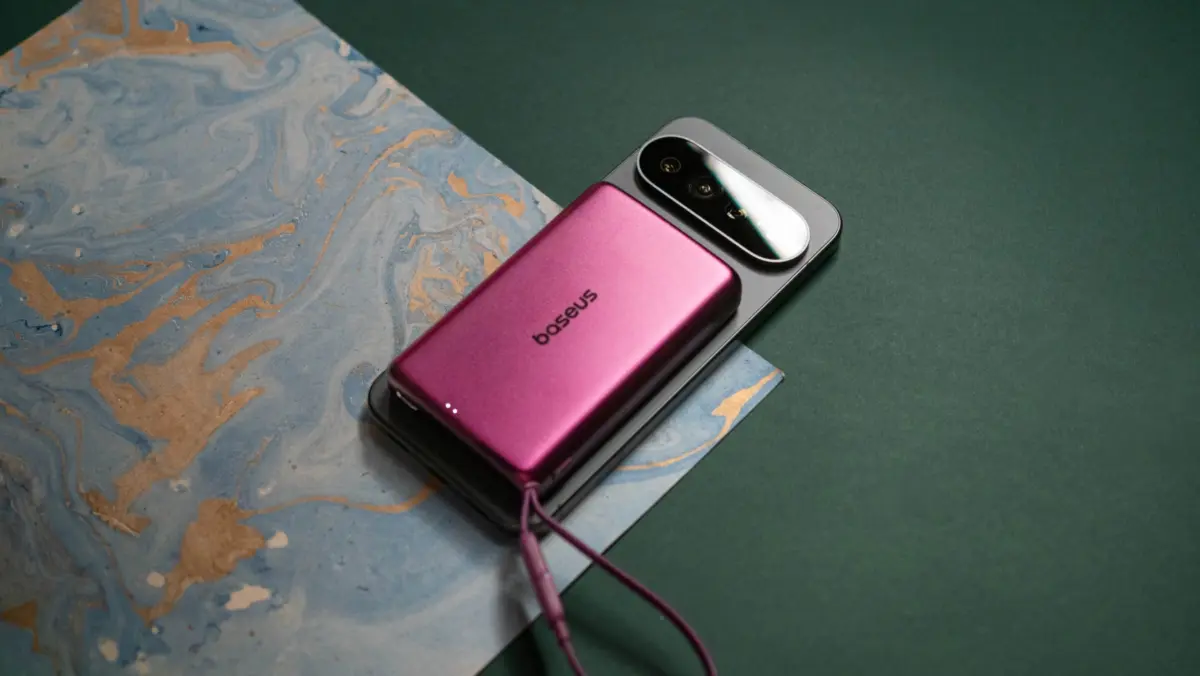
The adoption of Qi 2 magnetic wireless charging standards marked a significant shift in mobile accessories, a transition heavily accelerated by the previous generation’s hardware. For users who prefer running their phones naked without protective cases, having robust Qi 2 magnets directly integrated into the body of the phone streamlines wireless charging immensely. Google’s decision to continue this integration in the Pixel 11 Pro XL is a welcome design choice.
While a 25W wireless charging ceiling may seem modest when compared against competitors pushing proprietary standards upward of 80W, the everyday convenience of magnetic alignment is difficult to overstate. A wide ecosystem of sleek Qi 2 power banks ensures that a reliable top-up solution is always within reach when working outdoors.
While the baseline battery life is robust enough to easily carry a moderate user through a full day without panic, extended outdoor photo shoots inevitably demand supplemental power. Being able to effortlessly snap a magnetic battery pack onto the back of the phone eliminates awkward cable management. Similarly, dropping the device onto a desk-mounted Qi 2 charger proves far more frictionless than fumbling with traditional wired connections.
It’s great to hold and use
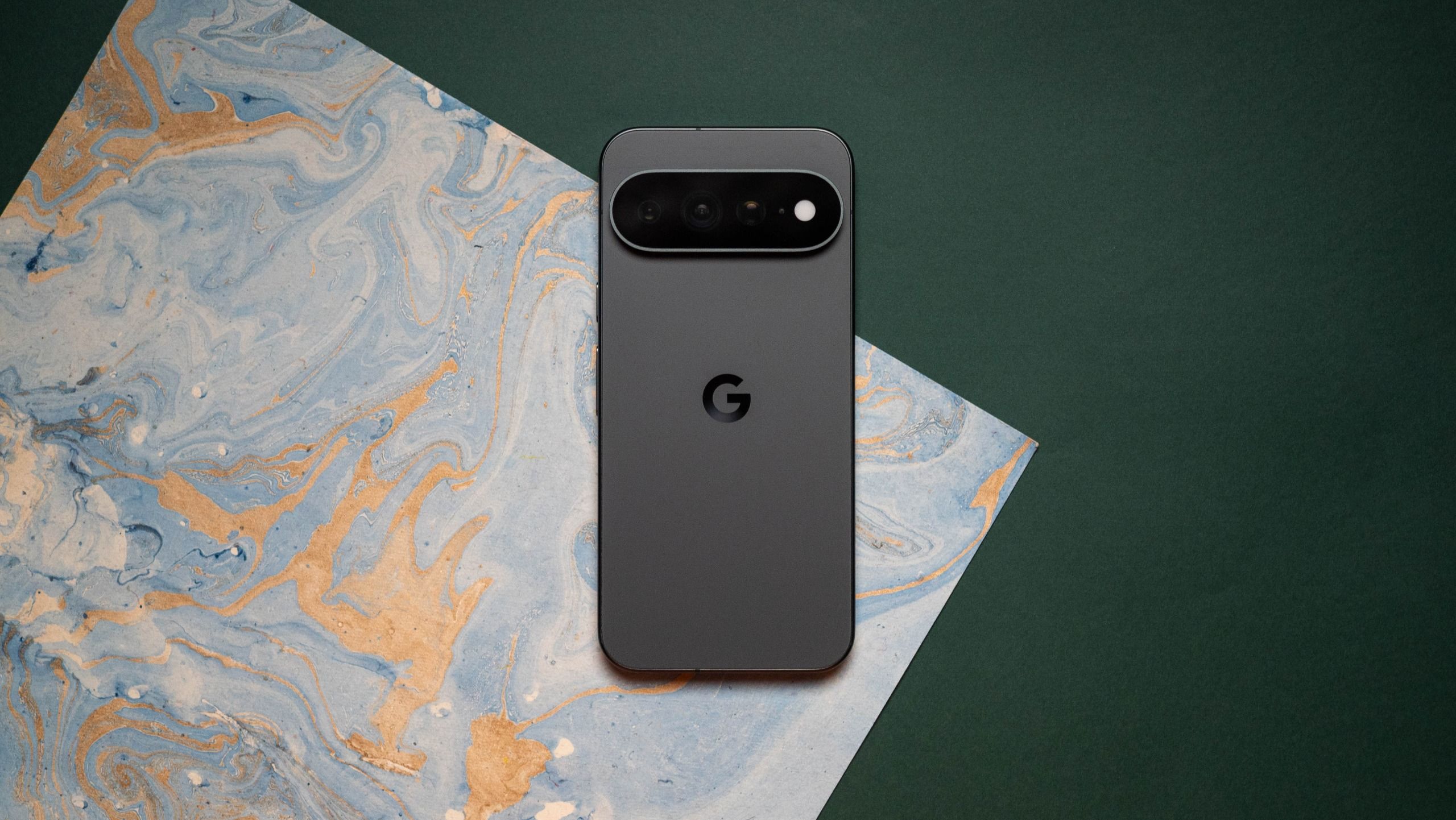
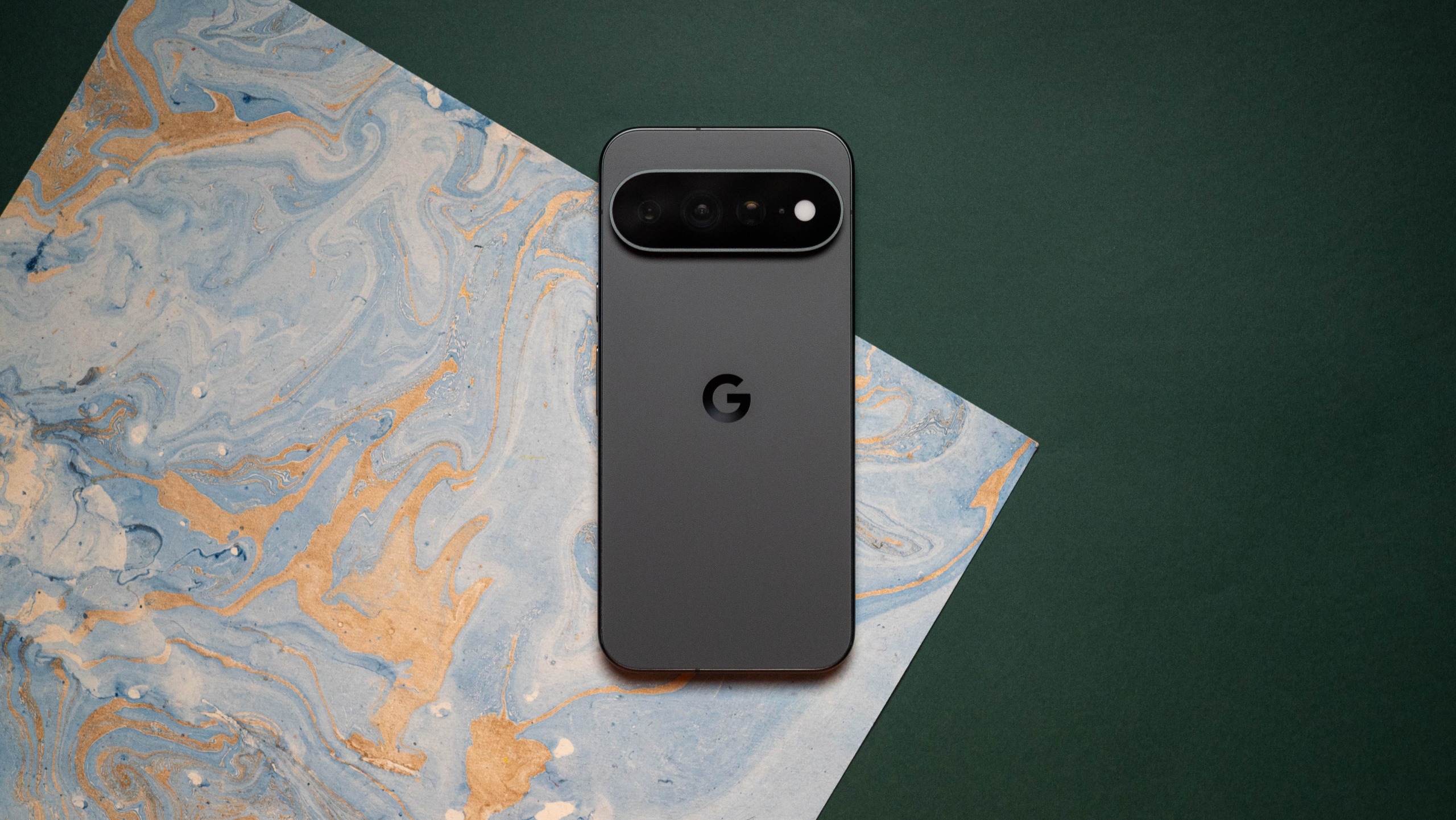
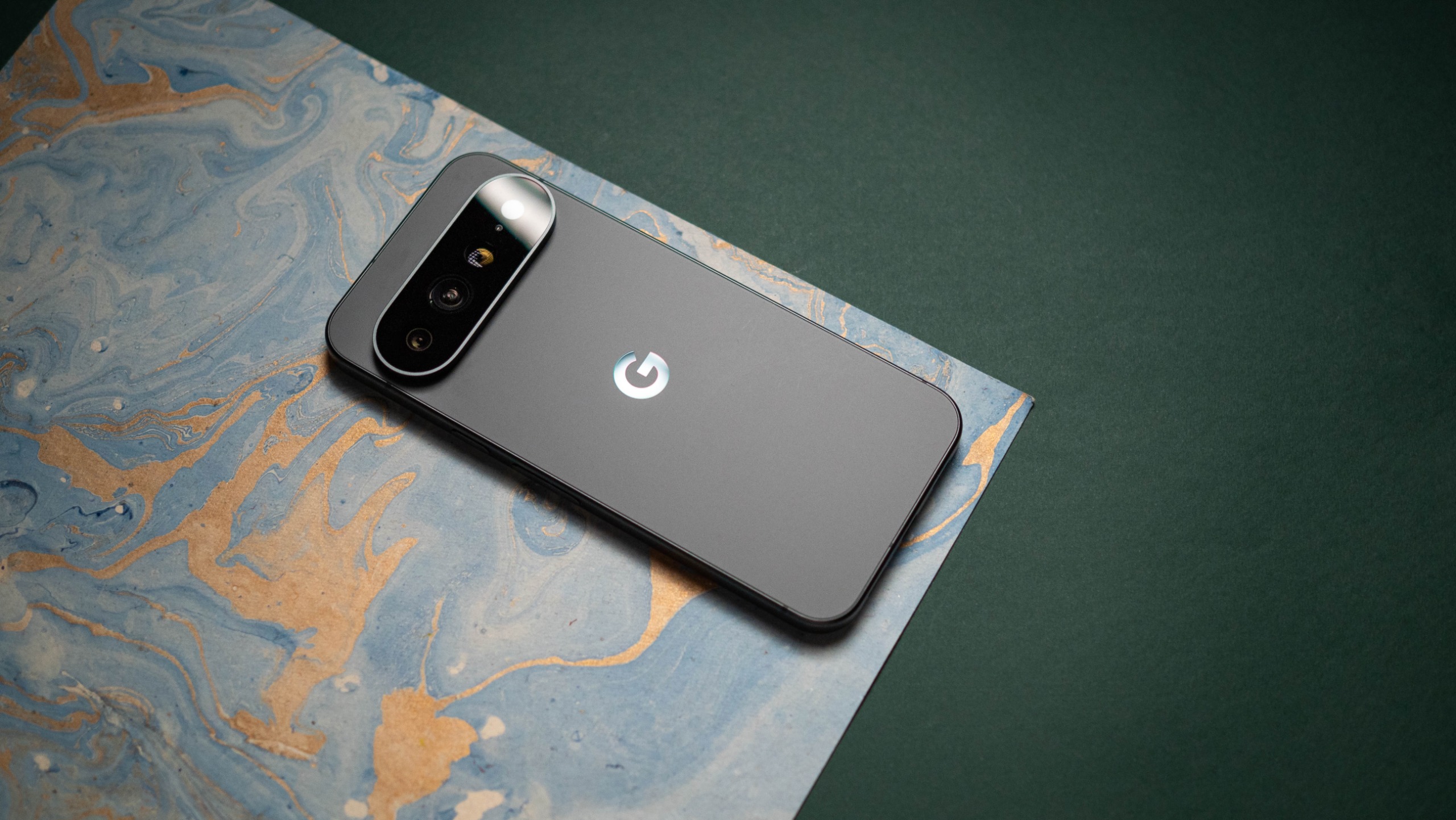
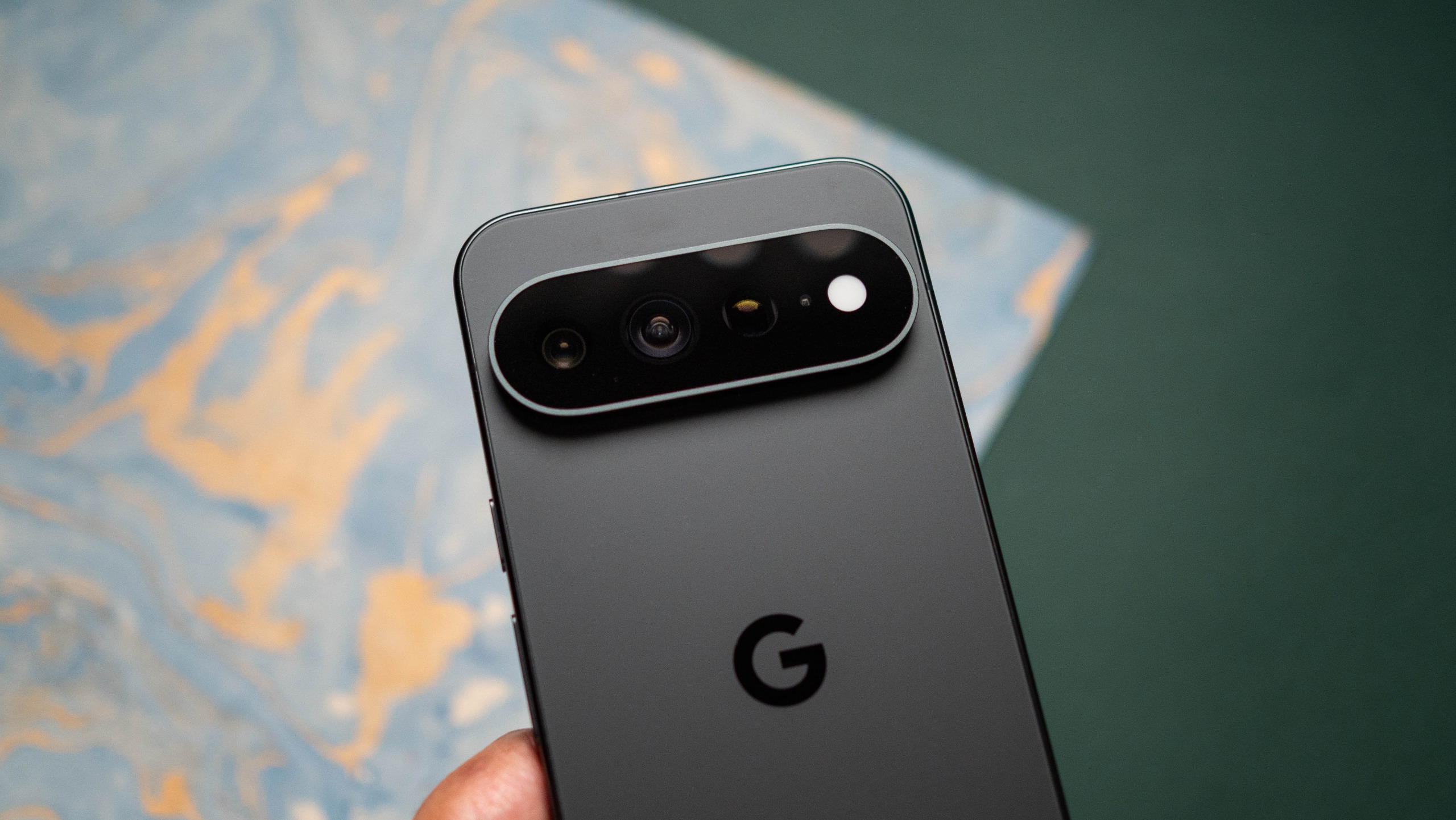
Google’s hardware design language continues to mature, resulting in a physical profile that is both clean and elegant. The updated camera bar presents a modern aesthetic without protruding excessively from the rear chassis. Crucially, the phone rests flat on a table without frustrating surface wobble—a detail major competitors like Samsung would do well to emulate.
As is often the case with Google’s regional release strategies, color availability varies by storage tier, particularly outside the United States. Opting for the 512GB variant restricts buyers primarily to the Obsidian finish, though the Canyon model offers a notably striking alternative for those with access to the full color palette.
Retaining roughly the same physical footprint as its predecessor while shedding a fraction of its weight, the 11 Pro XL feels remarkably balanced and comfortable in the hand. Durability also proves exceptional in daily use; the device withstood multiple accidental tumbles—including direct impacts onto rigid tiled surfaces—emerging completely unscathed.
Reflecting on the broader smartphone market, other manufacturers made aggressive strides in hardware sophistication over the past year. Devices from major Chinese brands such as the Oppo Find X9 Pro, Find X9 Ultra, Vivo X300 Pro, and X300 Ultra offer camera capabilities that operate on an entirely different tier. Historically, those hardware advantages were often offset by cumbersome software interfaces. However, ecosystems like ColorOS and OriginOS have undergone dramatic visual makeovers, successfully merging modern design aesthetics, extensive customizability, and system fluidity so that they no longer feel like second-best options.
These expansive software overhauls made devices like the Find X9 Pro frequent companions throughout the year. Even so, the Pixel 11 Pro XL retains a distinct edge in pure software experience, complemented by a camera system that is no longer a limiting factor. The device is certainly not without minor shortcomings: the battery does not stretch reliably into a true two-day cell, and raw processing muscle trails behind devices powered by the most aggressive Qualcomm and MediaTek silicon. Despite these compromises, the Pixel 11 Pro XL remains a compelling option for anyone who prioritizes a streamlined software environment paired with cameras that are consistently enjoyable to operate.
Leave a Reply