The findings, spotlighted ahead of the Supercomputing conference (SC26), point to a fundamental engineering dilemma facing modern data centers. As artificial intelligence, high-performance computing (HPC), and massive data analytics workloads demand ever-greater storage footprints, the industry is transitioning to ultra-dense, petabyte-class solid-state drives. However, this shift introduces severe operational vulnerabilities that standard hardware- and software-based data protection schemes struggle to manage.
The core of the problem lies in the mathematical relationship between drive capacity and rebuild times. As individual storage units grow exponentially larger, the time required to reconstruct a failed drive—a process known as a rebuild or resilver—stretches out significantly. In a massive parallel file system, when a high-capacity drive fails, the remaining infrastructure must work overtime to calculate and write the missing data onto a hot spare or a replacement drive.
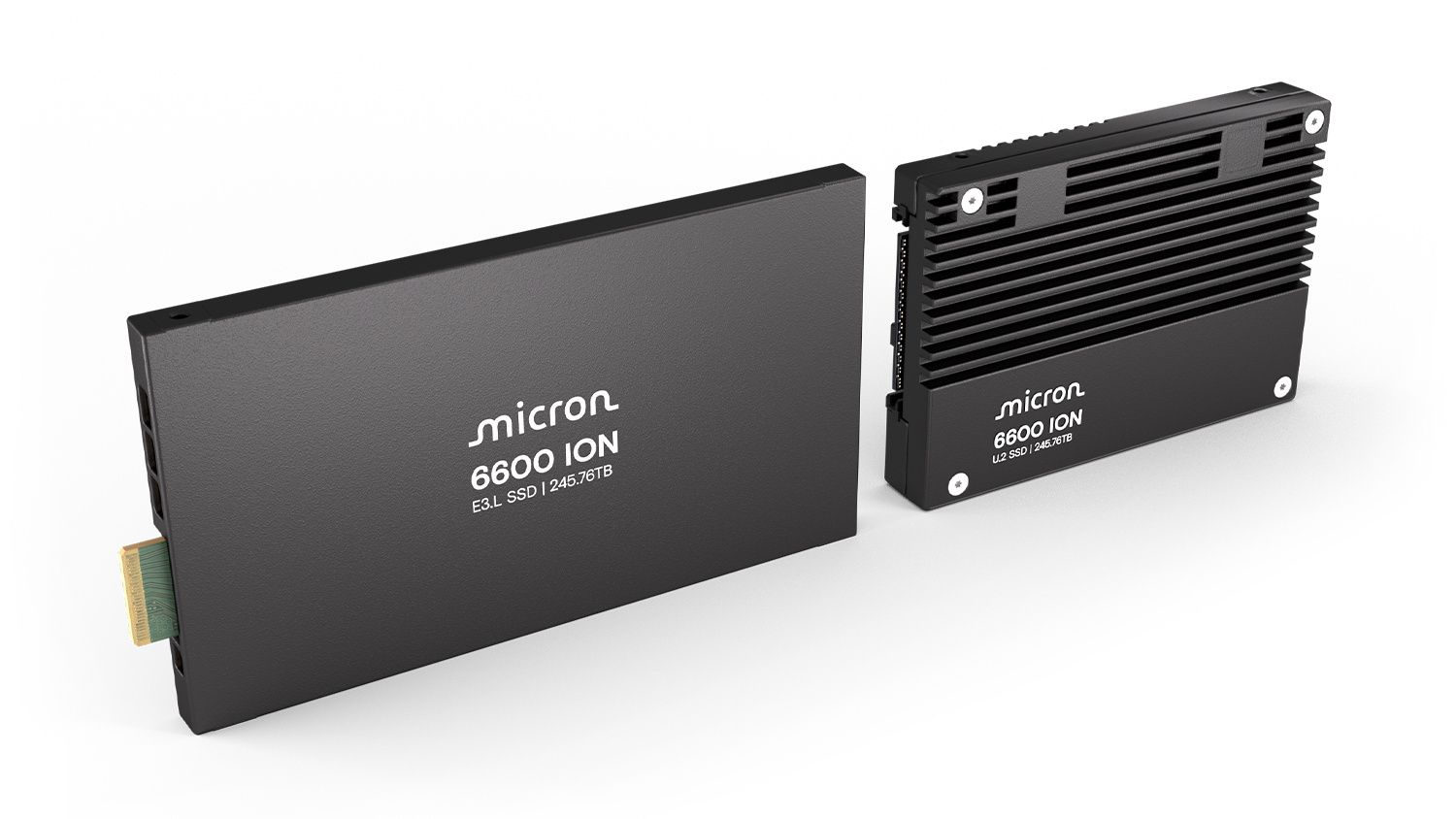
During this extended window of vulnerability, the storage cluster operates under heightened stress. Because the rebuild process takes vastly longer with ultra-dense drives, the statistical probability of a secondary drive failure occurring before the first rebuild completes increases dramatically. In a simulated 900 PB environment, this compounding risk creates a scenario where catastrophic data loss becomes a statistical near-certainty over a standard enterprise hardware lifespan, pushing the odds to 1 in 11.
Despite these severe risks, data center operators cannot simply abandon high-capacity drives. Modern facilities face intense operational and environmental pressures, most notably power constraints. In contemporary enterprise environments, storage power scaling behaves in a fundamentally different way than legacy architectures might suggest. Power consumption scales far more closely with input-output bandwidth and network activity rather than raw storage capacity.
Transitioning to high-capacity SSDs allows data centers to house immense amounts of data within a tightly controlled physical and electrical footprint. To illustrate the scale of this power challenge, VAST Data points to the sheer electrical inefficiency of alternative approaches. Building a comparable 900 PB storage system out of smaller 15-terabyte (TB) drives would result in a staggering power draw of approximately 5.6 megawatts. By contrast, a system utilizing ultra-dense, petabyte-scale drives can accomplish the same storage capacity while drawing roughly 400 kilowatts, representing a monumental difference in operational expenditure and facility cooling requirements.
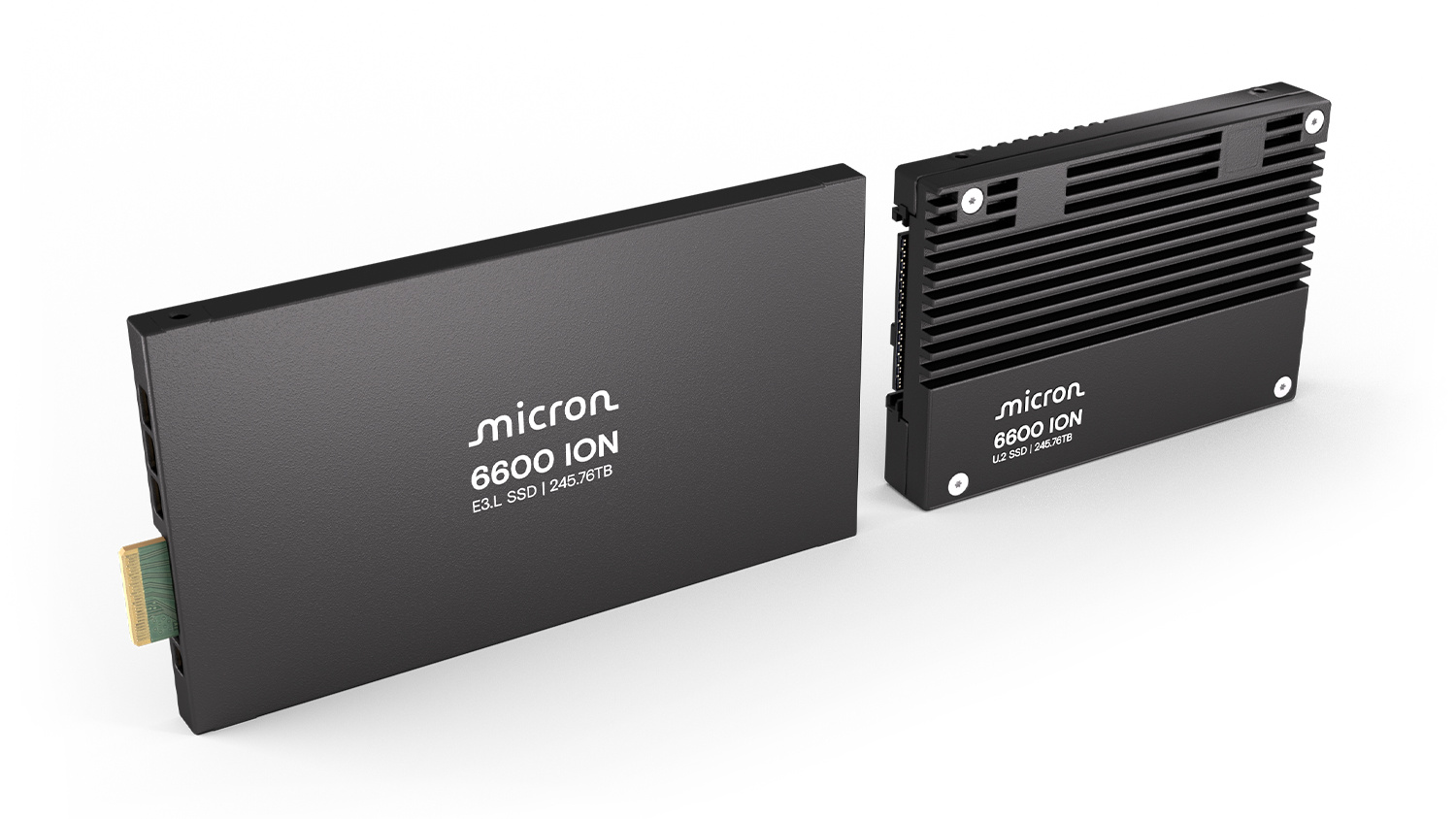
Because power-constrained data centers have little choice but to adopt ultra-dense storage media, the industry must rethink how it protects data against hardware attrition. Traditional RAID methodologies, which were designed for an era of smaller mechanical hard drives and early-generation SSDs, lack the systemic resilience required for petabyte-scale flash arrays.
To mitigate the heightened risks revealed by its 900 PB simulation, VAST Data recommends a transition toward robust, system-wide erasure coding. Specifically, the company argues that modern parallel file systems must implement erasure coding schemes utilizing at least three parity strips. By distributing parity data broadly across the entire cluster rather than isolating redundancy within localized RAID groups, storage systems can better absorb simultaneous drive degradations, maintain high read and write performance, and successfully navigate the prolonged rebuild windows dictated by ultra-dense solid-state technology.