
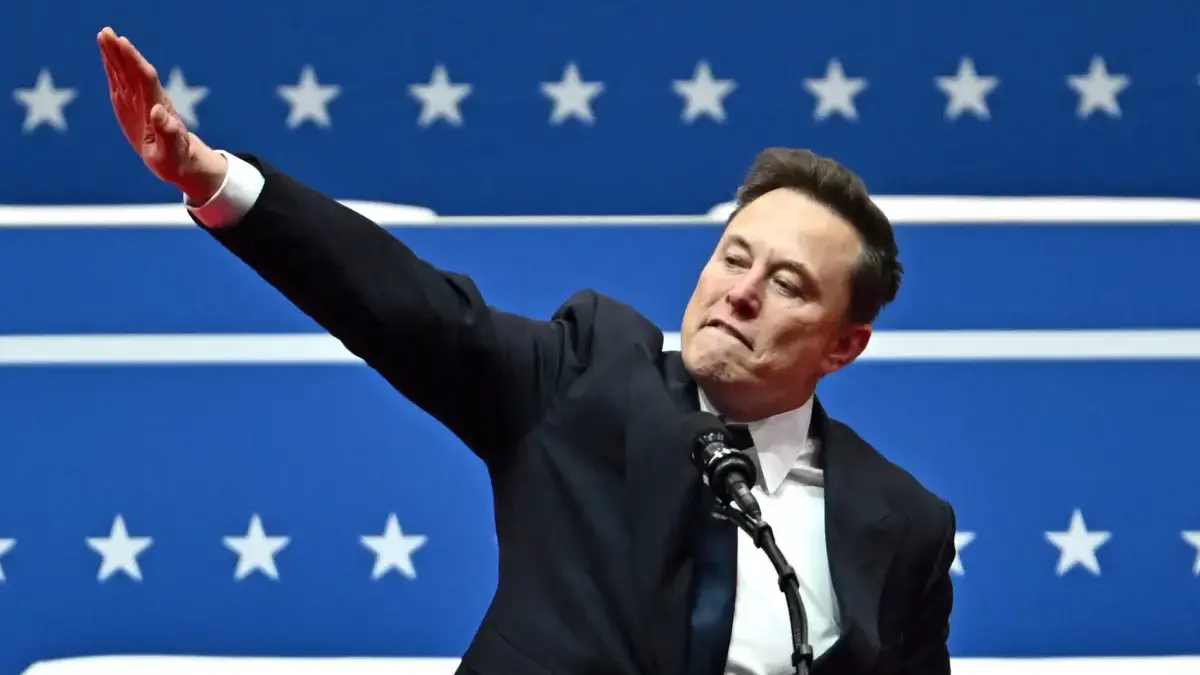
Just ahead of the wider theatrical release of acclaimed filmmaker Alex Gibney’s highly anticipated documentary focusing on Elon Musk, TikTok has taken the dramatic step of banning the film’s official social media account from its platform. The sudden crackdown comes at a sensitive time for the movie’s promotional campaign, casting a spotlight on the intersection of major tech platforms, high-profile documentary subjects, and corporate moderation policies.
According to reports from The Hollywood Reporter, Bleecker Street, the distributor handling the release of the documentary, was officially informed on a Friday afternoon that a "permanent suspension" of the account was not only being considered but was practically imminent. The notification left the distributor scrambling to understand the sudden policy enforcement, while TikTok itself did not immediately respond to multiple requests for comment from media outlets regarding the specific rationale behind the sudden ban. Bleecker Street has similarly remained tight-lipped, declining to comment on the record when approached by The Verge.
While TikTok maintains no official corporate or structural affiliation with Elon Musk—the billionaire entrepreneur who leads companies such as Tesla, SpaceX, and X—the documentary itself touches closely upon his inner circle and business dealings. Notably, tech billionaire and Oracle co-founder Larry Ellison, who holds partial ownership stakes in various major technological ventures and maintains ties across the Silicon Valley landscape, makes an appearance in the film. Specifically, the documentary features a revealing text message exchange in which Ellison offers to help Musk fund his high-profile and tumultuous acquisition of Twitter, an event that fundamentally reshaped the social media landscape.

The ban on the documentary’s TikTok account is merely the latest chapter in a broader, contentious struggle over digital visibility and advertising access. Last month, a coalition of major tech platforms—including YouTube, Meta, X, and TikTok itself—faced severe and immediate backlash from media analysts, free-speech advocates, and industry insiders for outright rejecting paid advertisements promoting Gibney’s film. At the time, the blanket rejection sparked widespread criticism regarding the willingness of digital giants to censor or sideline critical journalistic and cinematic work involving some of the world’s most influential public figures.
Following the public outcry, the stance taken by the tech giants fractured. YouTube and Google quickly reversed course, acknowledging the rejection and subsequently calling the initial block an "error" in their automated or manual moderation pipelines. Both platforms swiftly adjusted their policies regarding the film’s promotional material, allowing ads to run. However, TikTok and X dug in their heels. Both platforms steadfastly refused to change their stance, maintaining their policy against allowing paid advertisements for the documentary on their respective networks, leaving the filmmakers and distributors with severely limited avenues for digital outreach.
Banning the documentary’s entire social media account outright, however, marks a severe escalation in the ongoing friction between the film’s promotional team and the platform’s moderators. The timing and nature of the suspension are also laced with a sharp dash of irony. Only moments before the account was scrubbed from the platform entirely, it published a defiant promotional post urging prospective viewers to seek out and see the movie "before it gets shutdown." That prophetic phrasing quickly transformed from a clever marketing hook into an accurate prediction of the platform’s heavy-handed enforcement.

The controversy surrounding the censorship and advertising rejections highlights the immense power wielded by a handful of technology companies over public discourse and cultural promotion. As Gibney’s documentary rolls out to broader audiences in theaters and via alternative distribution channels, the actions taken by platforms like TikTok ensure that the film’s off-screen narrative remains just as tumultuous as the events depicted within its runtime. With the distributor evaluating its next steps and major platforms maintaining rigid boundaries regarding what content they are willing to host or promote, the documentary continues to navigate a turbulent digital landscape even as it reaches the viewing public.

Leave a Reply