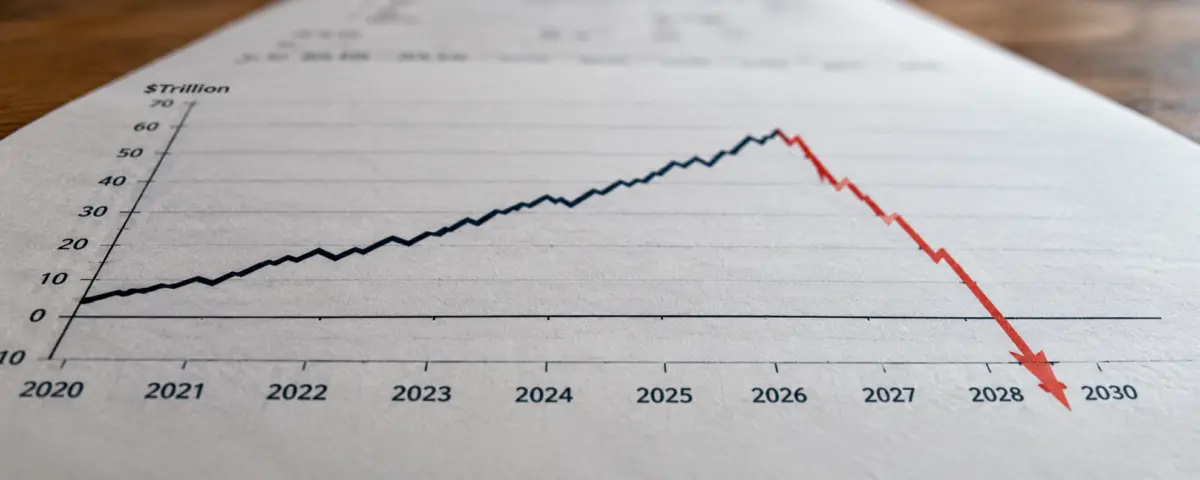
The unprecedented global rush to fund artificial intelligence infrastructure is fast evolving from a technology-sector phenomenon into a macroeconomic force of monumental proportions. In the latest episode of the PING podcast, APNIC Chief Scientist Geoff Huston turns his analytical lens toward the sweeping
financial, structural, and societal consequences of the staggering capital allocation currently driving the AI and data centre build-out.
Planned investments in artificial intelligence and the massive computing facilities required to power it are now measured in hundreds of billions, and potentially trillions, of dollars on a global scale. According to Huston, this unprecedented concentration of capital has surpassed the threshold of a localized industry trend, becoming economically significant at a national and international level. The sheer velocity and scale of these investments mean that the trajectory of the AI boom now holds the potential to sway broader economic health, influencing everything from local utility grids to national pension funds.
Immediate Consumer Pressures and Broader Economic Vulnerabilities
For technology consumers and enterprise buyers alike, the initial shockwaves of this capital expenditure wave are already well documented. Prices for critical hardware components—such as high-end graphics processing units (GPUs), specialized RAM, and advanced storage devices—have climbed steeply, accompanied by persistent supply constraints that show little sign of easing.
However, Huston emphasizes that the ramifications of the AI investment cycle reach far beyond the boundaries of the IT sector. When speculative activity swells to account for such a dominant share of total economic output, the macroeconomic stakes rise correspondingly. Any future market correction, unexpected slowdown, or sharp contraction in the tech sector risks diverting vital capital away from other productive investments elsewhere in the economy, potentially dampening long-term growth across unrelated industries.
A central concern highlighted by the analysis is the speculative nature of much of the current funding. A vast proportion of the capital pouring into AI infrastructure is predicated on optimistic assumptions regarding future revenue and productivity returns. Consequently, a substantial portion of these projects carries elevated financial risk. If projected commercial returns fail to materialize at the scale anticipated, the mountains of debt utilized to finance data centre construction will remain.
Should individual ventures falter, the resulting financial fallout must be absorbed somewhere within the financial system. Debts may ultimately be recovered through the forced sale of specialized assets at severely discounted valuations, or the resulting losses will need to be distributed among the various institutions and entities that originally underwrote the projects.
The Hidden Exposure of Global Retirement Savings
Compounding these risks is the reality that many of the investment decisions fueling the AI infrastructure boom are being made far removed from the everyday individuals whose financial futures are tied to them. While individual risk appetites vary wildly among citizens, the actual stewardship of capital allocation is heavily concentrated in the hands of institutional managers, commercial banks, investment firms, and massive pension funds.
These institutional players may often appear distant from the daily lives of everyday workers, yet their influence over domestic and global financial markets is profound. Australia’s superannuation sector, for instance, currently manages well in excess of AUD 4 trillion. This extraordinary figure makes Australia’s retirement savings pool the fourth-largest in the world, despite supporting a domestic population of only 27 million people. As a result, ordinary Australians may possess a far deeper, and potentially more precarious, financial exposure to the fortunes of the global tech sector than they realize.
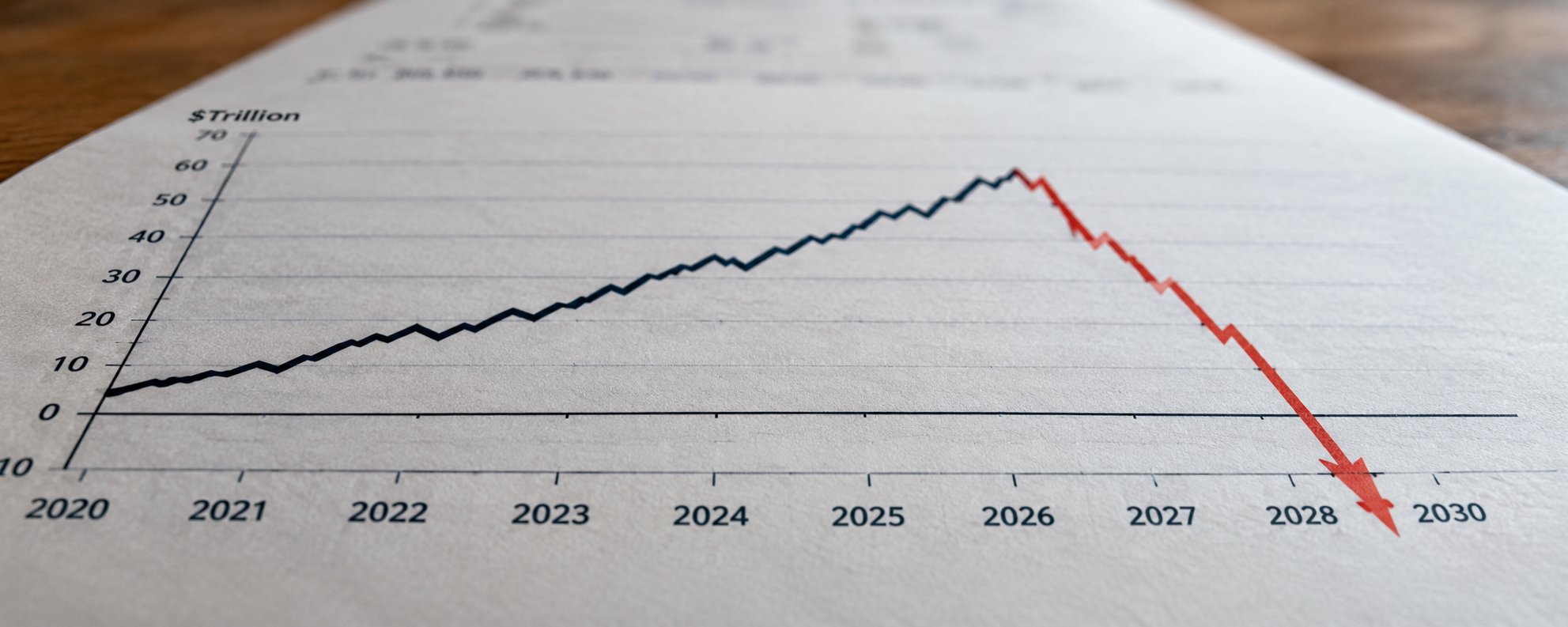
This structural dynamic is by no means unique to Australia. Comparable vulnerabilities apply directly to massive pension funds and institutional investment pools located in Canada, the United Kingdom, the European Union, and across various Asian markets. The phenomenon is particularly acute in the United States, where major artificial intelligence companies have rapidly ascended to become core components of standard, diversified investment portfolios, index funds, and retirement vehicles relied upon by millions of citizens.
Strain on Physical Infrastructure, Power Grids, and Supply Chains
Beyond the abstract realms of finance and equity markets, the physical footprint of the AI boom is imposing tangible strains on global infrastructure. Constructing and operating a modern, high-density AI data centre requires unprecedented capital commitments directed toward civil construction, complex power distribution infrastructure, advanced cooling systems, and specialized supporting facilities.
Because data centre operators frequently enjoy robust financial backing, they are able to compete aggressively for scarce skilled labor and essential construction materials, routinely outbidding other sectors of the economy. This dynamic contributes directly to persistent supply chain bottlenecks across civil engineering and general construction, ultimately bleeding into unrelated sectors—including residential housing development—where costs and delays are compounded.
The operational phase of these facilities introduces even greater logistical and environmental pressures. The relentless electricity demand generated by clusters of high-performance computing servers places an immense burden on regional electrical grids. This surging demand has been a contributing factor to rising power costs for residential households and local businesses alike. Furthermore, the physical siting of these massive facilities can profoundly alter surrounding communities, influencing local environmental amenities, land use values, and the long-term viability of regions as sustainable places to live and work.
Huston points out that the sheer physical and resource footprint of these modern data centres has grown so vast that, particularly in parts of the United States, two competing projects of similar scale can frequently no longer be supported within the same state. Regional utility infrastructure simply cannot handle the load, necessitating geographic separation to prevent widespread grid instability.
Navigating an Unplanned Economic Transition
Crucially, this complex matrix of financial exposure and physical strain was not orchestrated by deliberate global economic planning. Rather, it has materialized with startling speed, driven by competitive corporate pressures, and continues to gather formidable momentum with each passing quarter.
As capital expenditure climbs higher, anxieties regarding systemic risk exposure are steadily mounting, particularly as underlying structural weaknesses and economic assumptions within current AI business models face closer scrutiny. The fundamental question of who will ultimately emerge as winners or losers from this cycle extends far beyond the fate of individual artificial intelligence startups or specialized data centre operators.
If the current investment boom proves ultimately unsustainable, the subsequent economic shockwaves have the potential to ripple outward, impacting everyday investors, retail consumers, and regional communities far beyond the confines of the technology sector. As the discussion on PING underscores, understanding the true cost of the AI revolution requires looking past the algorithms and examining the deeply intertwined foundations of global finance and physical infrastructure.