
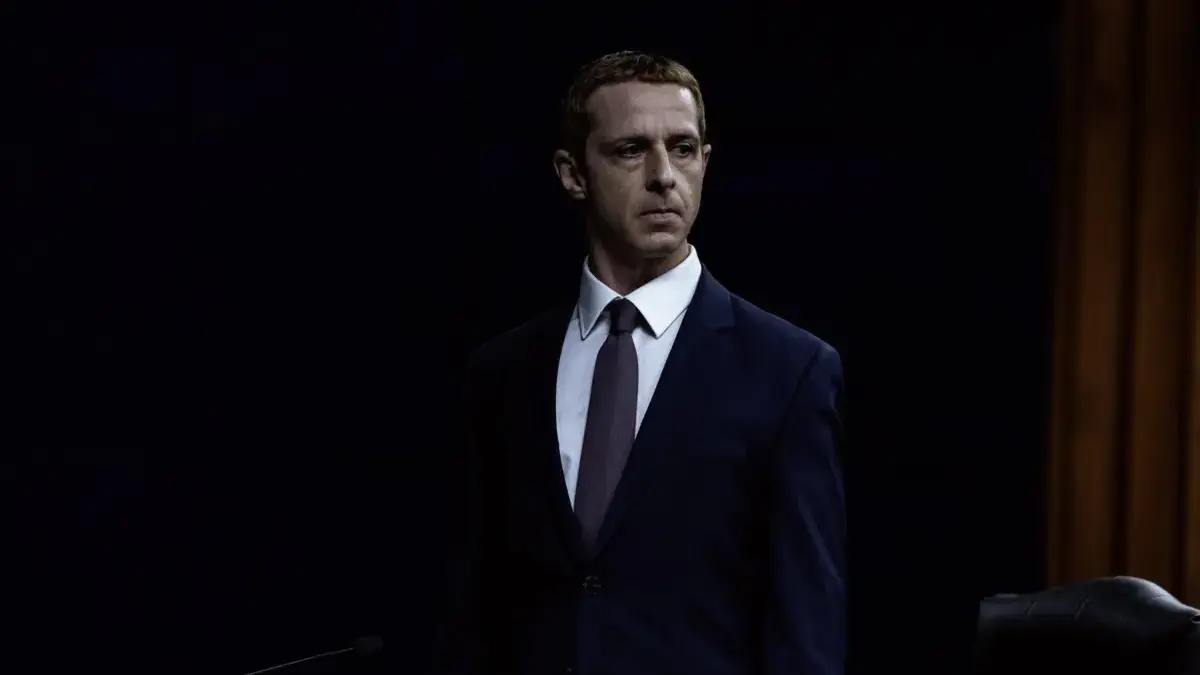
For Columbia Pictures and Sony, the financial implications of these early box office numbers are severe. The film is quickly tracking as a certifiable box office flop, a harsh reality made all the more stark when compared to the triumphant theatrical rollout of its spiritual predecessor. Back in 2010, David Fincher’s The Social Network, which was also penned by Sorkin, opened to a robust $22 million on its way to critical acclaim and three Academy Awards for best adapted screenplay, best film editing, and best original score. More than a decade later, the attempt to revisit the digital landscape and corporate machinations of Silicon Valley has failed to capture the public’s imagination in the same way.
This underwhelming commercial performance does not come entirely as a surprise to industry analysts, given that critical reception for the film has been distinctly middling. The Social Reckoning currently holds a lukewarm 55 percent approval rating on Rotten Tomatoes and has faced substantial criticism and mockery across various social media platforms. Observers suggest that several factors may be contributing to the movie’s struggle to find an audience. For one, viewers may have entered theaters expecting a direct narrative sequel to The Social Network, only to encounter a structurally and tonally different beast focusing on a completely different era of tech industry turmoil and institutional reckoning.
Furthermore, the film appears to have struggled to forge a deep connection with audiences through its central performances and creative execution. The movie features Mikey Madison in the starring role as Facebook whistleblower Frances Haugen, alongside Jeremy Allen White, who steps into the shoes of Wall Street Journal reporter Jeff Horwitz. Despite the undeniable talent of its cast, the translation of these real-life figures to the silver screen has drawn mixed reactions from both critics and those involved in the project.

Behind-the-scenes friction has also added to the narrative surrounding the film’s difficult rollout. Mikey Madison recently indicated in an interview with The Hollywood Reporter that specific creative choices driven by Aaron Sorkin’s vision as director ultimately prevented her from feeling like she was able to "authentically and faithfully represent a real person," adding that she hopes to achieve that level of authentic portrayal in future projects. Complicating matters further, the production famously lacked the involvement of Jesse Eisenberg, who famously portrayed Mark Zuckerberg in The Social Network. According to comments made by Sorkin himself in reports by Variety, Eisenberg had no interest in reprising his role or participating in the new film, depriving the project of a direct continuity link that might have otherwise generated stronger nostalgic interest among fans of the original movie.
Ironically, the weekend box office data highlights a broader shift in consumer appetite away from dramatized corporate whistleblowing and tech-industry postmortems. While The Social Reckoning stumbled, Blumhouse’s horror feature Other Mommy raked in an impressive $27.5 million over the same weekend period. Industry analysts point to this stark contrast as a clear indicator that contemporary audiences are currently far more interested in engaging with novel, escapist horror entertainment rather than sitting through cinematic reminders of how social media platforms and digital conglomerates have arguably made everyday modern life more complicated and stressful.
As Columbia Pictures and Sony assess the theatrical run of The Social Reckoning, the film stands as a cautionary tale about the unpredictable nature of legacy sequels and biographical dramas in a rapidly evolving box office ecosystem. With middling reviews, lukewarm audience reception, and stiff competition from genre counter-programming, Sorkin’s latest exploration of the digital age faces an uphill battle to recoup its investments as its theatrical window continues.



Leave a Reply