
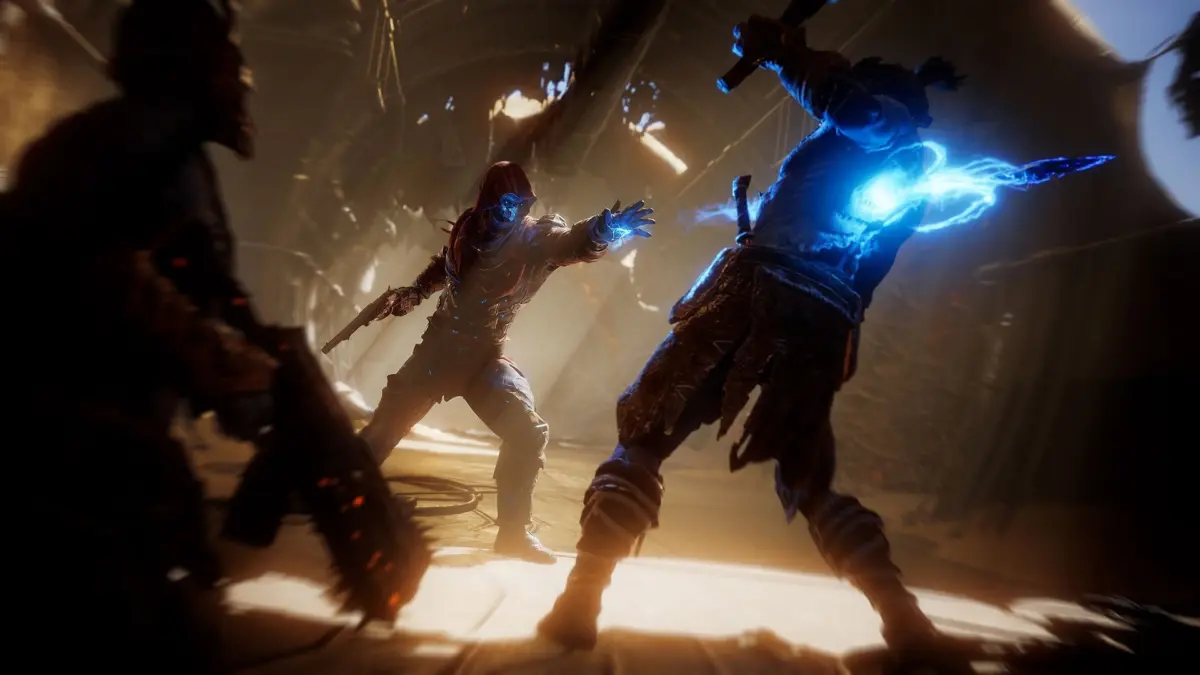
Developed by People Can Fly and published by Square Enix, Outriders launched on April 1, 2021. While it was strictly speaking not an extraction shooter—featuring lower stakes and no player-versus-player combat—it hit many of the exact same structural beats. Players would leave a hub city, journey into hazardous environments to shoot enemies and gather gear, and then head back to base to sift through the spoils, fine-tune their builds, and repeat the cycle.
Ostensibly, Outriders was marketed as a story-driven campaign. Set in the 22nd century, the narrative followed a contingent of humanity fleeing a dying Earth for a distant star system some 12 light-years away. Upon attempting to establish a post-Earth colony on the exoplanet Enoch, humanity quickly discovered that the native lifeforms were fiercely hostile. Complicating matters further, planetary anomalies endowed the survivors with space magic superpowers. Standard science-fiction tropes—such as cryosleep, dangerous environmental anomalies, and internal civil conflict—set the stage for what looked like a sweeping single-player epic. Yet, for many players who dived into the game at launch, Outriders ultimately fell short as a solo experience.
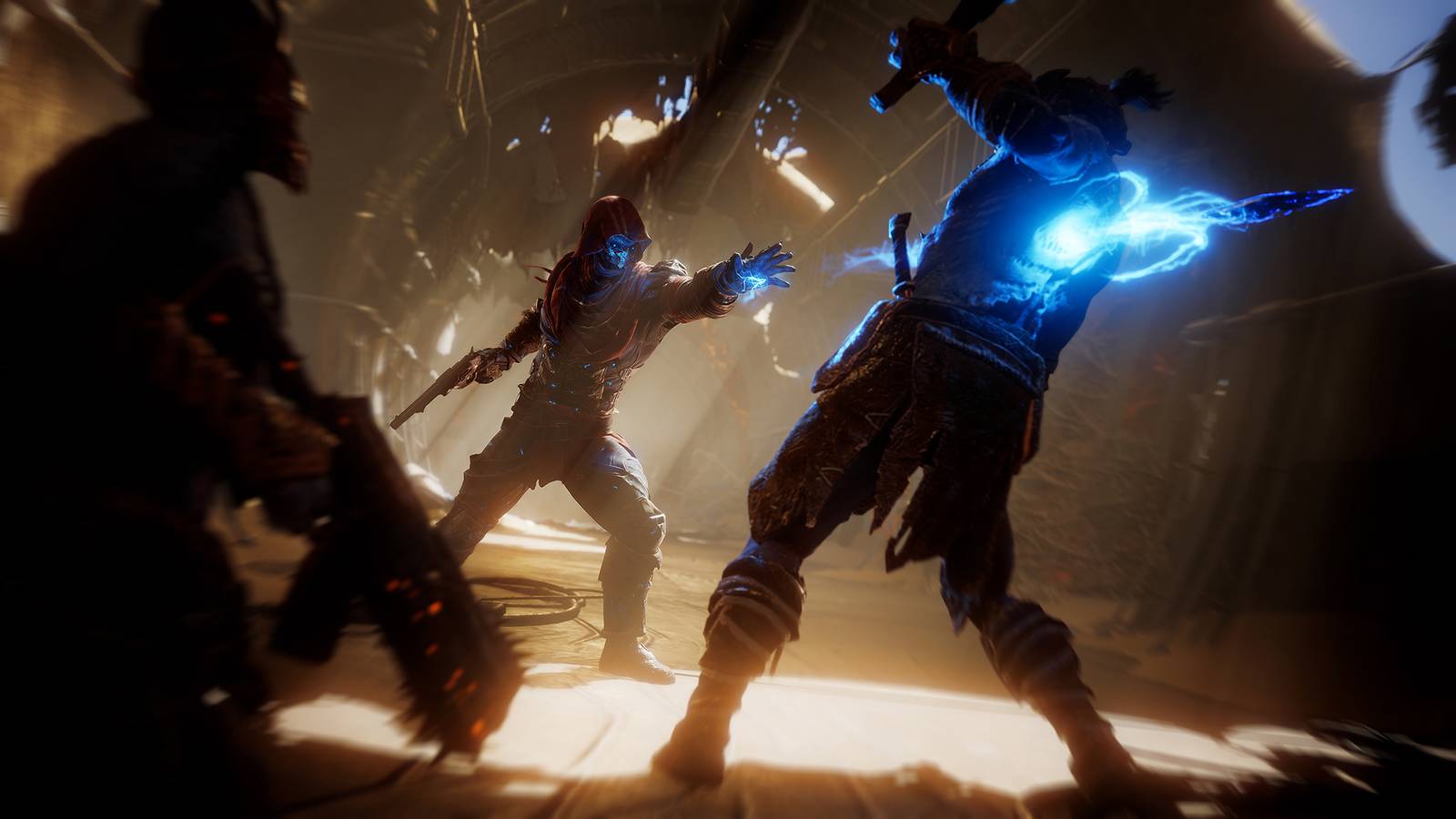
Conversely, the game excelled brilliantly when experienced alongside friends.
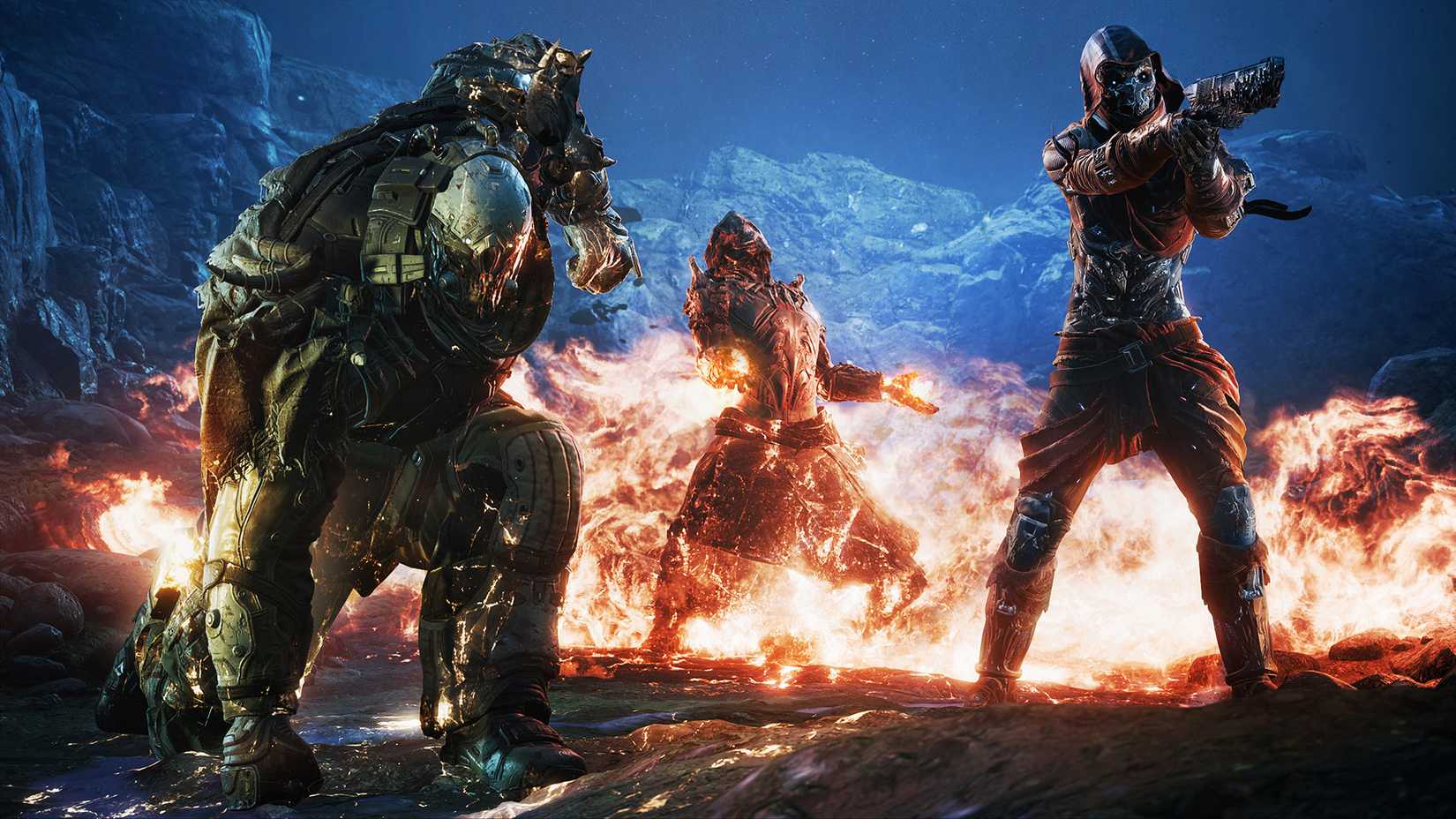
The primary draw of Outriders lay in its distinct class system. When creating a character, players chose from four unique classes: the Trickster, capable of generating localized bubbles of Matrix-style bullet time; the Technomancer, who deployed tactical gadgets such as automated turrets and landmines; the Devastator, a frontline tank utilizing stone shields to absorb massive amounts of damage; and the Pyromancer, who commanded flame-based area-of-effect attacks.
During the opening hours of the campaign, solo players could easily brute-force their way through mob encounters using almost any class. As the campaign progressed, however, the difficulty spiked steeply, turning subsequent missions into uphill battles unless players formed cooperative squads. Team synergy quickly became the key to survival and success. A Devastator could hold the front line and absorb incoming punishment while a Trickster bypassed enemy cover to carve through high-priority targets. Simultaneously, Pyromancers could incinerate densely packed crowds, drawing the attention of surviving foes who would then unwittingly stumble straight into a Technomancer’s hidden traps. Backed by developer People Can Fly’s established pedigree in crafting high-impact third-person shooters during the 2010s, including Bulletstorm and Gears of War: Judgment, the core gunplay felt exceptionally polished.

Beyond its combat mechanics and class synergies, Outriders distinguished itself through an innovative approach to difficulty scaling. The game introduced "World Tiers," a system where difficulty levels scaled alongside the player’s progression. Before launching any mission, players could manually select from any previously unlocked World Tier level. Higher tiers introduced substantially tougher enemies, but rewarded players with superior loot drops. Rather than relying on a traditional, rigid easy-medium-hard framework, the game featured 15 distinct tiers of challenge levels, offering an unprecedented level of granular control over combat difficulty.
Furthermore, the game incorporated quality-of-life settings designed to eliminate the tedious grind often associated with loot-based shooters. Players could adjust preferences to automatically collect items of specific rarity thresholds, sparing them the chore of manually sifting through common-tier equipment.
Despite these innovative design choices, the release of Outriders was plagued by a notoriously rocky rollout. The game suffered from persistent server instability, matchmaking errors, balance issues, and the technical hurdles that have come to characterize many major online game launches over the past decade. People Can Fly eventually stabilized the online infrastructure and humorously acknowledged the frustrating launch period by releasing a tongue-in-cheek in-game emote for the community. Bolstered by a day-one launch on Xbox Game Pass, the game quickly attracted more than 3 million unique players within its first month on the market. Square Enix publicly stated that the title was well on its way to becoming the publisher’s next major long-term franchise.
Ultimately, those ambitious plans failed to materialize. A major post-launch expansion titled Worldslayer, released in 2022, failed to attract a significant wave of new players or successfully entice lapsed fans back to the game, according to public engagement metrics tracked by SteamDB. Over the course of 2024 and 2025, People Can Fly enacted three separate rounds of corporate layoffs and suspended two internal development projects. Subsequent reports indicated that one of the cancelled projects was a full-scale sequel to Outriders, which had been in development before being shelved.
While a formal sequel may never see the light of day, Outriders has not vanished entirely from the digital landscape. Eschewing the rapid server shutdowns that frequently claim forgotten multiplayer titles of its era, the game’s servers remain online, preserving a distinct title that quietly helped shape the trajectory of modern cooperative shooters.


Leave a Reply