
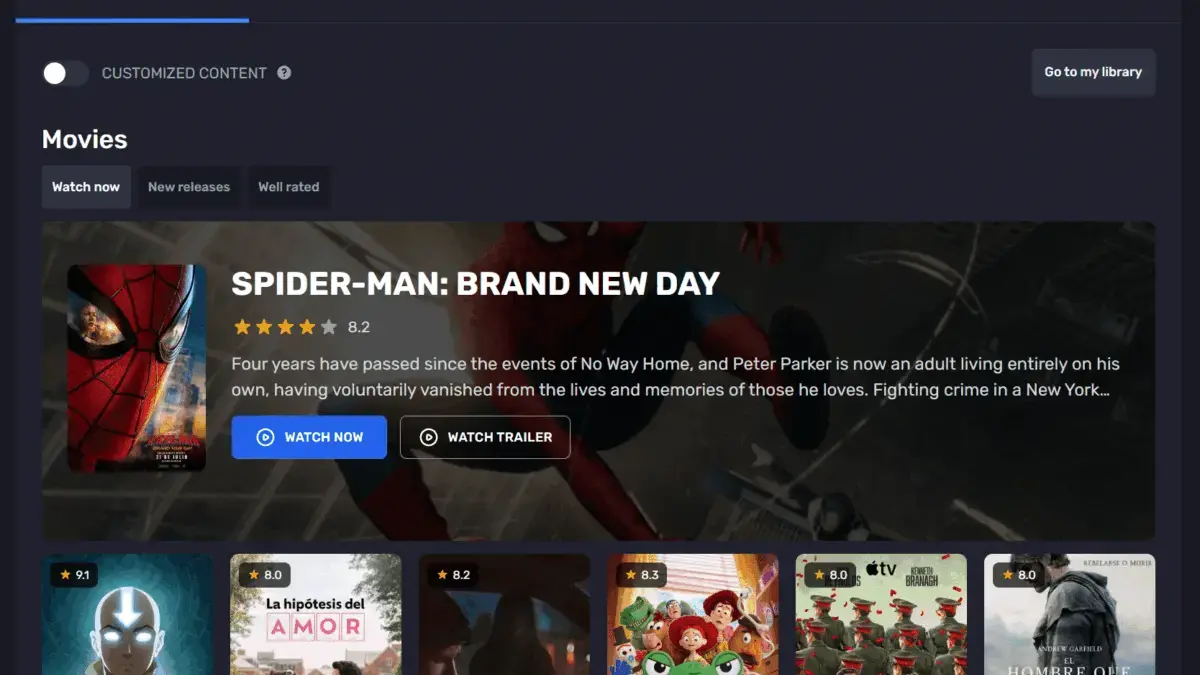
The digital landscape of European copyright enforcement has reached a significant milestone as Spanish authorities successfully target the resurrected iteration of Series.ly, once one of the most prominent pirate link aggregation platforms in Spain. Despite shifting ownership and transitioning to a community-driven model, the platform found itself squarely in the crosshairs of major rightsholders, culminating in a sweeping judicial order that leveraged international domain registries and domestic internet service providers alike.
Series.ly holds a long and contentious history within the Spanish digital ecosystem. Years ago, the original operation gained notoriety as a go-to destination for users seeking unauthorized links to copyrighted television series and movies. However, facing mounting legal pressure and scrutiny, that original administration took the decisive step of dropping all piracy links in late 2014, fundamentally altering the trajectory of the domain.
The dormant chapter of the domain eventually came to an end in 2021, when a completely new team acquired the address at a public auction. From the outset, the incoming administrators maintained that they had no connection or affiliation with the original operators. Under this fresh management, the platform evolved into a registration-only environment that quickly recaptured a substantial audience. Within a relatively short span, the new Series.ly grew to attract nearly two million monthly visits, with roughly ninety percent of its incoming web traffic originating directly from Spain.
This sudden resurgence of a historically infamous brand naturally drew the attention of copyright holders who remained vigilant against illicit streaming and linking networks. The turning point arrived in May, when the prominent film and television producers’ collective EGEDA—Entidad de Gestión de Derechos de Audiovisual—decided to take formal action. EGEDA filed a comprehensive legal complaint with the Second Section of Spain’s Intellectual Property Commission, an administrative body operating under the umbrella of the Ministry of Culture, explicitly petitioning for the immediate administrative shutdown of the platform.

Investigation and Escalation
Upon receiving the formal complaint, investigators working for the Intellectual Property Commission initiated a targeted review. Out of one hundred and ten distinct titles specifically listed within EGEDA’s grievance, the investigator selected a representative sample of forty-two works to test the platform’s compliance with copyright standards. The findings revealed that thirty-five of those sampled titles could be directly streamed or downloaded via Series.ly at the time of the check.
Acting on these findings, the Commission formally instructed the site’s operators to voluntarily remove the infringing content in July. According to regulatory records, however, Series.ly never formally responded to the directive, prompting the commission to escalate its enforcement strategy significantly by the end of that same month.
Faced with a lack of cooperation, the Commission sanctioned a broad array of anti-piracy measures designed to choke off the site’s operational oxygen by targeting essential third-party intermediaries. The resulting administrative resolution mandated that major technology giants Google and Bing completely scrub the domain from their search engine results. Furthermore, the ruling directed domestic internet service providers holding a market share greater than one percent to implement strict network-level blocks against the Series.ly domain name.
As part of these mandated network blocks, ISPs were instructed to actively redirect curious visitors away from the target URL and toward an official government landing page. This informational notice explicitly informs users that the Commission has blocked the domain because it has "illegally facilitated access to content protected by intellectual property rights," providing transparency regarding the state-backed enforcement action.

The expansive scope of the administrative order did not stop at search engines and local ISPs. The resolution explicitly listed several critical technical infrastructure providers, including content delivery giant Cloudflare and Ukrainian hosting company Virtual Systems—whose data centers in Kyiv had notably been impacted by missile strikes earlier in the season. Additionally, the order targeted the domain’s registrar of record, the Libyan Spider Network. Significantly, the legal framework of these countermeasures was structured to apply not only to the current domain name in active use, but also to any potential alternative domains that the operators might attempt to deploy for identical purposes in the future.
Judicial Approval and Intermediary Action
Under Spanish regulatory procedures, the sweeping measures outlined by the Intellectual Property Commission required formal judicial validation before they could be legally enforced against the various private companies and infrastructure providers. That necessary authorization was secured on September 28, when a presiding judge stationed at the Central Court of First Instance in Madrid reviewed the case and concluded that the proposed enforcement measures were entirely proportionate to the scale of the infringement, approving the petition precisely as requested.
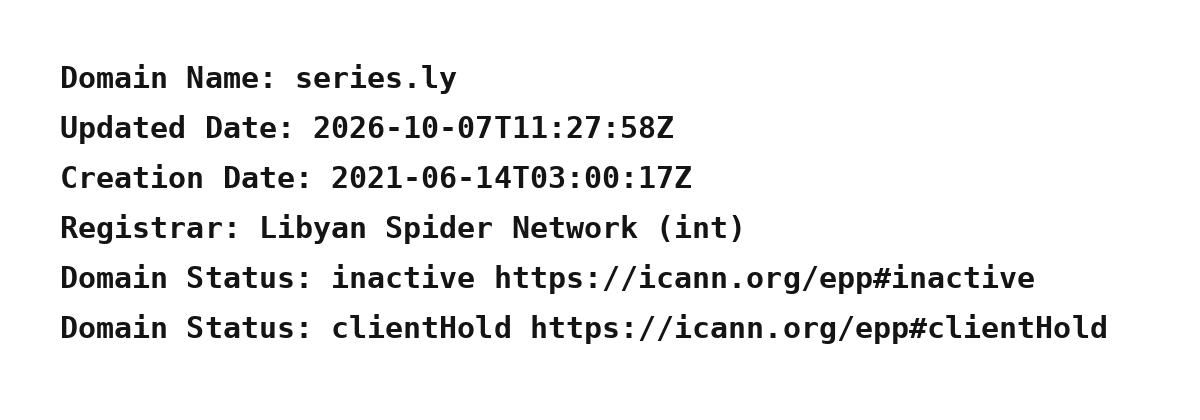
Just over a week following the judicial sign-off, the international impact of the ruling became immediately apparent. Series.ly unexpectedly lost control of its primary domain name after the domain registrar, Libyan Spider, intervened directly. Domain registration records confirmed that series.ly had been shifted to a "clientHold" status—a specialized technical designation managed by the registrar that forces a domain offline by removing it entirely from the .ly top-level zone, rendering the web address completely unresolvable to the public.
Although Libyan Spider refrained from issuing a formal public statement regarding the administrative action, representatives for Series.ly confirmed that the registrar’s notice cited the Spanish regulatory resolution alongside the supporting court order. The notification had traveled to the platform operators through the digital auction house that originally sold them the domain, which routinely functions as a local reseller for the Libyan registrar.
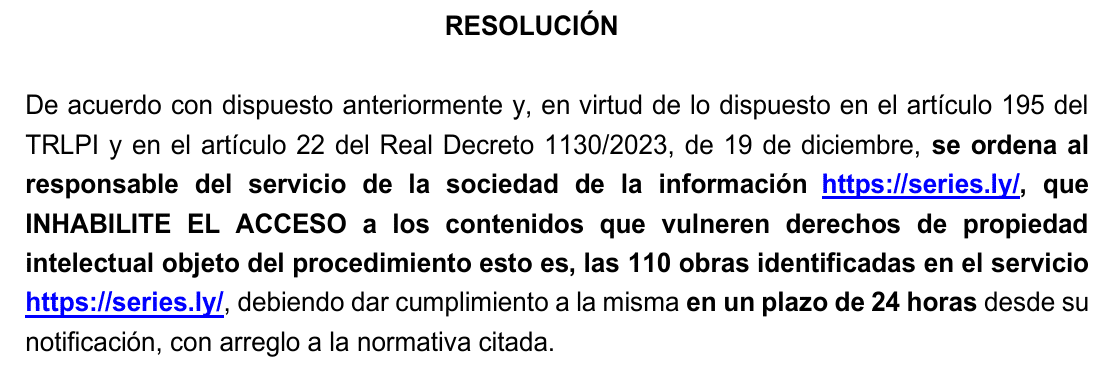
"The reason they gave us was a Spanish copyright resolution and a court order authorizing suspension measures against the domain," the Series.ly operator explained to reporters in translated remarks.
While it remained unclear whether every single secondary intermediary named in the sweeping mandate had fully executed their respective blocks at that exact moment, the underlying court order remained entirely valid and enforceable across the board.
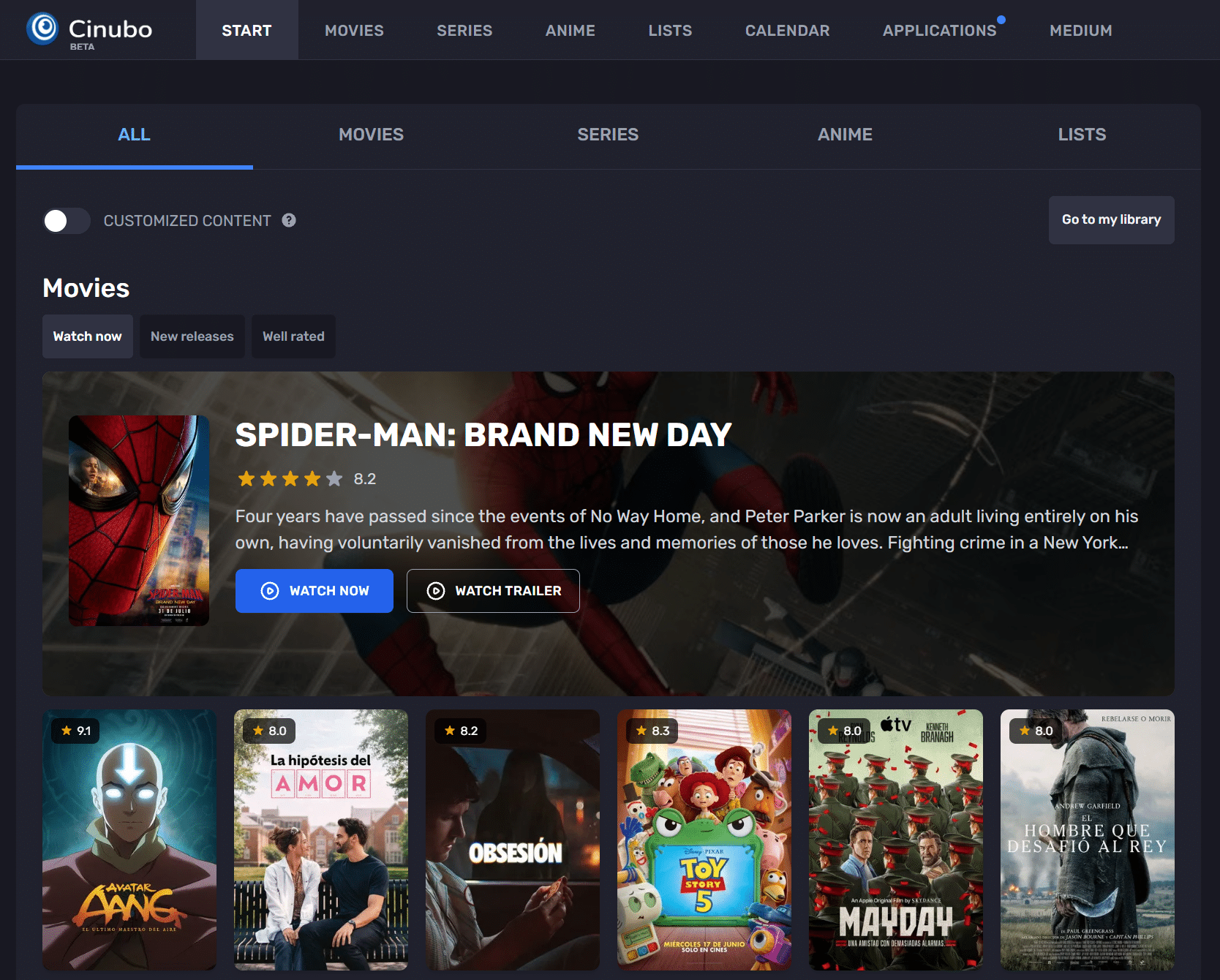
Interestingly, the disruptions surrounding Series.ly immediately sparked parallel developments within the platform’s digital community. Shortly after the domain suspension took effect, a remarkably similar web portal operating under the brand name "Cinubo" surfaced online. Simultaneously, the official Series.ly communication channels on Telegram and Discord were promptly renamed to reflect the new Cinubo branding, signaling a swift pivot by the community or administrators in response to the regulatory pressure.
Operator Response and Legal Stance
Addressing the sudden domain seizure, the Series.ly operator maintained that they had failed to notice the prior warnings before the takedown was executed. An email communication sent by EGEDA had apparently been routed to an unmonitored inbox, while the public-facing contact address listed on the website directed inquiries elsewhere, creating an administrative communication gap between the rightsholders and the platform runners.
Defending the operational philosophy of the site, the operator emphasized that Series.ly functioned strictly as a non-profit endeavor that had allegedly failed to generate any revenue since its modern relaunch. Furthermore, they pointed out that the website itself never actually hosted any video files on its own servers; instead, the links directing users to external platforms were contributed entirely by the active user community.
"Our position is that complaints about those video files should be directed at the services that host or distribute them," the operator stated. "We think it’s disproportionate that a complaint about content hosted by third parties ends up getting our entire domain suspended, including email and the personal library features."
Despite the severity of the enforcement action, the operator initially indicated no active plans to launch a formal legal appeal within the Spanish court system. This hesitancy was largely attributed to the international corporate structure of the project; the corporate entity backing the platform is legally based in Nevis, raising complex jurisdictional questions regarding the legitimate global reach of a domestic Spanish regulatory order.
"We question whether a procedure handled in Spain justifies suspending our domain worldwide, which also affects email and services that have nothing to do with the works in question," the operator noted.
The ongoing saga surrounding the domain took another unexpected turn shortly after the initial suspension phase. A few days following the initial takedown, the series.ly domain unexpectedly reverted back under the direct administrative control of its owner. The operator confirmed that the registrar ultimately lifted the domain suspension, though this restoration came with the crucial caveat that the web address could no longer be utilized to link or direct traffic toward copyright-infringing material.
Reflecting this permanent operational shift, the reinstated Series.ly domain was reconfigured to display a static page dedicated entirely to documenting the historical timeline of the domain name itself, officially retiring its days as an active link-sharing or streaming portal and bringing a definitive end to its latest chapter in the ongoing international battle against online piracy.
Leave a Reply