
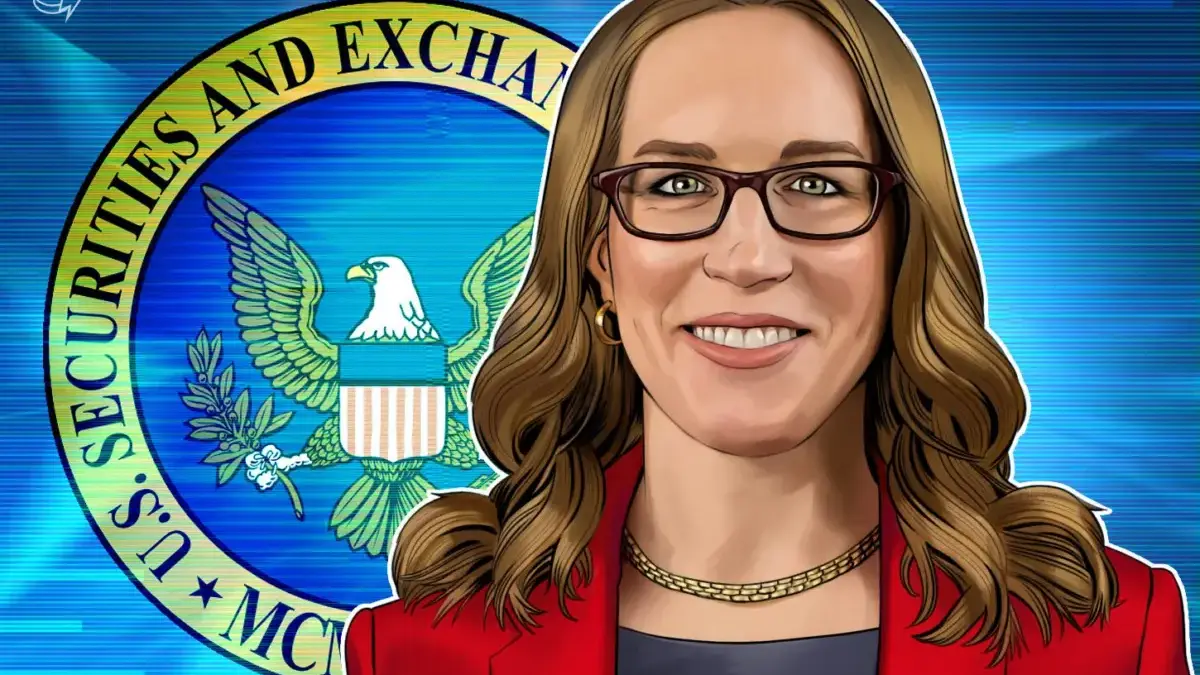
US Securities and Exchange Commission (SEC) Commissioner Hester Peirce has officially submitted her formal resignation from the regulatory agency, bringing an end to an influential tenure that left a profound mark on American financial markets and digital asset policy. Her departure is set to become effective on October 2.
Peirce, widely recognized across the financial and technological sectors by her affectionate moniker “Crypto Mom” due to her steadfast and vocal advocacy for clear, transparent, and rules-based regulation of the cryptocurrency industry, shared the news with the public on Friday. Taking to her X account, she published a copy of her official resignation letter, prompting widespread reactions from industry leaders, legal experts, and digital asset enthusiasts who have followed her career closely over the years.
In the heartfelt letter addressed to the administration, Peirce expressed her deep gratitude for the opportunity to serve, describing the role as the “honor of her professional lifetime.” She also reflected on the current state of the commission, noting that she was stepping down while the agency operates under the leadership of Chairman Paul Atkins and fellow Commissioner Mark Uyeda. With Peirce’s departure, the remaining members of the commission consist of Atkins and Uyeda, both of whom are Republicans, leaving the agency with a streamlined leadership structure as it navigates a rapidly evolving regulatory landscape.
Peirce’s tenure on the commission spanned approximately eight years, during which she consistently challenged traditional regulatory approaches, particularly regarding emerging technologies. In addition to her broader commissioner duties, she took on a vital leadership role on February 4, 2025, when she was designated as the director of the agency’s newly formed Crypto Task Force. Although her official term as an SEC commissioner expired in June 2025, regulatory guidelines permit commissioners to continue serving for up to approximately 18 months after their formal terms end if a successor has not yet been nominated and confirmed. Her resignation now draws that extended period of public service to a close.
Peirce Will Join Law School as Associate Professor
As she closes her chapter in public service, Peirce is set to transition into academia. Reports from earlier in May indicated that she planned to join the faculty of Regent University’s law school in Virginia as an associate professor, with her academic appointment slated to begin in November.
According to statements from the university, Peirce is expected to leverage her extensive regulatory experience to help the institution bolster its academic focus across several critical legal domains. Her teaching and mentorship will concentrate on areas such as federal litigation, complex securities regulation, and the burgeoning field of digital assets, allowing the next generation of legal professionals to learn directly from a central figure in modern financial policy debates.
Peirce’s departure also highlights ongoing vacancies within the five-member commission. Her seat may not be filled immediately, echoing a precedent set earlier in the year. Caroline Crenshaw, the agency’s previous Democratic commissioner, departed from her post in January, exactly 18 months after her own term had concluded. To date, no nominations to fill that vacant Democratic seat have been put forward by President Donald Trump, leaving the commission operating with a reduced roster.
The timing of Peirce’s resignation coincides with a period of massive transformation within the SEC. Since President Trump took office in January 2025, the agency has radically shifted its approach to cryptocurrency regulation and enforcement. Moving away from the contentious strategies of previous years, the commission has dropped several high-profile enforcement actions and active investigations into various crypto companies, including entities that had previously been tied to Trump and his family members.
Since its inception, the Crypto Task Force under Peirce’s direction has been actively examining how existing securities laws should appropriately apply to digital assets, decentralized finance ecosystems, and distributed ledger technologies. Peirce’s analytical contributions have frequently challenged conventional legal orthodoxies at the agency. For instance, she argued that the simple act of publishing open-source code should not automatically subject software developers to federal securities regulations, weighing in directly on a longstanding and contentious debate regarding developer liability within decentralized finance.
Her policy positions consistently aligned with the SEC’s broader strategic pivot away from what Chairman Paul Atkins has frequently described as “regulation by enforcement.” Instead of relying on retroactive punitive measures against market participants, the contemporary regulatory framework under the current administration has sought to foster dialogue, provide clearer compliance pathways, and address the unique structural characteristics of tokenized financial instruments. As Peirce transitions to her new academic role at Regent University, her legacy will remain deeply intertwined with the ongoing evolution of how American regulators understand, approach, and accommodate the digital asset economy.



Leave a Reply