
The global smartphone landscape is bracing for another massive generational leap as industry giants Qualcomm and MediaTek officially pull back the curtain on their next-generation flagship chipsets. Although these powerful processing platforms are traditionally reserved for devices launching deep into the year, manufacturers have noticeably accelerated their product lifecycles. Rather than waiting idly, consumers are already getting an early look at how these silicon marvels perform thanks to brands pushing out hardware ahead of schedule.
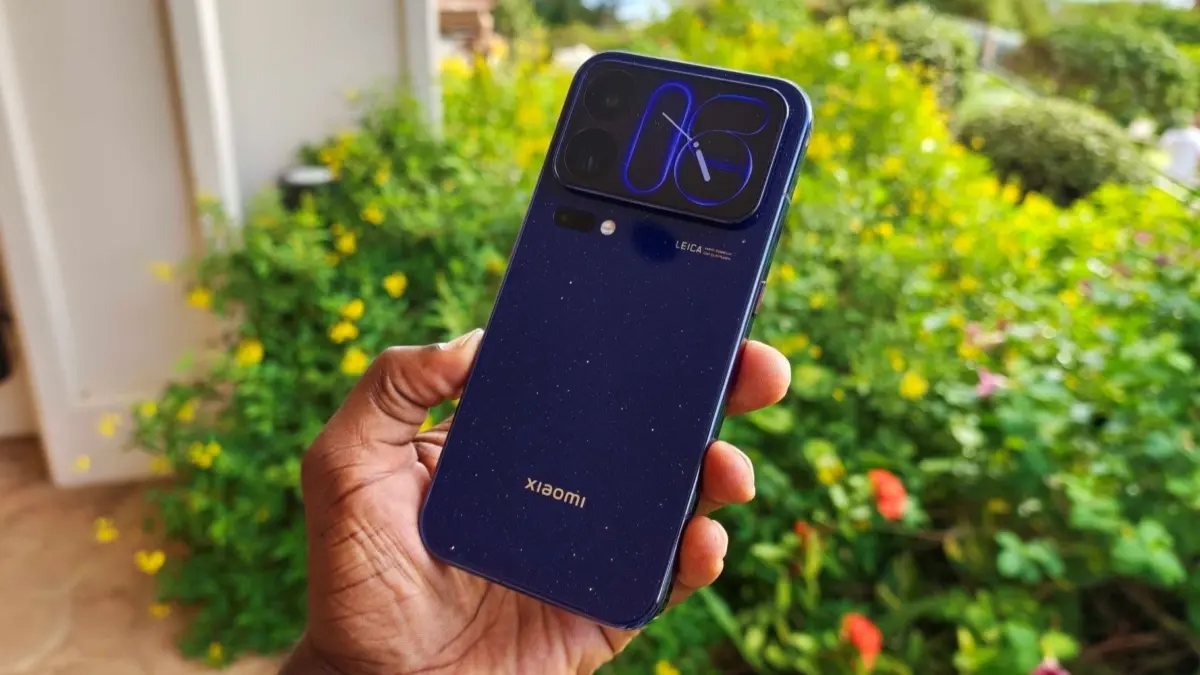
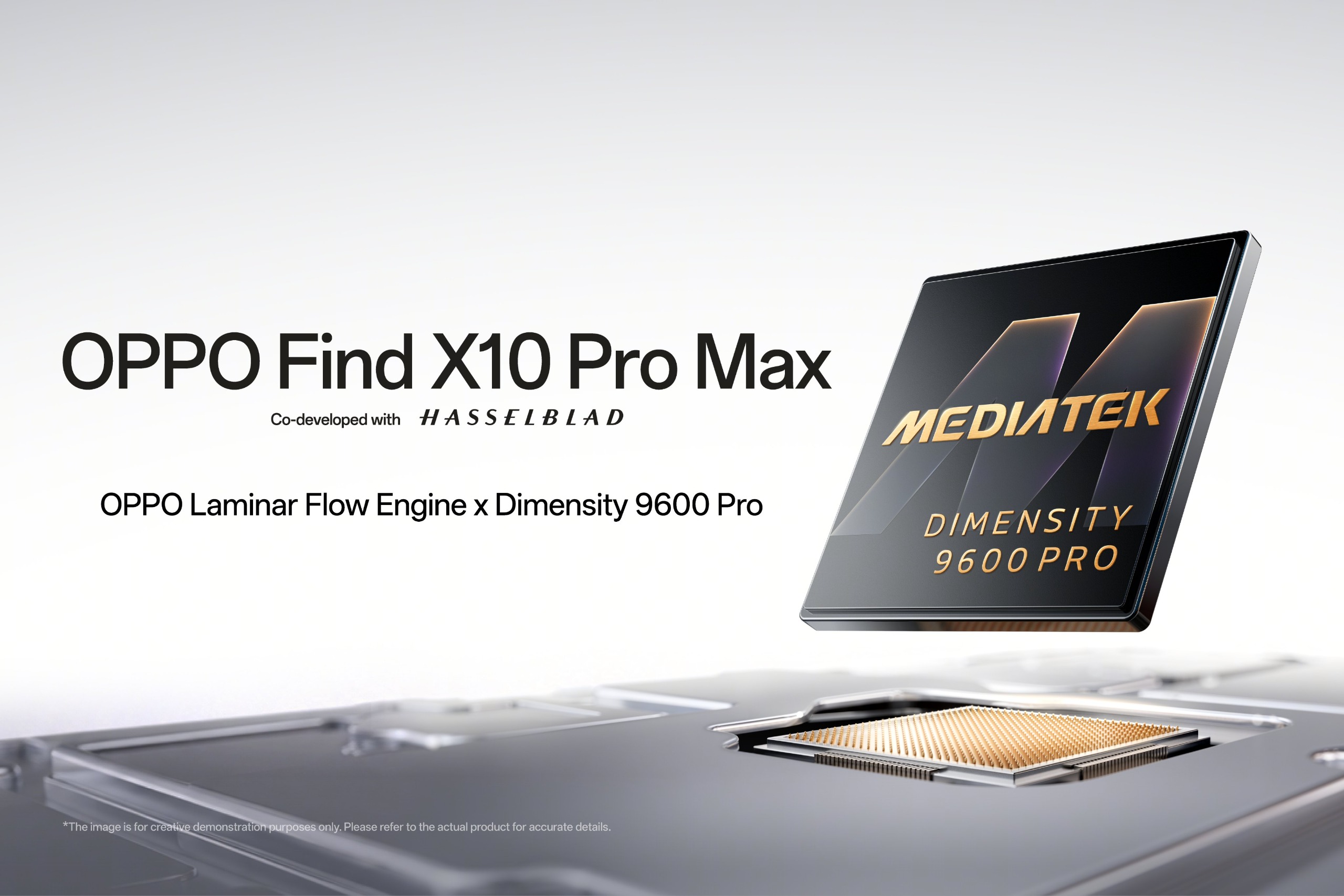
Prominent upcoming flagships—such as the OPPO Find X10 Pro Max, the Vivo X500 Pro Max, and the Xiaomi 18 Pro Max—have already made their initial debuts in regional markets like China, and they are slated to roll out to international audiences in the coming weeks. This rapid acceleration means that the technological advancements engineered by Qualcomm and MediaTek will be tested in real-world environments much sooner than anticipated, offering a clear window into the future of mobile computing.
This year brings a monumental architectural shift for both semiconductor titans. For the past three years, the mobile industry has largely relied on 3nm manufacturing processes. However, both Qualcomm and MediaTek have successfully made the leap to TSMC’s cutting-edge 2nm manufacturing node. This transition is not merely an incremental milestone; it represents a foundational shift that unlocks massive performance gains, superior energy efficiency, and tighter hardware integration across the board. Furthermore, both chipsets boast native integration for next-generation LPDDR6 RAM and UFS 5.0 storage standards, ensuring that data bottlenecks are minimized and device responsiveness is pushed to absolute limits.

These CPUs Are Extreme in All the Right Ways
Qualcomm has never been shy about its branding choices, but this year’s iteration pushes nomenclature to new heights. Following its recent philosophy of leveraging custom-core designs, the company’s latest flagship processor has been dubbed the Snapdragon 8 Elite Extreme Gen 6. Keeping up with the dramatic name, Qualcomm has engineered a setup where the two main performance cores reach staggering clock speeds of up to 5GHz.
The overall layout utilizes a standard 2+6 core configuration. Alongside the ultra-fast primary duo, the six dedicated performance cores are capable of ramping up to 4.0GHz. Backed by a generous 16MB of cache, Qualcomm’s custom architecture claims a 13% increase in raw processing performance compared to its predecessor, alongside an astonishing 37% improvement in overall energy efficiency.
MediaTek, on the other hand, continues to lean heavily into Arm’s latest core technology, opting for a distinct hardware topology. Rather than mirroring Qualcomm’s approach, MediaTek utilizes a 2+3+3 core configuration. This setup features a pair of high-powered C2-Ultra cores clocking in at 4.55GHz, supported by six C2-Pro cores split across two clusters—one running up to 4.35GHz and the other optimized for efficiency at 3.1GHz.

This architecture closely mirrors MediaTek’s strategy with the previous-generation Dimensity 9500. Having spent considerable time testing prior implementations in devices like the Vivo X300 Pro and the Find X9 Pro, industry analysts and reviewers have generally praised MediaTek’s methodical approach to balancing raw power and thermal output. For this latest generation, MediaTek reports a 17% overall increase in performance. More importantly, the company highlights a dramatic 61% improvement in energy efficiency during multi-core workloads, paired with a 37% gain in single-core scenarios.
It is the single-core efficiency metric that typically translates to the most noticeable improvements in daily user experience, streamlining tasks ranging from app launching to multitasking. These sweeping claims will soon face rigorous real-world testing as brands like OPPO and Vivo prepare to bring their newest flagship devices to global markets starting in October.
The GPU Goes Neural
Historically, discussions surrounding mobile graphics often defaulted to giving Qualcomm a definitive edge. However, the graphics landscape has evolved significantly, making the competition far more unpredictable this year. Arm has made substantial investments in graphical innovation, particularly by integrating advanced neural technology into its GPU architecture. As a result, the Mali-G2-Ultra-NX powering the Dimensity 9600 Pro emerges as a uniquely compelling piece of silicon.

Qualcomm is marching down a similar path with its newly introduced Adreno matrix cores, though the company has yet to fully demonstrate the tangible difference this neural hardware will make during visually demanding, high-end mobile gaming sessions. On paper, Qualcomm touts a 44% increase in graphics performance alongside a 40% gain in energy efficiency. However, the efficiency metric remains somewhat ambiguous, as it heavily depends on whether the specific games actively utilize Qualcomm’s proprietary neural technology. Meanwhile, MediaTek takes a more measured approach with its official metrics, claiming a solid 27% performance boost and a 24% reduction in power consumption under heavy graphics load.
Thermal management will undoubtedly dictate which of these platforms wins over mobile gamers. Previous-generation devices powered by the Snapdragon 8 Elite Gen 5 occasionally struggled with noticeable thermal throttling and overheating issues during extended gaming sessions. In contrast, MediaTek demonstrated notably superior thermal control during the same period. Observers will be watching closely to see if Qualcomm has successfully resolved these heat dissipation hurdles with the Snapdragon 8 Elite Extreme Gen 6, or if MediaTek will once again claim the crown for sustained performance.
Get Ready for the Next Big Imaging Upgrade
Mobile photography and videography remain primary battlegrounds for flagship smartphone supremacy, and both chipset manufacturers have equipped their latest silicon with formidable Image Signal Processors (ISPs). Qualcomm has long maintained an exemplary reputation for its imaging pipelines, and its newest platform brings robust capabilities to the table, including native support for 3K60 video recording, ultra-low-light video capturing at 4K60, and butter-smooth slow-motion capture at 4K240. Deep artificial intelligence integration underpins these features, though the ultimate success of these tools depends on how smartphone manufacturers choose to implement them in software.
MediaTek, meanwhile, has closed the gap remarkably over the past year and a half, fueled largely by close hardware and software collaborations with manufacturers like OPPO and Vivo. The Dimensity 9600 Pro matches many of Qualcomm’s headline imaging specs, offering 8K60 video capture, 4K240 slow-motion capabilities, and tight synergy with the onboard Neural Processing Unit (NPU). Because devices such as the Vivo X500 Pro and the OPPO Find X10 Pro Max already rely on this ecosystem, it is increasingly clear that MediaTek’s ISP is fully capable of going toe-to-toe with Qualcomm’s best.
Coming Soon to a Phone Near You
The global rollout for these next-generation flagships is rapidly approaching. OPPO and Vivo are scheduled to launch their premier devices globally in October, while Xiaomi has yet to confirm the exact international release window for the Xiaomi 18 Pro, though a wider rollout later this year is practically guaranteed. Notably, Xiaomi plans to bring the 18 Pro models to the Indian market, setting the stage for intense competition in one of the world’s most dynamic smartphone sectors.
While the majority of prominent Chinese manufacturers do not traditionally distribute their flagship lines within the United States, North American consumers will still have access to these cutting-edge processing capabilities. Motorola has confirmed plans to launch the Motorola Signature 27 in North America, powered directly by Qualcomm’s Snapdragon 8 Elite Extreme Gen 6. This device is expected to hit store shelves just ahead of the busy year-end holiday shopping season, with specific pricing and availability details slated for release closer to the launch date.
As reviewers and technology enthusiasts prepare to get their hands on devices driven by these two rival platforms, the industry stands on the precipice of a major performance leap. While early specifications and manufacturer claims paint a picture of unprecedented power, real-world testing will soon reveal how these 2nm powerhouses truly stack up against the established benchmarks of previous years.



Leave a Reply