
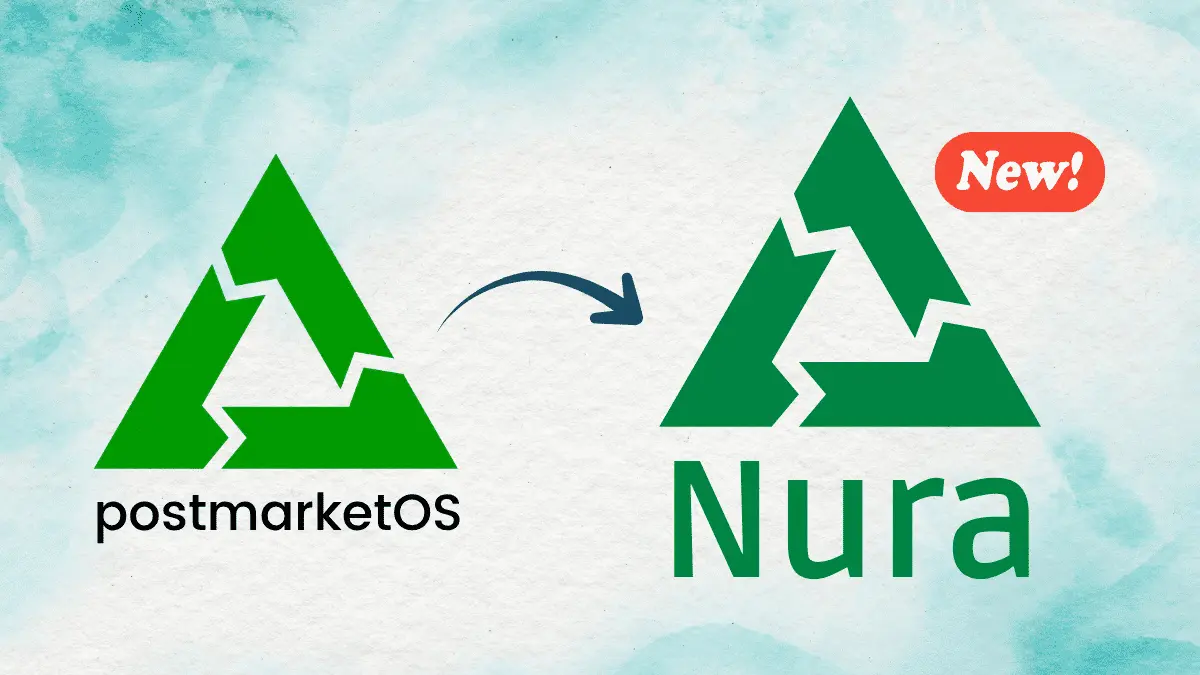
The rebranding announcement was made during the project’s annual conference, marking the culmination of a rigorous, multi-month process that first began in March of the previous year. The transition represents far more than a simple cosmetic change; it addresses deep-seated legal, linguistic, and practical challenges that had accumulated over the project’s lifetime.
The journey to the new name was collaborative and extensive. When the project initially opened the floor to community contributions, it received more than 300 name submissions from users and developers across the globe. A dedicated selection team was formed to review the entries, ensuring the chosen identity would resonate well within the open-source community while avoiding potential pitfalls.
The selection process was meticulous. The team implemented strict trademark reviews and cross-cultural checks, evaluating potential names against languages from every continent to guarantee that the final choice carried no unintended or offensive meanings across different cultural contexts. After narrowing the field from hundreds of submissions down to four finalists, the selection team—consisting of contributors Pablo C. Gómez, Pan Ortiz, Ranny Bergamotte, and Sriram Ramkrishna—held a final vote. The winning name, Nura, was originally submitted by community member Davide Depau.
postmarketOS Had to Go
For years, the operating system operated under the banner of postmarketOS, a moniker that made sense during the project’s early days. When the software was conceived, its primary mission was to rescue smartphones that had been abandoned by their original manufacturers and left behind by commercial software updates. The name humorously and accurately described an operating system designed for the post-market phase of a mobile device’s lifecycle.
However, as the project matured, the old name began working against it in ways that compounded steadily over time. From a usability standpoint, the name was long, cumbersome, and notoriously difficult to pronounce consistently across multiple languages. Furthermore, its unconventional mid-word capitalization lacked any intuitive logic for newcomers encountering the project for the first time, leading to frequent misspellings and mischaracterizations such as "PostmarketOS," "Postmarketos," and "post-market OS."

More pressing than linguistic hurdles, however, was the growing problem of scope and legal protection. While the title was descriptive of reviving old hardware, it became a significant liability as the ecosystem evolved. When hardware manufacturers like PINE64 began shipping modern mobile devices with the operating system pre-installed out of the box, the descriptive nature of the name prevented the project from securing proper trademark protection.
Without the ability to legally protect its identity, the project lacked solid legal standing to defend its brand against misrepresentation or confusion in the broader marketplace. Recognizing that a sustainable future required a distinctive and protectable identity, the core team initiated the transition that ultimately led to the adoption of Nura. Alongside the new name, a formal trademark application has already been filed, securing the project’s position as it enters its next phase of growth.
What’s Nura?
The name Nura carries deep historical and philosophical significance for the project. It is a short, phonetic adaptation of "Nuraghe," referring to the ancient, robust megalithic stone structures scattered across the island of Sardinia in Italy. Some of these remarkable granite edifices date as far back as 3000 BC. Despite weathering thousands of years of environmental changes, many of these structures remain proudly standing today, serving as a testament to durability, resilience, and enduring engineering.
The project explicitly draws inspiration from these ancient monuments, viewing structural longevity as a direct parallel to its own core mission. Just as the nuraghe stand the test of time, Nura aims to ensure that mobile hardware remains functional, secure, and useful for a decade or more, actively combating the modern culture of planned obsolescence and electronic waste.
Emphasizing this commitment to environmental sustainability, the project deliberately chose to host its new digital home on the .eco top-level domain. This specialized domain extension is strictly reserved for organizations and initiatives that demonstrate a genuine commitment to positive environmental change, and it comes equipped with enforceable policies designed to prevent greenwashing.
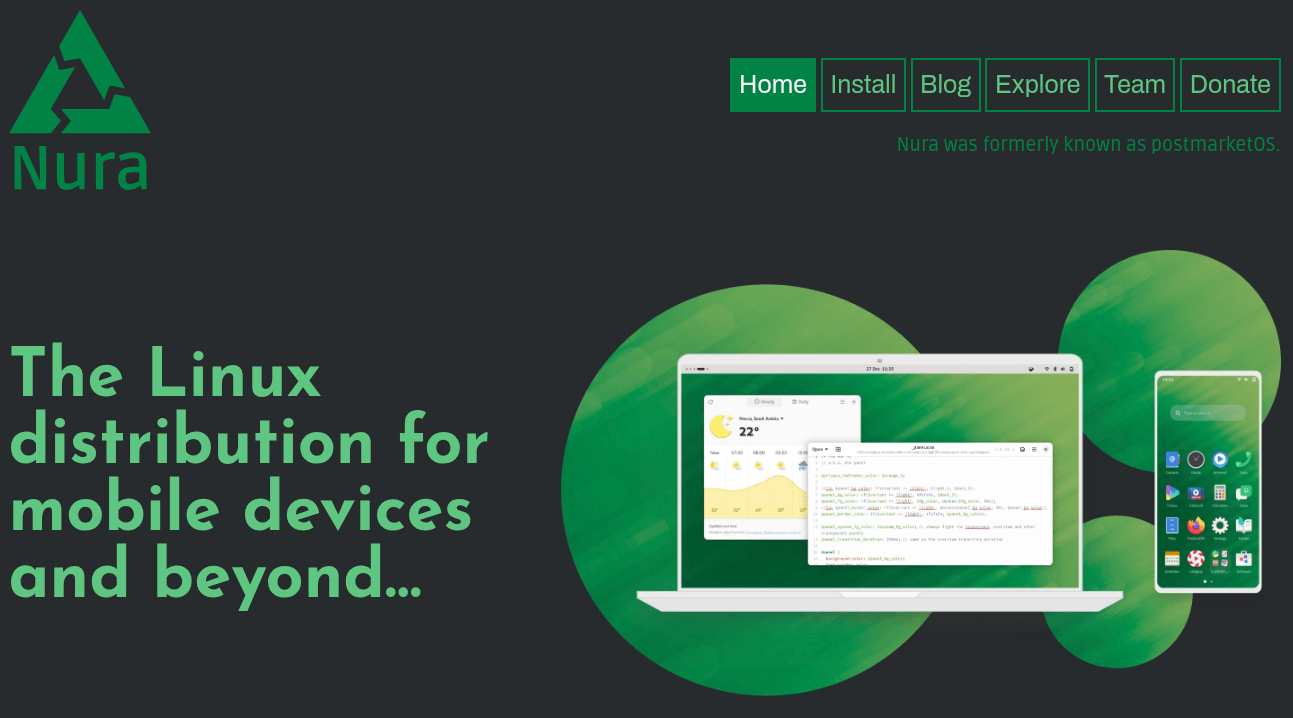
Reflecting this ethos, the project’s newly redesigned website offers a transparent and straightforward look at the operating system’s current state and development roadmap. The platform explicitly notes that the software is currently best suited for users who are willing to learn how the system operates, actively contribute to community testing, or participate directly in software development.

The Project’s Current Status
Alongside the rebranding, the development team continues to push the platform forward. The project’s current stable release, v26.06, represents the ongoing refinement of Linux-based mobility. For newcomers looking to take their first steps into the world of alternative mobile operating systems, the community recommends specific hardware entry points.
Second-hand devices powered by Qualcomm Snapdragon 845 or Snapdragon 410 and 412 processors remain the most sensible and well-supported options for testing the software. The roster of currently supported hardware includes reliable options such as the Fairphone 4, the OnePlus 6 and 6T, the PINE64 PinePhone and PinePhone Pro, the Purism Librem 5, alongside a selection of older smartphone models from manufacturers like Samsung and Xiaomi.
As Nura steps into its future under this unified and legally protected identity, the community hopes to shed the friction of its former name while doubling down on its founding principles: keeping mobile devices functional, empowering users with open-source software, and building a sustainable alternative in an industry dominated by tech giants.


Leave a Reply