
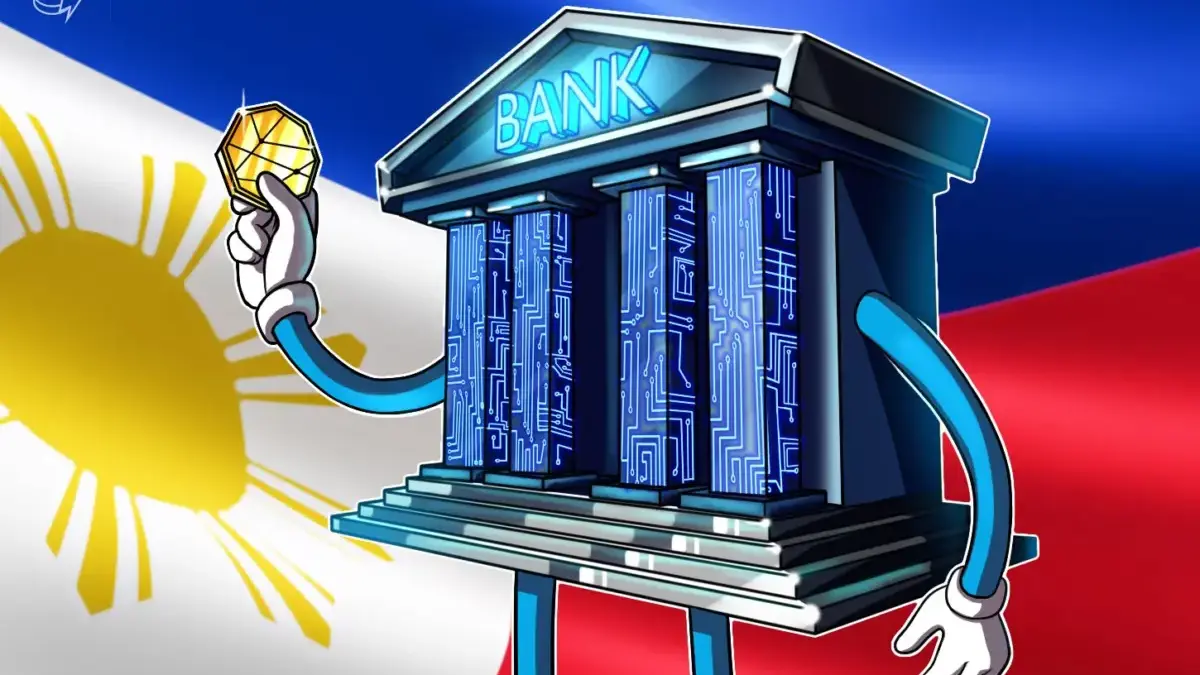
The Philippines’ central bank has proposed a sweeping regulatory shift that would temporarily halt the entry of new payment-system operators while simultaneously imposing much stricter controls on payment arrangements involving virtual asset service providers. Under a newly released draft circular, the Bangko Sentral ng Pilipinas outlined plans to suspend the acceptance and processing of new applications for operators of payment systems. The proposed one-year freeze is designed to allow the central bank to conduct what it describes as a holistic review of its current taxonomy and licensing framework to ensure greater stability and security across the nation’s rapidly evolving financial ecosystem.
According to the regulatory document published by the central bank, the prospective suspension would pause the evaluation pipeline for new entrants seeking to operate within the country’s formal payment infrastructure. While applications that were formally submitted prior to the implementation of the suspension would still be permitted to continue through the evaluation process, the Bangko Sentral ng Pilipinas would refrain from granting final approvals or rejections until the temporary pause officially concludes. Furthermore, entities looking to embark on activities that legally require operator of payment system registration would be barred from initiating those operations unless they receive explicit prior authorization from the regulator.
This move underscores the central bank’s ongoing commitment to safeguarding the integrity of the national payment network amid the increasing integration of digital assets and traditional financial rails. The rapid growth of digital finance, financial technology innovations, and cryptocurrency adoption in Southeast Asia has prompted regulators across the region to reexamine existing supervisory tools. By pressing pause on new licenses, the central bank aims to step back, evaluate systemic vulnerabilities, and modernize its regulatory approach to match the complexities of modern digital transactions.
Alongside the proposed moratorium on new operator applications, the draft circular introduces stringent compliance requirements for institutions supervised by the central bank that offer merchant acquisition services. Under the new rules, these supervised financial institutions would be mandated to handle regulated virtual asset service providers strictly through direct merchant arrangements. Such financial relationships would not be permitted to operate haphazardly; instead, they would be subjected to heightened regulatory scrutiny, including enhanced due diligence procedures, rigorous ongoing monitoring, strict transaction and settlement limits, and a variety of other risk-based controls designed to mitigate financial crime and operational vulnerabilities.
The scope of this regulatory framework is broad and captures a sensitive category of financial actors. The requirement specifically covers virtual asset firms that are legally mandated to be licensed, registered, or authorized by the Bangko Sentral ng Pilipinas, the Philippine Securities and Exchange Commission, or other relevant regulatory authorities. In the text of the draft circular, virtual asset service providers are listed alongside other high-risk or strictly monitored categories, including gambling businesses, gaming providers, adult-oriented enterprises, and money service businesses. This classification highlights the cautious stance that financial authorities continue to maintain toward the cryptocurrency sector, viewing it through a risk-management lens similar to other sectors historically associated with elevated compliance challenges.
The regulatory proposal is slated to take effect fifteen days immediately following its official publication in the event that it is finalized in its current form. In the meantime, the Bangko Sentral ng Pilipinas has opened a public consultation period, actively accepting feedback and commentary from industry stakeholders, financial institutions, and interested parties regarding the implications of the draft rules. This consultation phase is a standard part of the central bank’s policymaking process, allowing industry participants to voice concerns or offer technical recommendations before the regulatory framework becomes legally binding.
In the wake of the announcement, media inquiries were directed to the central bank to gather deeper insights into the motivations behind the timeline and the broader implications for the fintech sector. Cointelegraph reached out to the Bangko Sentral ng Pilipinas for more information regarding the proposed freeze and the specific compliance expectations for virtual asset service providers, but did not receive a response prior to the publication of this report.
The tightening of rules around virtual asset integration comes at a time of heightened regulatory vigilance within the Philippines. The country’s financial watchdogs have increasingly turned their attention toward unauthorized digital asset platforms operating within or targeting the domestic market. Regulatory bodies have frequently issued public advisories and enforcement warnings flagging various cryptocurrency exchanges, decentralized finance protocols, and digital asset platforms that lack the necessary local licenses or regulatory approvals to offer financial services to Philippine citizens.
As the regulatory landscape continues to mature, market participants are expected to adapt to a much more rigorous environment. The outcome of the current public consultation period will likely shape how traditional financial institutions and digital asset firms interact in the near future, setting a definitive tone for the intersection of mainstream banking and cryptocurrency in the Philippines.


Leave a Reply