
PeeringDB, the vital, user-maintained database relied upon by network operators worldwide for critical interconnection data, has rolled out a comprehensive series of platform updates and operational improvements. Detailing the latest developments in a half-yearly review by Product Manager Leo Vegoda, the platform continues to refine how networks, Internet Exchange Points (IXPs), and data center facilities interact with its vast repository. Building on a series of regular software releases and community feedback, the latest developments focus heavily on bridging the gap between manual exploration and automated workflows, enhancing geographic visualization, improving data clarity, and preparing for the next generation of API infrastructure.
For years, PeeringDB has served as the foundational first stop for engineers making peering and interconnection decisions. By providing a freely available, centralized registry of networks, facilities, and exchange points, it simplifies the complex logistics of global traffic exchange. The newest round of updates highlights the platform’s ongoing commitment to evolving alongside the automation needs of modern network engineering teams, while simultaneously addressing long-standing data quality nuances brought forward by active members of the community.

Feature Updates and Advanced Search Enhancements
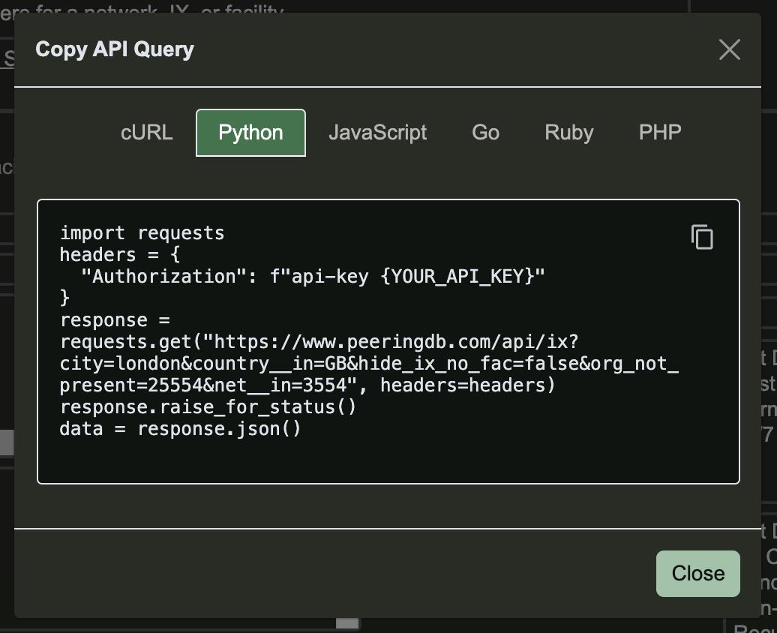
Among the most anticipated feature updates is the expansion of the "Copy API Query" functionality into PeeringDB’s Advanced Search tool, fulfilling a promise made during previous product updates. Users can now build custom, granular searches directly through the intuitive web interface and instantly generate an equivalent API query in multiple formats, including traditional curl commands and several popular programming languages. This bridge between the graphical interface and programmatic execution significantly lowers the barrier for engineers looking to transition from manual exploration to fully automated operational workflows.
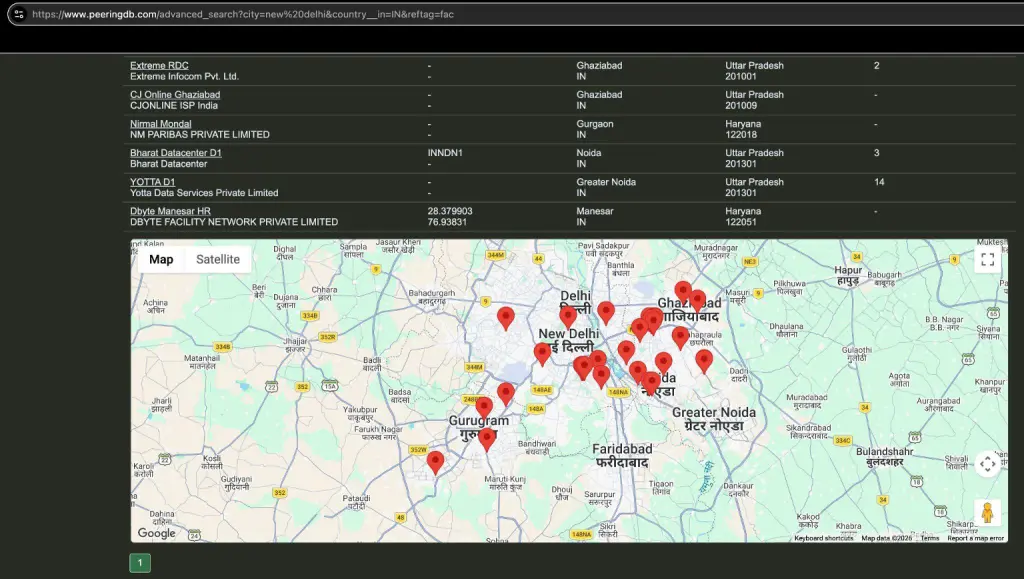
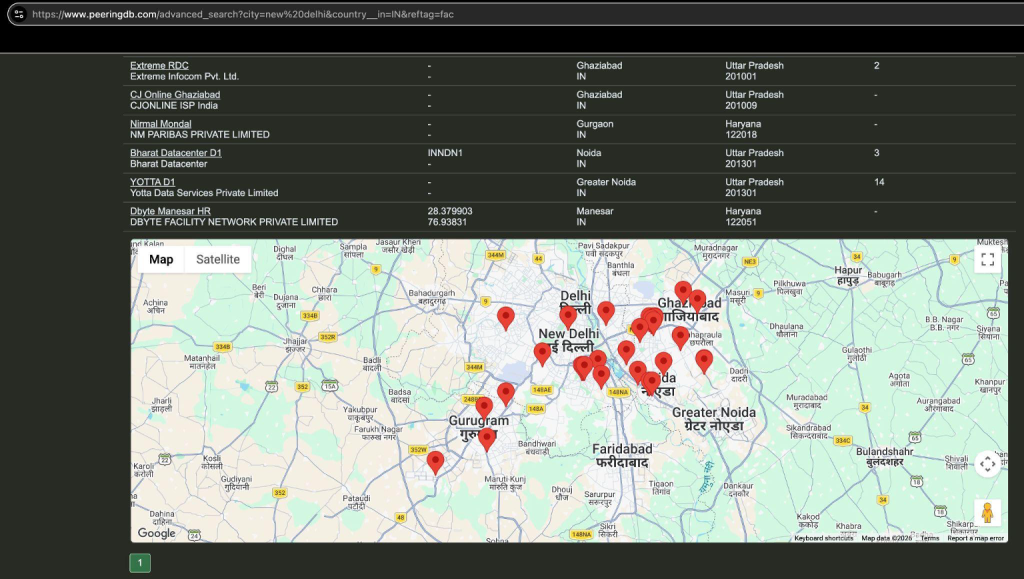
In tandem with the search query generator, PeeringDB has introduced an optional, in-page map view for Advanced Search results. When enabled via individual user profile settings, this interactive map renders a visual overview of facility locations within a specified city or region. By complementing the traditional table-based search results, the map offers engineers an immediate, at-a-glance understanding of local interconnection ecosystems and physical data center density.
While the new in-page map provides localized visual clarity, PeeringDB has ensured that broader geographic and macro-level analysis remains fully supported. The complete PeeringDB facility dataset continues to be readily available as a downloadable KMZ file, enabling network planners to integrate the data seamlessly into Geographic Information Systems (GIS) and specialized mapping applications for enterprise-grade planning.

Streamlined Software Releases and Operations Dashboard
On the operational front, PeeringDB has formally adjusted its software deployment lifecycle following a successful trial period. In August, the development team tested a revised release process that bypassed the traditional public beta stage, moving updates directly from rigorous internal testing environments straight into production. This adjustment was made in direct response to community feedback suggesting that the prior public beta phase no longer yielded significant engagement or value for routine rollouts. Because the August release proceeded without a single reported issue or community concern, platform administrators have adopted this streamlined approach as the new operational standard.
However, platform leadership emphasizes that public beta testing will still be utilized selectively for major architectural shifts, particularly those introducing significant alterations to user interface layouts or underlying API behaviors.
Complementing the release pipeline changes, PeeringDB has completed the comprehensive redevelopment of its internal operations dashboard. Designed to provide better oversight and administrative control, access to the new dashboard began rolling out to trusted PeeringDB volunteers in September, with plans for a broader public release slated for later in the year.
Data Quality Improvements and AS-SET Naming
Data integrity remains a core pillar of PeeringDB’s mission, and the latest update brings a notable refinement to how routing policy data is displayed across the platform. Following constructive feedback from community member James Bensley, PeeringDB has updated its handling and display of AS-SET names to remove ambiguity and improve overall clarity.
Moving forward, AS-SET names throughout the database will explicitly include their originating Internet Routing Registry (IRR) where known. For instance, a routing object previously listed simply as a standard identifier will now appear with clear registry attribution, such as displaying an AS-SET from APNIC with the explicit prefix format. For records where an appropriate IRR cannot be automatically determined or verified, platform operators are reaching out directly to network administrators to confirm accurate details. To support this effort, PeeringDB has introduced a specialized new editor designed to help users enter and maintain AS-SET information with greater consistency.
Additional data quality refinements are already in the pipeline for the coming months, including automated warning mechanisms that will alert users if a submitted AS-SET name is already actively registered or in use elsewhere within the database ecosystem.
Looking Ahead to API Evolution and AI Integration
Looking toward the future horizon, PeeringDB is preparing several ambitious initiatives designed to enrich platform metadata and accommodate emerging technological paradigms. Starting next month, users will gain the ability to signal precise operational metadata, including the exact dates a network plans to join or leave an exchange, as well as Maximum Transmission Unit (MTU) configurations.
Furthermore, PeeringDB has published an extensive discussion document outlining the architecture for a forthcoming v3 API. Driven by the need for enhanced performance and modern architectural standards, the development team has invited the community to review the draft proposal and participate in the dedicated API discussion mailing list. Early stakeholder input is considered vital to refining the design before implementation begins.
Platform maintainers are also exploring proactive data quality alerts, such as notifying operators if a network’s published maximum prefix count falls below the actual observed number of prefixes on the network.
Acknowledging the shifting digital landscape, PeeringDB has observed a notable increase in automated queries originating from artificial intelligence systems alongside human users. To ensure these automated interactions run efficiently and cleanly, administrators are setting up a Model Context Protocol (MCP) server and publishing a dedicated Agent Skills directory within the official GitHub repository.
At the same time, the team is seeking community input on potential enhancements to PeeringDB’s internal comparison tools. Engineers and operators interested in shaping features such as expanded comparative data metrics are encouraged to join the conversation on GitHub. As a freely available, user-maintained resource, PeeringDB relies heavily on community engagement, with users invited to contribute feedback via mailing lists, GitHub issues, or direct support channels.


Leave a Reply