

In the fast-paced world of open-source software development, writing code is frequently celebrated as the primary engine of progress. Yet, behind every successful open-source project lies an equally critical component that often determines whether a tool thrives or languishes in obscurity: its documentation. For customers, contributors, and enterprise adopters alike, comprehensive project documentation serves as the vital bridge between complex technology and practical utility. It translates the abstract intentions of a codebase into actionable knowledge, explaining not only the core purpose of a project but also providing the precise instructions required to operate, deploy, and integrate it successfully.
However, because software development is an iterative, never-ending process, maintaining this crucial resource presents a persistent challenge. A software project is rarely ever truly finished, meaning that documentation cannot remain static. It must evolve in tandem with continuous improvements, feature additions, and architectural shifts. When engineering teams move rapidly from one general availability release to the next, documentation teams often find themselves struggling to keep pace. The inevitable result is an accumulation of outdated guides, broken links, unaddressed typos, and a growing backlog of tasks that continually get pushed to tomorrow.
Faced with the daunting prospect of mounting documentation debt and the complexity of large-scale guides, organizations are increasingly turning to a collaborative, high-energy solution borrowed from the software engineering playbook: the docathon.
Modeled directly after the popular concept of the hackathon—where engineers, developers, and community leaders gather intensively to build new features or solve tricky technical problems—a docathon shifts that same collaborative focus entirely toward content. Instead of writing application code for a weekend, participants pool their collective expertise to refine, restructure, and modernize project documentation within a compressed, highly focused timeframe.
The utility of these events spans the full spectrum of content maintenance. A well-organized docathon can quickly eradicate persistent content gaps, untangle sprawling and confusing documentation sets, repair broken hyperlinks, and correct grammatical errors that undermine professional credibility. Rather than treating documentation as a solitary, isolated chore assigned to a single technical writer, a docathon treats it as a shared organizational mission capable of transforming large volumes of content in a relatively brief period.
The practical impact of such events can be substantial. In one notable instance, an enterprise documentation team successfully utilized a docathon format to completely revamp a sprawling 102-page installation guide. By narrowing the project’s scope to focus specifically on reorganizing for simplicity, eliminating redundant or duplicate text, and rigorously aligning the content with the actual customer journey, the team achieved a sweeping transformation that left a lasting impression on the organization and measurably improved customer success outcomes.

Industry observers and documentation leads point to several primary achievements that make hosting a docathon an attractive strategy for open-source projects and enterprise teams alike.
First and foremost, the format provides an aggressive mechanism for clearing out the dreaded documentation backlog. As products evolve through continuous integration and deployment cycles, the documentation must change accordingly. When priorities shift and releases follow one another in rapid succession, documentation teams face an overwhelming influx of new features, bug fixes, and maintenance tasks. The updates that inevitably fall by the wayside accumulate into a backlog of technical debt. During a docathon, participants can systematically triage these backlog items, knocking them out as they progress down the list. Even non-technical participants can provide immediate value by tackling text-related issues such as typos and broken links, freeing up technical writers to focus on complex architectural explanations.
Second, docathons offer a viable strategy for tackling the formidable task of revamping large-scale guides. By the time an organization realizes a major manual or guide needs an overhaul, the document is frequently several chapters in and hundreds of pages deep. Developing a comprehensive content plan is only the first hurdle; the real difficulty lies in executing the complex restructuring required to make the material accessible again. Restructuring a massive documentation set is rarely easy, but assembling a dedicated team to lead a docathon—complete with incentives for organization-wide participation across different departments—can accelerate the process. With coordinated effort and a defined timeline, teams can restructure entire guides in a fraction of the time normally required.
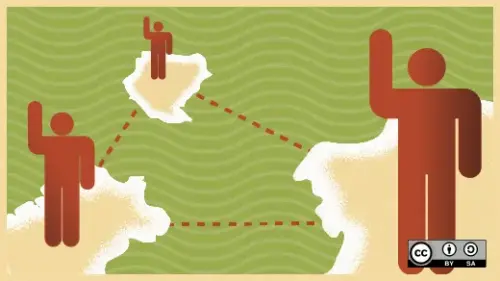
Finally, docathons break down traditional organizational silos by fostering deep collaboration between cross-functional teams. In many corporate and open-source environments, departments such as engineering, product management, customer support, marketing, and technical writing operate in relative isolation, rarely collaborating on shared assets as often as they should. A docathon creates a unique environment where each team member brings their distinct expertise to bear on product documentation.
This format fosters subject matter expert diversity, real-time communication, and cross-pollination of ideas. Crucially, it creates an inclusive framework where individuals situated in different geographical locations can contribute either in person or remotely. By opening the doors to diverse viewpoints and specializations, organizations ensure that their documentation receives the undivided attention of multiple experts, effectively minimizing the isolated silos, unconscious bias, and burnout that frequently plague solo technical writers.
As open-source projects continue to scale and software complexity increases, the challenge of maintaining clear, accurate, and navigable documentation will only intensify. When development teams find themselves staring down an insurmountable backlog or tasked with the daunting responsibility of restructuring a massive documentation library, the collaborative energy of a docathon offers a proven, highly productive path forward. For organizations seeking deeper insights into organizing such collaborative events, resources such as Tiffany Long’s comprehensive guide to hosting hackathons provide a practical roadmap for turning documentation maintenance into an engaging community-driven effort.

Leave a Reply