
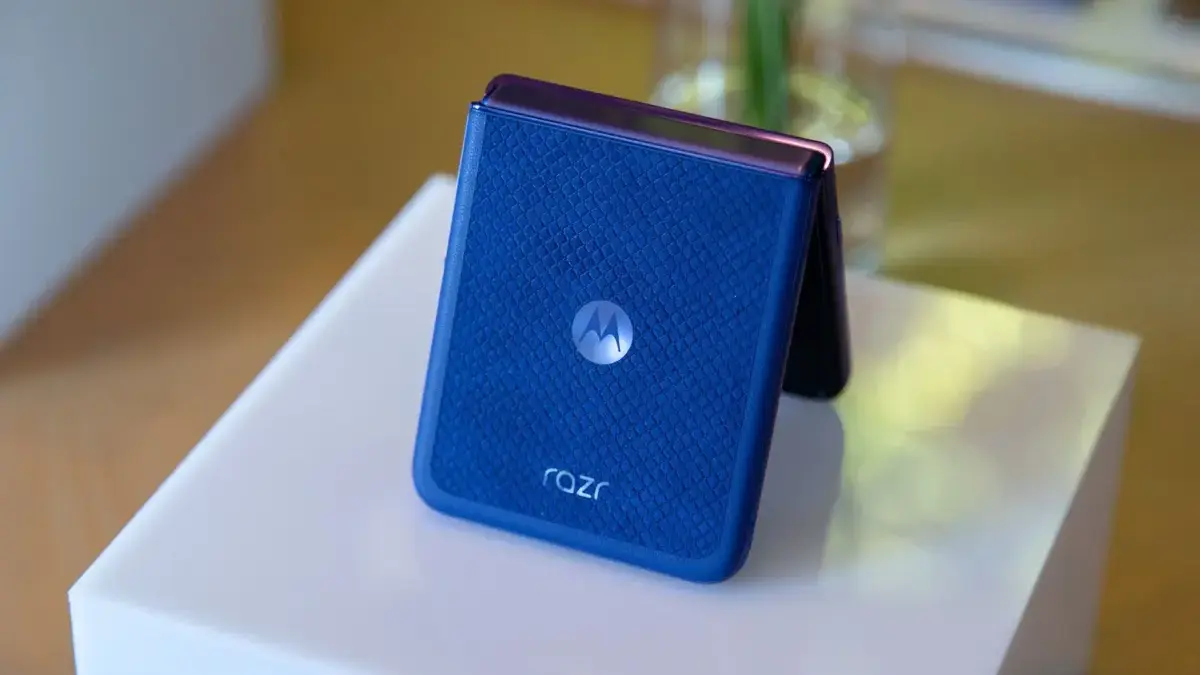
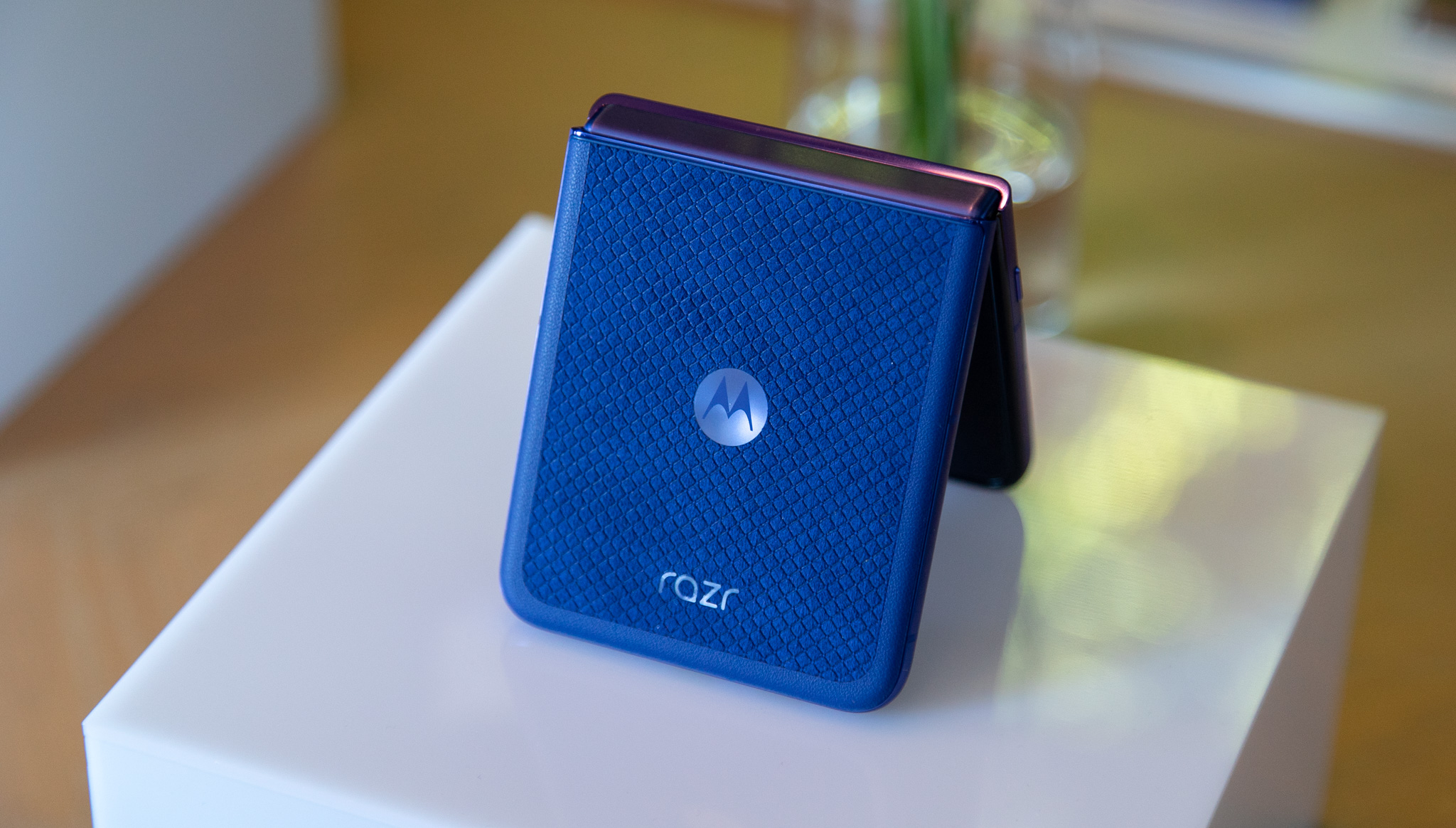
Owners of Motorola’s latest flagship foldable in the United States have reason to celebrate, as the long-awaited rollout of Android 17 officially begins hitting devices. The major software upgrade is making its way to the Motorola Razr Ultra 2026, bringing a comprehensive suite of new interface elements, enhanced customization options, and advanced artificial intelligence capabilities designed to streamline the user experience.
According to early reports received on October 6, the foldable device is receiving the new software build designated as version vA171WLH.38-19-5. As the rollout gradually expands across various carriers and individual devices, users should prepare to download a substantial file package measuring approximately 4.1GB. Motorola’s official release notes accompanying the software state that the Android 17 rollout is engineered to be "smarter, safer, and more productive," signaling a major milestone in the device’s software lifecycle.
A Fresh Visual Identity and Smarter Interface Redesigns
At first glance, the patch notes tease a fresh, expressive design language focused heavily on reducing visual clutter, improving day-to-day multitasking capabilities, and bolstering security and privacy controls. However, a deeper look into the update reveals a much broader visual transformation across the entire operating system. Users installing the software will immediately notice extensively updated system icons, the introduction of comprehensive themed icons that adapt to user preferences, and a thoroughly reorganized Settings page designed for easier navigation.
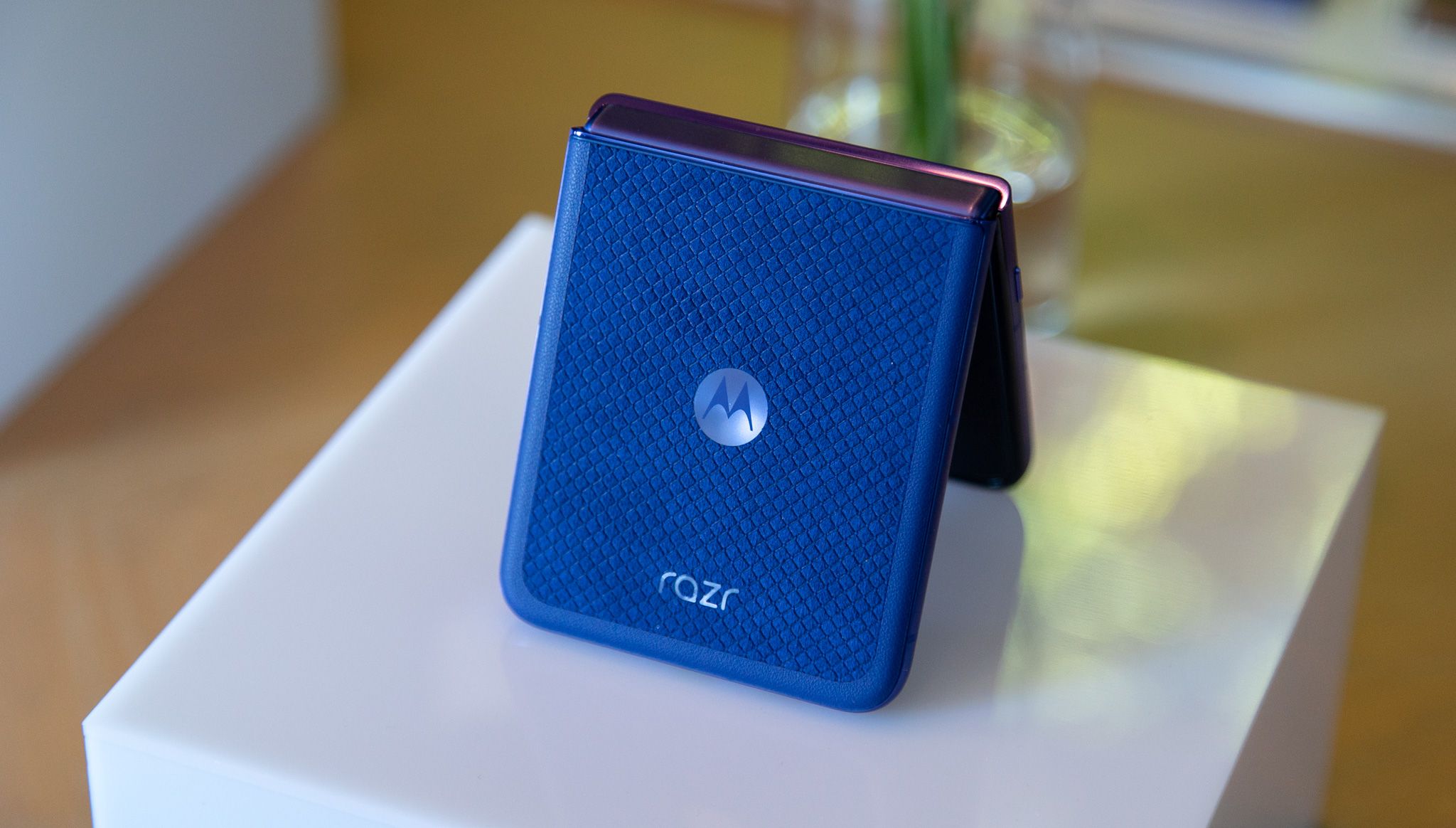
Beyond standard aesthetic improvements, the user interface has adopted design inspirations from other mobile ecosystems. Notably, the Live Updates user interface has received a significant visual refresh, drawing inspiration from Apple devices by incorporating an interactive, dynamic notification area reminiscent of the Dynamic Island. Additionally, Motorola is introducing advanced Notification Summaries. This tool is specifically engineered to parse long messages and bustling group conversations, allowing users to quickly catch up on missed discussions without scrolling through endless chat logs.
Advanced Customization and AI Integration
One of the most notable hardware-software integrations in this update involves the device’s dedicated AI Key. According to early adopters, the Razr Ultra’s physical AI Key finally gains the ability to be remapped using a double-tap gesture. Navigating into the AI Key settings menu reveals a new "Double Press" configuration option. From this interface, users can freely choose how the shortcut behaves, mapping it to functionality such as the standard Digital Assistant, Motorola’s proprietary Qira assistant, a dedicated "Pay Attention" mode, and various other system shortcuts.
The Android 17 package also introduces several new features aimed at digital wellbeing and display optimization. Among these additions is "Pause Point," a tool built specifically to help users maintain focus and stay on task throughout busy workdays. If a user attempts to open an application configured as a common distraction, Pause Point will introduce a brief, intentional delay before launching the software. Motorola indicates this is an intended behavioral design choice meant to prompt users to pause, reconsider their digital habits, and potentially make a different choice.
Display enthusiasts will also find substantial improvements through new HDR display settings bundled into the release. These options allow users to manually enhance and expand the overall color range, vibrancy, and clarity of the foldable screens. An integrated intensity slider provides tactile control, allowing individuals to shift the adjustment right for increased brightness or left for a dimmer visual profile.
Furthermore, early testers have noted subtle hardware feedback improvements, such as the addition of distinct haptic responses when dismissing notifications, bringing the tactile feedback closer to the experience found on Google’s Pixel smartphone lineup. While features such as "Tap to Send" were anticipated to arrive alongside these additions, some early users note that the functionality has not yet appeared on their devices, suggesting it may deploy in a subsequent minor patch.
Building on Motorola’s Software Roadmap
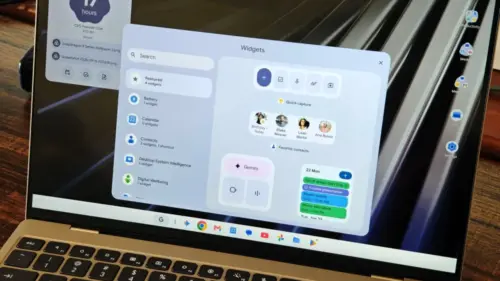
The arrival of Android 17 for the Razr Ultra 2026 follows months of anticipation after Motorola initially published its comprehensive eligibility roadmap back in August. That initial announcement outlined a robust update schedule covering devices such as the Razr Ultra 2025, the Motorola Razr 70 Ultra, and the Motorola Razr+ 2026, among others. Motorola subsequently detailed the core pillars of its Android 17 strategy, highlighting features like stackable widgets, expanded sharing capabilities for connected devices, and the option to hide labels when utilizing the classic user interface style.
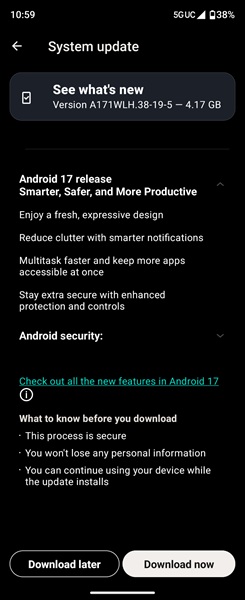
As the software distribution expands from its initial rollout phase, owners of the Razr Ultra 2026 across the United States are advised to keep their devices charged and connected to a stable Wi-Fi network. The update is expected to reach a wider base of users and carrier variants progressively over the course of the week.

Leave a Reply