
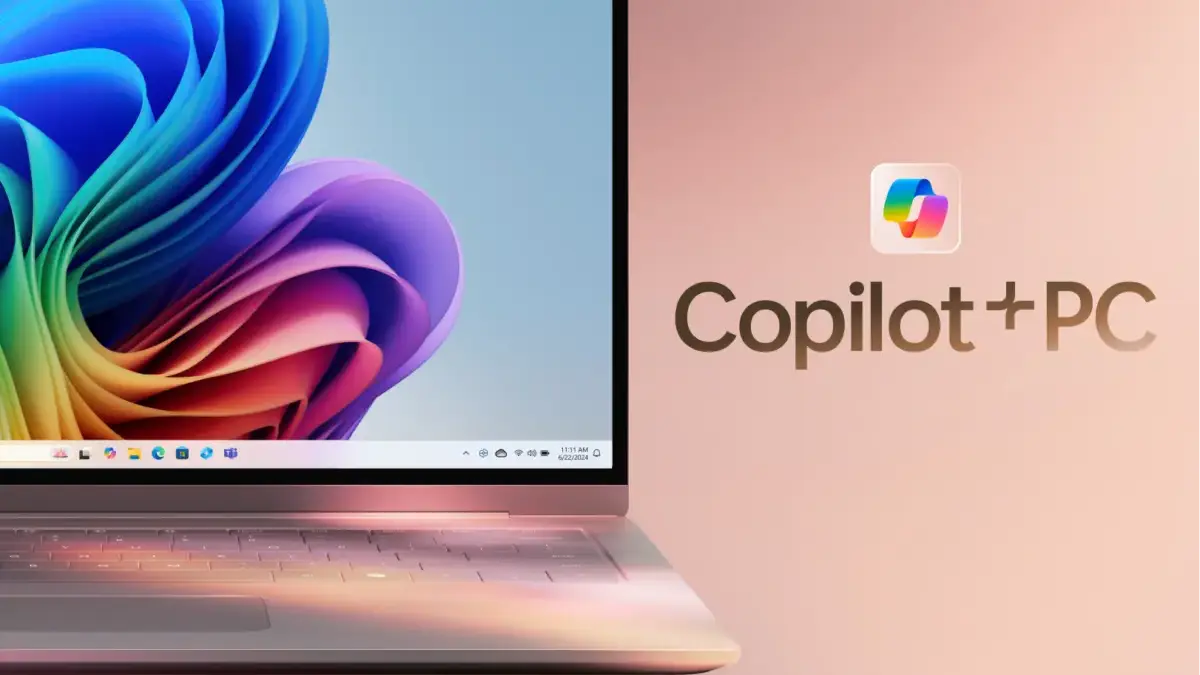
When artificial intelligence-infused personal computers first made their aggressive debut onto the consumer market back in early 2004—marking a significant shift in the personal computing landscape—Microsoft led the industry charge with its heavily hyped Copilot+ PC branding initiative. The distinct "Copilot+ PC" label was established as a high-end, exclusive designation reserved strictly for Windows machines that met stringent minimum hardware specifications required to run complex local AI features smoothly.
To earn the badge, a computer required a dedicated neural processing unit (NPU) capable of delivering upwards of 40 TOPS (tera operations per second) of AI performance, alongside a minimum baseline of 16GB of system RAM, at least 256GB of fast solid-state drive (SSD) storage, and the foundational support of Windows 11 version 24H2 or later. This hardware benchmark was intended to signal to consumers, enterprise buyers, and hardware partners alike that a given laptop or tablet was fully equipped for the next generation of computing experiences, which Microsoft promised would fundamentally change how users interacted with their operating systems.
However, the rapid evolution of the market, coupled with consumer hesitation and shifting internal priorities at Microsoft, suggests that the end may be drawing near for the entire Copilot+ PC movement. Recent hardware announcements and insider insights indicate that the once-prominent marketing pillar is quietly being pushed into the background, signaling a broader retreat from aggressive hardware-tier branding tied specifically to artificial intelligence assistants.
Industry reports have brought this quiet pivot to light, noting that Microsoft’s newest 12-inch Surface Pro and 13-inch Surface Laptop—both of which were recently showcased to the tech world at the annual Snapdragon Summit—meet all the rigorous hardware requirements necessary to qualify for the Copilot+ PC badge. Yet, despite possessing the silicon horsepower and memory architecture required, neither of these newly minted flagship devices actually flaunts the badge.
The omission is far from an oversight. Brett Ostrom, Microsoft’s chief of Surface development, explicitly confirmed that these two incoming devices will not be referred to or marketed as Copilot+ devices. Such a deliberate branding departure would be a remarkably strange strategic move if Microsoft genuinely intended to keep pushing the label forward as a cornerstone of its hardware ecosystem. Instead, the hardware speaks for itself while the marketing terminology quietly recedes into the shadows.
Corroborating this shifting trajectory, leadership from Microsoft’s hardware silicon partners has also expressed skepticism regarding the long-term viability of the brand. Kedar Kondap, Qualcomm’s senior vice president of compute and gaming, reportedly indicated that the Copilot+ PC badge is unlikely to see sustained use in the future, signaling a consensus across the manufacturing ecosystem that the specialized tier may have run its course before truly capturing the mainstream consumer’s imagination.
The writing has effectively been on the wall for the Copilot+ initiative for quite some time. From the very beginning, the advanced AI features integrated into Windows 11 were met with a lukewarm reception from both technology critics and everyday users. When these capabilities first launched, they frequently felt like early tech demos at best—rough around the edges, occasionally unreliable, and lacking the day-to-day utility that would justify the hardware premium attached to them.

As months passed, subsequent software advancements and feature updates struggled to catch on with the broader public. Just a year after the initial debut of these machines, technology analysts and industry observers widely acknowledged the myriad ways that Copilot+ PCs still needed to improve if the entire AI-focused movement was going to achieve lasting commercial success. Unfortunately, the necessary cultural and functional shift failed to materialize in the ways Microsoft originally anticipated.
Late last year, market observers noticed a distinct shift in Microsoft’s overarching strategy. Rather than leaning exclusively on the high-end Copilot+ tier, the company appeared to be pushing a broader, more generalized narrative where every Windows 11 PC was essentially becoming an AI-enabled PC, regardless of whether or not the underlying machine qualified for the specific Copilot+ badge.
Following this broad push, Microsoft appears to have engaged in a period of deep internal reflection earlier this year. The tech giant seemingly came to the collective conclusion that the most prudent move was to pull back on its aggressive AI ambitions within Windows 11, scaling back the heavy-handed integration of features that users had frequently criticized as intrusive or unnecessary. This strategic recalibration came on the heels of numerous industry reports suggesting that consumer adoption was lagging significantly, with data indicating that very few people were actively engaging with Microsoft’s Copilot AI tools on a regular basis.
When put together, these cumulative developments make the eventual sunsetting of the Copilot+ brand appear almost inevitable, whether it happens formally over the course of this year or stretches into the next. The market has spoken, and manufacturers are adjusting their sails accordingly.
Despite the apparent abandonment of the specific marketing badge, it is important to note that Microsoft is not abandoning artificial intelligence hardware or local processing altogether. Company leadership remains committed to the foundational technology that enabled these devices in the first place, even if the consumer-facing terminology is changing.
Clarifying the company’s ongoing hardware philosophy, Ostrom emphasized that while the new Surface Pro and Surface Laptop are intentionally not being called Copilot+ PCs, they still fully meet all the technical requirements of the previous performance bar for what constituted a Copilot+ device. Microsoft continues to lean heavily into the broader narrative around AI on the edge, maintaining a firm belief in the value of having a hybrid solution available for users who demand local processing capabilities alongside cloud connectivity.
Leave a Reply