
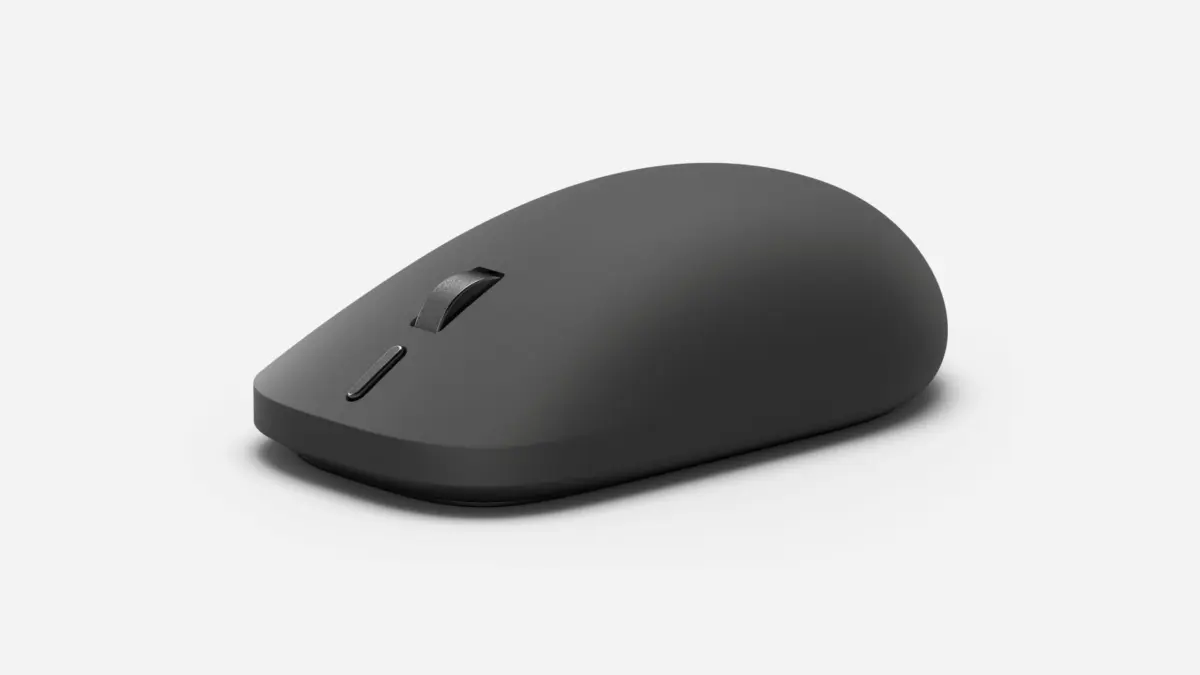
The new mouse features a customizable action button that is configured out of the box to provide quick access to Microsoft Copilot, aligning with the company’s broader push to integrate artificial intelligence tools directly into its hardware ecosystem. However, users who prefer alternative shortcuts will not be locked into the default AI setting, as the button can be fully customized to trigger various system actions through the dedicated Surface app.
Brett Ostrum, corporate vice president of Surface Devices, highlighted the functional impact of the new hardware feature in a recent announcement accompanying the reveal of the Surface Pro 12-inch and Surface Laptop 13-inch devices powered by Snapdragon X2 processors. According to Ostrum, the haptic feedback introduces a small, purposeful physical response to everyday digital interactions that users typically only experience visually on a screen, such as a click registering, a window snapping into place, or an object aligning precisely on a canvas. He noted that the implementation is subtle by design, yet noticeable within seconds of use and difficult to give up once experienced.
The haptic response system is deeply integrated with Windows 11, providing tactile feedback during standard navigation tasks like clicking, dragging, and aligning elements across the operating system. Beyond general desktop use, Microsoft has expanded the feature’s utility into creative and productivity-focused third-party applications. Supported software at launch includes PowerPoint, Affinity, Concepts, and Filmora, allowing professionals and creators to feel physical confirmation when interacting with timeline markers, design grids, and presentation elements.

This release follows Microsoft’s introduction of native haptic feedback support within Windows 11 earlier this year. As the ecosystem evolves, hardware manufacturers are gradually adopting the technology, though adoption remains relatively exclusive. Alongside Microsoft’s hardware lineup, Logitech has incorporated haptic feedback into products such as the MX Master 4 mouse. Other Logitech models, including the Pro X2 Superstrike and the newly introduced X3, feature haptic-based click systems, though those specific gaming-focused implementations operate differently and do not natively support the Windows 11 haptic feedback API. Additionally, the upcoming Surface Laptop Ultra is set to feature a haptic trackpad, signaling a broader company-wide commitment to tactile feedback across input devices.
The physical design of the Surface Mouse has also undergone a significant overhaul to improve ergonomics during extended periods of use. After leaving the original 2016 model unchanged for nearly a decade, Microsoft has redesigned the chassis to be more comfortable for all-day work environments, incorporating a soft-touch material across the top surface to enhance grip and comfort. Under the hood, the integration of Bluetooth 6.0 support addresses modern multi-device workflows, allowing users to seamlessly pair the mouse with up to three different devices and switch between them with ease.
The new Surface Mouse is scheduled to hit the market on October 13th, arriving on the exact same day Microsoft rolls out its refreshed Surface Pro 12-inch and Surface Laptop 13-inch hardware lineup. The accessory will be available for purchase at a retail price of $79.99 and will be offered in two classic color options: black and platinum.



Leave a Reply