

The landscape of personal computing is on the verge of a significant shift as Google prepares to introduce its highly anticipated new class of premium laptops, known as Googlebooks. With pre-orders officially slated to begin on September 21, consumer anticipation has reached a fever pitch. Adding fuel to the excitement, a fresh wave of leaked images detailing an upcoming hardware offering from ASUS has given technology enthusiasts their most comprehensive look yet at the physical design, aesthetic choices, and functional layout of these next-generation devices.
The newly surfaced renders, which originated from reports by The Mac Observer, showcase a machine that manages to bridge the gap between traditional laptop ergonomics and a distinct, modern visual identity that Google is clearly trying to carve out for this new product category. While the chassis maintains a familiar and practical laptop shape, the finer details point toward an intentional effort by Google and its manufacturing partners to establish a unique design language that sets these devices apart from standard Chromebooks or Windows-based ultrabooks.
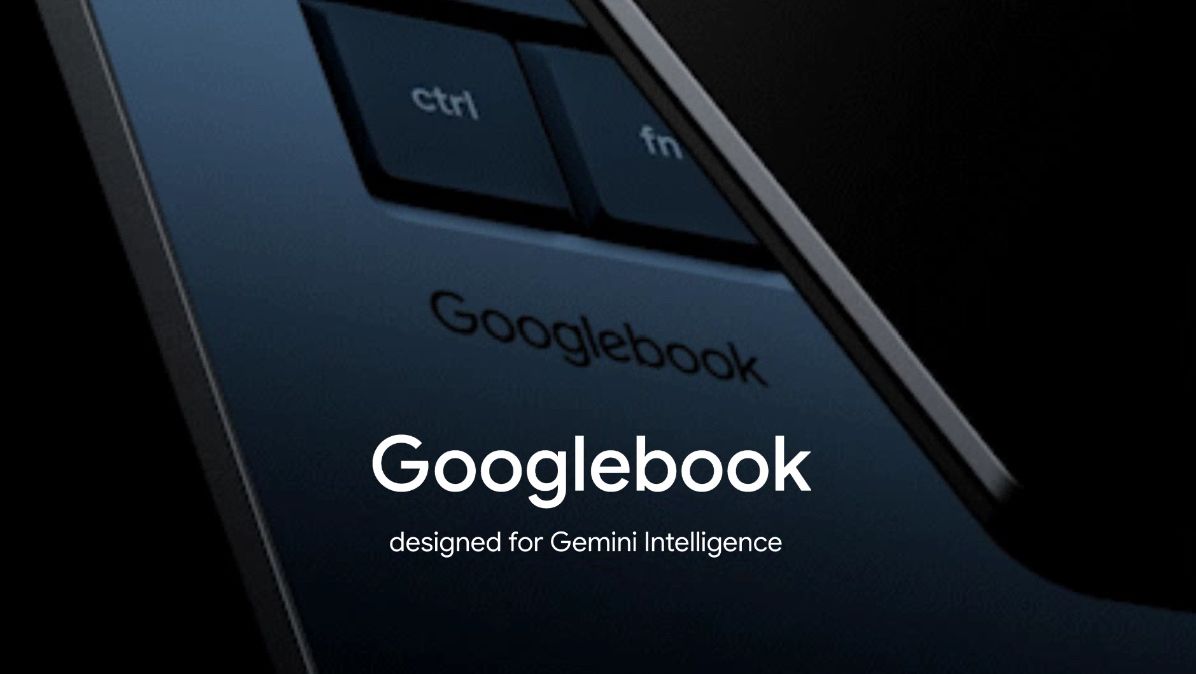
According to the leaked images, the ASUS model features a sophisticated dark gray body, complemented by a notably large touchpad and exceptionally thin display bezels that maximize screen real estate. Perhaps most striking among the physical design choices are the custom branding elements and interactive touches. The laptop includes a dedicated Google "G" key on its keyboard layout and features "Googlebook" branding discreetly placed on the palm rest. On the exterior lid, a vibrant multicolor light bar immediately catches the eye, positioned just above an understated ASUS logo, giving the device a distinct aesthetic flair that moves away from utilitarian corporate designs.
Beyond surface-level aesthetics, the leaked hardware reveals a refreshingly practical approach to connectivity and usability. A closer examination of the side profiles indicates a robust array of ports, including at least two USB-C connections, two traditional USB-A ports, and a standard headphone jack. This generous selection means users will likely be able to connect legacy peripherals, external storage devices, and audio equipment without immediately having to invest in a collection of dongles or adapters—a common frustration with many modern thin-and-light laptops. Furthermore, the device incorporates a biometric fingerprint sensor for enhanced security and convenience, while the keyboard appears to offer a reasonable amount of key travel, suggesting a comfortable typing experience for extended use.
Under the hood, the hardware leaks also hint at performance capabilities that may stretch beyond the boundaries of traditional entry-level cloud computing devices. Internal views visible in the renders suggest that ASUS has implemented an active cooling system, complete with a visible cooling fan and heat pipe assembly. The presence of active cooling strongly implies that this specific Googlebook configuration is engineered to handle heavier workloads, more intensive multitasking, and sustained processing demands that typically exceed the threshold of an average Chromebook. While the exact processor models, RAM configurations, and storage specifications remain closely guarded secrets, the inclusion of a dedicated thermal management system signals that Google and ASUS are targeting power users alongside everyday consumers.
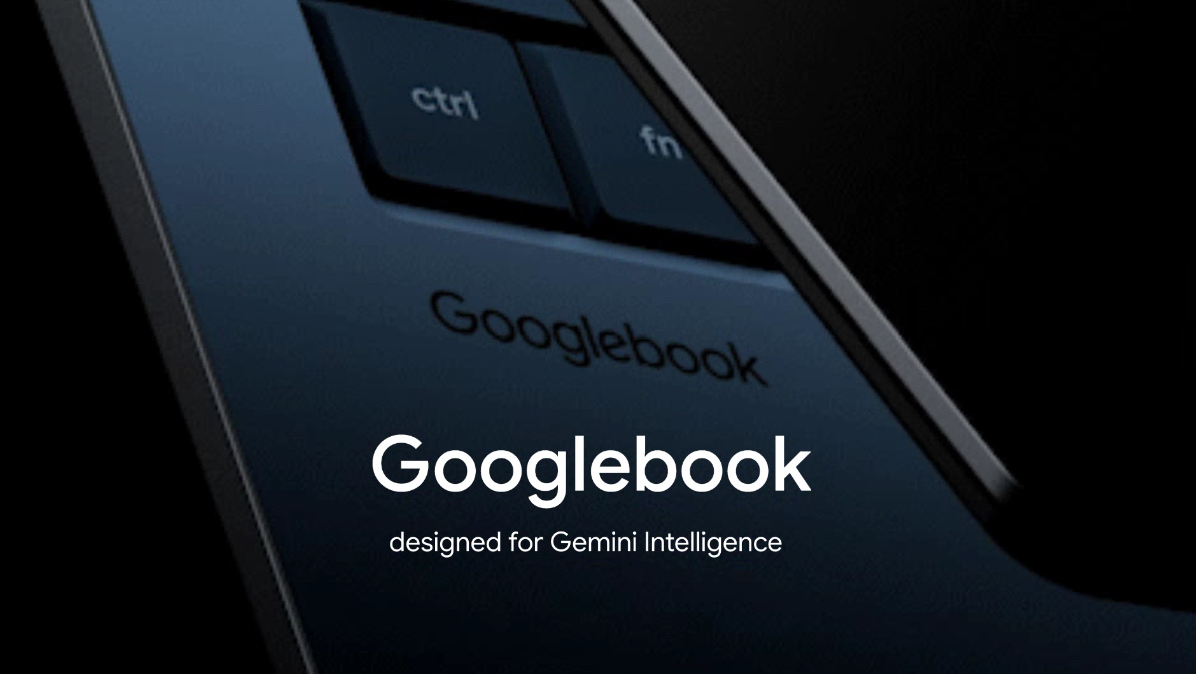
The introduction of the Googlebook category represents a major strategic evolution for Google, marrying the expansive ecosystem of Android technology with the familiar, productivity-focused feel of a traditional desktop operating system. Designed to seamlessly integrate advanced artificial intelligence capabilities, the Googlebook line will deeply incorporate Gemini features directly into the core user experience. Among the anticipated software highlights are advanced tools such as Magic Pointer, Create My Widget, Cast My Apps, and Quick Access, all designed to leverage AI to streamline workflows and improve cross-device synergy.
ASUS is positioned as one of five major hardware launch partners collaborating with Google on this ambitious new initiative. The tech giant has enlisted a powerhouse roster of PC manufacturers for the initial rollout, with Acer, Dell, HP, and Lenovo rounding out the ecosystem of partners committed to bringing Googlebook devices to market. This multi-vendor approach ensures that consumers will eventually have a diverse array of form factors, price points, and design philosophies to choose from, even as Google establishes a unified software and branding standard across the board.
Despite the wealth of information provided by the latest image leaks and pre-order announcements, several critical pieces of the puzzle remain missing. Prospective buyers are still waiting for official confirmation regarding exact pricing tiers, technical specifications, shipping dates, and whether this particular ASUS-manufactured model will be ready for purchase immediately when pre-orders open on September 21. As the transition from leaked hardware prototypes to commercially available products continues to accelerate, official announcements from Google and its manufacturing partners are expected to shed light on these remaining questions in the very near future.

Leave a Reply