
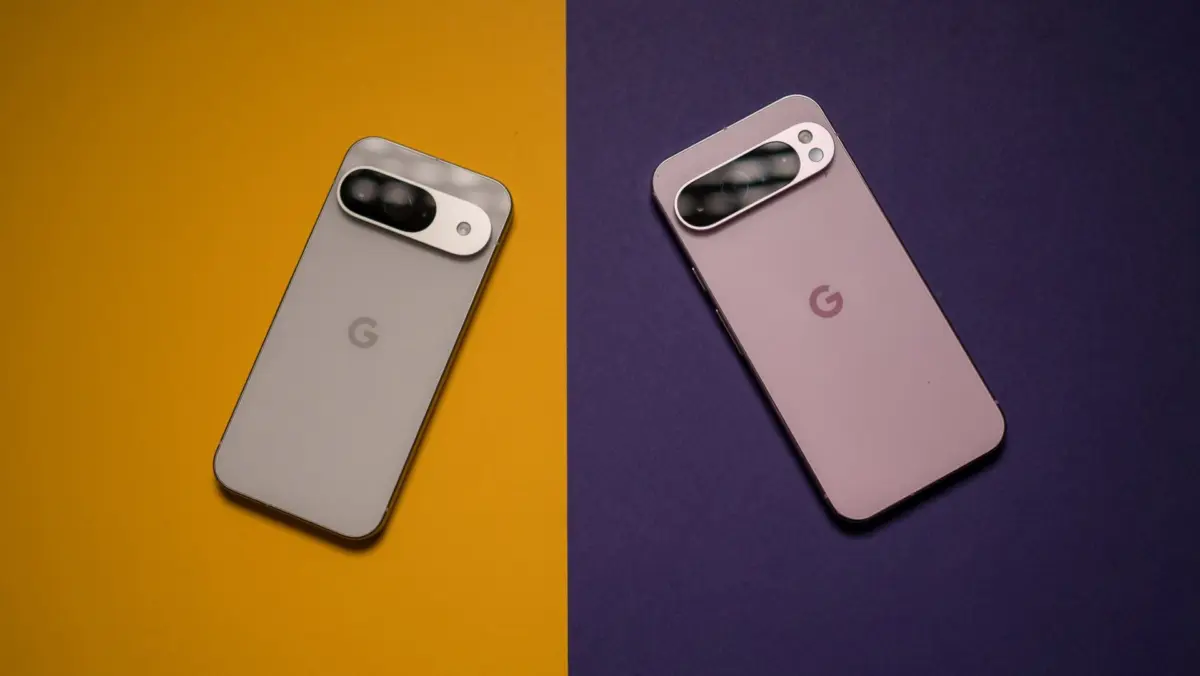
Google is giving owners of its Pixel 9 smartphone lineup an additional year of complimentary access to its Satellite SOS feature, effectively pushing back the looming question of whether emergency satellite connectivity will eventually transition into a paid subscription model. The unexpected extension arrives just as the initial two-year free promotional period was drawing closer to its conclusion, offering device owners some welcome breathing room while leaving broader industry questions surrounding long-term monetization and ongoing maintenance costs unanswered for the time being.
The technology giant confirmed the quiet service expansion to PCMag when questioned about its long-term roadmap for the emergency tool. A company spokesperson formally acknowledged the change, stating that they were confirming the offering had been extended at no additional cost for one additional year, while explicitly noting that the corporation had no further operational details or future pricing structures to share at this juncture.
Satellite SOS first debuted alongside the launch of the Pixel 9 series in 2024, designed from the ground up to serve as a critical lifeline for consumers finding themselves in perilous environments completely devoid of traditional cellular networks or Wi-Fi availability. The capability has proven especially valuable for outdoor enthusiasts, including hikers traversing remote wilderness trails, frequent travelers venturing into developing regions with spotty infrastructure, or everyday motorists unfortunate enough to experience automotive accidents in areas suffering from severe coverage dead zones.
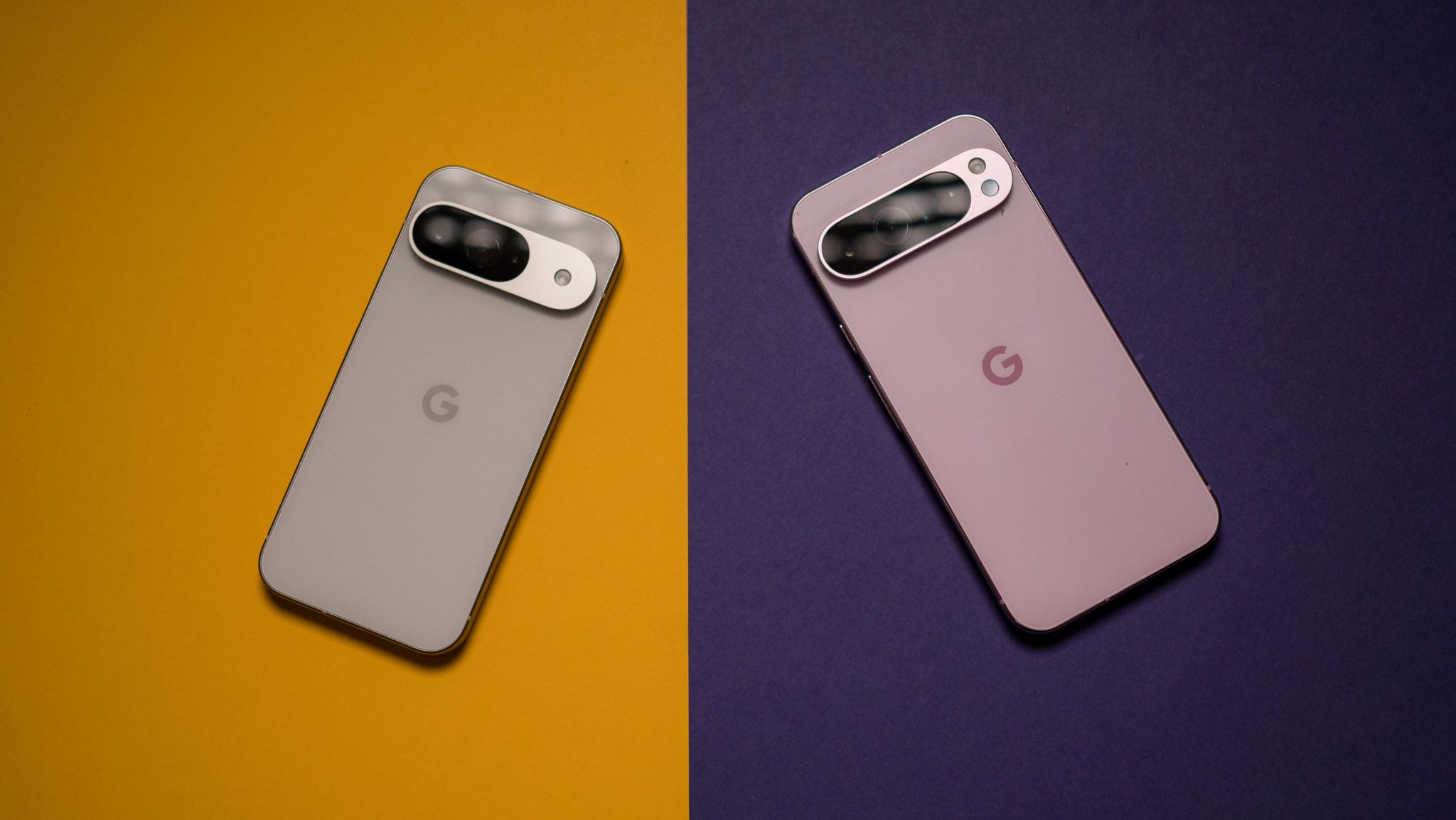
Beneath the sleek exterior of compatible hardware, the feature relies heavily on sophisticated satellite connectivity components deeply integrated into the architecture of Google’s latest smartphones. Specifically, the capability is powered by Google’s custom Tensor G4 chip, which houses the advanced Exynos 5400 modem capable of bridging the gap between terrestrial mobile dead zones and orbiting communication arrays. When utilizing the service, users are prompted through intuitive on-screen instructions to physically align their device toward an available satellite overhead, enabling them to transmit emergency distress messages and precise location coordinates directly to emergency dispatchers rather than routing signals through local cell towers. It represents the quintessential modern technology feature: a tool that consumers hope they will never actually have to deploy in a real-world crisis, yet one that brings immense peace of mind simply by existing in their pocket.
Despite its critical importance, the rollout of Satellite SOS has not been universal across the entire ecosystem of Google’s hardware offerings. The advanced feature is notably absent from budget-friendly variants like the Pixel 9a, which lacks the necessary hardware integration to support direct-to-satellite communication. Instead, supported hardware is currently restricted to the core flagship tier, including the standard Pixel 9, the slightly larger Pixel 9 Pro, the expansive Pixel 9 Pro XL, and the innovative Pixel 9 Pro Fold. Furthermore, while the technology itself is expanding in duration for eligible users, its active availability remains strictly tethered to regional regulatory approvals, meaning users traveling internationally must still verify whether local jurisdictions permit the use of direct-to-device satellite communication services.
While this extra year of complimentary service is unquestionably positive news for current hardware owners, the silence regarding subsequent policy remains a notable detail that Google continues to manage carefully. The company has not yet established formal subscription pricing tiers, nor has it publicly committed to whether the emergency tool will permanently remain a free utility or eventually pivot toward a recurring fee model similar to what competitors in the mobile space have begun exploring. Compounding this ambiguity, Google’s official published technical specifications and marketing documentation have largely continued to reference the original two-year promotional window, indicating that the extension was decided upon internally without an immediate overhaul of consumer-facing documentation.
For the millions of consumers who invested in the Pixel 9 ecosystem, the immediate reality is that Satellite SOS will remain fully functional at zero extra charge for an additional twelve months beyond the original expiration target. Beyond that extended horizon, however, the ultimate trajectory of the feature remains entirely speculative, leaving Google with a lingering obligation to provide a much clearer, transparent roadmap for a tool explicitly engineered to protect lives when traditional communication channels completely fail.
Leave a Reply