
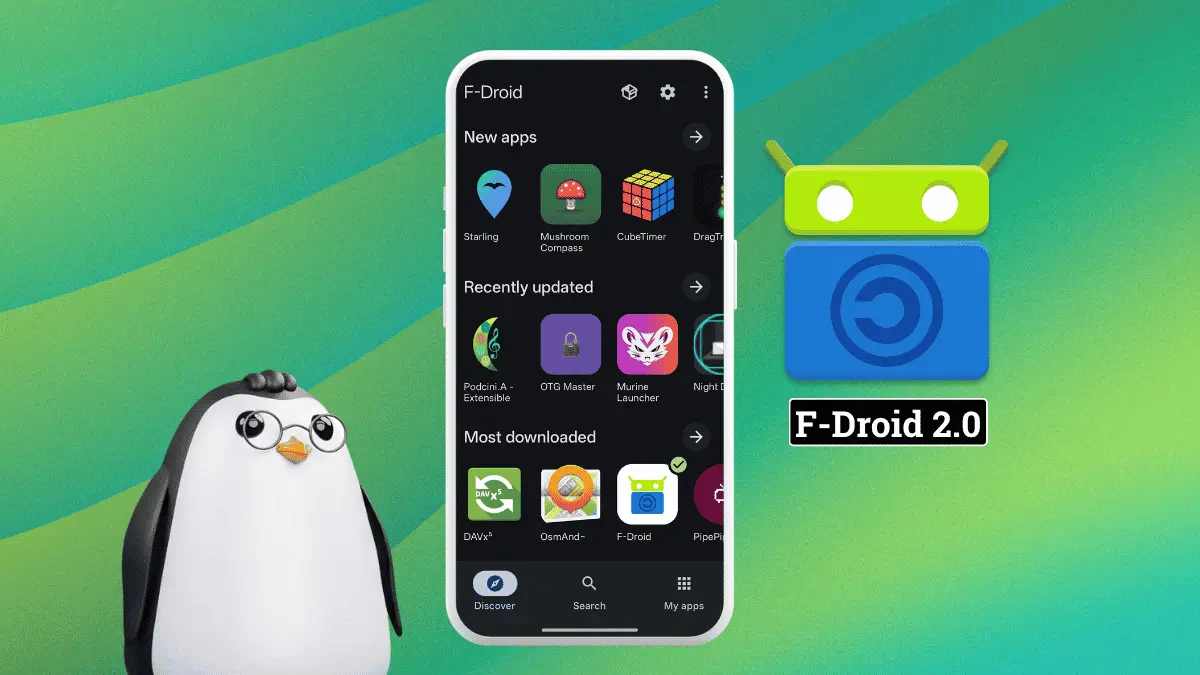
The launch of version 2.0 brings a sweeping modernization to the client, effectively addressing years of technical debt while aligning the application’s user interface and performance with the expectations of modern Android users. For over a decade, the core application had served its purpose faithfully, but its underlying framework and user experience had begun to show their age. With this release, the development team has transitioned the codebase away from Java entirely, rewriting the application from the ground up in Kotlin. Furthermore, the user interface has been entirely reconstructed using Jetpack Compose, Android’s modern native declarative UI toolkit.

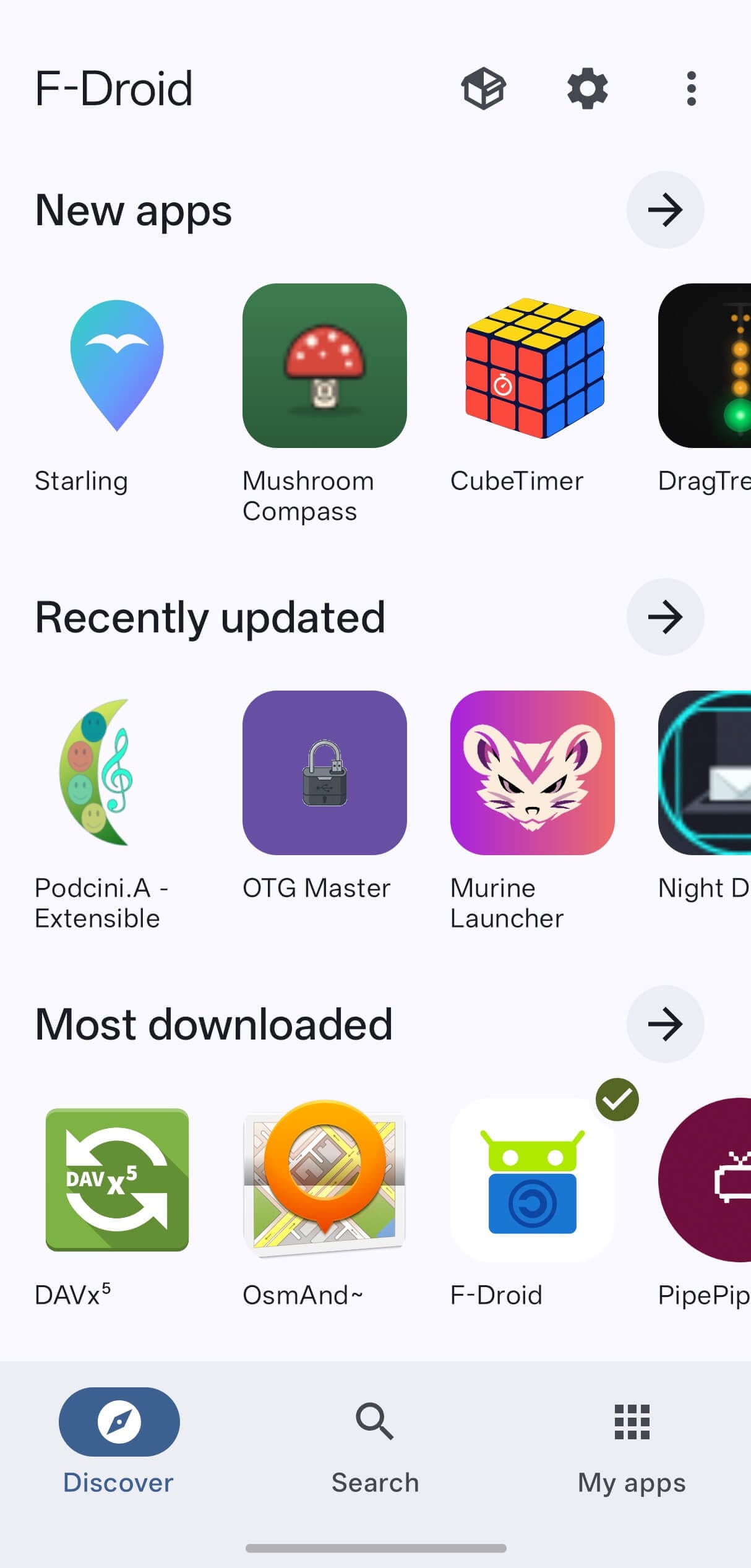
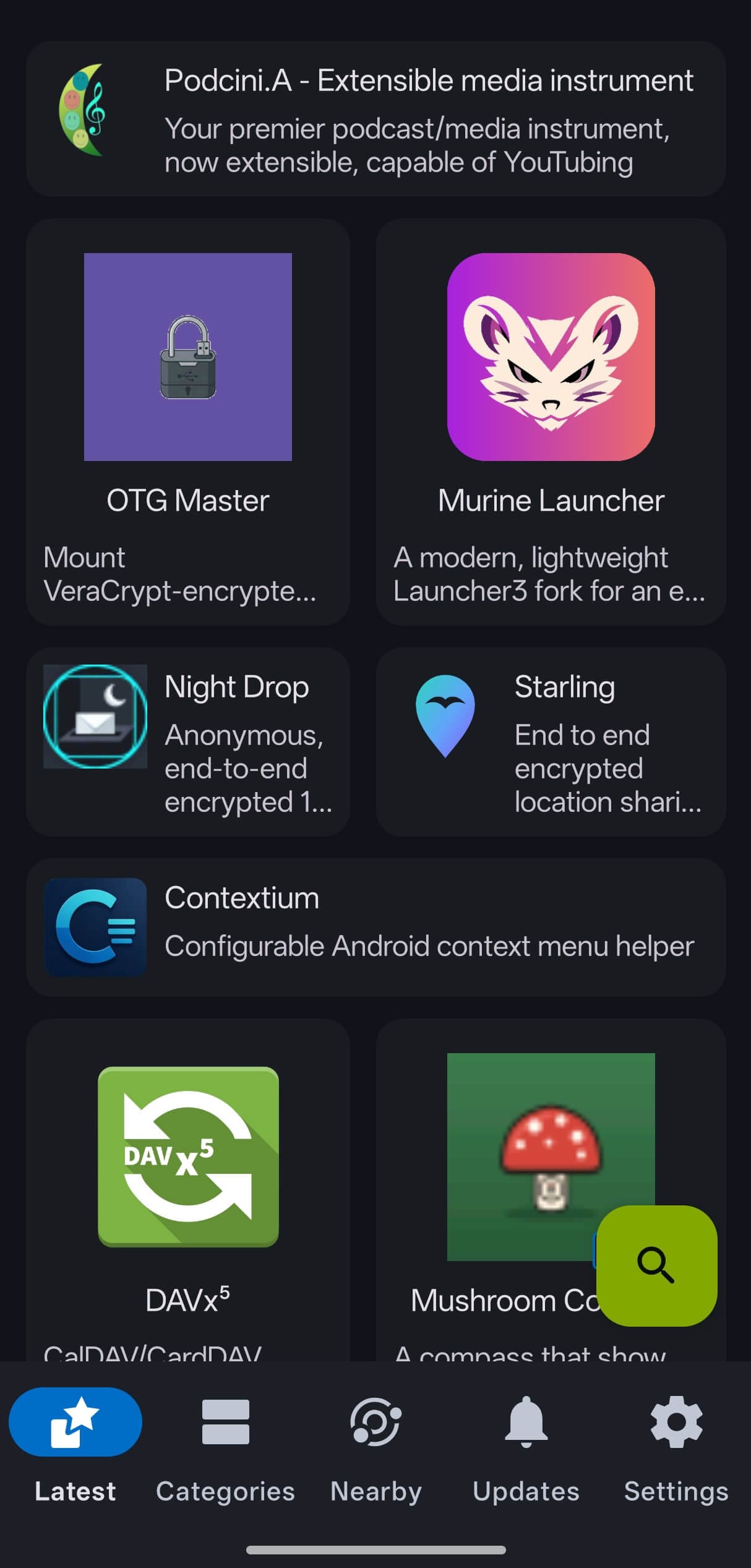
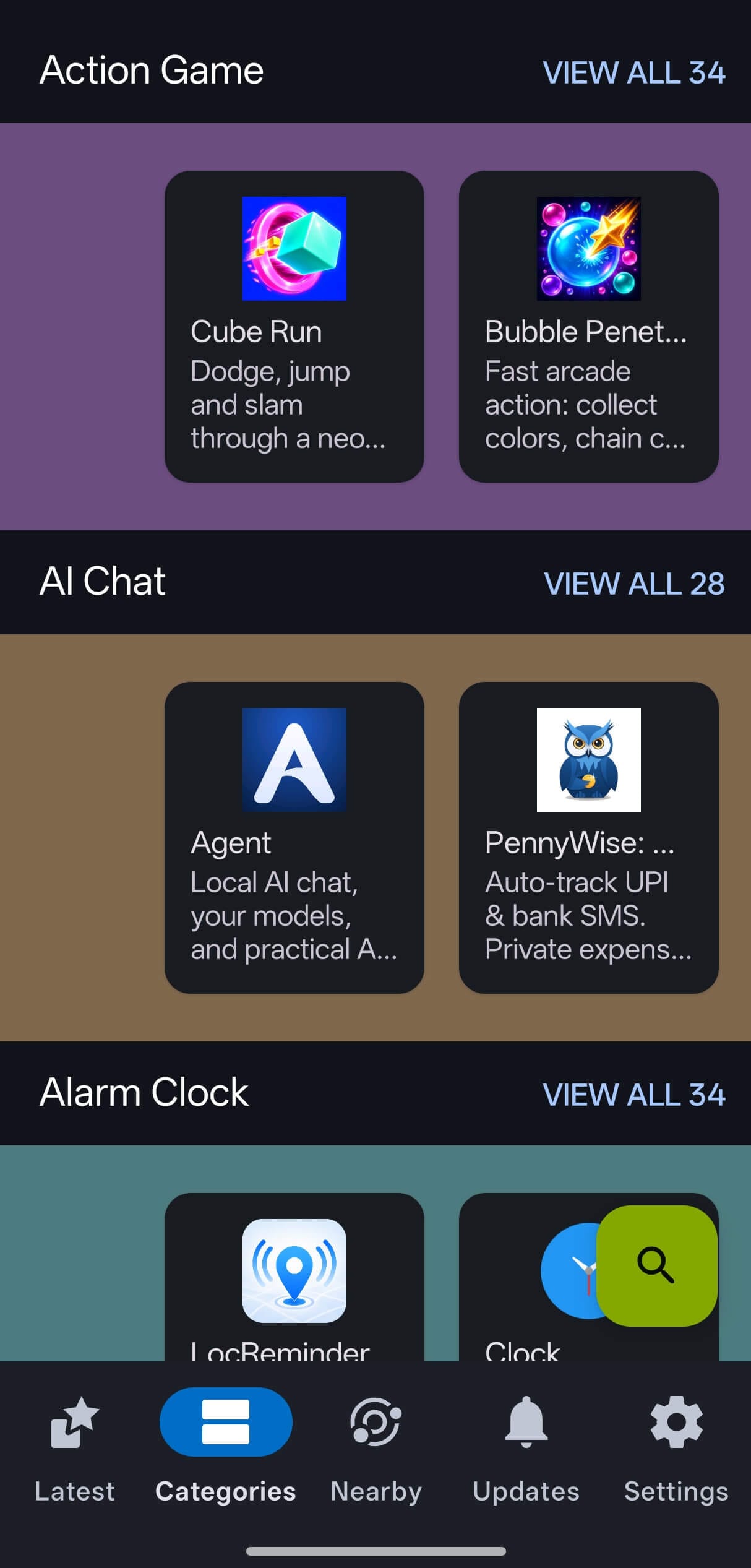
This modernization ensures that the application adheres strictly to Material Design principles throughout, giving it a polished, fluid look and feel that blends seamlessly into contemporary Android devices. Navigation within the application has been restructured for improved ergonomics and ease of use. The bottom navigation bar has been streamlined into three distinct sections: Discover, Search, and My Apps. The Discover tab serves as the primary hub for browsing the vast repository, thoughtfully configured to highlight newly added applications, recently updated software, and the most frequently downloaded tools across the catalog. Related software categories are now intelligently grouped together, eliminating the friction of scrolling through endless, unstructured lists and making it considerably easier for users to explore the full breadth of the F-Droid repository.
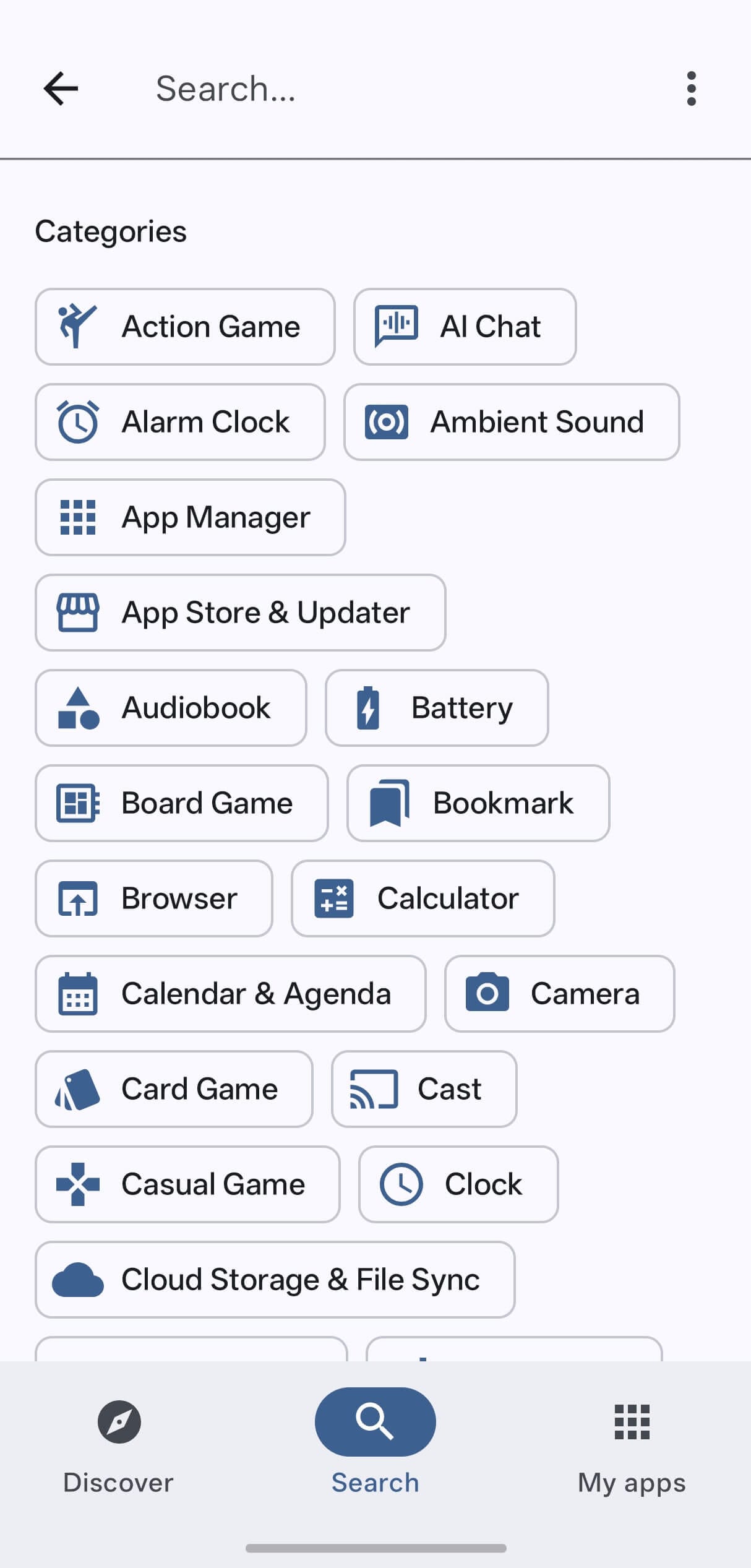
The Search section has also received substantial under-the-hood enhancements. Beyond simply matching application names, the new search engine seamlessly handles categories, detailed app descriptions, and translated content. Additionally, query handling for Chinese, Japanese, and Korean text has been noticeably improved, ensuring a more inclusive experience for the global open-source community. To streamline repetitive tasks, user search history is now saved for future queries, while advanced filtering options allow users to simultaneously narrow down results based on anti-features, device compatibility, and specific categories.
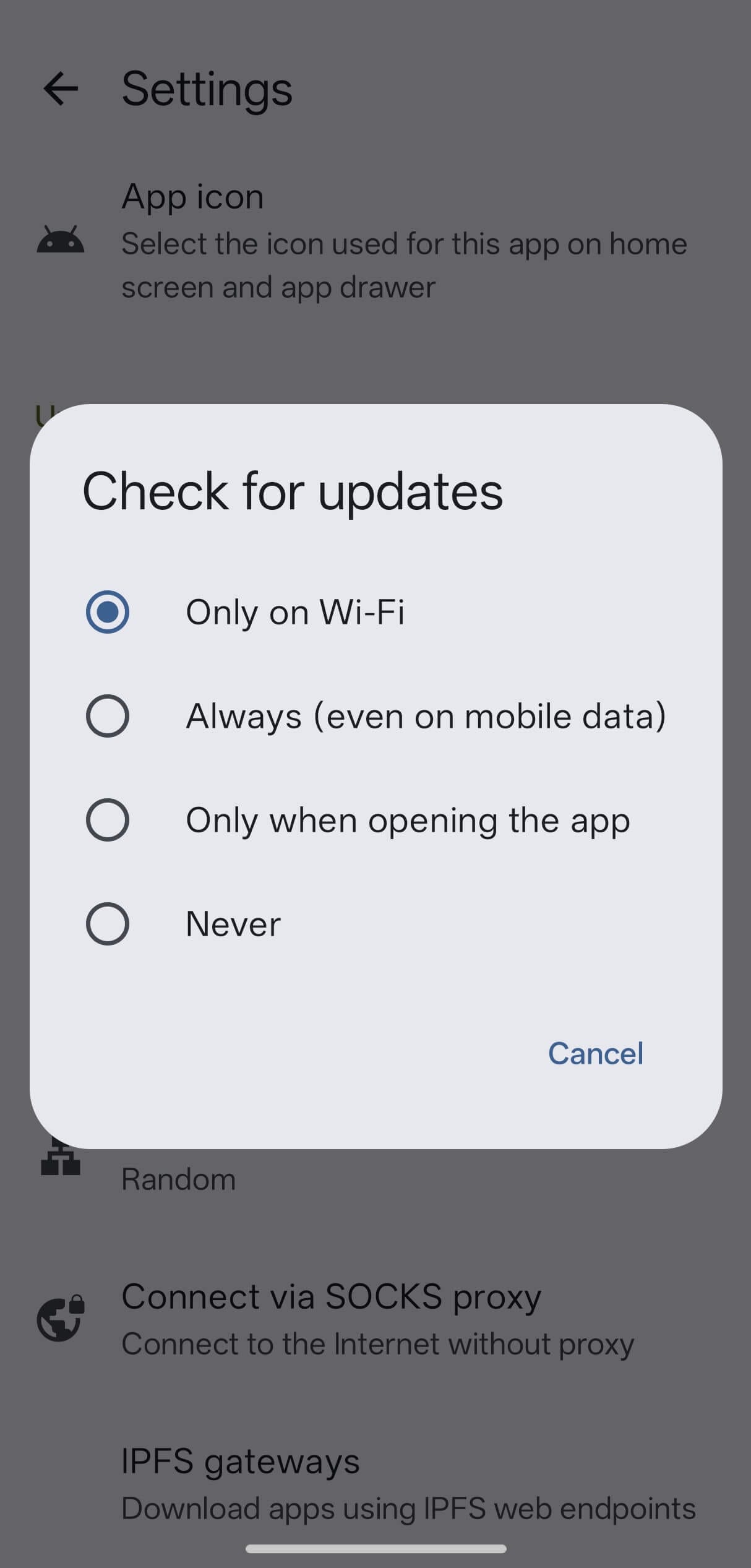
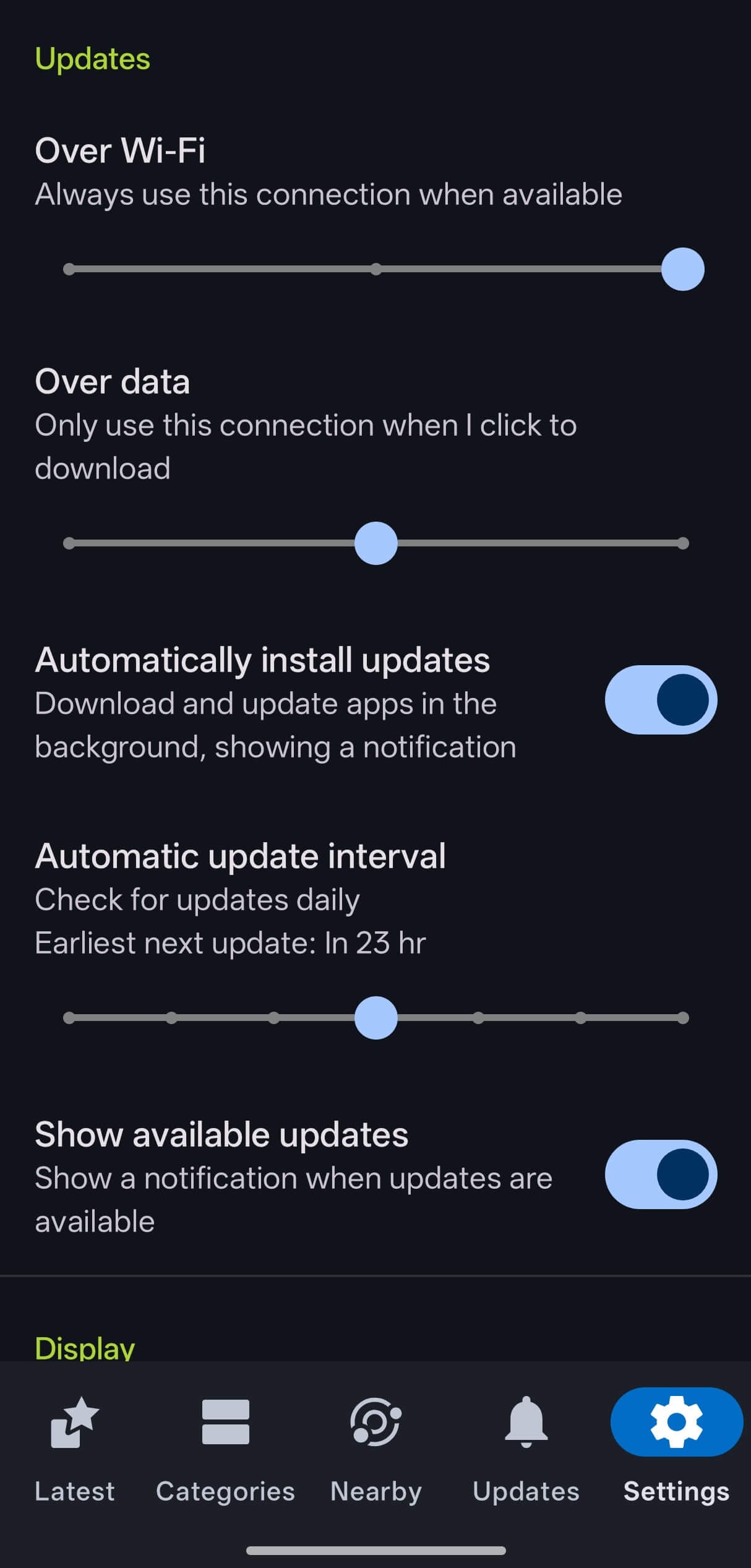
Meanwhile, the My Apps section serves as the central command center for tracking installed software, pending updates, and associated issues. Settings and repository management have been relocated for better accessibility, with the settings menu moving to the top-right corner alongside a newly dedicated repositories menu. Operational behaviors have also been refined; the application now performs background update checks by default, removing the reliance on the traditional pull-to-refresh gesture that previously triggered manual repository scans. Users who prefer manual control can still initiate checks via the My Apps menu. Other legacy features have been adjusted as well, such as the discrete app-hiding function, which disguises F-Droid as a calculator application and has now been relocated directly into the settings menu under app icons, while the nearby app-sharing tool has been temporarily retired as part of the structural redesign.
In their official release announcement, the F-Droid development team emphasized that this milestone release is merely a foundation for the future rather than a final destination. They noted that community feedback has actively shaped the evolution of version 2.0 from its earliest design concepts through successive test builds, and that ongoing user engagement will continue to guide future improvements as the rollout expands to the broader community.
This technological leap forward arrives at a critical juncture for the independent Android ecosystem. Last year in August, Google announced restrictive new sideloading policies set to take effect in 2027, mandating that every Android app developer register with the corporation by providing government-issued identification, signing key evidence, and paying a fee. Under these upcoming rules, applications originating from unregistered developers would be systematically blocked from executing on certified Android hardware, presenting an existential threat to independent repositories, hobbyist developers, and open-source distribution models.
Rather than accepting these policy shifts passively, the open-source community mobilized quickly. Marc Prud’hommeaux, a member of the F-Droid board of directors, spearheaded the launch of the Keep Android Open campaign in direct response to Google’s mandates. The initiative has since expanded into a robust coalition uniting more than 70 organizations spanning over 20 countries. Signatories to the campaign include prominent advocacy groups, software projects, and privacy-focused entities such as the Electronic Frontier Foundation, the Free Software Foundation, KDE, Proton, Codeberg, VideoLAN, LineageOS, CryptPad, and the Tor Project.
With the deadline for these impending platform restrictions drawing closer, the deployment of a modernized, highly polished client like F-Droid 2.0 underscores the community’s commitment to maintaining user freedom and resisting corporate gatekeeping on mobile devices. The rollout of the new version is taking place gradually over the coming weeks. Existing users who have not yet received the update automatically can expect it to arrive shortly, while new installations currently default to the stable 1.x branch. For users eager to experience the redesigned client immediately, the beta build of version 2.0 is readily available for download through the official F-Droid packages portal.

Leave a Reply