
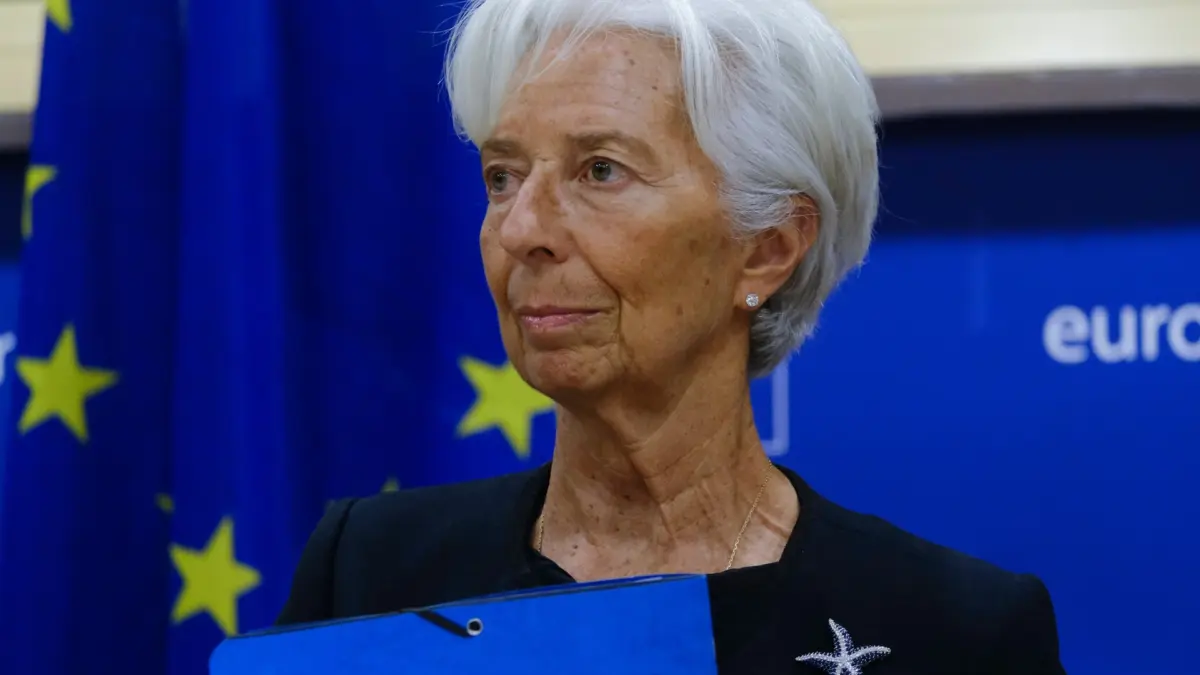
The report reveals that the dominant digital asset trading platform was on the verge of securing widespread operational capacity across the European trading bloc. However, those expansion efforts were abruptly halted after the central bank chief intervened directly, citing concerns over regulatory compliance, financial integrity, and the protection of the European monetary ecosystem.
Under current European Union legislation, local Crypto-Asset Service Providers are required to obtain a specialized license under the Markets in Crypto-Assets framework, commonly known as MiCA. Binance, which handles billions of dollars in daily cryptocurrency and stablecoin transactions globally, currently lacks this essential regulatory authorization. In a strategic shift earlier this year, the exchange officially withdrew its pending MiCA regulatory application in Greece, leaving its pathway to pan-European authorization uncertain.
According to the Wall Street Journal, which based its findings on interviews with multiple officials familiar with the matter, Lagarde was determined to keep the controversial cryptocurrency exchange out of the European Union. Officials noted that her resistance was heavily influenced by Binance’s recent legal troubles in the United States, where the platform and its founder, Changpeng Zhao, pleaded guilty to severe anti-money-laundering and financial-crime violations.
Lagarde has long maintained a critical stance toward decentralized digital assets like Bitcoin, frequently contrasting them with state-backed digital currencies. Back in 2021, the European Central Bank president publicly characterized the leading cryptocurrency as a highly speculative asset that had been frequently exploited for illicit activities, including money laundering. During various public addresses, she has consistently criticized cryptocurrencies as a whole, asserting that central banks would never hold Bitcoin on their balance sheets.
In stark contrast to her skepticism toward privately issued and decentralized cryptocurrencies, Lagarde has adopted an enthusiastic approach toward Central Bank Digital Currencies. A CBDC represents a digital form of fiat money—such as the euro or the United States dollar—issued and backed directly by a nation’s central bank. Countries and monetary authorities around the world are currently in various stages of researching, developing, and releasing their own digital currency alternatives to cash.
Under Lagarde’s leadership, the European Union has accelerated its efforts to move forward with the development and potential implementation of a digital euro. Lagarde has frequently described the digital euro as an absolute necessity for ensuring Europe’s long-term financial autonomy and sovereignty. At the same time, she has publicly taken aim at privately issued stablecoins, viewing them as potential threats to the stability of the traditional financial system.
Central Bank Digital Currencies have faced vocal criticism from Bitcoin proponents, privacy advocates, and various participants within the broader cryptocurrency industry. Critics frequently argue that government-issued digital currencies could be utilized by authorities to surveil citizens’ financial transactions and erode individual monetary privacy. Political opposition has also manifested globally; notably, political leaders in the United States have taken legislative steps to restrict or ban the development of a domestic CBDC.
Beyond general regulatory concerns, the Wall Street Journal report highlighted that Lagarde harbored specific anxieties regarding Binance’s operational model. Officials indicated she was worried that allowing the world’s largest exchange unhindered access to the European market would embed the dominance of dollar-based stablecoins across Europe, rather than encouraging the adoption of homegrown euro-denominated counterparts. Because billions of dollars in stablecoins are traded daily on Binance’s platform, European regulators have scrutinized how these digital tokens might influence local monetary policy and capital flows.
Binance remains a lightning rod for regulatory and legal controversy on a global scale. In 2023, the platform reached a historic settlement with U.S. authorities, resulting in a record $4.3 billion fine after the company and its former chief executive, Changpeng Zhao, admitted guilt to severe anti-money-laundering violations and failures to maintain an effective compliance program. Following the legal fallout, Zhao stepped down from his role as CEO.
Despite the setback involving Lagarde’s intervention and the withdrawal of its Greek application, Binance representatives have maintained that the exchange is not abandoning its European ambitions. In June, company officials stated that the platform was still actively working to pursue MiCA regulatory authorization in another European Union member state, signaling that the exchange continues to seek a compliant path forward within the bloc’s evolving regulatory landscape.



Leave a Reply