
Engineering students face a unique set of demands when it comes to choosing a laptop. Constantly on the move between lecture halls, intensive laboratory sessions, and late-night study marathons in the library, students require a machine that can comfortably handle heavy workloads without feeling like a block of concrete in a backpack. Modern engineering coursework frequently involves running resource-intensive software such as computer-aided design (CAD) programs, complex physical simulations, and integrated development environments. At the same time, mobility and battery endurance are paramount for anyone navigating a busy campus schedule.

To help students cut through the noise, the testing experts at PCWorld have evaluated a wide array of Windows laptops based on rigorous performance benchmarks and practical usability standards. Drawing on decades of experience in PC coverage, the expert review team has curated a selection of top-tier laptops designed to keep pace with rigorous academic demands while accommodating different budgets and workflow preferences.

Finding the Balance Between Power and Portability
Choosing the right engineering laptop requires careful consideration of how much computing power is truly necessary. Programs like MATLAB, SolidWorks, Autodesk applications, and various coding compilers can quickly bog down an underpowered system. While an entry-level processor may suffice for basic coursework, opting for a robust processor such as an AMD Ryzen 7 or an Intel Core Ultra series ensures smoother multitasking when multiple heavy applications are open simultaneously.
RAM is another critical component that prevents systems from freezing during complex computational tasks. Although 8GB of RAM might serve basic note-taking and light programming, 16GB or higher is strongly recommended to future-proof the machine as coursework intensifies. Furthermore, storing large project folders, software suites, and technical datasets demands substantial storage space, making a solid-state drive (SSD) of 512GB or 1TB an ideal baseline for engineering students.
Top Laptop Recommendations for Engineering Students
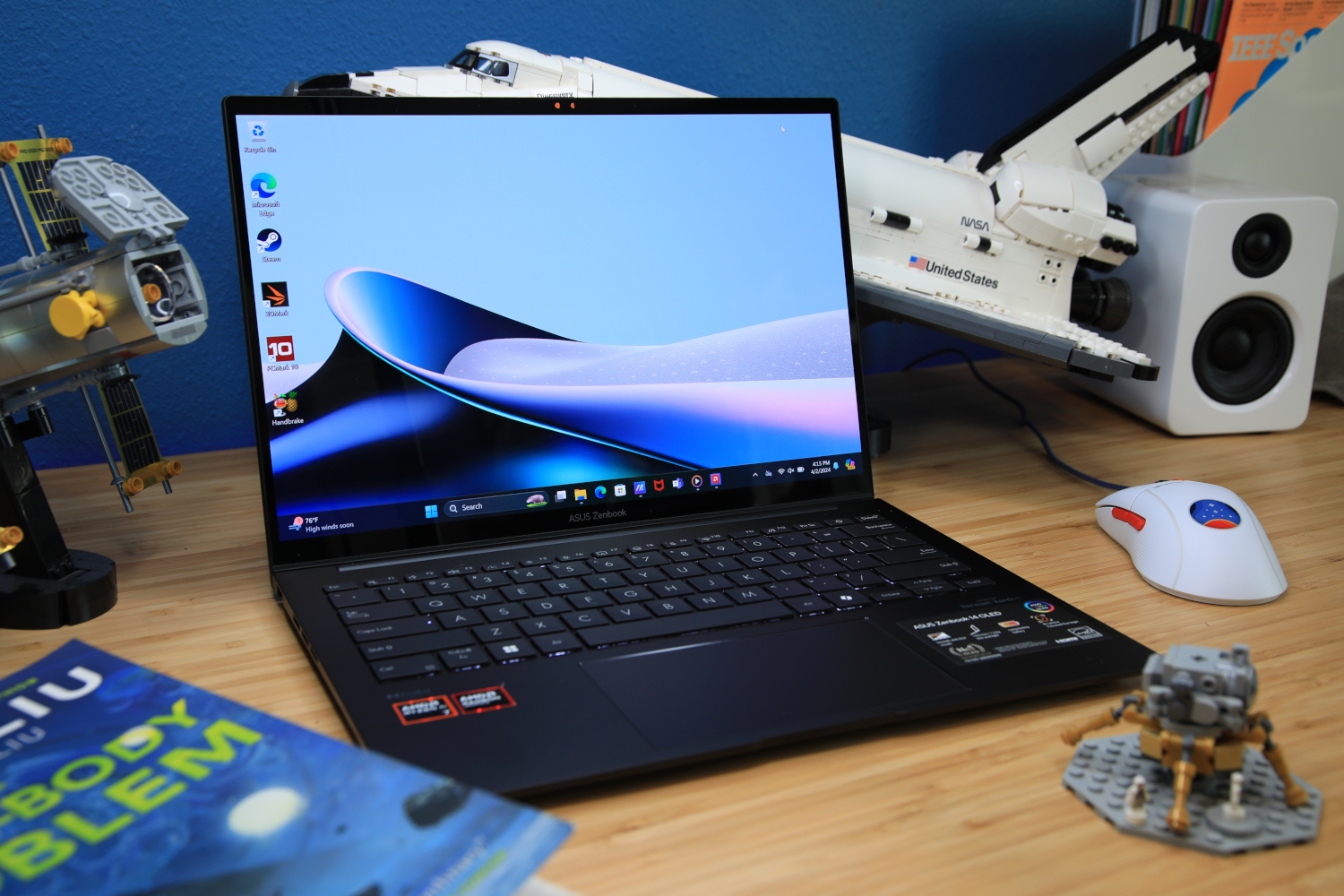
The Asus Zenbook 14 OLED emerges as the best overall choice for students seeking a harmonious blend of processing capability, physical portability, and exceptional battery life. Equipped with an AMD Ryzen 7 processor, the Zenbook is engineered to run demanding programs like CAD smoothly while easily managing background tasks and numerous browser tabs. Its 14-inch OLED touchscreen offers vibrant visual clarity, making detailed diagrams and complex project renderings pop with precision. Notably, the laptop boasts extraordinary battery longevity, delivering over 16 hours of usage in testing, which easily covers a full day of classes on a single charge. Weighing just 2.82 pounds and measuring a slim 0.59 inches thick, it strikes an impressive balance between high-end performance and effortless campus mobility.
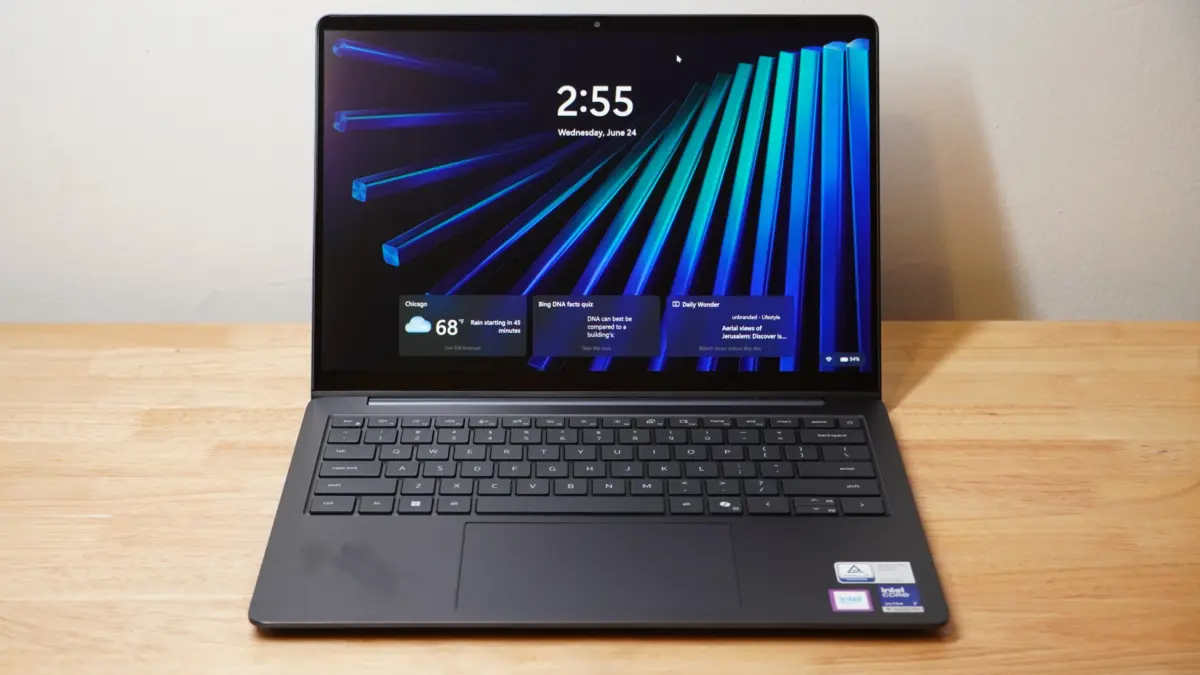
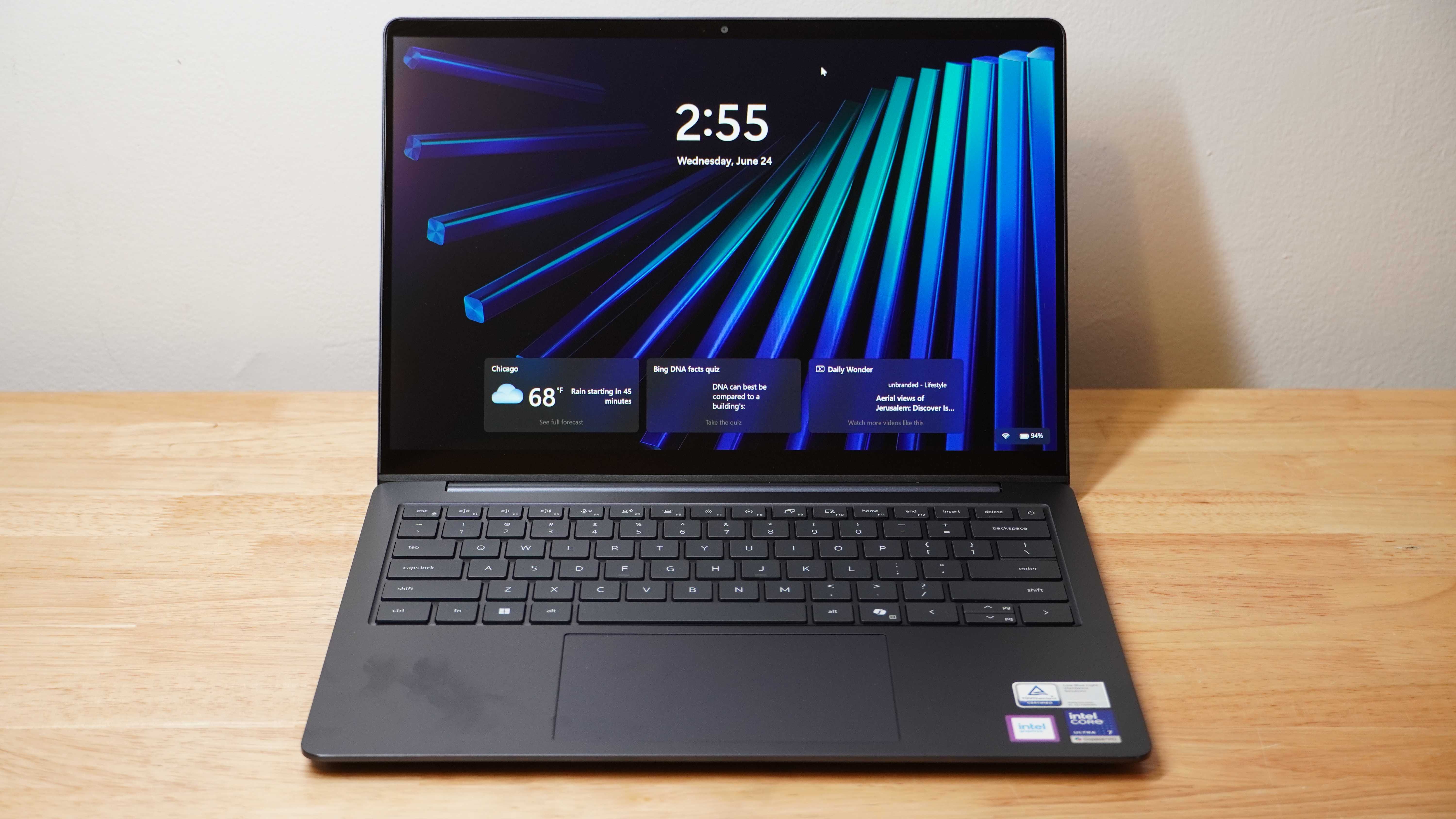
For students who prioritize all-day power independence above all else, the Dell 14S stands out as the premier option for battery life. Driven by an efficient Intel Core Ultra 7 processor and a high-capacity battery, the Dell 14S achieved nearly 36 hours of runtime during video playback testing. Housed in a sturdy aluminum chassis that weighs 3.28 pounds, the laptop features a comfortable keyboard suited for extended typing sessions and ample processing power for everyday academic applications. While it relies on integrated graphics rather than a dedicated graphics processing unit—making it less ideal for heavy-duty 3D CAD modeling—it remains a reliable, efficiency-focused machine for students spending extended hours away from a desk outlet.
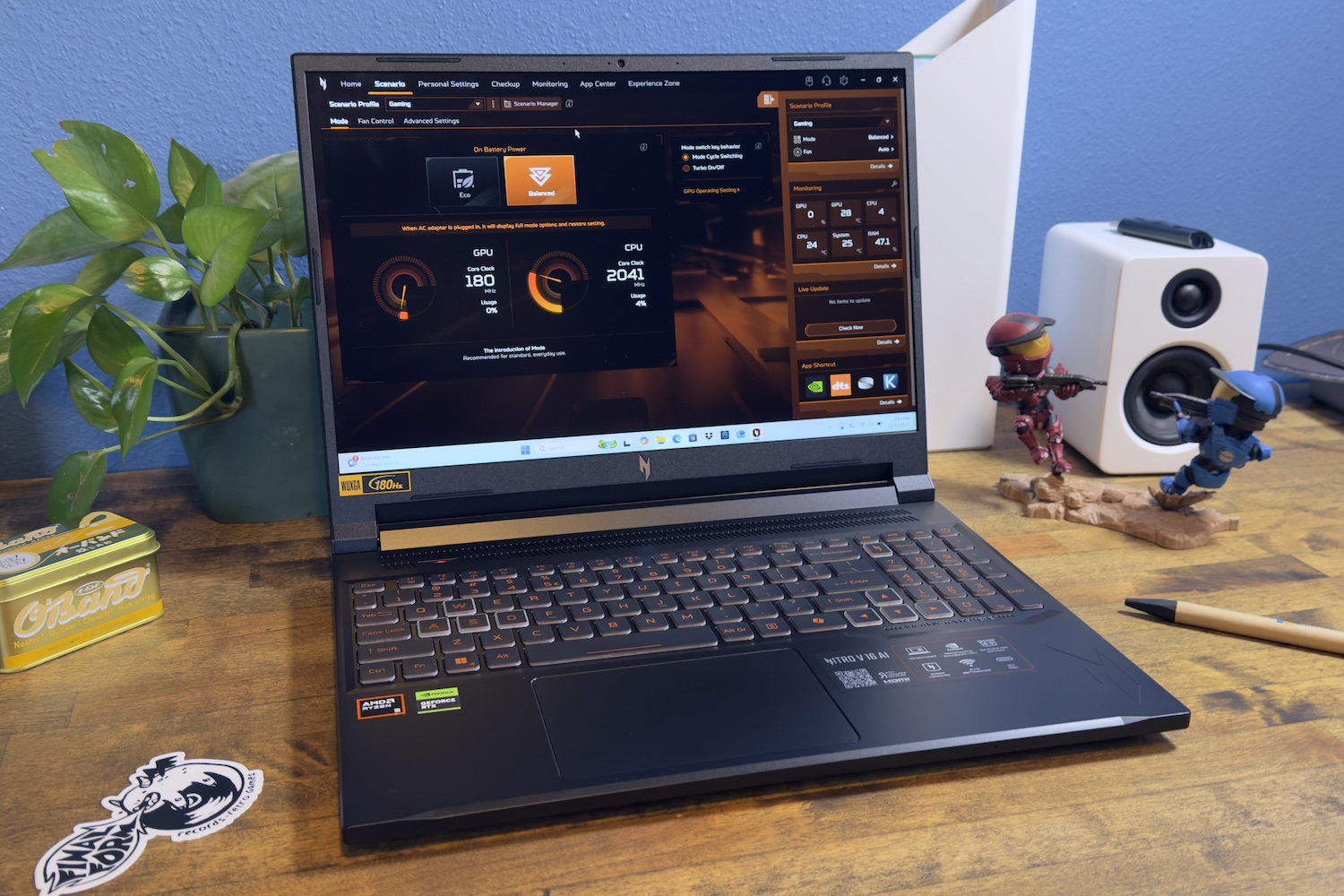
Students looking for a versatile machine that bridges the gap between academic workload and leisure gaming on a budget may find the Acer Nitro V 16 AI to be a compelling choice. Featuring an RTX graphics card, the Acer Nitro V 16 AI provides the graphical muscle necessary to accelerate certain modeling and rendering tasks while delivering smooth 1080p gaming performance during downtime. Its 16-inch display offers a taller aspect ratio than standard screens, providing extra vertical workspace that benefits programmers and spreadsheet users alike. Despite its gaming pedigree, the laptop achieved a respectable 12 hours of battery life in testing and maintains a comfortable, spacious keyboard and touchpad layout.

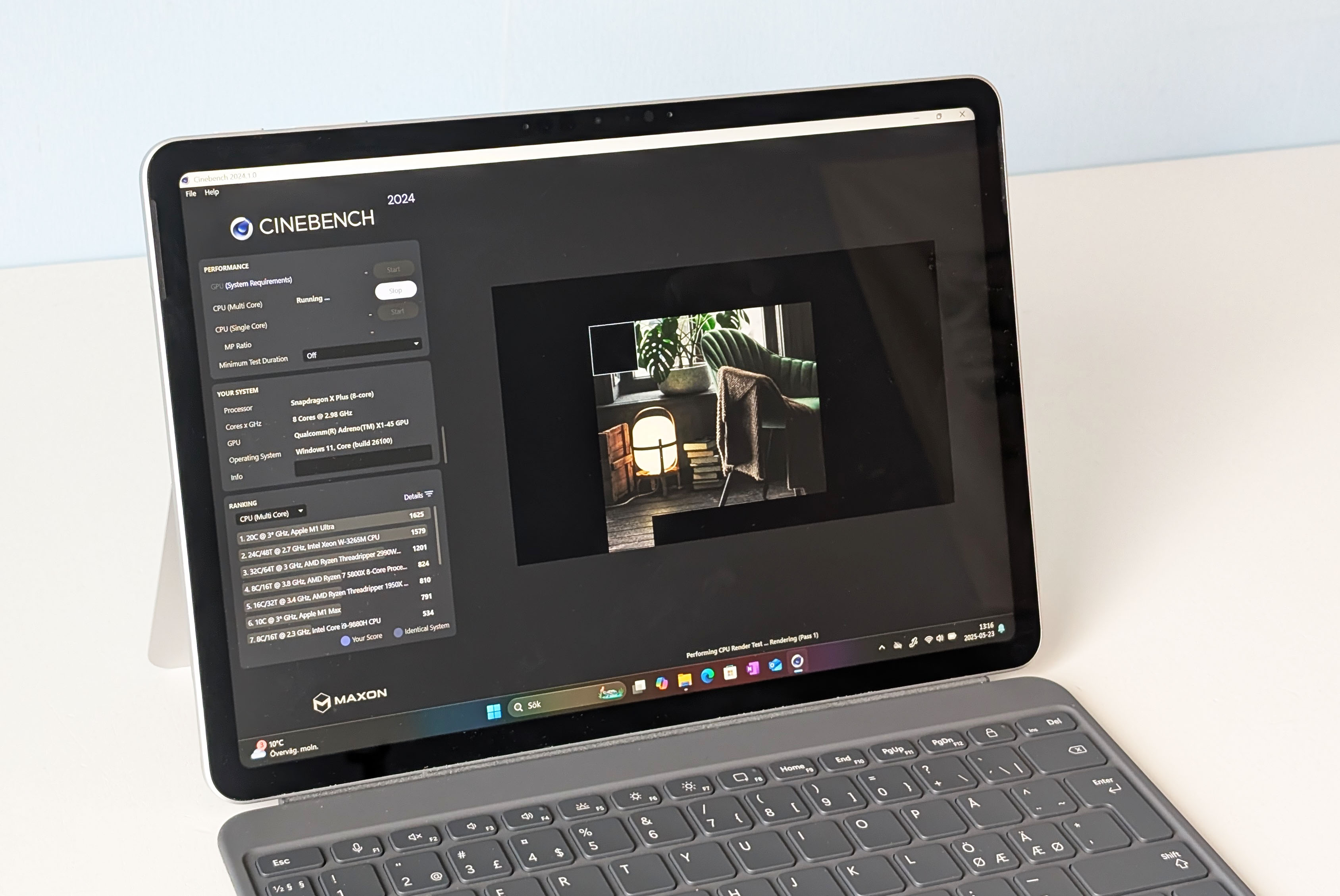
For those who prioritize maximum portability and a streamlined form factor, the Microsoft Surface Pro offers an ultra-lightweight tablet-laptop hybrid experience. Weighing just over a pound, the device is barely noticeable in a backpack and runs on a quiet, fanless architecture powered by a Snapdragon processor. This makes it exceptionally well-suited for quiet environments like libraries and lecture halls. Its high-resolution touchscreen supports precise note-taking and sketching with a compatible stylus. However, students should note that Arm-based Windows devices are best suited for lighter coding and general coursework, whereas engineering programs heavily reliant on traditional x86 applications like SolidWorks or older MATLAB workflows may benefit more from standard Windows laptops.

Making the Final Decision
Ultimately, the best laptop for an engineering student depends heavily on their specific major, software requirements, and daily routine. While raw processing power and dedicated graphics are essential for heavy mechanical or aerospace design work, students focusing on software engineering, electrical engineering, or general coursework may prioritize battery longevity, screen quality, and lightweight portability. By evaluating individual academic needs against these tested options, students can secure a reliable technological foundation for their educational journey.

Leave a Reply