
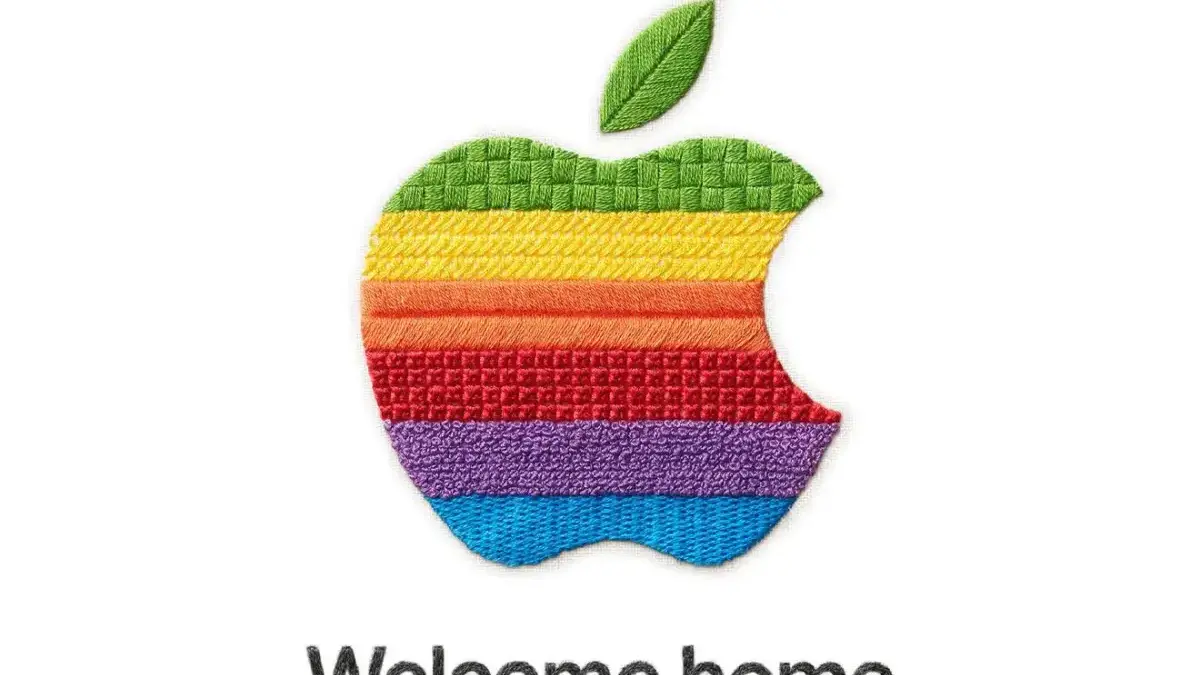
Apple is quickly approaching its upcoming “Welcome Home” launch event, a dedicated showcase where industry watchers and consumers alike expect a wide array of smart home-related announcements. The Cupertino-based tech giant is widely anticipated to unveil refreshes for both the Apple TV and the HomePod Mini, alongside the introduction of an entirely brand-new smart home hub device. Beyond hardware, the event could also mark the official public debut of a dedicated new operating platform called homeOS, accompanied by an ecosystem of new partner devices developed in collaboration with brands like LG.
While the focus of the upcoming New York showcase is squarely on the connected home, what consumers will likely not be seeing at this event is the long-rumored touchscreen MacBook. According to well-connected industry insiders such as Bloomberg’s Mark Gurman, that particular device is slated to make its commercial debut later this month at a separate occasion.
The “Welcome Home” event will officially kick off in New York on October 13th at 9 AM Eastern Time. As anticipation builds across the consumer technology landscape, a clearer picture is beginning to emerge regarding what Apple has in store for its smart home ecosystem.
A Proper Smart Home Hub
Until now, Apple has primarily relied on the native Home app across its existing ecosystem of iPhones, iPads, and Macs to control all the various connected appliances and accessories that make up a modern smart home. However, smart home automation represents a market niche that the company has been increasingly eager to tackle more fully with dedicated hardware tailored specifically for ambient, shared domestic use.
The upcoming new device, which industry leaks suggest could ultimately be called the HomePad, HomeView, or, more simply, the Apple Home Hub, will reportedly feature a six-inch square touchscreen. This display can either be mounted directly onto a wall or placed conveniently on a table, desk, or countertop. According to details shared by Mark Gurman, the countertop model will somewhat aesthetically resemble the classic iMac G4, featuring a compact screen attached to an adjustable arm set firmly into a weighted half-sphere base.
To maximize its utility as a shared household appliance, the hub will supposedly utilize advanced voice or facial recognition technology to identify precisely which family member or individual is interacting with it at any given moment. Upon recognition, the interface will dynamically pull up relevant personal contacts, calendar appointments, and other customized information. Furthermore, Apple is expected to offer a secondary identification option requiring authentication through an iPhone to keep sensitive personal data secure. The entire hardware architecture will reportedly run on an entirely new software platform engineered specifically for ambient home control.
homeOS
Evidence strongly suggests that the company has already quietly laid the groundwork for this new software platform by registering trademarks for the name homeOS through a shell company known as Home Operations Suite LLC. This is a tactic that Apple has successfully utilized on numerous occasions in the past to quietly secure the commercial rights to product and platform names well in advance of their official public unveilings.
The new platform will reportedly feature a streamlined, intuitive interface that looks and feels like a visual mashup of iOS, tvOS, and watchOS, according to insights shared by Gurman. The primary focus of homeOS will, quite obviously, be centered on smart home applications—such as seamlessly controlling connected thermostats, smart locks, and lighting systems—while also possessing robust capabilities for handling FaceTime video calls directly from the hub.
Beyond automation and communication, the operating system will naturally include the usual assortment of familiar Apple applications and interactive widgets. This lineup is expected to encompass Apple Music, Apple Podcasts, and Apple News, alongside core productivity utilities like Reminders and Notes, all tightly integrated with advanced Siri AI capabilities to provide a conversational and responsive user experience.
HomePod Mini and Apple TV Get a Minor Refresh
Current reports indicate that radical physical redesigns are not in the cards for either the HomePod Mini or the Apple TV during this hardware cycle. Instead, both devices will maintain their familiar external aesthetics while receiving internal upgrades, most notably a new processor capable of handling the heavily increased computational demands brought on by advanced Siri AI features.
This update represents the first major hardware revision for the HomePod Mini since it was originally announced on October 13th, 2020—marking exactly six years to the day before Apple’s upcoming “Welcome Home” event. While the company is not making any dramatic structural changes to celebrate the popular smart speaker’s anniversary, it will be refreshing the hardware lineup by offering the HomePod Mini in several vibrant new color options, including fresh shades of green and pink.
Similarly, this will mark the first hardware refresh for the Apple TV product line since 2022. Alongside supporting the new suite of Siri AI capabilities, the upgraded processor is expected to significantly accelerate general menu navigation and interface responsiveness, which can occasionally experience minor lag under heavy use. Both the updated HomePod Mini and the new Apple TV are also expected to feature Apple’s proprietary N1 chip, which includes modern connectivity support for Wi-Fi and Bluetooth 6.0.
LG and Other Partner Devices
In addition to its proprietary hardware, it is highly likely that Apple will dedicate a portion of the event to highlighting third-party products that integrate smoothly with HomeKit and offer advanced features built on top of homeOS and the forthcoming hardware hub. However, industry observers note that Apple is unlikely to share too much of the spotlight with its manufacturing partners, keeping the primary emphasis firmly centered on its own ecosystem.
Already, early leaks have provided glimpses of upcoming LG smart home accessories, including connected deadbolts, smart thermostats, and environmental sensors. These partner products will reportedly incorporate an NFC-based feature known as Proximity Control, which automatically triggers a helpful interface hint within an iPhone’s Dynamic Island when the handset is held in close physical proximity to the device. Additionally, these accessories are expected to support a convenient tap-to-set-up pairing capability that functions even when the hardware is unpowered, simplifying the initial installation process for consumers building out their connected homes.



Leave a Reply