
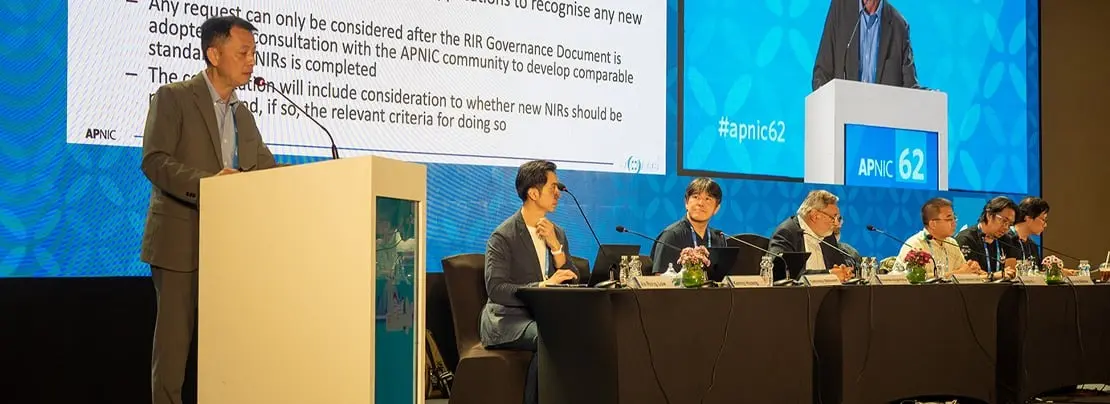
The recent APNIC Member Meeting (AMM) held during the APNIC 62 conference successfully brought together Internet community members, regional partners, and stakeholders from across the globe to evaluate the organization’s ongoing performance and deliberate on vital priorities shaping the future of the Asia-Pacific Internet landscape.
The hybrid conference drew 584 registered participants representing 54 distinct economies, creating a vibrant platform for collaborative dialogue. More than 50 community members actively contributed to open microphone sessions, while members of the APNIC Executive Council (EC) engaged in direct, productive dialogues with attendees, regional partners, and community representatives throughout the duration of the event.
On behalf of the APNIC Executive Council, leadership expressed profound gratitude to everyone who participated in APNIC 62 and the AMM, whether they attended in person at the venue or joined remotely from around the world. The diverse perspectives, constructive feedback, and active engagement shared by the community are considered critical inputs. These insights will play a foundational role in shaping the development of the upcoming APNIC 2028-2032 Strategic Plan, which officially commences next year.
Throughout the conference, discussions converged around three central themes: financial sustainability amid shifting economic landscapes, the enhancement of governance structures through active community participation, and the long-term strategic direction of the organization based on empirical member feedback.
Financial Sustainability
Financial sustainability remained a prominent focal point for the Executive Council and attending members. During the AMM, financial briefings revealed that APNIC’s operational activities for the first half of the year were successfully delivered in strict accordance with the 2026 Activity Plan, leaving the organization’s overall financial performance firmly on track.
APNIC continues to operate well within its established budgetary limits. Current full-year projections anticipate an operating deficit of AUD 209,000, representing a notable and positive improvement compared to the originally budgeted deficit of AUD 308,000. Looking further ahead, the organization remains entirely on track to return to a fully balanced budget by 2027.
Beyond the immediate budget cycle, discussions addressed the complexities of maintaining robust financial sustainability past 2027, particularly as membership growth rates experience gradual stabilization. Addressing this future reality will demand continued discipline in prioritizing core activities. This strategic filtering will involve reducing or sunsetting legacy work streams and initiatives that no longer directly align with the evolving needs of APNIC members, while simultaneously pursuing ongoing enhancements to operational efficiency.
Members also received comprehensive operational updates concerning APNIC’s investment portfolio, the successful sale of the 6 Cordelia Street office property, and the organization’s long-term financial reserve strategy. These fiscal topics generated considerable interest and detailed inquiries during the open mic session, and leadership expressed appreciation for the thoughtful and constructive feedback provided by participants. Detailed documentation, including the official Executive Council report, the Treasurer’s report, and session recordings, remains accessible online via the conference portal for members seeking an in-depth review.
Enhancing Governance Through Community Participation
Community participation continues to serve as the bedrock of APNIC’s multistakeholder operational model, driving the ongoing evolution and resilience of both APNIC as an organization and the broader global Internet Number Registry system.
Leadership extended formal recognition and thanks to community leaders Maemura Akinori, Nicole Chan, Dr. Devesh Tyagi, Di Ma, and Gaurav Kansal for their substantial contributions and leadership regarding the ICP-2 Review and various RIR Governance Document processes. Their efforts underscore the vital role that dedicated community members play in refining administrative and governance frameworks.
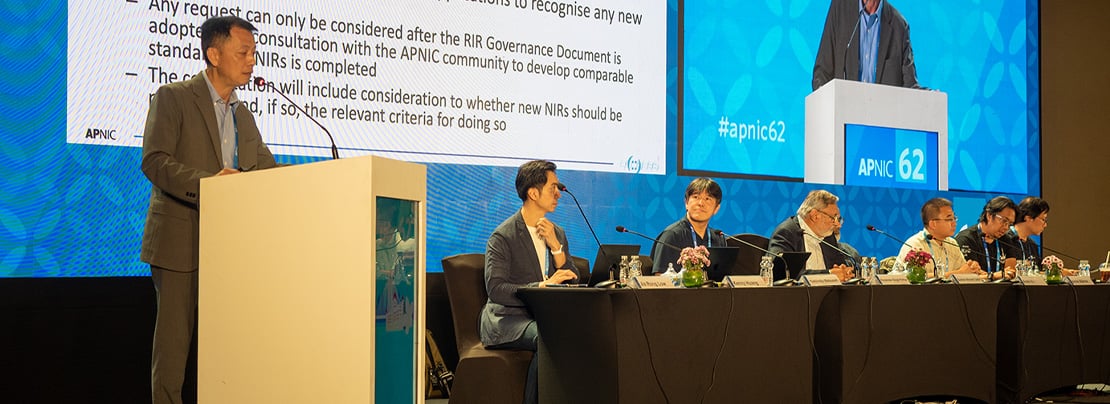
The APNIC Open Policy Meeting served as another cornerstone of the event, facilitating discussions on seven distinct policy proposals—representing the highest volume of proposals seen at recent gatherings. Out of these discussions, two major proposals successfully achieved formal consensus within the community.
Another vital dialogue centered on cultivating the next generation of regional community leaders. The Community Consultation on Increasing Diversity in Community Leadership examined both the persistent challenges and the promising opportunities present within the region. Key topics included strengthening the psychological and professional connection that members feel toward the broader APNIC community and establishing structured, ongoing development pathways to support emerging leaders.
Participants repeatedly emphasized the immense value of the APNIC Fellowship Program, noting its indispensable role in identifying, mentoring, and supporting future technology and policy leaders from developing economies across the Asia-Pacific. The APNIC Secretariat is currently in the process of consolidating the comprehensive findings and feedback gathered during these consultations for formal review by the Executive Council as it determines appropriate subsequent actions.
APNIC’s Future Strategic Direction
APNIC 62 also provided the official stage for the release of the findings from the 2026 APNIC Survey. Commissioned directly by the Executive Council and administered independently by a professional research organization, the survey gathered comprehensive feedback from over 1,300 APNIC members and community participants. The resulting data provides a statistically robust representation of how the community perceives APNIC’s current performance, alongside clear indicators of future needs and organizational priorities.
The survey findings reflect consistently high levels of satisfaction across all evaluated dimensions, including organizational trust, service quality, the tangible value of membership, and overall institutional performance.
A particularly notable insight derived from the survey data was the breadth of priorities identified by respondents. Rather than concentrating demand into just one or two isolated areas, survey participants underscored the importance of maintaining a balanced portfolio of organizational activities. These include everything required to support robust registry operations to broader initiatives that foster an open, stable, and secure Internet environment throughout the entire Asia-Pacific region.
The Executive Council plans to publish a formal, detailed response later this year, outlining how these valuable survey insights will directly inform and shape the next multi-year Strategic Plan.
Stay Involved
APNIC leadership reiterated its sincere thanks to everyone who contributed their time, expertise, and voice to the success of APNIC 62 and the AMM.
Members are strongly encouraged to maintain their active engagement by participating in ongoing consultations, policy development discussions, and governance activities. Channels such as the APNIC EC Contact Form remain open for continuous communication. Ongoing community input ensures that the Executive Council remains closely aligned with member priorities, fostering informed, transparent decision-making that secures APNIC’s future.


Leave a Reply