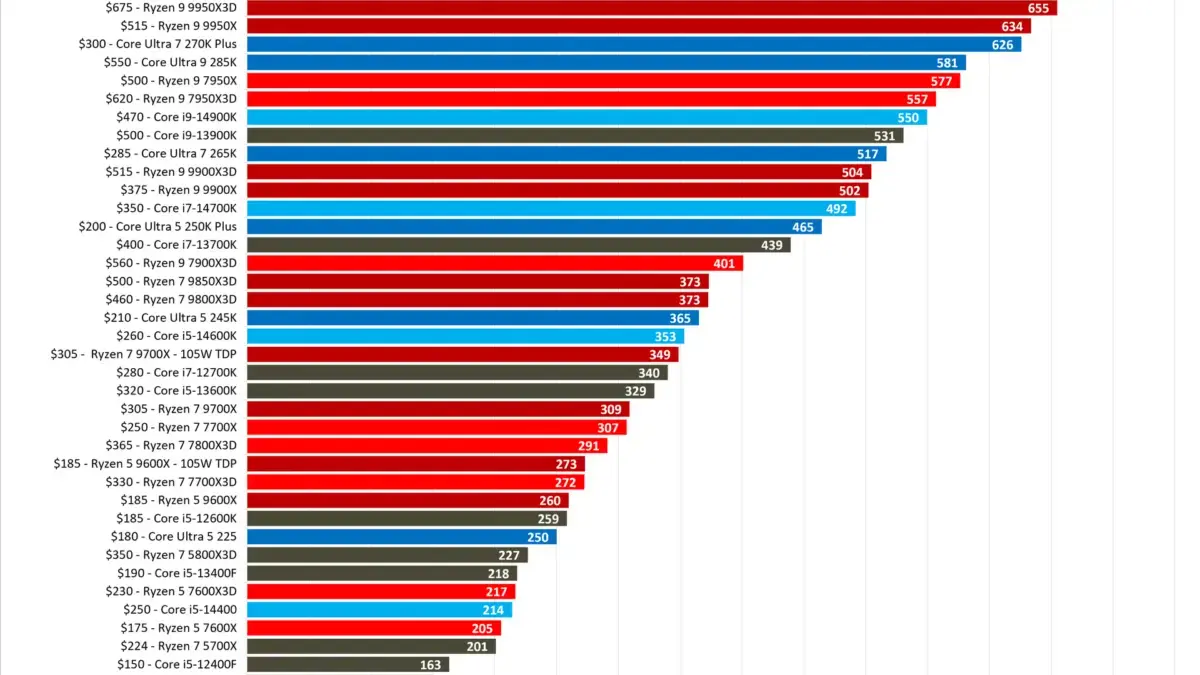
hierarchies, offering a compelling alternative to newer platforms that often require expensive ecosystem overhauls, including mandatory upgrades to high-cost motherboards and memory kits.
At its new promotional price point, the Core i7-14700K presents a particularly aggressive value proposition. Industry analysts and hardware reviewers have frequently pointed out that the processor delivers roughly 97 percent of the gaming performance offered by Intel’s flagship Core i9-14900K. With the Core i9 variant currently commanding a price tag that sits approximately $150 higher on the open market, value-conscious system builders are presented with a rare opportunity to capture near-top-tier gaming and productivity performance without paying the steep enthusiast tax typically associated with top-of-the-line silicon. This performance-to-price ratio has turned the heads of many PC enthusiasts who might otherwise have waited for subsequent generations to upgrade their ageing rigs.
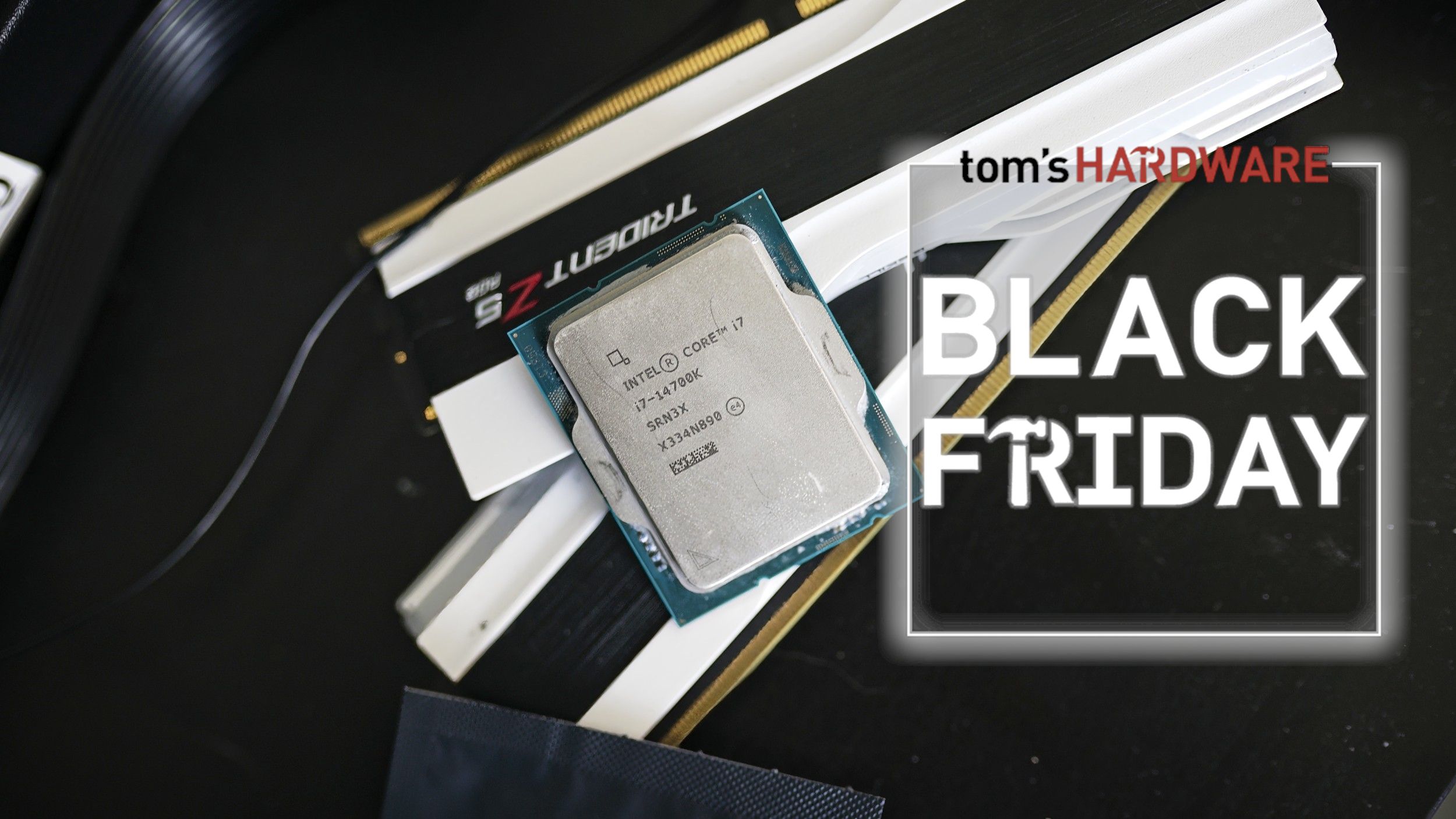
One of the primary architectural advantages driving the continued appeal of the Core i7-14700K is its compatibility with the well-established LGA 1700 motherboard platform. This socket flexibility provides builders with a remarkable degree of cost-saving versatility. Users transitioning from older Intel generations, such as the 12th or 13th generation, can frequently drop the Core i7-14700K directly into their existing motherboards, provided they apply the necessary BIOS updates to ensure stability and proper power delivery. Furthermore, the LGA 1700 ecosystem accommodates both DDR4 and DDR5 memory variants. This means that users on tighter budgets can choose to retain their existing, highly optimized DDR4 RAM kits, avoiding the added expense of purchasing brand-new memory, while those building from scratch can readily opt for modern, high-bandwidth DDR5 modules to maximize throughput.
The processor itself features a formidable hybrid architecture combining performance cores and efficient cores, a design philosophy that Intel has leveraged to handle both heavy single-threaded workloads like modern AAA video games and intensive multi-threaded tasks like video editing, 3D rendering, and code compilation. In gaming scenarios, the robust clock speeds and generous cache size of the Core i7-14700K allow it to trade blows with substantially more expensive competitors, ensuring smooth frame rates, minimal stutter, and strong minimums even in the most demanding titles currently available on the market. In productivity suites, the ample core count ensures that background tasks, streaming applications, and heavy asset creation pipelines run concurrently without introducing noticeable bottlenecks to the primary workflow.
This dramatic price drop arrives at an interesting juncture in the personal computer hardware landscape, where consumers are increasingly scrutinizing the real-world value of incremental generational upgrades. With newer platform architectures often demanding significant upfront investments in experimental technologies and premium supporting components, mature platforms like LGA 1700 offer a reliable and heavily optimized path forward. By heavily discounting a processor that punches so far above its weight class, retailers are giving a second wind to Intel’s fourteenth-generation lineup, providing an attractive pathway for users seeking maximum frames per dollar and long-term hardware longevity. As stock levels fluctuate in response to the aggressive pricing, the Core i7-14700K cements its status as a standout purchase for anyone aiming to overhaul their system’s core processing power without breaking the bank.