
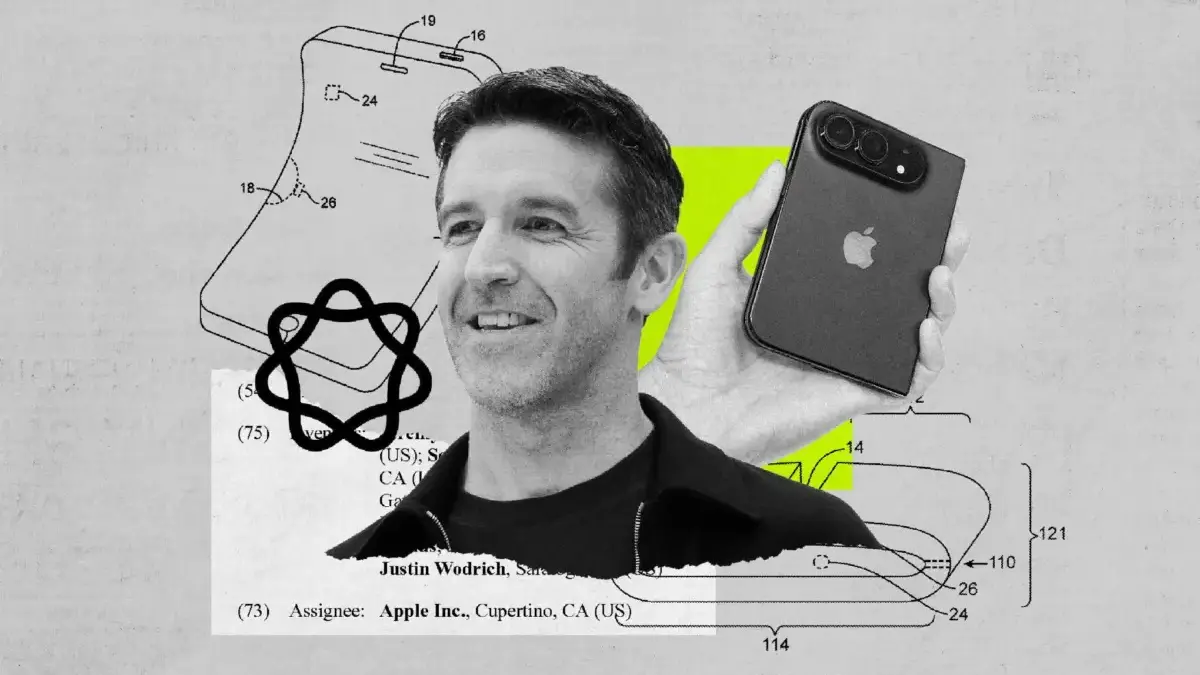
Apple is undergoing its most significant leadership and cultural transformation in over a decade. Following the transition of power from long-time CEO Tim Cook to successor John Ternus, the tech giant is charting a new course through the AI era while introducing hardware paradigms that could redefine consumer technology for years to come.
In a wide-ranging interview on Decoder, Bloomberg chief Apple correspondent and consumer technology managing editor Mark Gurman sat down to discuss the monumental shifts currently taking place within Apple Park. From the recent launch of the iPhone Duo—Apple’s long-anticipated entry into the foldable smartphone market—to a massive executive turnover that has reshaped the company’s highest ranks, Gurman provided a rare inside look at the mechanics driving the world’s most valuable technology company.
The recent iPhone hardware event carried immense symbolic weight. Occurring just weeks after John Ternus assumed the chief executive role, the showcase was carefully orchestrated to demonstrate continuity while quietly signaling a new strategic direction. Gurman noted that while the event initially felt familiar, Ternus made a distinct departure from Cook’s traditional playbook by stepping onto the stage with a definitive viewpoint on artificial intelligence, framing the iPhone as an "intelligent personal hub."
The Transition to John Ternus and a Reformed Executive Suite
The timing of Ternus taking the helm alongside the debut of the iPhone Duo was far from accidental. Apple takes its hardware storytelling extremely seriously, and the decision to let Ternus lead the introduction of the company’s first major foldable device was a deliberate choice to solidify his authority as the face of a new generation of products.
This transition is part of a sweeping, multi-year executive overhaul orchestrated by Tim Cook to manage the inevitable aging-out of an executive team that has guided Apple through its hyper-growth scale era. Over the past several years, key architects of the Cook administration—including former Chief Financial Officer Luca Maestri, Chief Operating Officer Jeff Williams, and General Counsel Kate Adams—have stepped down or transitioned into advisory roles.
While Cook remains involved as executive chairman, the old-guard leadership structure is rapidly giving way to a new roster of leaders. Notably, Johny Srouji, the mastermind behind Apple Silicon and custom modems, was elevated to chief hardware officer, cementing his position as one of the most critical figures in the company’s hardware division. Meanwhile, long-serving marketing and event chief Phil Schiller has stepped back from his remaining operational duties regarding the App Store and product keynotes, clearing the path for executives like Eddy Cue to exert a firmer grip on services and monetization strategies amid ongoing regulatory scrutiny.
Navigating the AI Era and Facing Competitive Pressures
Apple’s pivot to artificial intelligence has been a complex and iterative process. While competitors aggressively push cloud-native AI capabilities and screenless ambient computing devices, Apple has leaned heavily into its local-first, privacy-centered framework through Apple Intelligence. However, Gurman points out that the company’s reliance on the iPhone as its primary AI vehicle is a temporary measure.
Apple has robust plans for a wave of AI-native devices arriving over the next year and a half. These upcoming categories reportedly include smart home displays running a dedicated Siri AI operating system, home security systems, robotic smart home hubs, and advanced wearables like smart glasses and camera-equipped AirPods. These devices are expected to test consumer readiness for ambient computing and visual intelligence.
Yet, these advancements bring significant challenges, particularly regarding social privacy. Features such as the Apple Watch’s always-on transcription capabilities and upcoming visual search tools have sparked privacy concerns among consumers and industry observers alike. Gurman highlights that while Apple has developed advanced technical safeguards like Private Cloud Compute to protect user data, the social friction of ambient recording devices remains a hurdle that Apple has yet to fully resolve. As competitors like Meta and OpenAI push forward with aggressive hardware experiments, Apple will have to navigate a delicate balance between innovation and public trust.
The Foldable Frontier and Looking Ahead
Looking at the broader hardware landscape, Gurman remains remarkably bullish on the iPhone Duo, predicting that foldable smartphones will transition from a niche luxury to the new industry standard within the decade. Despite entering the foldable market later than competitors, Apple’s brand strength, software ecosystem integration, and consumer financing programs position the company to reshape market expectations once again.
As Ternus establishes his own leadership style—characterized by decisive, collaborative problem-solving rather than Cook’s consensus-driven approach—Apple’s ultimate success will be measured by its ability to discover and commercialize the post-iPhone centerpiece. With foundational changes underway across its software, hardware, and services divisions, Apple is actively positioning itself for the next evolutionary leap in consumer electronics.


Leave a Reply